



French Military Sculpture
French military sculpture captures historical campaigns and figures in metal and wood, offering collectors tangible connections to pivotal European eras.
French Military Sculpture
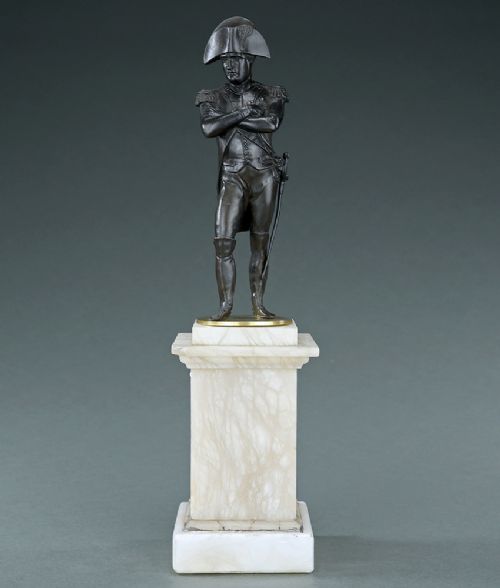
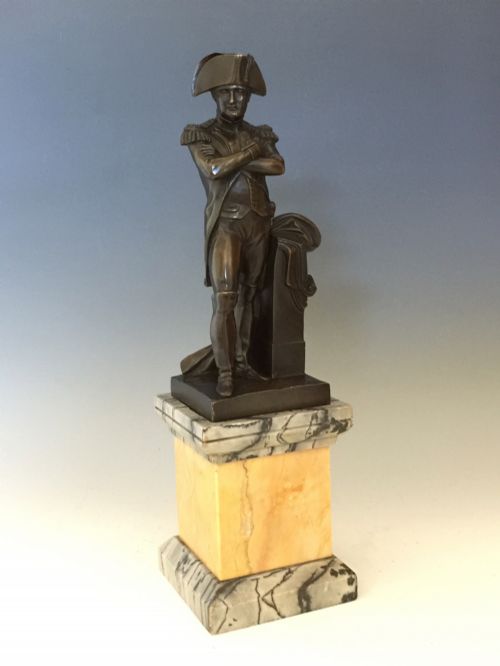
French military sculpture encompasses figures and statues depicting historical commanders and soldiers from the nineteenth century, including Napoleon Bonaparte, Louis Philippe, Hannibal, and Saladin. These pieces typically emerge from periods such as the Napoleonic Era, French Empire, and Victorian times, reflecting a strong national interest in military history.
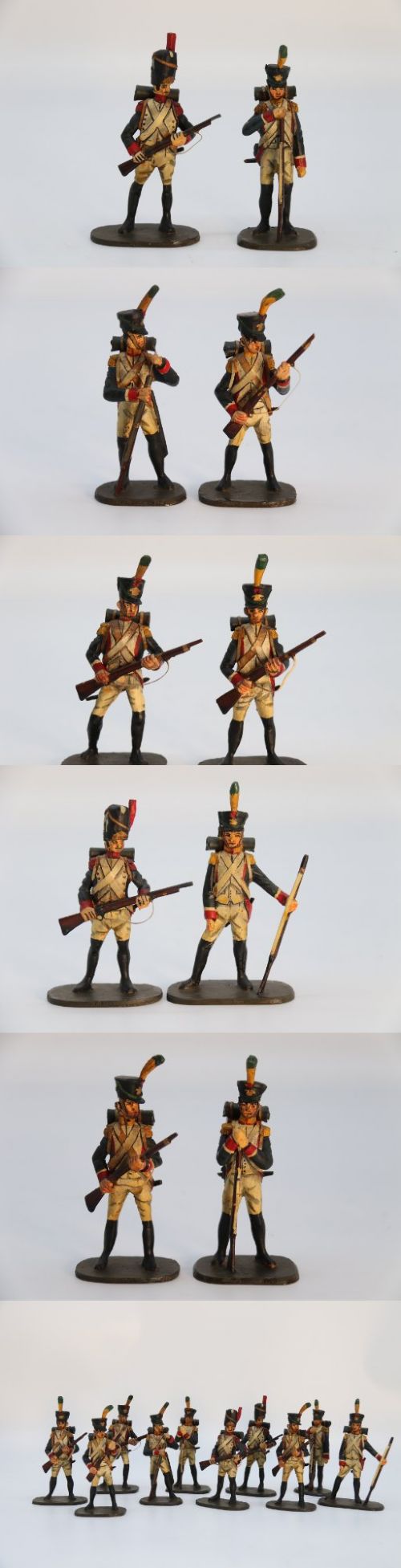
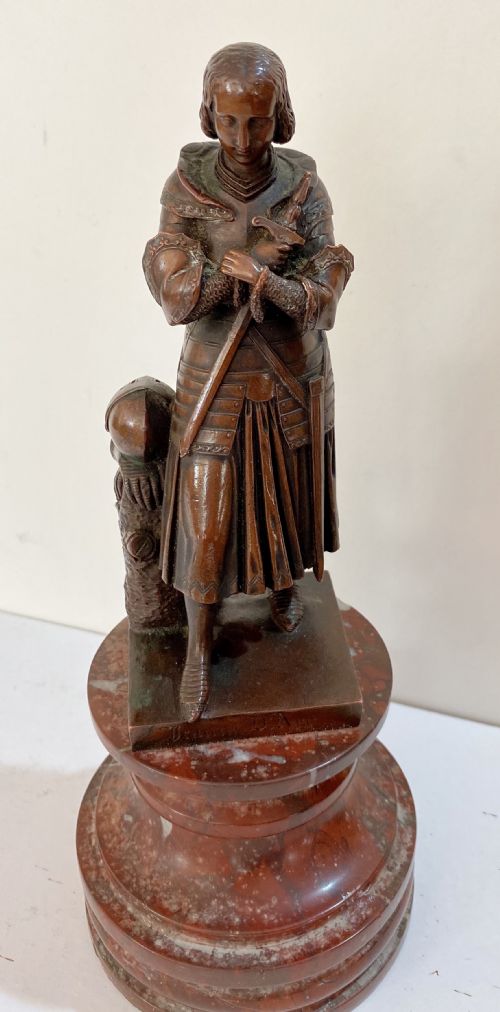
The objects appear primarily in forms like standalone statues, library bronzes, and groups of carved wooden soldier figures. Buyers frequently encounter representations of Napoleon on horseback alongside depictions of Joan of Arc and anonymous French soldiers.
Origins trace back to nineteenth-century French workshops and makers, often styled in Neoclassical or French Empire Revival traditions. The selection ranges from substantial mounted equestrian bronzes to pairs of spelter figures and hand-painted wooden groups.
Materials and construction methods
Bronze serves as the primary medium for these sculptures, frequently finished with a dark patina and mounted on marble bases. Makers also utilise spelter and patinated metal as alternative metallic mediums for casting figures.
Saladin shares shelf space with Napoleon and Hannibal in these nineteenth-century bronze portrayals.
Distinctions in quality
The presence of a known foundry mark or a recognised maker signature elevates a piece, as does the quality of the patina and the integration with marble plinths.
Emile Guillemin·E.H. Dumaige·James Pradier·C.Anfrie
The French Military Sculpture Glossary
- Bronze
- A copper and tin alloy standard in quality sculpture casting. It allows for intricate detail and takes a dark patina well.
- Spelter
- A zinc alloy used as a less costly alternative to bronze in nineteenth-century figures. It is softer and lighter than bronze.
- Patina
- The surface coloration or sheen developed on metal through age or chemical treatment. A good patina enhances the depth of the casting.
- Neoclassical
- A style drawing inspiration from the classical art and culture of ancient Greece and Rome. It influences the proportion and stance of many nineteenth-century military figures.
- Equestrian
- Depicting a figure on horseback. These large sculptures require complex balance and casting skill.
French Military Sculpture: Frequently Asked Questions
What materials are used?
The pieces listed utilise bronze, spelter, marble, and wood. Metal sculptures often feature applied patina and are set onto marble bases.
Hand-carved wooden examples also occur, complete with painted details on the soldier figures.
Who are the subjects depicted?
Subjects include historical military leaders and commanders such as Napoleon Bonaparte, Louis Philippe, Hannibal, and Saladin. Joan of Arc and anonymous French soldiers also appear.
These figures reflect the military focus of nineteenth-century French sculpture.
How do I date these sculptures?
Dates span the nineteenth century, including specific decades like the 1850s, 1860s, 1870s, 1890s, and the 1930s. Victorian and Napoleonic Era stylistic markers help orient the pieces.
Maker signatures and recorded foundry practices provide further chronological context.
Where should I display them?
Library bronzes and smaller figures suit desk or bookshelf placement where close inspection is possible. Larger equestrian bronzes and marble-based statues require sturdy tabletops or cabinets.
Pairs of spelter soldiers fit well on mantelpieces or sideboards.