


Antique Sofa Project
An antique sofa project gives you an authentic frame to build a custom seat from the ground up.
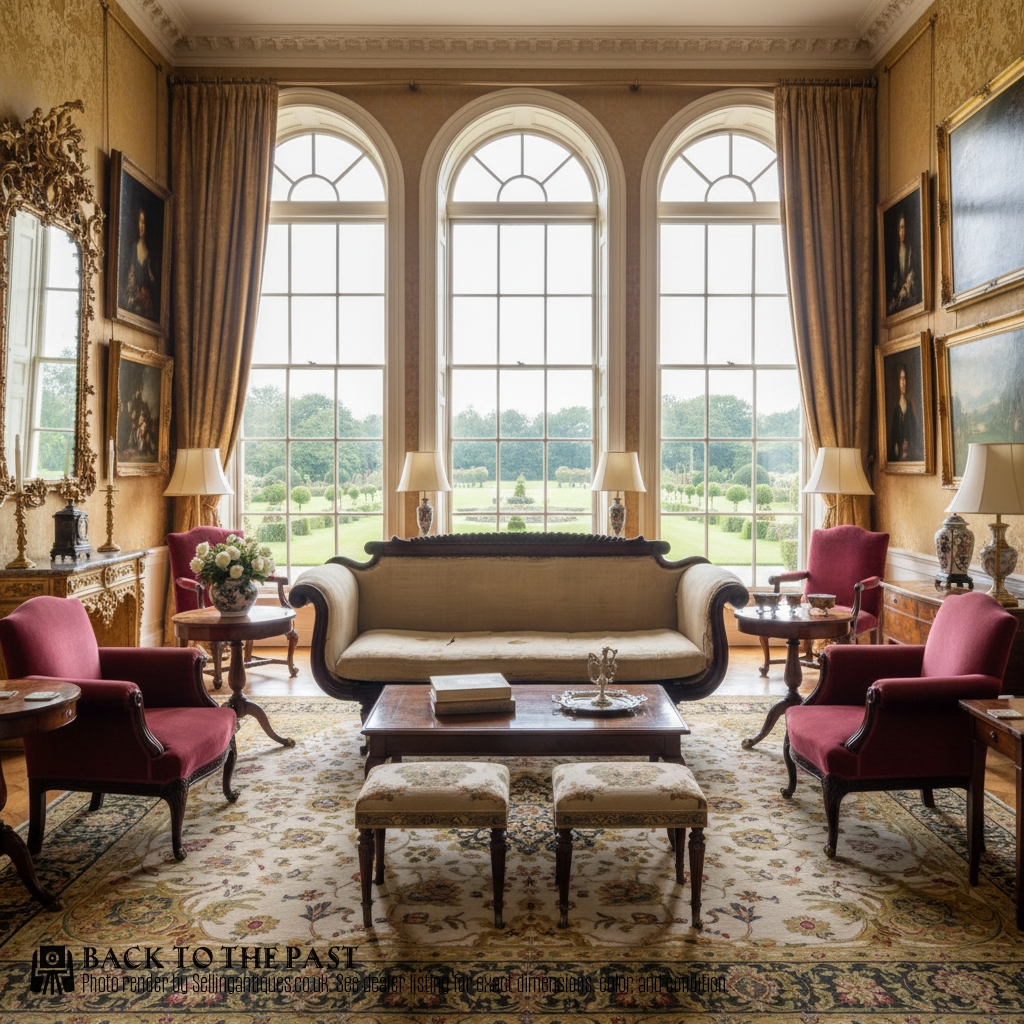
Antique Sofa Project
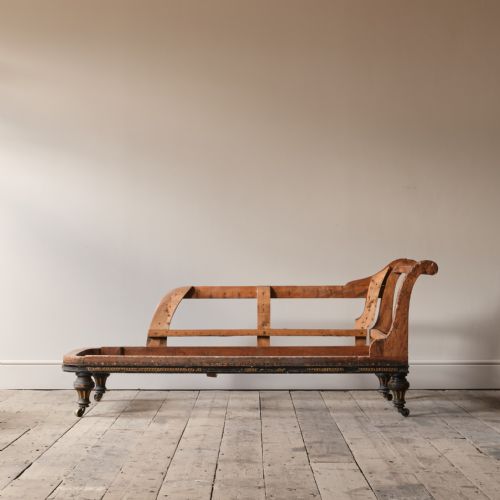
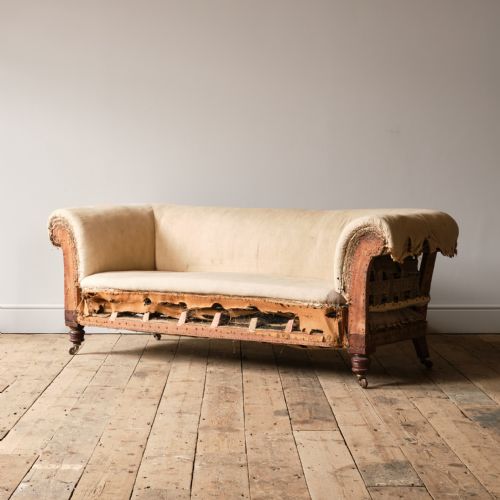
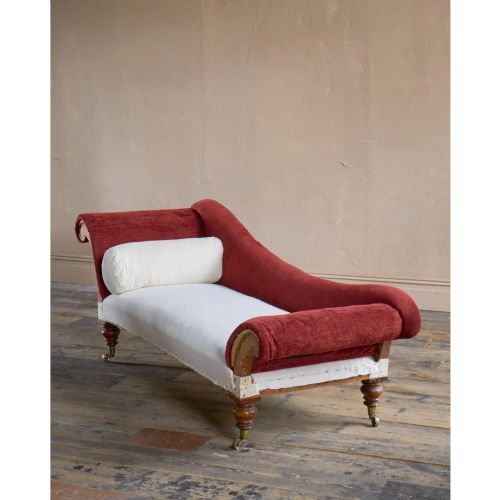
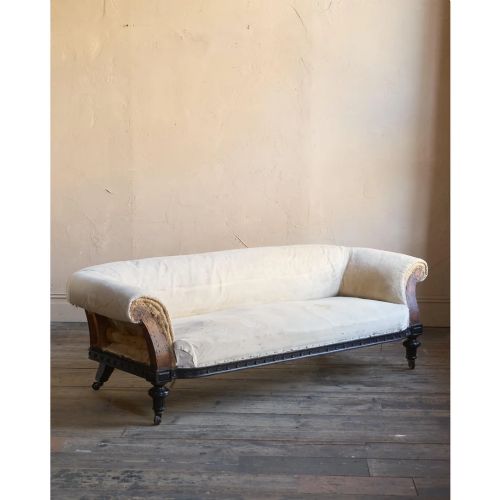
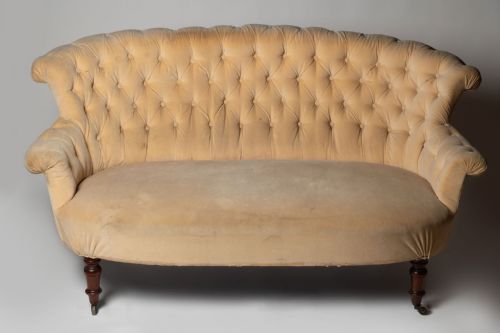
An antique sofa project provides a historic seating frame, such as a Chesterfield, chaise longue or daybed, stripped back or ready for complete re-upholstery. These pieces span the eighteenth, nineteenth and early twentieth centuries, encompassing styles from Regency and George III to Edwardian and Victorian.
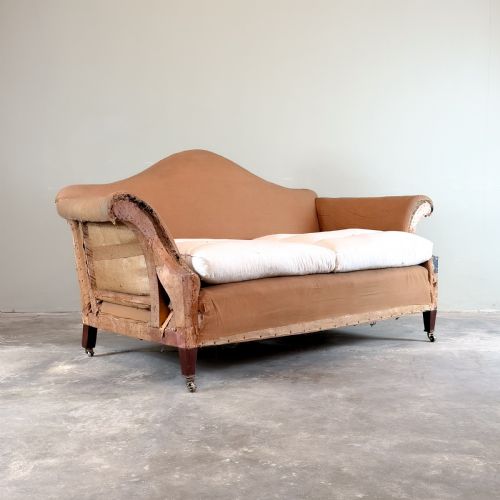
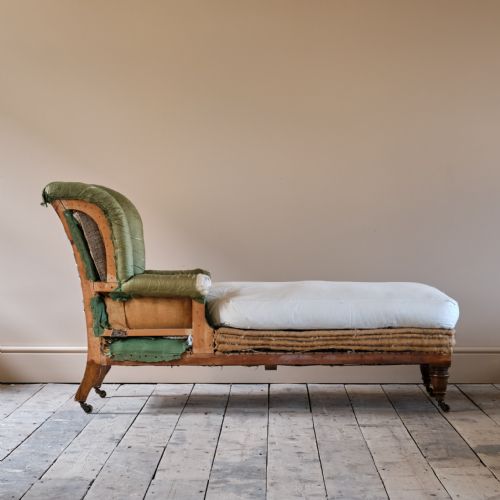
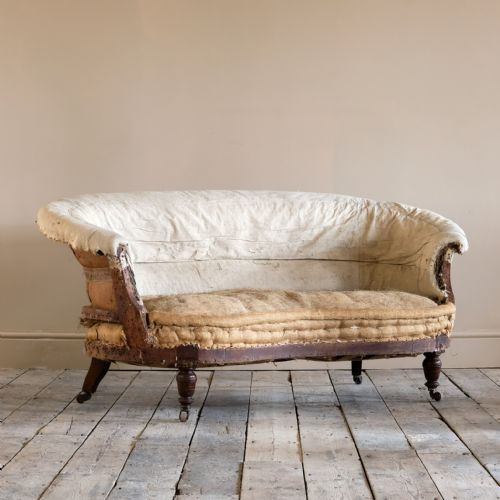
You will most frequently encounter nineteenth-century chaise longues, daybeds and deep-seated country house sofas offered in calico, hessian or bare wood frames. Many require extensive restoration, offering a blank canvas for bespoke fabric choices and traditional interior schemes.
How they were made
Makers built these frames using dense timber foundations of mahogany, walnut, ebonised wood and simulated rosewood, sometimes accented with brass castors and delicate inlay. Structural integrity relied on robust joinery and heavy wooden carcases designed to withstand decades of heavy daily use.
Traditional upholstery techniques utilised coarse underlying support materials like hessian and cotton calico to hold dense stuffing layers securely within the frame. Frames were constructed to allow repeated re-covering over generations, preserving the underlying woodwork while surface fabrics were renewed.
Some nineteenth-century chaises come with notoriously dramatic headrests designed strictly for reclining in heavy velvet waistcoats.
What varies in quality
The distinction between ordinary and exceptional frames lies in the crispness of the timber carving, the elegance of the silhouette and the soundness of the underlying structural joinery. Finer examples display harmonious proportions, superior wood selection and documented workshop origins that elevate the piece beyond standard production.
Subtleties in the turning of legs, the grace of a camel back curve and the weight of the timber determine the architectural merit of the frame. A well-proportioned chassis provides a superior foundation for restoration, ensuring the finished piece retains authentic period character.
Holland & Sons·Hampton & Sons·Willian Trotter
The Antique Sofa Project Glossary
- Calico
- A plain-woven cotton fabric used as the initial tight cover over stuffing on a frame before decorative top fabrics are applied. It provides a durable base layer that holds the internal padding firmly in shape.
- Hessian
- A coarse woven fabric, typically made from jute fibres, utilised in traditional upholstery for webbing and foundational support. It acts as a sturdy baseline to bear the weight of springs and stuffing.
- Chaise longue
- An upholstered sofa in the form of a chair with a long seat to support the legs, popular throughout the nineteenth century. These forms vary from single-ended daybeds to grand boudoir seating.
- Ebonised wood
- Timber treated with a chemical or dye process to simulate expensive ebony, frequently seen on nineteenth-century frames. This dark finish offers a stark, formal contrast to lighter interior textiles.
- Aesthetic Movement
- A late nineteenth-century design style emphasising visual beauty over narrative or moral function in domestic furnishings. Pieces from this movement often feature refined lines and artistic detailing.
Antique Sofa Project: Frequently Asked Questions
What is an antique sofa project?
An antique sofa project is a historic seating frame sold in need of restoration, stripping or complete re-upholstery. These frames allow buyers to select bespoke fabrics while retaining authentic period woodwork.
They offer an opportunity to rescue genuine nineteenth or early twentieth-century furniture and adapt it to contemporary interior requirements.
How do I choose the right frame?
Look closely at the proportions, the silhouette of the backrest and the quality of the exposed timber legs. Consider whether a chaise longue, a deep-seated Chesterfield or a salon settee best suits your space.
Check that the wooden carcase is sound and that key structural elements like arms and back rails remain firm and unaltered.
What materials are underneath the fabric?
Traditional frames typically feature sturdy timber carcases made from mahogany, walnut or beech, supported by internal webbing. Layers of hessian and calico secure the internal stuffing and form the foundational shape before top covers are applied.
Many project pieces are sold down to the bare hessian or calico stage, exposing the historic construction methods used by period cabinet makers.
Can I mix these styles with modern decor?
Historic frames provide striking focal points in contemporary rooms, especially when upholstered in simple, modern linens or textured wools. The contrast between an eighteenth or nineteenth-century silhouette and minimalist surroundings creates visual depth.
Selecting a bold or understated fabric tone allows a period frame to bridge historic craftsmanship and modern interior styling.