


Antique Smoking Holder
When you search for an antique smoking holder, you are looking at small personal items and larger room pieces that trace the changing social habits of tobacco over two centuries.
Antique Smoking Holder
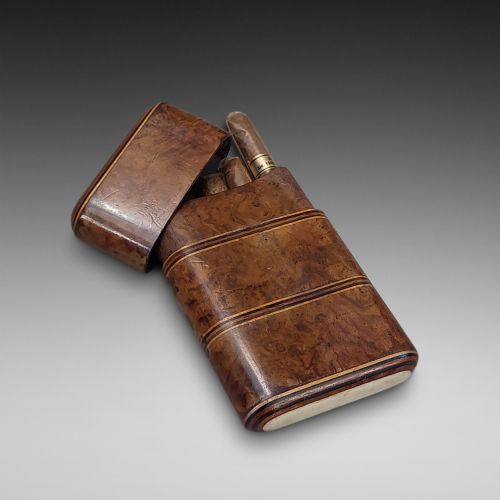
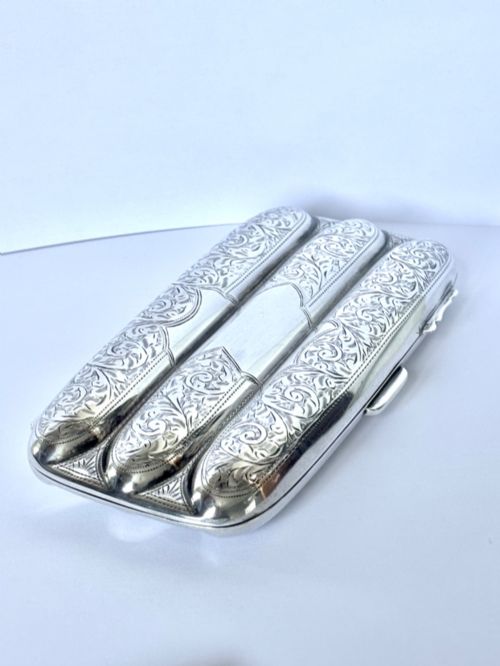
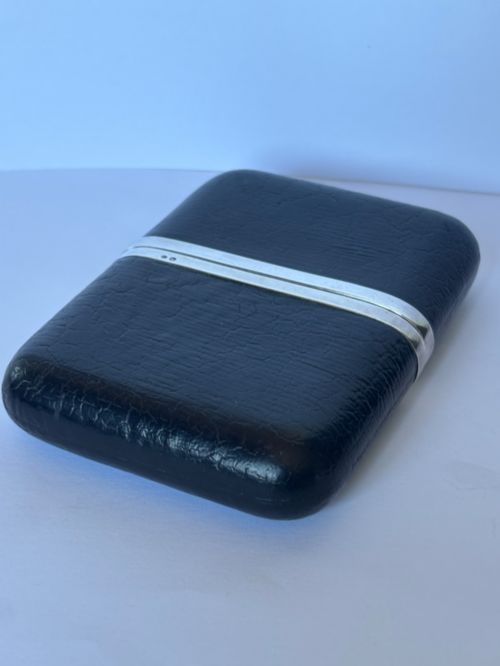
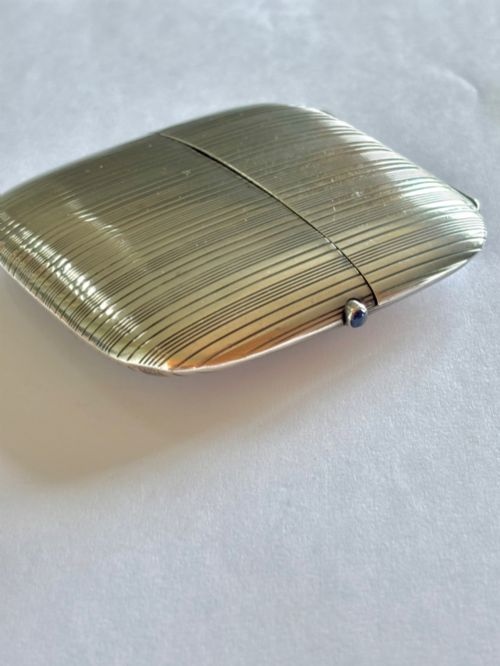
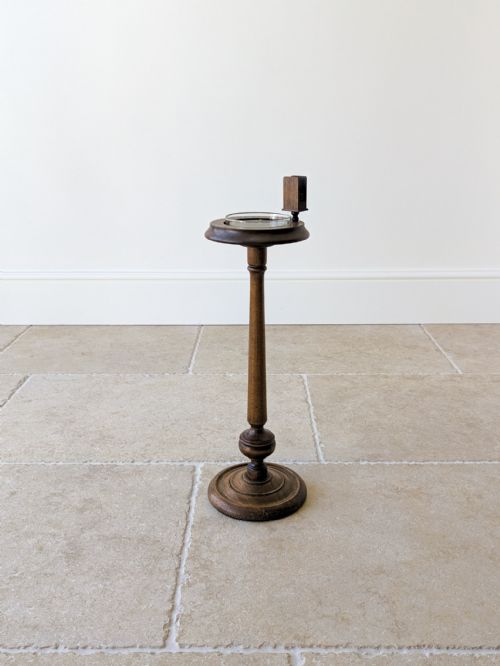
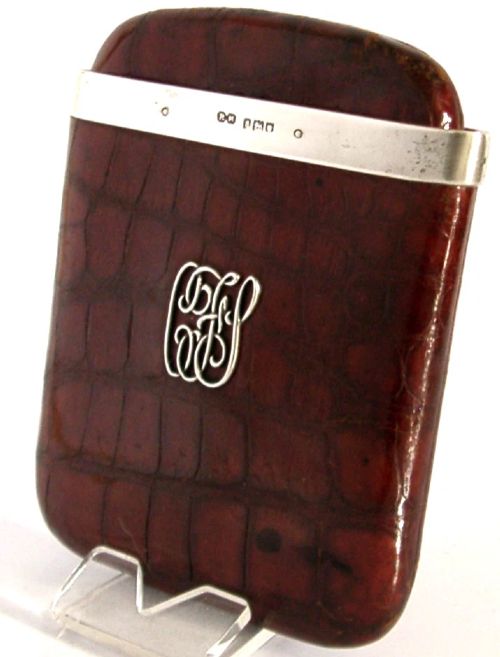
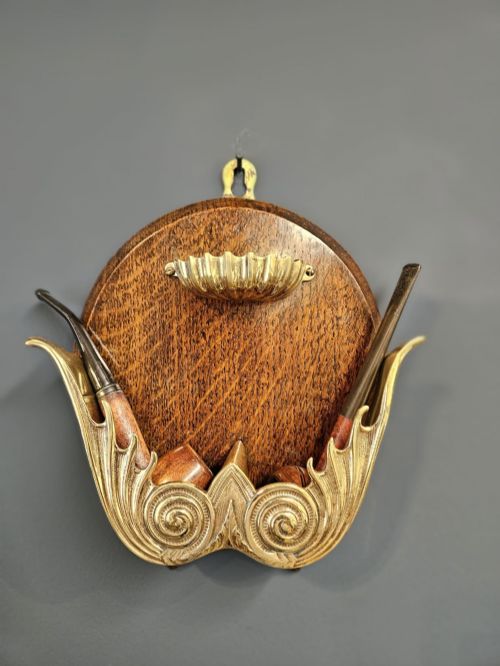
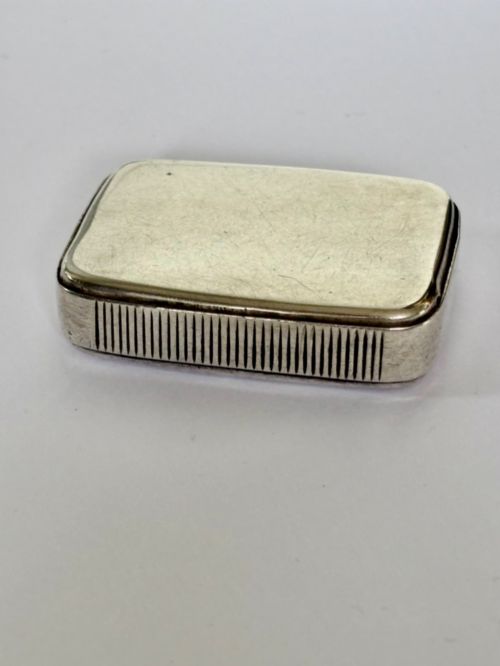
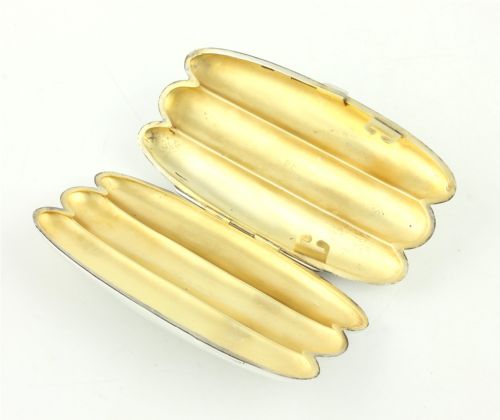
An antique smoking holder encompasses personal pocket items like silver cheroot and cigarette cases, vesta cases, and match dispensers alongside larger items such as floor-standing stands, pipe racks, and desktop cabinets.
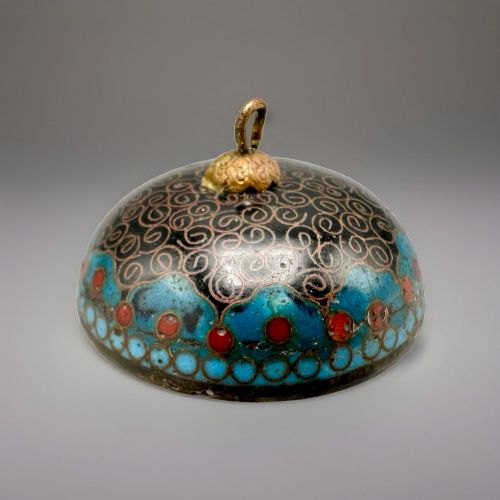
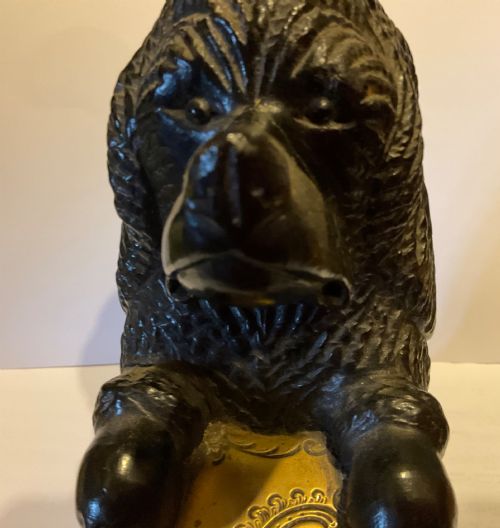
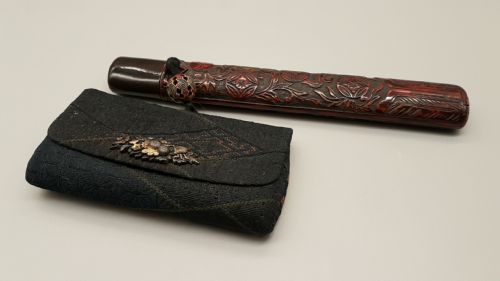
The selection ranges from Victorian silver gilt trick cases and Edwardian mahogany floor stands to Japanese Meiji silk pouches and Black Forest carved bear tobacco holders.
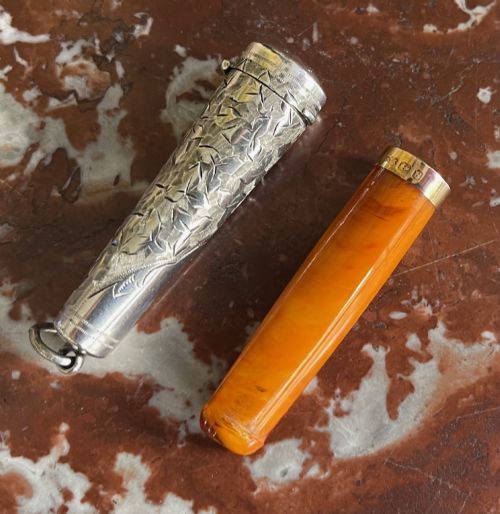
Pocket pieces designed for cigars, cigarettes, and cheroot holders dominate the selection, frequently paired with amber, leather, or gold mounts.
How they were made
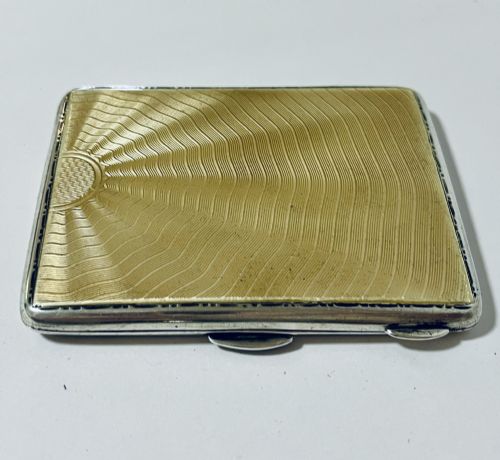
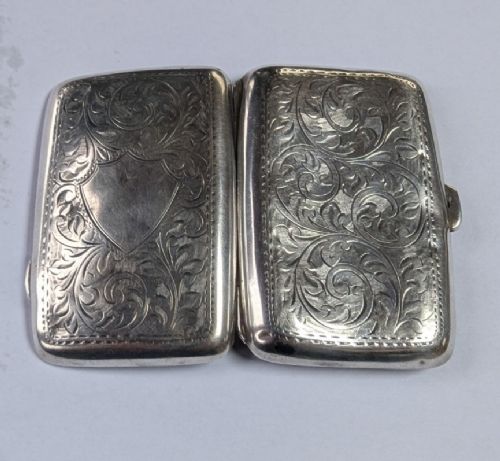
Makers utilised sterling silver, silver gilt, and 9ct gold for cases and match safes, often employing engine-turning, leaf and scroll engraving, or enamel work to decorate the metal surfaces.
Organic and carved materials such as mahogany, oak, burr walnut, carved wood, meerschaum, amber, glass, and crocodile skin leather provided the structure for stands, boxes, and protective cases.
Specialised techniques enabled functional novelties, including unusual opening mechanisms, wheeled silver compendiums, and fitted leather book-form cases.
Antique Smoking Holder Retail Price Guide 2026
Typical asking prices for smoking holder among the pieces listed under this phrase on Sellingantiques today, from the lower quarter to the upper quarter. They describe what is for sale here now, not the wider market.
Design styles span from Georgian and Victorian decorative arts through to Edwardian and Art Deco minimalism.
What varies in quality
The degree of artistic execution in carved wooden figures, Meerschaum motifs, and engraved silver patterns dictates the distinction between standard production items and masterworks.
The sophistication of mechanical elements, such as trick opening devices, spring-loaded dispensers, and locking cabinet mechanisms, separates ordinary containers from superior engineering.
The preservation of original fitted leather cases, interior silk linings, and crisp hallmarks provides evidence of a piece's original grade and subsequent care.
A & J Zimmerman·Sampson Mordan·Edward Edwards·George Betjemann·Cartier·Hermes Paris
The Antique Smoking Holder Glossary
- Vesta Case
- A small pocket box designed to hold wax matches safely, typically featuring a striking surface on the base. These often appear in novel or engraved silver forms.
- Cheroot Holder
- A small mouthpiece fitted with a socket to hold a cheroot, protecting the smoker's fingers and teeth from direct contact with the tobacco. They are frequently fashioned from amber and meerschaum.
- Compendium
- A multi-functional desktop or portable container housing various smoking accessories in one integrated unit. Examples range from wheeled silver carriages to equestrian silver sets.
- Meerschaum
- A soft white mineral carved into intricate pipe bowls and cheroot holders that darkens to a rich brown colour with use. It is prized for its heat-resistant and porous qualities.
- Engine-Turning
- A mechanical decoration technique used on metal cases to engrave precise geometric patterns of fine intersecting lines. It provides both texture and visual depth to silver surfaces.
Antique Smoking Holder: Frequently Asked Questions
What is a smoking compendium?
A smoking compendium is a coordinated set or container that holds multiple smoking necessities together in one place, such as matches, cigars, and tobacco.
These pieces were made for the desk, table, or floor and often take decorative shapes like carriages or animals.
How do I care for silver cases?
Sterling silver and silver gilt pocket cases require gentle cleaning with a soft cloth to preserve the engraved details and hallmarks without removing the underlying metal.
Avoid abrasive polishes that can wear down engine-turned patterns or damage attached materials like enamel and leather.
What materials were used for cheroot holders?
Cheroot holders were commonly fashioned from amber, meerschaum, and carved wood, often mounted with gold or silver bands.
These materials were chosen for their tactile qualities and ability to cool the smoke before it reached the mouth.
How are pocket cases dated?
Pocket cases made of precious metals are dated using town assay marks, maker's marks, and date letters stamped directly onto the silver or gold.
Unmarked pieces rely on stylistic indicators, materials, and construction methods characteristic of Victorian, Edwardian, or Art Deco periods.