


Antique Smoking Accessories
Antique smoking accessories span compact silver cases and floor-standing cabinets designed to organise tobacco, pipes and vestas with daily utility.
Antique Smoking Accessories
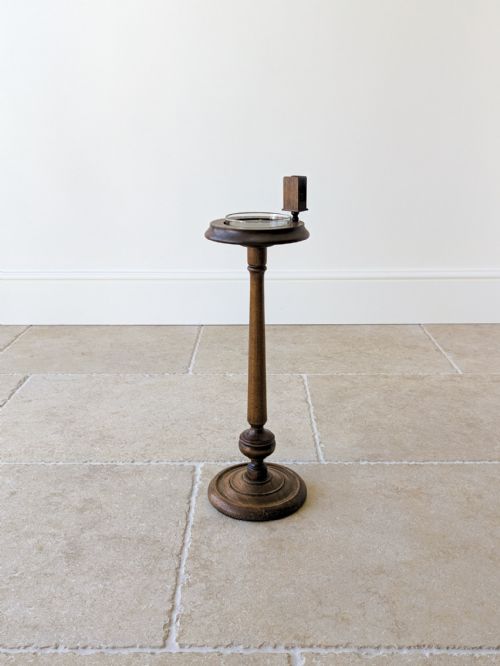
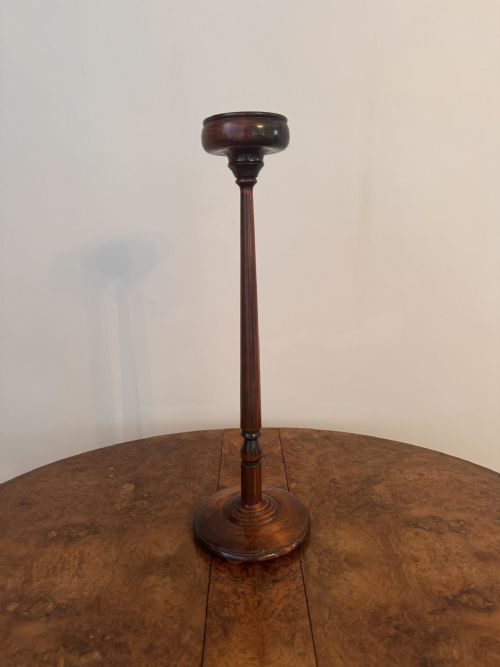
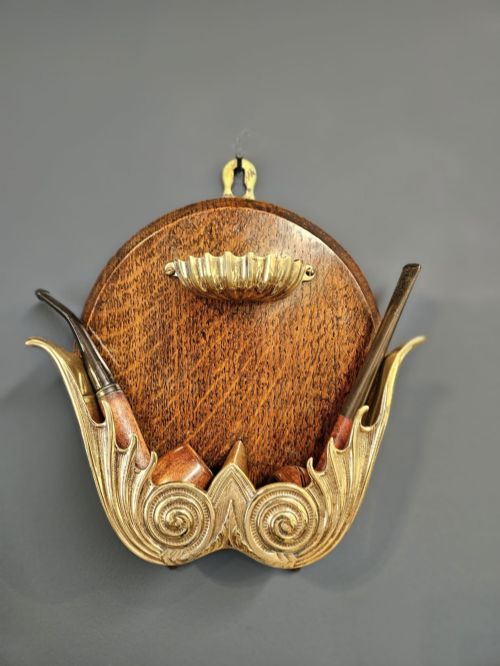
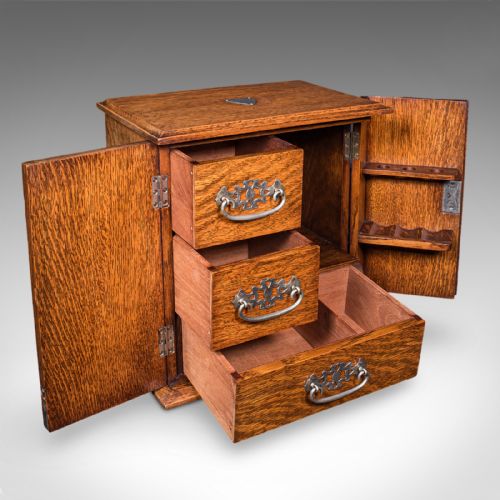
When you search for antique smoking accessories, you encounter a wide variety of personal and table items fashioned for tobacco consumption. The selection ranges from pocket items like vesta cases and cheroot holders to larger domestic fixtures such as floor-standing stands and desktop smoking cabinets.
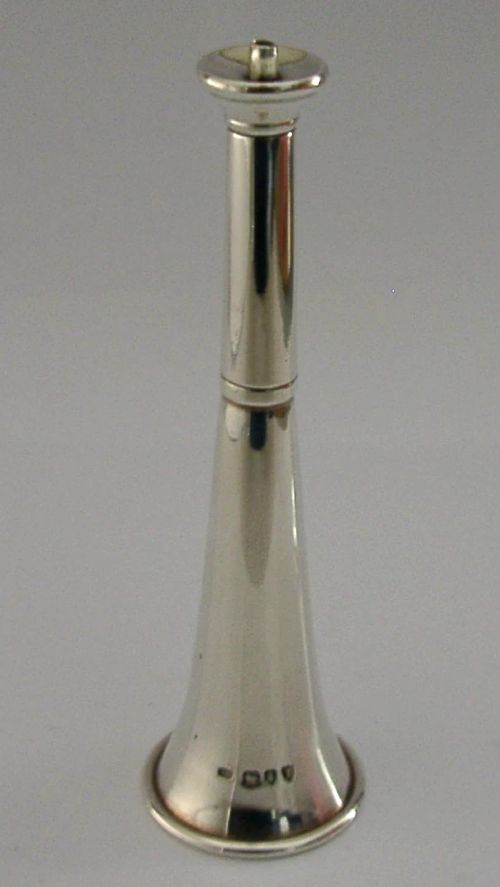
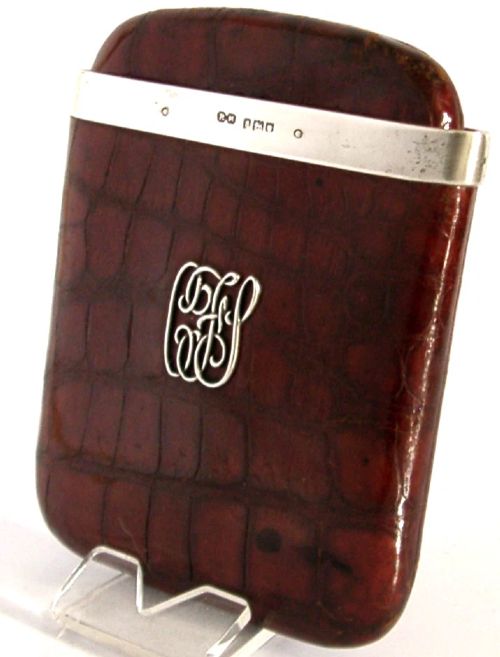
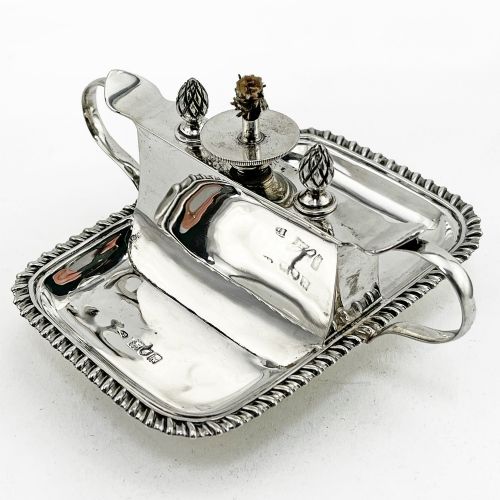
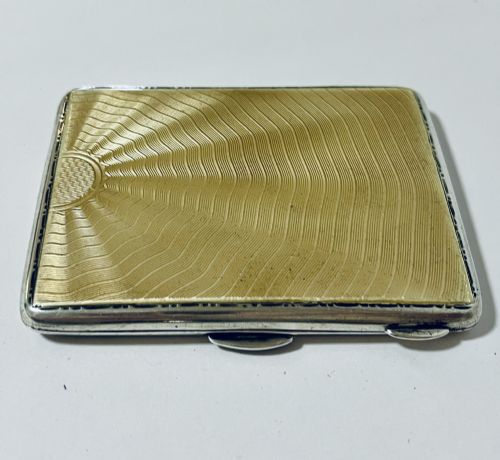
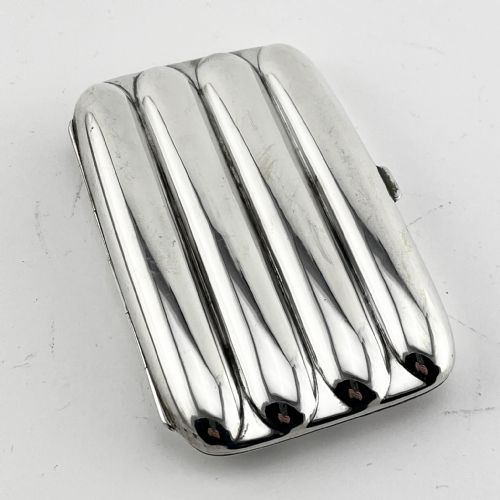
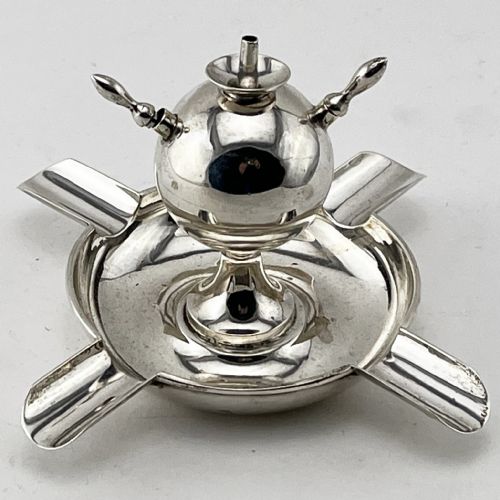
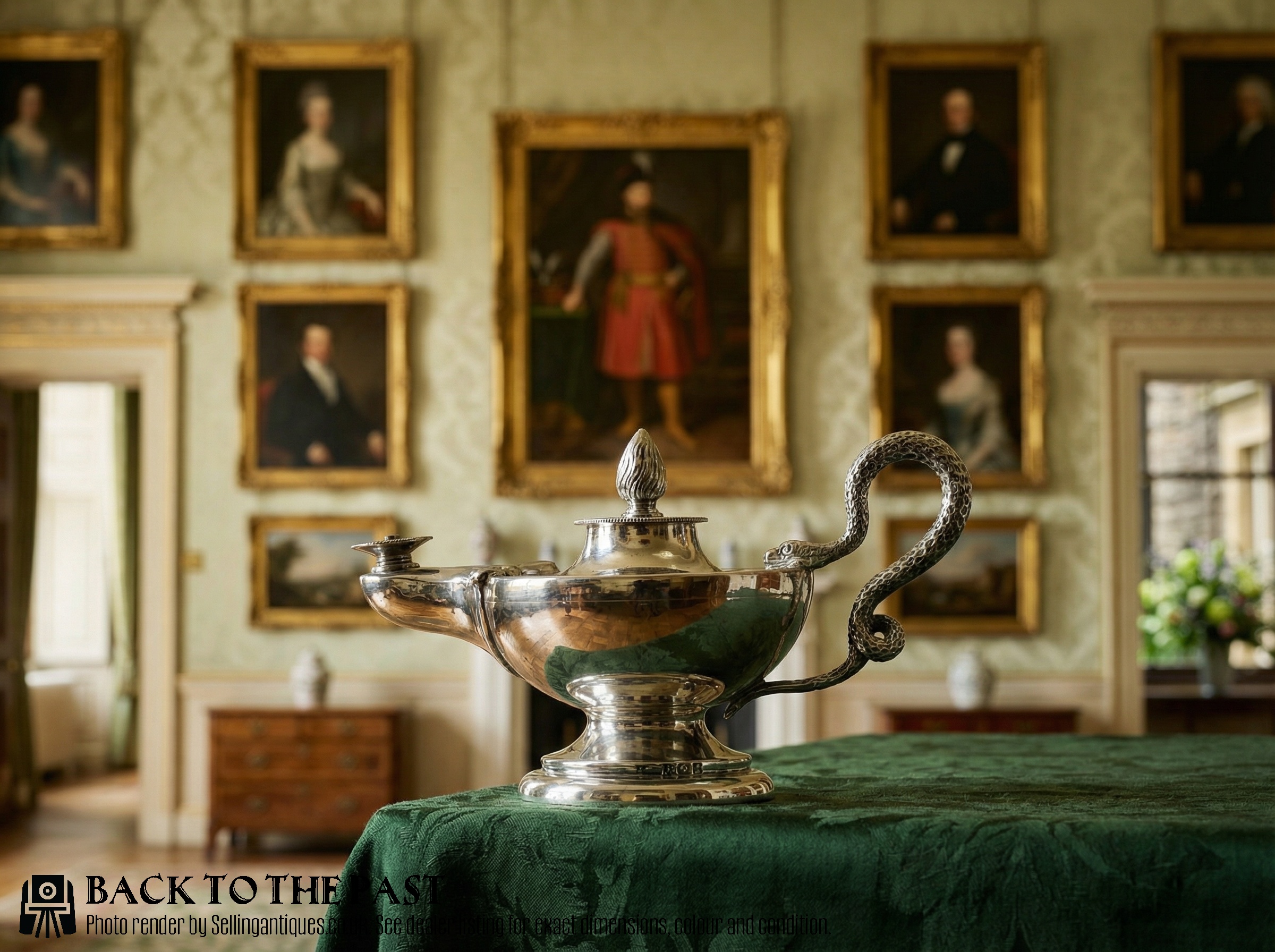
Pocket pieces typically include sterling silver cigarette and cigar cases, some featuring engine-turned patterns or fitted leather interiors. Table pieces involve lighters shaped as hunting horns or oil lamps, alongside pipe racks and humidors constructed from mahogany or carved wood.
How They Were Made
Silversmiths constructed pocket and table pieces using sterling silver, frequently employing techniques like engine-turning to pattern the metal. Leather and exotic skins such as crocodile and shagreen were also utilised to wrap cases and boxes.
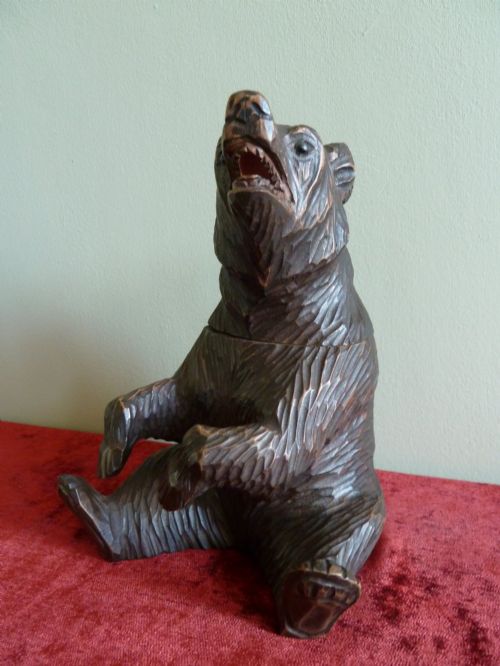
Woodworkers shaped carved items from mahogany, burr walnut and oak, notably in Black Forest animal carvings and floor-standing stands. Brass and glass elements were integrated into pipe racks and tobacco holders for functional stability.
Antique Smoking Accessories Retail Price Guide 2026
Typical asking prices for smoking accessories among the pieces listed under this phrase on Sellingantiques today, from the lower quarter to the upper quarter. They describe what is for sale here now, not the wider market.
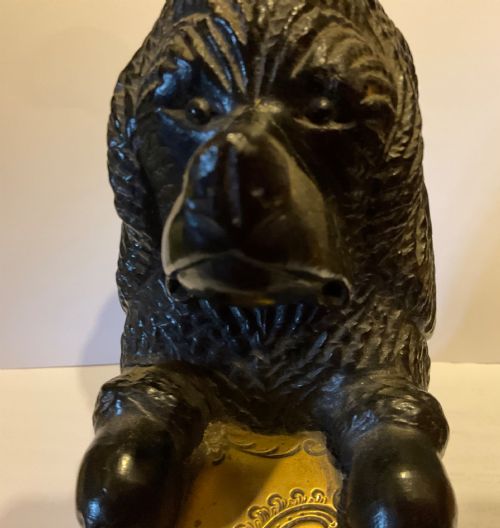
Several items adopt playful animal forms, including a begging dog match dispenser and carved Black Forest bears holding tobacco.
What Varies In Quality
The standard of execution separates everyday pieces from superior examples, particularly in the crispness of hand-carved wooden details on Black Forest animals or the precision of opening mechanisms on silver boxes. Heavier gauges of silver and intricate internal fittings distinguish the finest pocket and table containers.
Design ambition also dictates quality, seen in novelty items shaped as hunting horns or classical oil lamps compared to plain receptacles. Maker attribution adds distinction, with pieces bearing marks from notable firms showing superior finish.
Braham·Goldsmith & Silversmith·Edward Edwards·Sampson Mordan·Wright & Davies·Cartier·Hermes, Paris
The Antique Smoking Accessories Glossary
- Vesta case
- A small pocket box designed to hold matches, typically fitted with a striking strip on the base. These containers were widely carried during the nineteenth and early twentieth centuries.
- Humidor
- A moisture-controlled box or cabinet used for storing cigars. Fine examples feature fitted wooden interiors and secure locking mechanisms.
- Pipe tamper
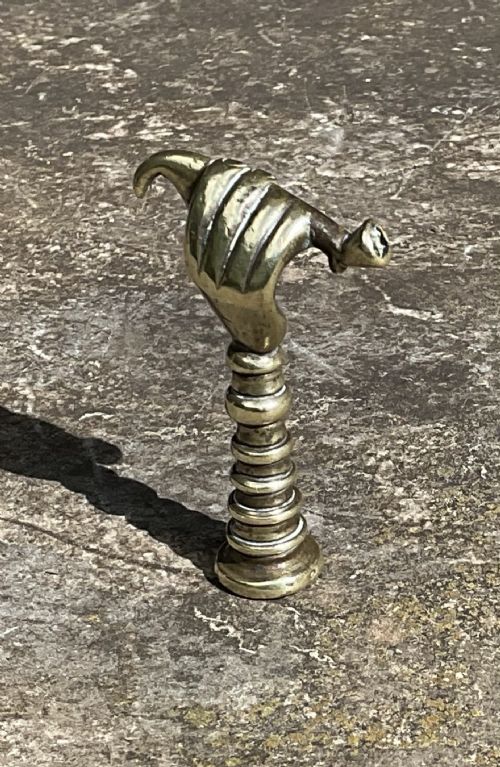
- A small tool used to press down tobacco inside a pipe bowl during smoking. These implements were frequently fashioned from brass or silver and sometimes paired with picks.
Antique Smoking Accessories: Frequently Asked Questions
What is a vesta case used for?
A vesta case holds short matches safely in the pocket before the widespread availability of safety matches. They protect the matches from moisture and accidental ignition.
These small boxes feature a serrated striking surface on the exterior base to ignite the match upon removal. Many are decorated with engraved patterns or personalised crests.
How do I identify a cigar case?
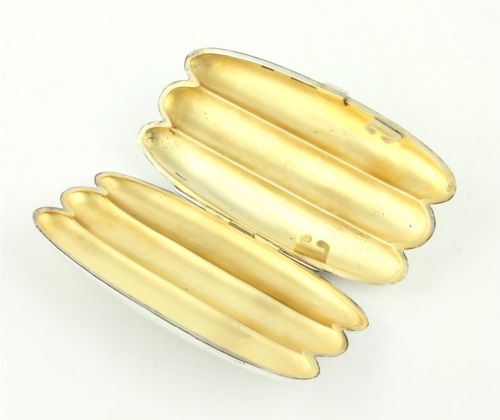
Cigar cases are generally longer and more rigid than cigarette cases to accommodate the cylindrical shape of cigars. Pocket versions often feature curved profiles to fit comfortably against the body.
Some incorporate internal divisions or leather linings to hold multiple cigars securely without crushing them during travel.
What are Black Forest smoking items?
Black Forest smoking items are carved wooden pieces originating from the wooded mountain region in Central Europe. They frequently depict bears, dogs and other woodland animals.
These pieces include tobacco holders, pipe racks and humidors where the animal carving serves as the primary decorative feature of the functional object.