
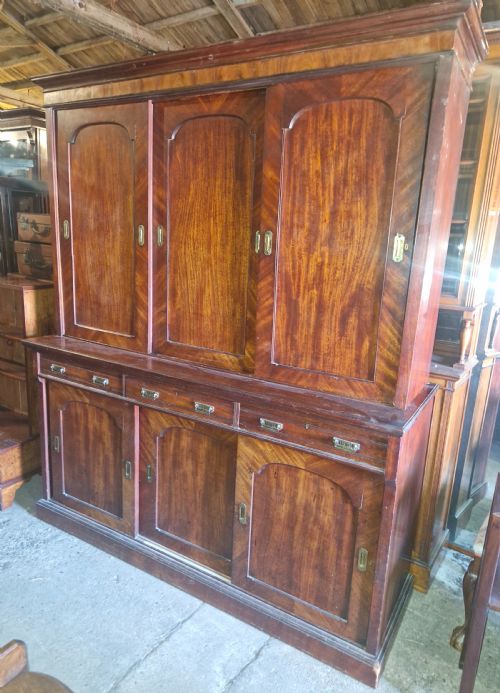
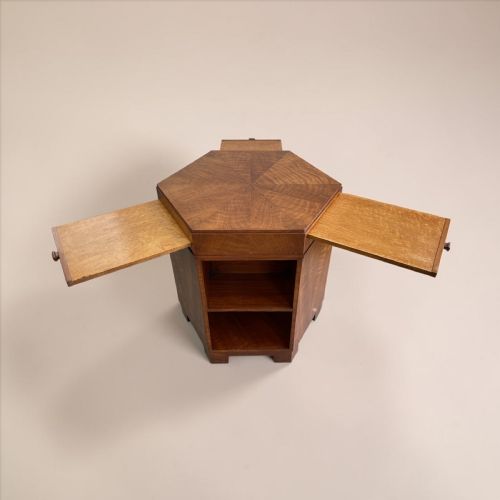
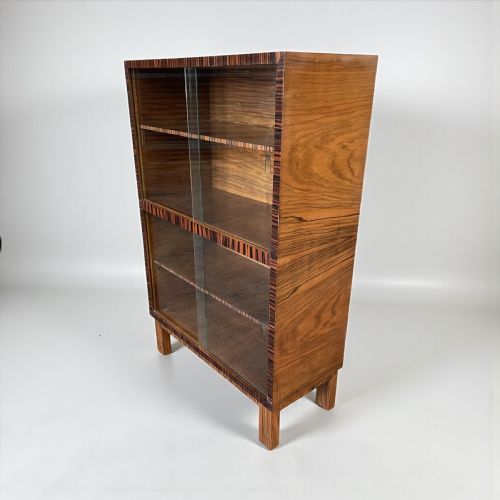


Antique Slide Cabinet
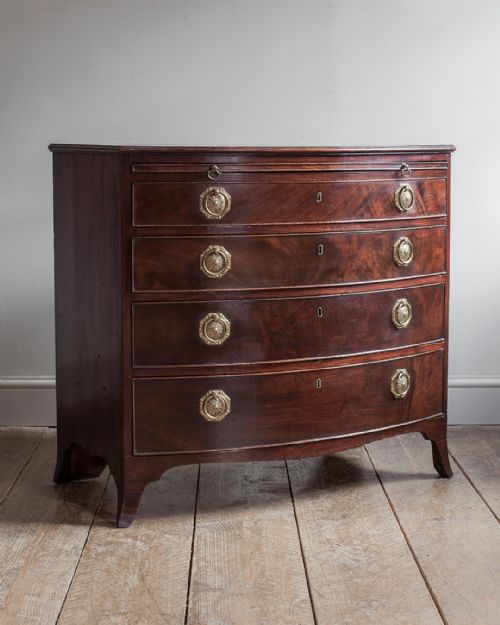
An antique slide cabinet organises delicate specimens or writing tools inside snug drawers behind a pull-out shelf.
Antique Slide Cabinet
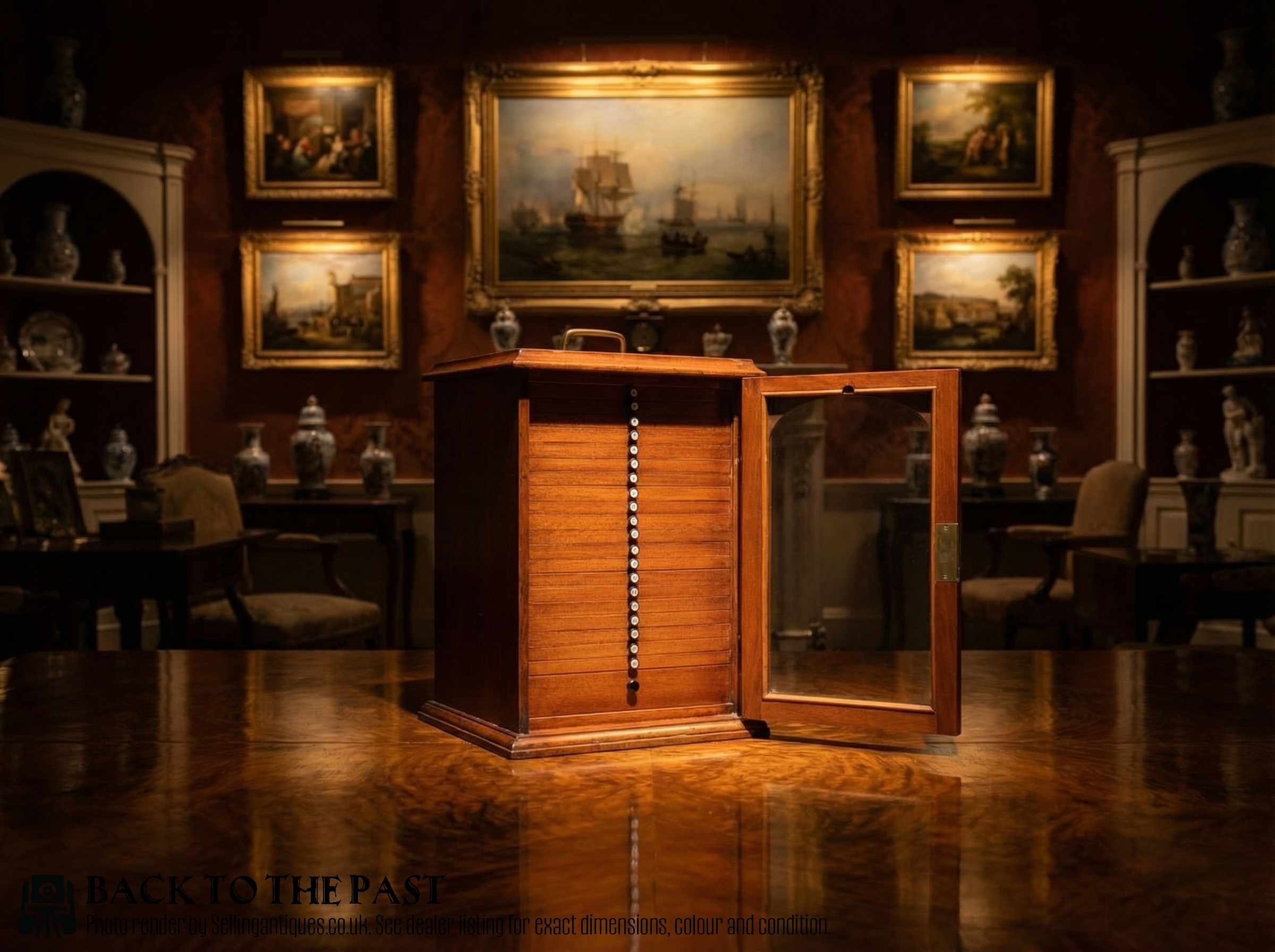
An antique slide cabinet primarily emerges in nineteenth-century microscope collections alongside compact writing desks and living room furniture featuring pull-out boards. The most frequent iteration on this page is the dedicated multi-drawer microscope slide cabinet designed to house glass preparations.
Makers constructed these pieces using mahogany, walnut, and pine, setting small, shallow drawers one above the other to protect scientific specimens, botanical samples, or small trinkets. Other forms incorporate a pull-out brushing slide or writing surface within chests of drawers and davenports rather than scientific storage.
The historical record for this phrase spans eighteenth-century Georgian designs through to Victorian scientific apparatus and twentieth-century utility pieces. Buyers encounter both utilitarian scientific carcases and domestic items equipped with secondary pull-out surfaces.
How They Were Made
Cabinetmakers utilised dense hardwoods like mahogany, walnut, and rosewood alongside pine and oak to build sturdy carcases capable of supporting numerous heavy drawers. Brass hardware, leather inserts, and glass doors appear frequently to secure the contents while permitting visibility.
Construction relied on tight joinery to protect delicate contents from dust and humidity, with internal runners ensuring smooth movement for dozens of miniature drawers. Fine inlay work in boxwood or satinwood distinguishes the decorative domestic surfaces from plain scientific containers.
Some nineteenth-century slide cabinets arrive with hundreds of tiny glass specimens still tucked safely in their miniature dark wooden nests.
What Varies in Quality
The standard of craftsmanship shows in the precision of the drawer runners and the thickness of the timber used for internal partitions. Superior examples maintain exact tolerances so that numerous shallow drawers slide without binding.
Material selection divides the range, placing plain pine or utilitarian workshop boxes at one end and finely figured mahogany, walnut, or rosewood with polished brass fittings at the other. Original interior fittings and intact glass or brass elements elevate the integrity of a piece.
Waring & Gillow·John McClean·Robert Gillows II·Liberty's of London
The Antique Slide Cabinet Glossary
- Brushing slide
- A pull-out shelf positioned above drawers, traditionally used to brush debris from garments or place items temporarily.
- Davenport
- A small pedestal desk featuring a sloping writing surface, often accompanied by side drawers and a sliding top.
- Tansu
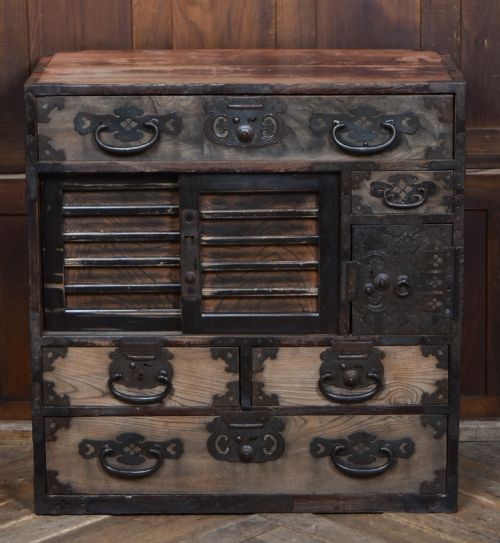
- A traditional Japanese mobile storage chest constructed from timber with distinctive iron or bronze hardware.
- Linen press
- A tall piece of furniture enclosing sliding trays or shelves originally intended for storing textiles.
Antique Slide Cabinet: Frequently Asked Questions
What fits inside an antique slide cabinet?
These cabinets typically store glass microscope slides, entomological specimens, or small botanical samples within their shallow drawers. Domestic variants utilise the slide surface for writing or temporary placement of objects.
Collectors often repurpose the miniature drawers to organise jewellery, coins, or stamps while keeping the exterior appearance intact.
How do I date a slide cabinet?
Dating relies on timber choices, construction techniques, and stylistic markers such as Regency rosewood inlay or Georgian bracket feet. Scientific microscope cabinets concentrate heavily in the Victorian era around eighteen ninety.
Secondary clues include the type of handles, lock mechanisms, and the presence of maker stamps or labels inside the drawers.
Where should I place one at home?
Tabletop variants suit desks, sideboards, or dedicated display tables where the detailed drawer fronts remain visible. Taller floor-standing versions require stable placement away from direct heat sources to protect the dry timber.
Ensure adequate clearance in front of the cabinet so that drawers or pull-out writing slides extend fully without obstruction.
Are slide drawers delicate?
The internal runners on multi-drawer specimen chests demand gentle handling to prevent jamming or damage to the wooden guides. Regular waxing of the runner edges helps maintain smooth movement.
Avoid overloading shallow trays with heavy objects since they were originally engineered to support only light specimens or flat items.