

Antique Silverplate
These heavy, lustrous examples of antique silverplate bring period dining tables to life with practical utility and decorative presence.
Antique Silverplate
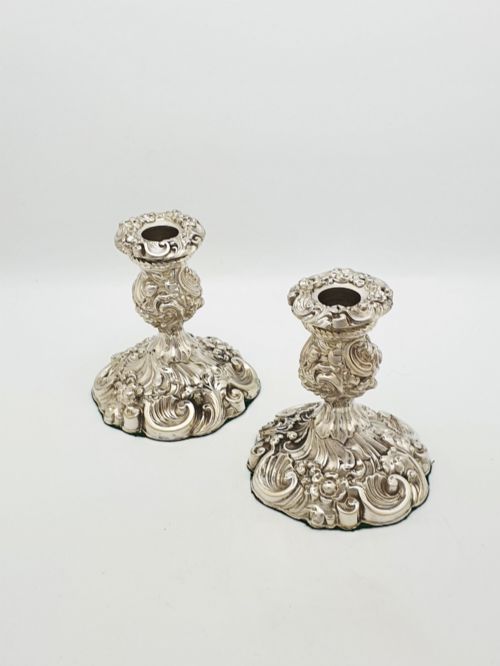
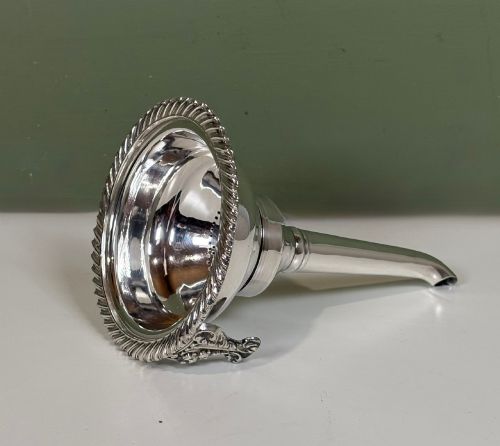
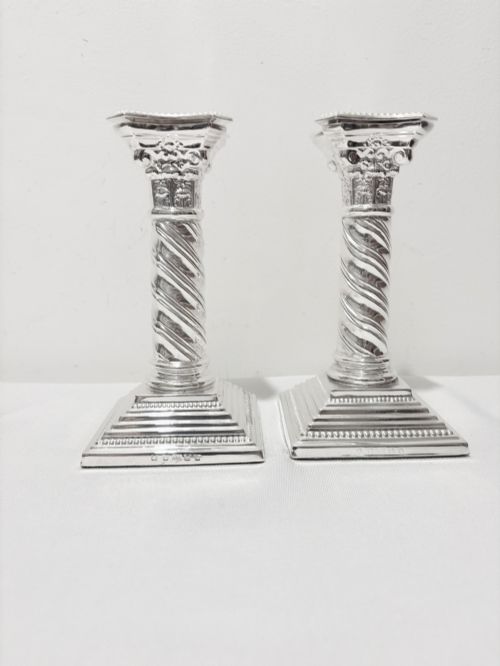
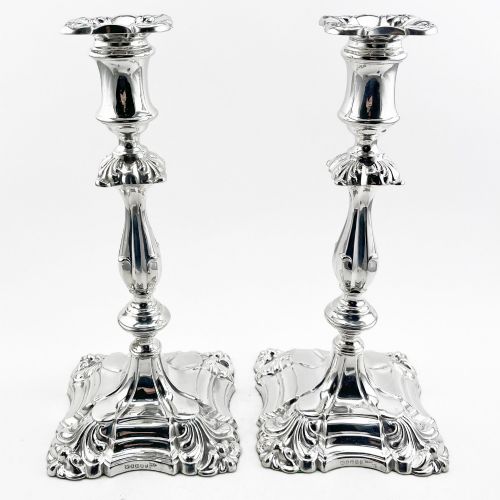
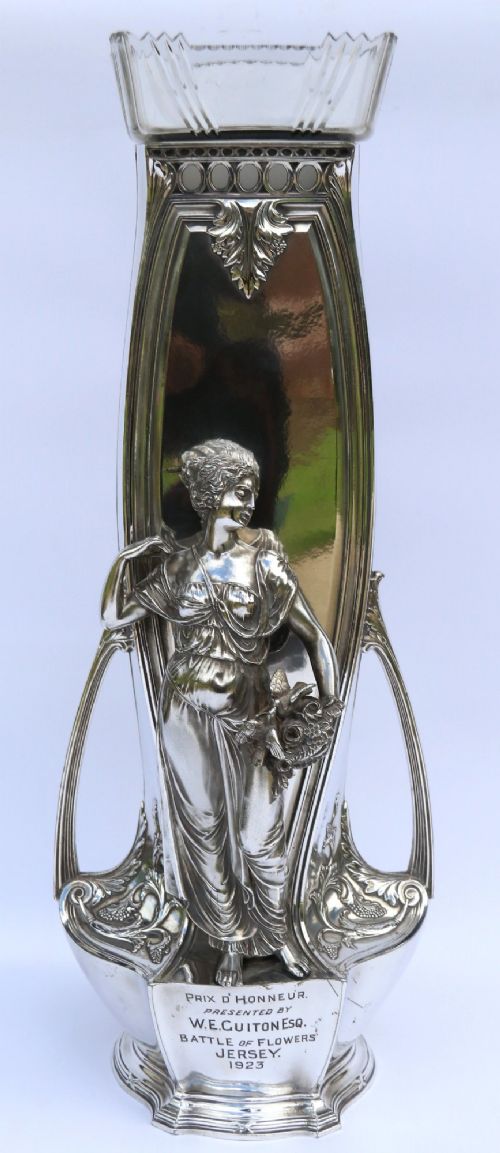
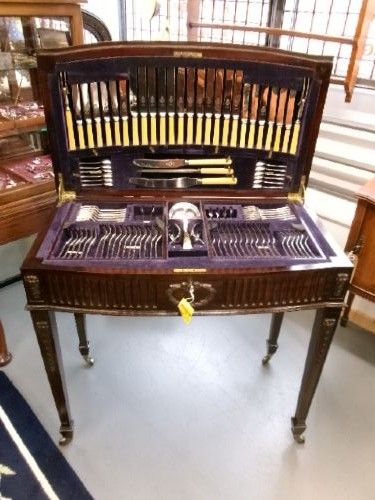
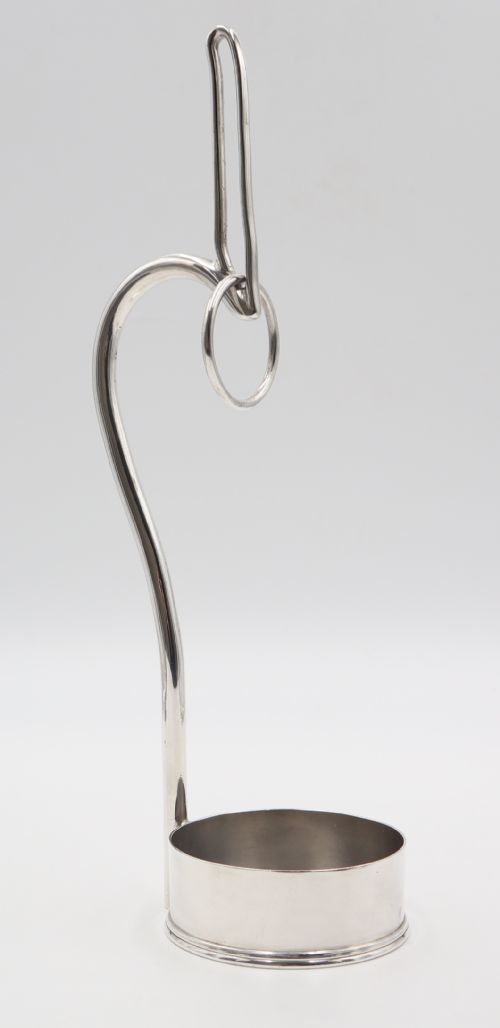
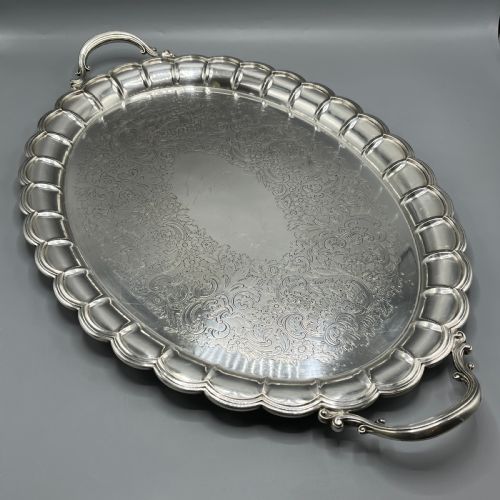
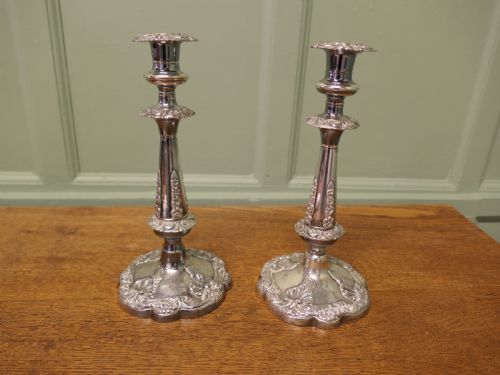
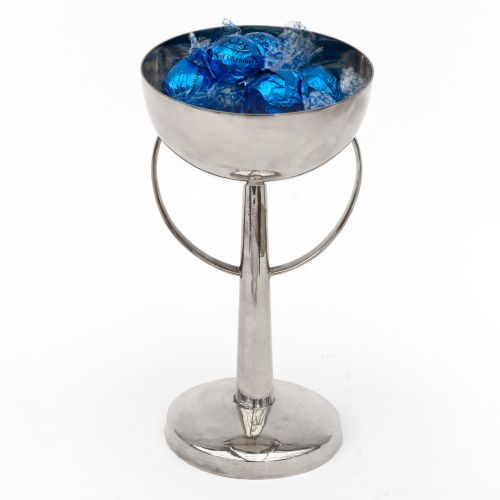
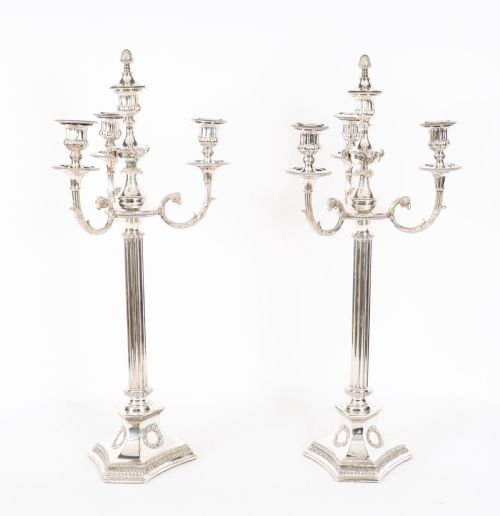
When you search for antique silverplate, you encounter domestic items, tableware and display pieces produced largely during the nineteenth and early twentieth centuries. The selection spans utilitarian canteen sets and toast racks alongside decorative centrepieces, claret jugs and candelabra.
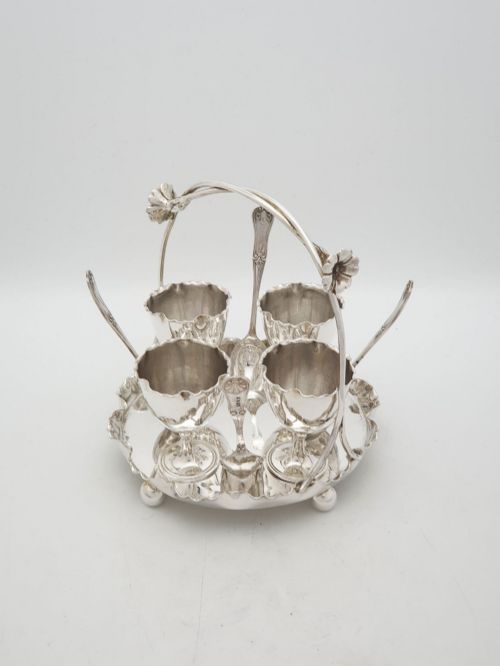
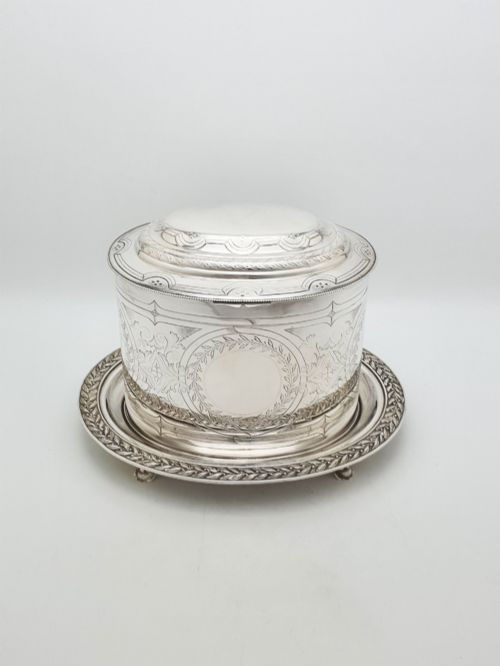
The objects frequently mirror the shifting domestic habits of Victorian and Edwardian households, shifting from formal tea services and biscuit barrels to specialised serveware like lobster crackers and egg warmers. Most examples date from the late nineteenth century through to the interwar Art Deco period.
You meet various forms originating from British and European workshops, encompassing everyday table accessories and grand presentation pieces. The inventory includes vessels combined with glass, wood and base metal components to form complete domestic articles.
Materials and methods of construction
Makers utilised a base metal, frequently electroplated nickel silver or standard metal alloys, coated with a layer of silver via chemical or electrical processes. This technique allowed workshops to produce robust articles with the appearance of solid silver at a lower cost.
Artisans combined the plated metal framework with cut or etched glass inserts, wooden handles and applied decorative cast mounts. Detail work often involved hand engraving, repoussé ornamentation and structural assembly using hidden pins or solder.
Antique Silverplate Retail Price Guide 2026
Typical asking prices for silverplate among the pieces listed under this phrase on Sellingantiques today, from the lower quarter to the upper quarter. They describe what is for sale here now, not the wider market.
Listings feature dining accessories from the 1850s to the 1930s, constructed in silver plate, glass, wood and base metal.
Distinctions in craftsmanship and wear
The depth and uniformity of the silver plating dictate the longevity of the object, as thinner applications wear away to reveal the base metal underneath through heavy use. Superior pieces maintain their reflective coating evenly across intricate crevices and high-contact surfaces.
The crispness of chased or engraved ornament and the weight of the underlying metal structure separate standard commercial production from workshop pieces created by prominent makers. Balanced proportions, secure joints between components and undamaged glass or wood elements elevate the overall standard.
Martin Hall And Co·Christofle·Walker And Hall·Henry Bourne·Mappin And Webb·Smith And Sissons And Co·John Pound And Co·Elkington And Co·WMF
The Antique Silverplate Glossary
- Electroplated nickel silver
- A base metal alloy of copper, nickel and zinc coated with a thin layer of silver through an electrolytic process. This material served as the primary foundation for quality plated wares from the mid-nineteenth century onward.
- EPNS
- An abbreviation commonly stamped onto items to designate electroplated nickel silver. It identifies the metallic composition beneath the silver coating.
- Claret jug
- A pouring vessel featuring a glass body paired with a metal mount, handle, hinged lid and spout. These vessels appeared frequently on Victorian and Edwardian dining tables.
- Épergne
- A large, branching centrepiece featuring multiple detachable baskets, dishes or candle holders. They sat in the middle of formal dining tables for the display of fruit or flowers.
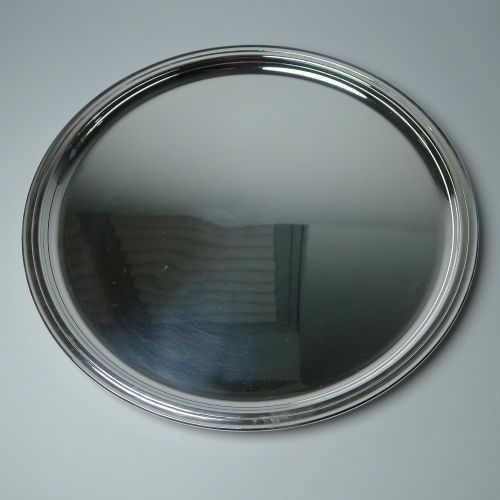
- Salver
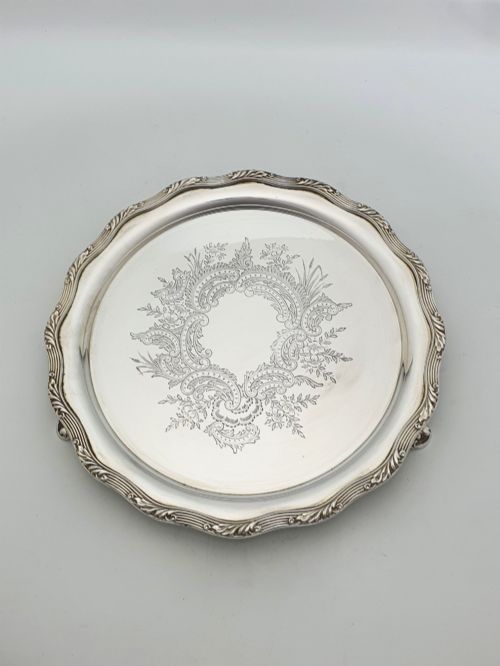
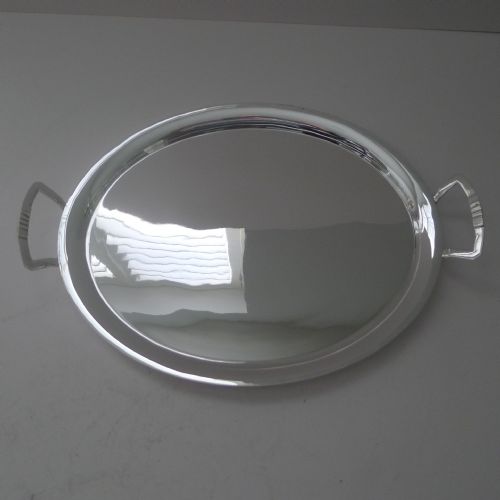
- A flat serving tray, typically raised on small feet or a pedestal base. They were utilised for presenting letters, calling cards or drinks.
- Toast rack
- A small tabletop frame featuring vertical dividers designed to hold slices of toast upright. These dining accessories emerged in various geometric and ornate wirework configurations.
Antique Silverplate: Frequently Asked Questions
How do I clean antique silverplate?
Maintenance requires gentle washing with warm soapy water and a soft cloth to remove dust and oils without abrading the surface. Avoid harsh chemical dips that strip the remaining silver layer.
Dry the item thoroughly with a soft lint-free towel to prevent water spots. Store pieces in a dry environment away from direct sunlight to minimise tarnishing.
Is silverplate safe for food use?
Many items, such as tea sets, salvers and biscuit barrels, served food and drink historically and remain suitable for serving dry or neutral items. Assess the condition of the interior plating to ensure the base metal is not exposed.
Avoid storing acidic foods or liquids in plated vessels for extended periods. Hand wash all items promptly after use rather than placing them in automatic dishwashers.
How do I date an antique silverplated item?
Dating relies on maker marks, patent stamps and stylistic indicators like Victorian Rococo Revival curves or Art Deco geometric lines. Reference numbers and manufacturer symbols often correspond to specific operational decades.
The weight of the piece, the construction techniques used for handles and hinges, and accompanying materials such as etched glass also offer chronological clues.
What does base metal mean?
Base metal refers to the non-precious underlying alloy, such as copper, brass or nickel silver, that forms the structural body of the object. This material provides strength and rigidity before the exterior silver layer is applied.
When the silver coating wears away through decades of polishing and handling, the darker base metal becomes visible beneath.