
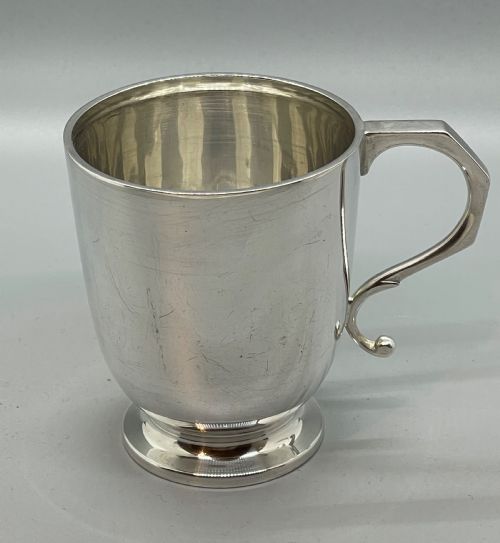
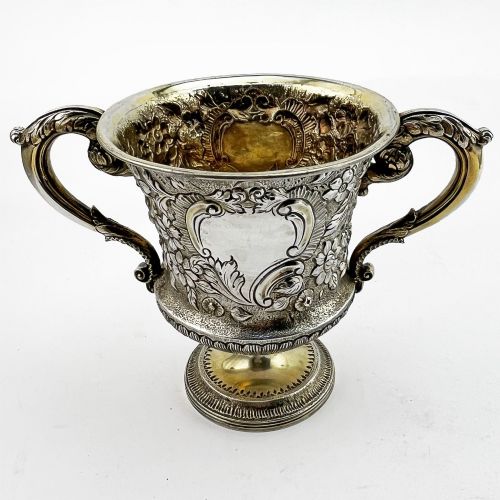
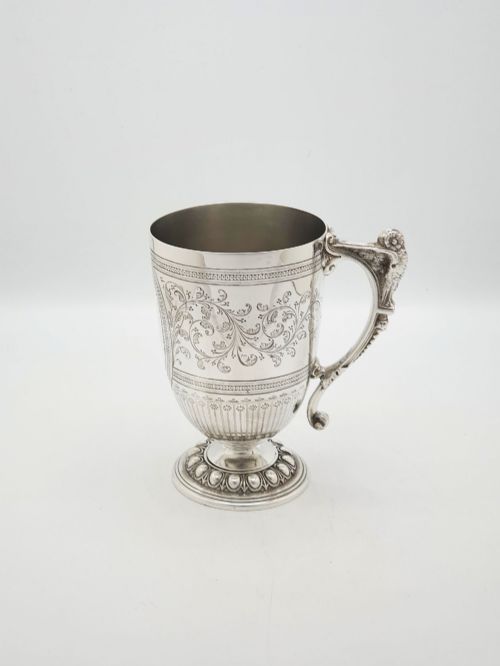
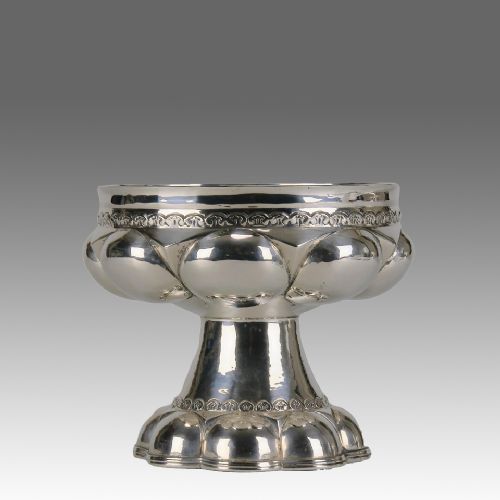

Antique Silvered Goblets
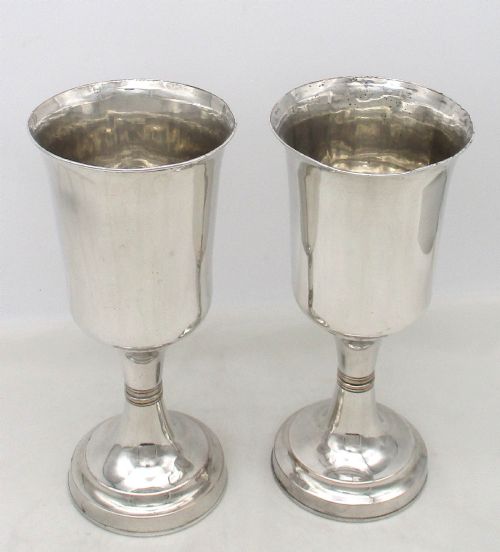
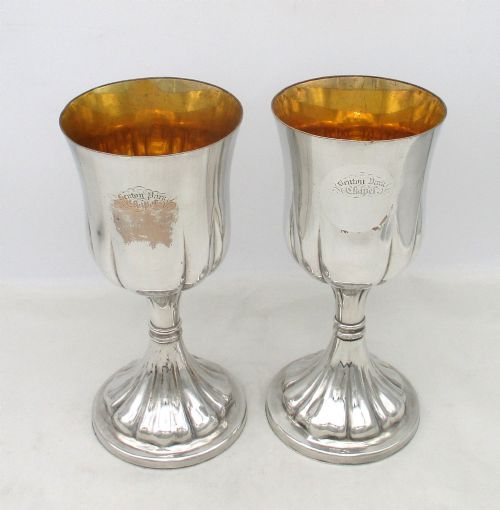
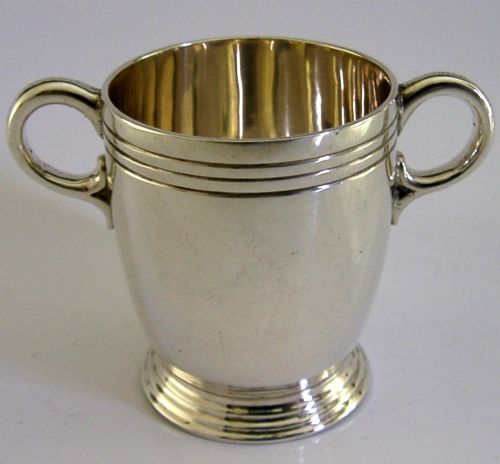
Antique silvered goblets span centuries of drinking vessels, from Old Sheffield plate church chalices to Art Deco sterling cocktail cups.
Antique Silvered Goblets
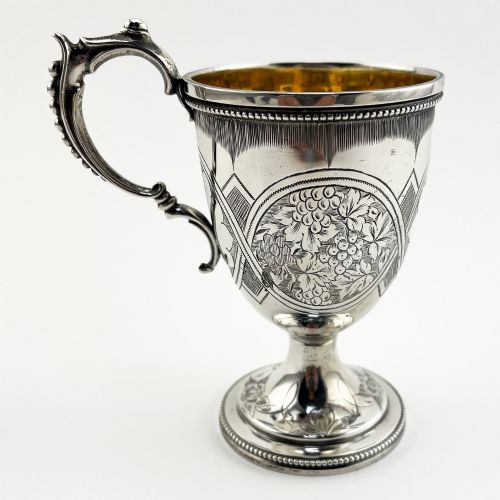
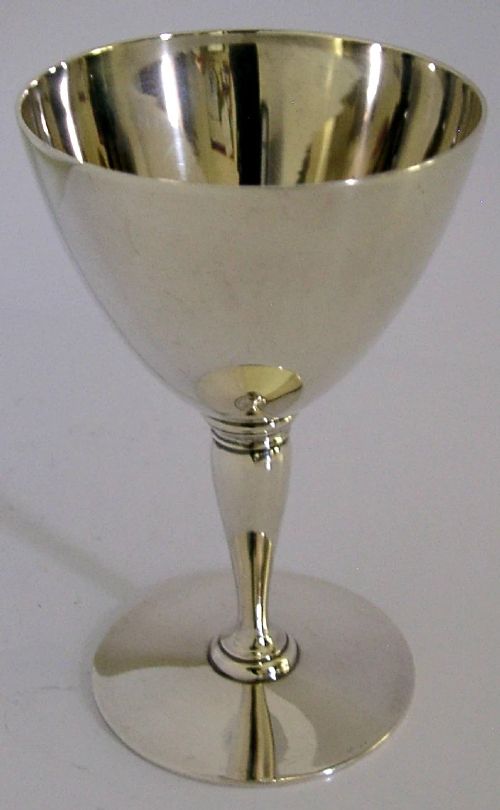
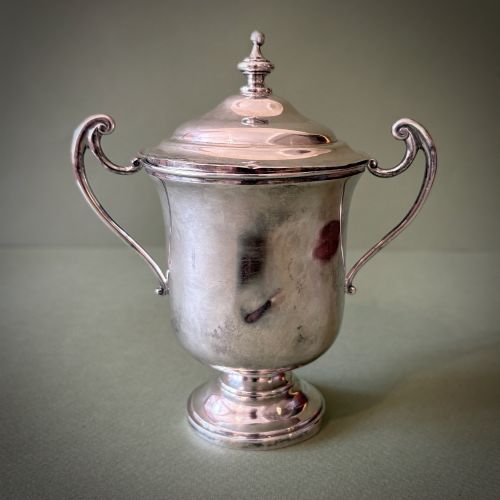
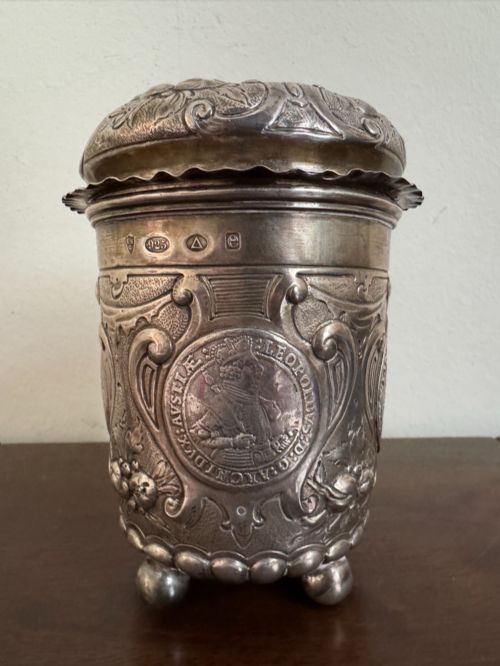
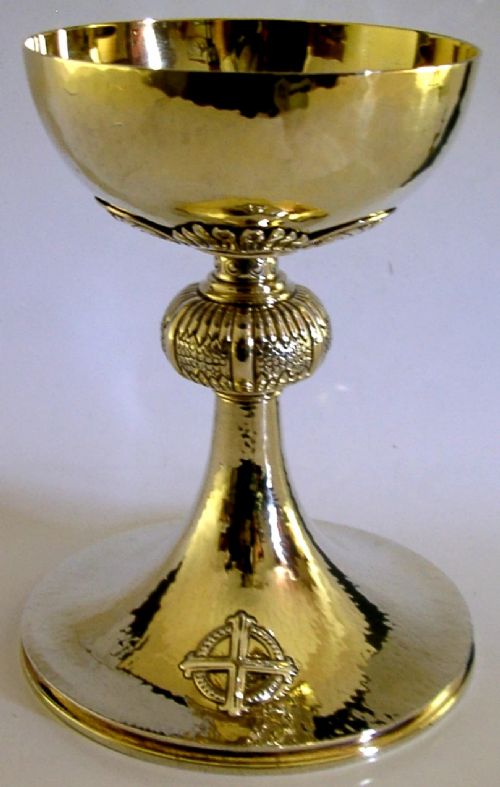
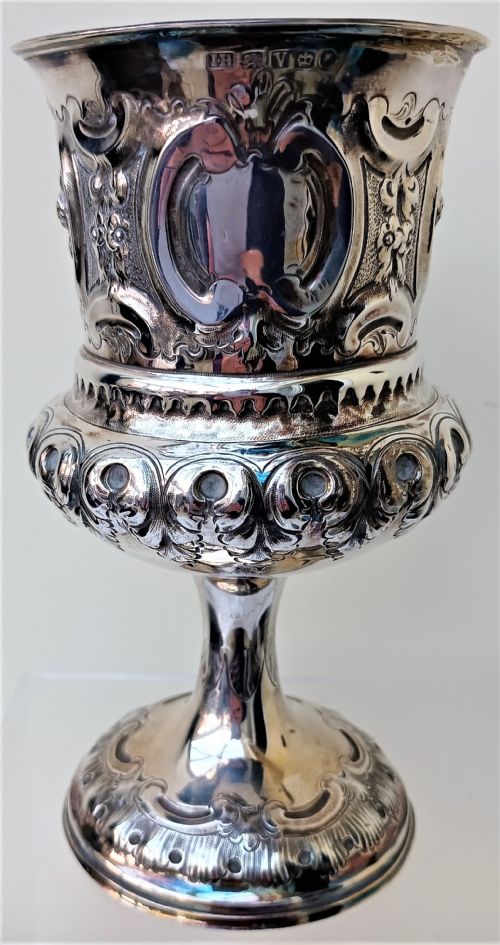
Antique silvered goblets encompass drinking vessels, chalices, beakers, and presentation cups produced across the eighteenth, nineteenth, and early twentieth centuries. These forms serve ritual, civic, and domestic functions, shifting from church communion vessels to secular barware and christening mugs.
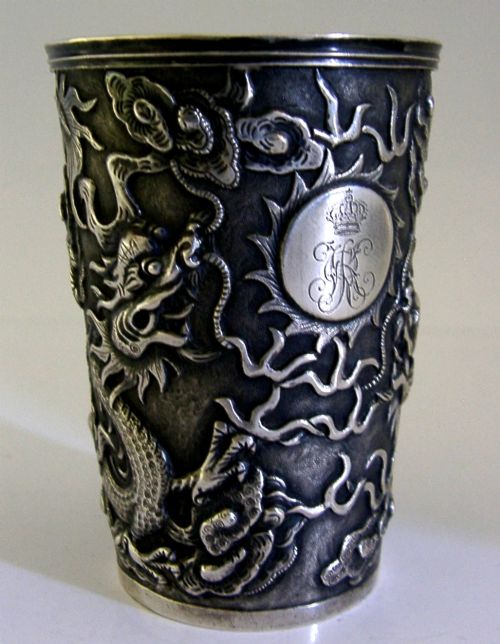
The selection here draws heavily upon Victorian and Georgian sterling silver, alongside Old Sheffield plate and twentieth-century silver-plated items. Buyers encounter everything from Chinese export silver beakers to heavy pewter chalices dating back to seventeen fifty.
How they were made
Silversmiths utilised sterling silver, silver plate, and Old Sheffield plate, fusing copper and silver layers under heat. Manufacturers also worked with pewter, gilt, and silver gilt to finish vessel interiors and exterior details.
Techniques range from electrotyping and parcel gilding to hammering arts and crafts designs and casting intricate components like owl handles. Makers incorporated applied crests, engraved cypheirs, and coin insets into the body of the cup.
An antique silvered goblet might double as a novelty pin cushion or conceal an inquisitive owl peering from the handle.
What varies in quality
The calibre of a goblet rests upon the weight of the metal, the crispness of chased or engraved ornament, and the integrity of the underlying structure. Heavy sterling specimens and well-preserved Old Sheffield plate demonstrate superior craftsmanship compared to thinner, utilitarian plated wares.
Maker attribution and provenance elevate certain pieces, particularly signed works from recognised workshops or specialised export silver. The finesse of the handle attachment, balance of the vase-shaped body, and survival of original parcel gilding distinguish higher tier examples.
Nathan and Hayes·Henry Bourne·Richard Morton·George Unite·Wang Hing and Co·John Hunt and Robert Roskell·Elkington Mason
The Antique Silvered Goblets Glossary
- Old Sheffield Plate
- A composite material made by fusing a sheet of silver to a thicker copper base, common in eighteenth and nineteenth-century tableware.
- Chalices
- Large ritual cups, frequently used in church communion services and rendered in silver plate or pewter.
- Parcel Gilt
- Silver objects that feature partial gilding, usually applied to the interior bowl of a goblet or cup.
- Electrotype
- A replica or object produced by electroplating copper onto a mould, then silver-plating the resulting form.
- Campana
- A bell-shaped cup or vessel style popular during the Georgian period.
- Kiddush Cup
- A ritual goblet used in Jewish households for sanctifying the Sabbath and festivals.
Antique Silvered Goblets: Frequently Asked Questions
What is the difference between a goblet and a chalice?
Chalices generally refer to ritual or ecclesiastical drinking vessels, often possessing a heavier stem and a more formal church provenance. Goblets serve broader secular dining, presentation, and commemorative functions.
While both share a stemmed cup format, listings distinguish church chalices from secular presentation cups, trophies, and cocktail glasses through their original context of use.
How do I identify Old Sheffield plate?
Old Sheffield plate involves fusing silver to a copper core before fabrication, which often reveals subtle copper bleeding along seams or edges where the outer layer has worn thin. This method precedes nineteenth-century electroplating techniques.
Pieces from this category typically date from the eighteenth to the mid-nineteenth century and carry a distinct weight and warmth compared to solid sterling.
Were these goblets used for drinking?
Many vessels served practical functions at the table, while others functioned as christening mugs, rowing trophies, or presentation pieces intended for display. Wager cups and novelty pin cushions served entirely decorative or game-related purposes.
Buyers should examine the interior gilding and capacity of each piece to determine whether it was designed for actual consumption or formal commemoration.
How can I date an antique silver cup?
British sterling pieces usually carry hallmark stamps indicating the assay office, date letter, and maker's mark. Unmarked items, foreign silver, and plated wares rely on stylistic indicators like Georgian vase shapes, Victorian engraving, or Art Deco geometric lines.
Comparative analysis of manufacturing techniques, such as electrotyping or fusion plating, helps narrow down the period of production.