

Antique Silvered Fruit Bowl
An antique silvered fruit bowl brings the rich detail of Victorian, Edwardian, and Art Nouveau dining tables into a modern interior.
Antique Silvered Fruit Bowl
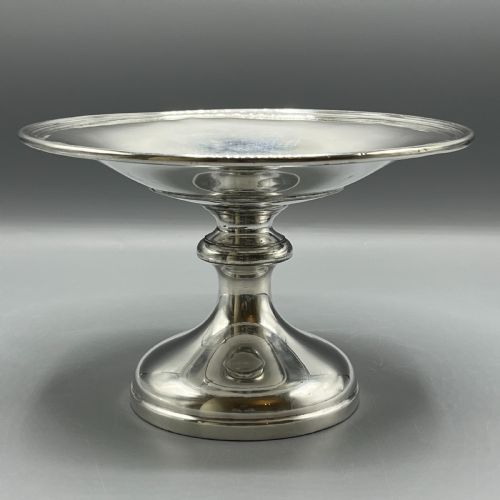
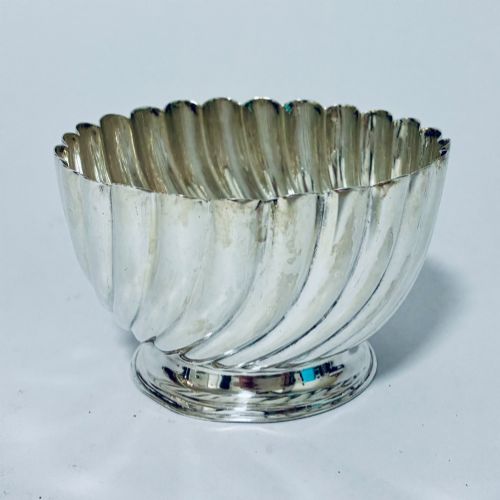
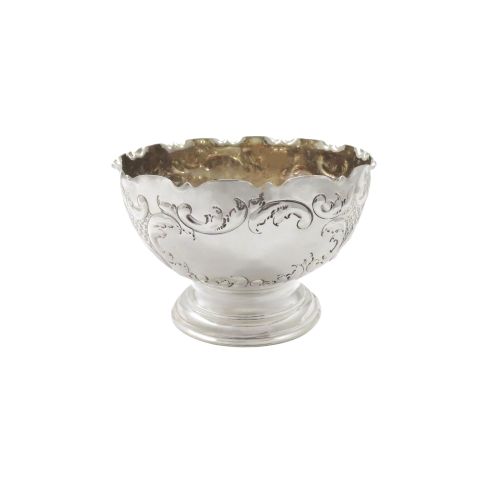
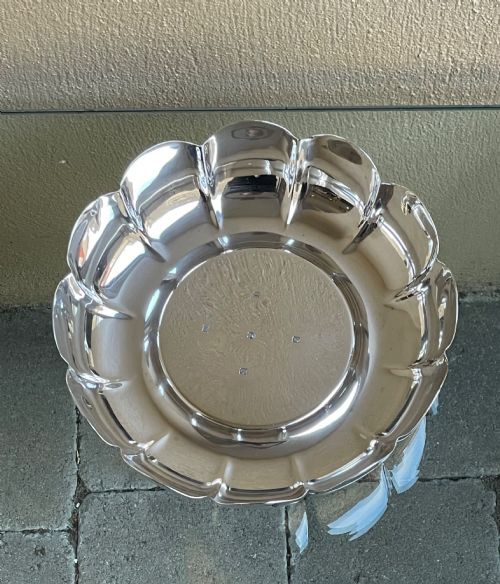
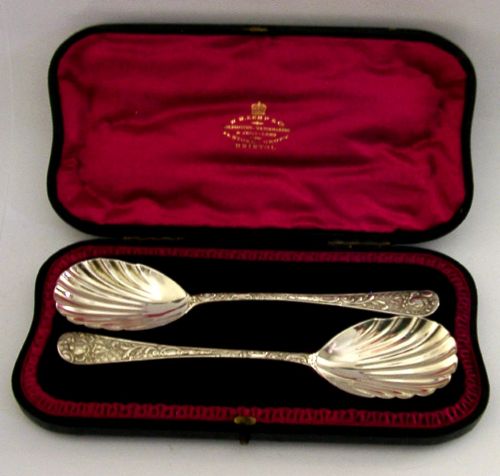
An antique silvered fruit bowl encompasses a variety of centrepieces, baskets, tazzas, and footed bowls designed to hold fruit or anchor a table arrangement. These pieces emerge from the mid 19th century through the Edwardian period and into the 1930s, spanning Victorian, Georgian, Art Nouveau, Arts and Crafts, and Art Deco styles.
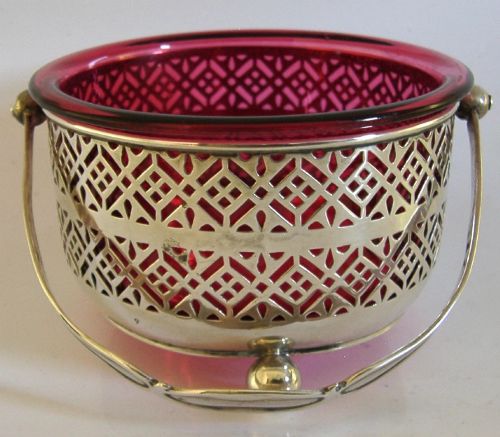
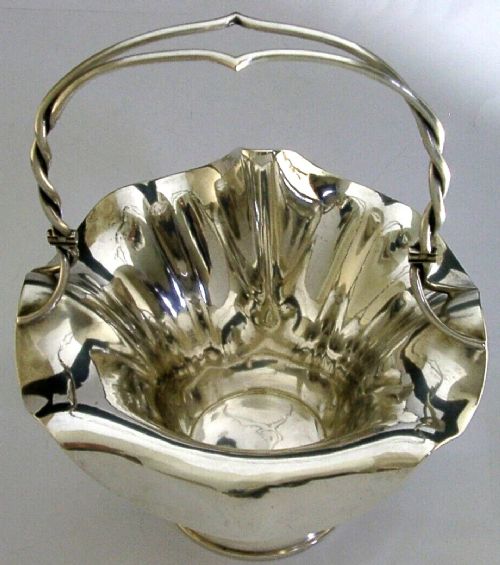
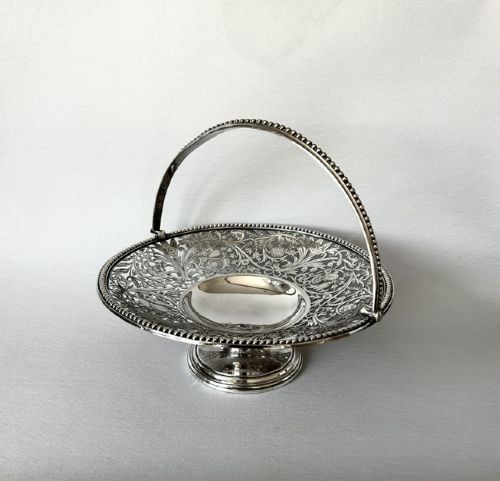
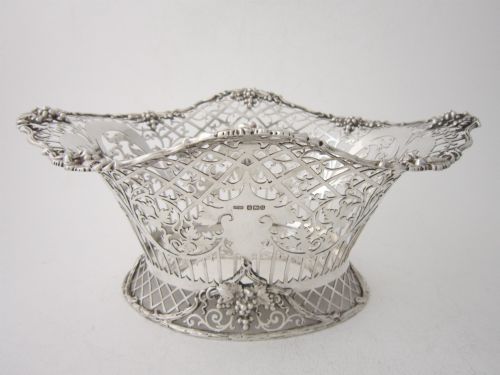
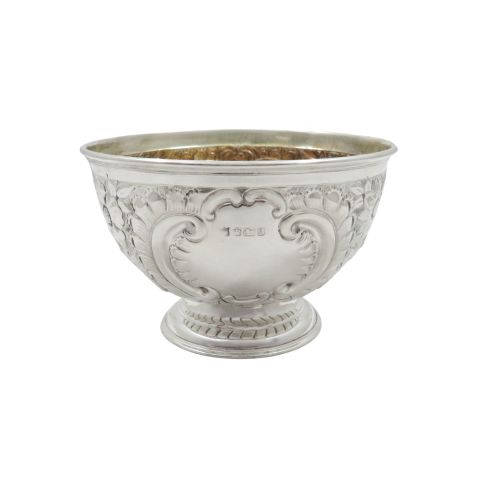
The version most commonly met on this page is the silver plated or sterling silver fruit basket or decorative bowl, often featuring swing handles, pierced rims, or repoussé floral work. Pieces span diverse origins, including English workshops, Scottish makers, Anglo-Indian silversmiths, and continental makers utilising silvered bronze or mixed metals.
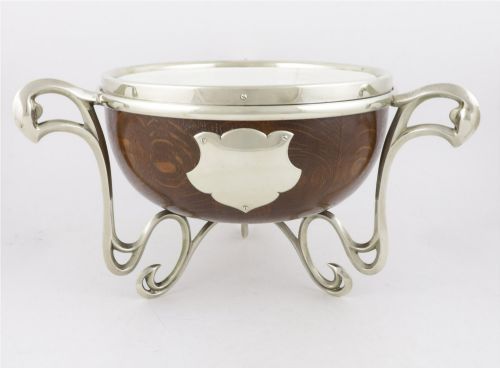
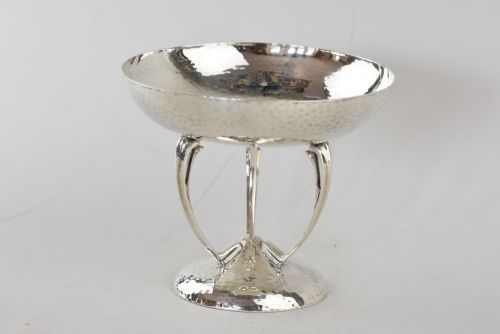
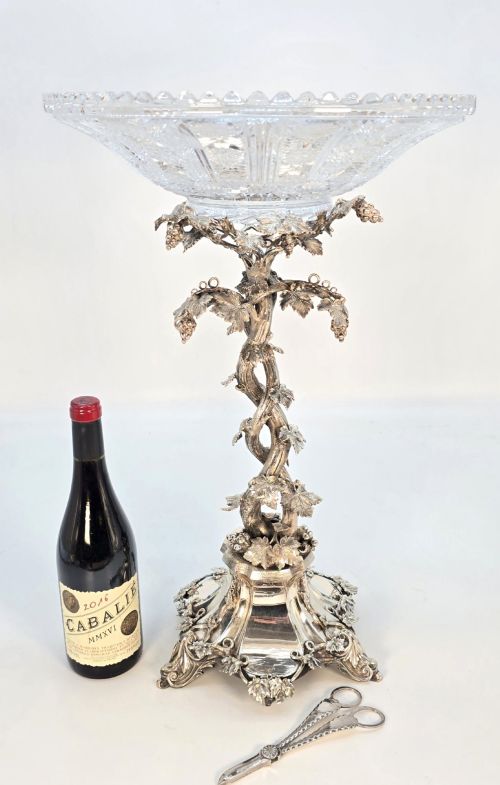
Beyond standard baskets, the selection includes related table forms such as pedestal dishes, tazzas, and centrepieces combining silver or silver plate with cut glass, cranberry glass, ceramic, or oak.
Materials and Techniques
The construction of these vessels relies on sterling silver, solid silver, and silver plate, alongside older methods such as Old Sheffield plating on a copper base. Makers also employed electroplated nickel silver and silvered bronze to achieve a bright metallic finish.
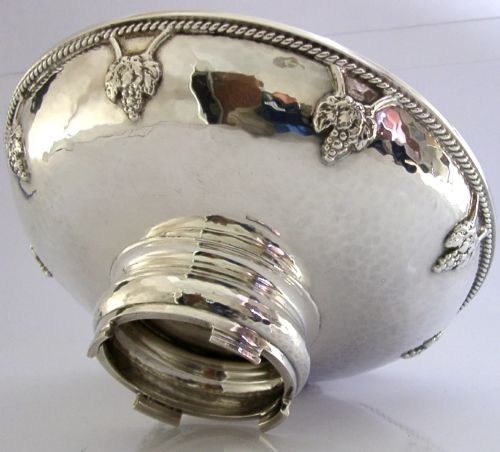
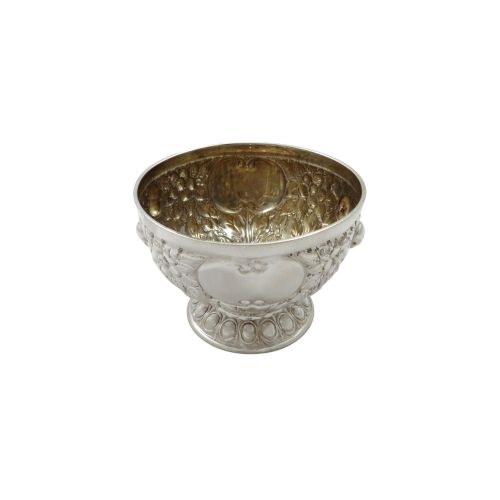
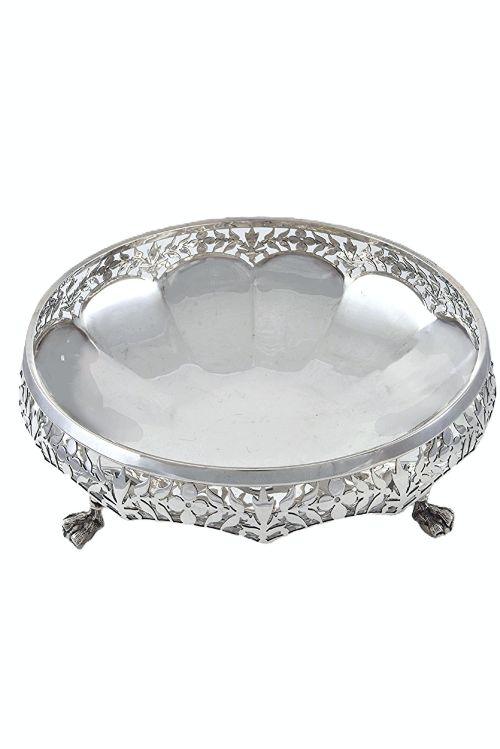
Decorative surfaces display hammered planished textures, detailed repoussé floral rims, pierced lattice patterns, and engraved crests. Many items incorporate contrasting materials, pairing silvered metal with crystal, cranberry glass, green vaseline glass, ceramic inserts, or oak bases.
Antique Silvered Fruit Bowl Retail Price Guide 2026
Typical asking prices for silvered fruit bowl among the pieces listed under this phrase on Sellingantiques today, from the lower quarter to the upper quarter. They describe what is for sale here now, not the wider market.
Materials represented include sterling silver, silver plate, Old Sheffield plate, silvered bronze, pewter, crystal, glass, ceramic, and oak.
Distinctions in Execution
The quality of a bowl or basket rests upon the crispness of its hand-wrought details, such as deep repoussé chasing, clean piercing, and the weight of the metal utilised in its construction. Substantial gauge silver and robust silver plate on copper provide structural integrity that lighter items lack.
The integration of secondary materials defines the calibre of a centrepiece, where flawless cut glass, genuine vaseline glass, or fitted ceramic liners elevate the piece. Maker attribution and registered design numbers further distinguish standard production items from distinguished studio or firm output.
Goldsmiths and Silversmiths Company London·Hamilton and Inches Edinburgh·George W. Scott and Sons Ltd·Liberty and Co·Mappin and Webb·Charles Boyton·Walker and Hall·Thomas Bradbury
The Antique Silvered Fruit Bowl Glossary
- Sterling silver
- An alloy consisting of 92.5 percent silver by mass, with the remainder composed of copper or other metals to provide durability.
- Silver plate
- A layer of silver applied to a base metal core, such as copper or nickel silver, through chemical or electrochemical processes.
- Old Sheffield plate
- An early form of plating created by fusing a thin sheet of sterling silver to a thicker copper ingot before rolling them into sheets.
- Repoussé
- A metalworking technique where the artisan hammers the design from the reverse side to form a raised pattern on the front.
- Tazza
- A shallow saucer-shaped ornamental vessel resting on a stem and foot, frequently utilised as a fruit dish or centrepiece.
Antique Silvered Fruit Bowl: Frequently Asked Questions
How were silvered fruit bowls used?
These bowls were placed at the centre of dining tables to display fresh fruit, flowers, or decorative objects during formal meals and gatherings.
Larger centrepieces and baskets with fixed or swing handles were also utilised for presentation and serving purposes within domestic settings.
How do I care for a silvered bowl?
Care involves gentle cleaning with a soft cloth to preserve the silver or silver plate surface without abrasive polishes that strip thin metal layers.
When fitted with glass or ceramic inserts, remove the inner vessel for washing to prevent moisture from trapping against the metal base.
How can I tell Victorian bowls apart?
Victorian bowls often feature heavy floral repoussé work, neo-classical scroll motifs, or elaborate pierced patterns executed in silver plate or sterling silver.
Examinations of hallmarks, stamped maker marks, and associated mounting styles help differentiate mid 19th century pieces from later Edwardian or Art Nouveau examples.