




Antique Wmf Dish
An antique wmf dish brings domestic metalwork and glass from the late nineteenth and early twentieth centuries straight to the table.
Antique Wmf Dish
When someone searches for an antique wmf dish, they encounter items produced by the Württembergische Metallwarenfabrik in Germany during the Victorian, Art Nouveau, Jugendstil, and Art Deco periods. These domestic objects range from card trays and pen trays to complex centrepieces and fruit stands.
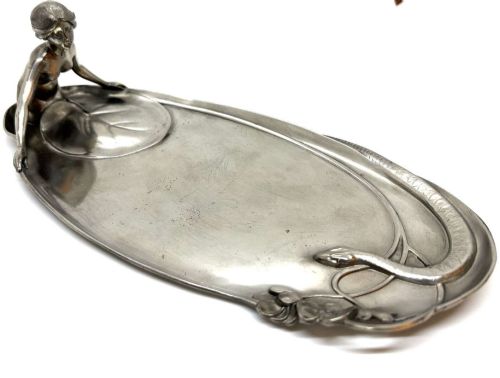
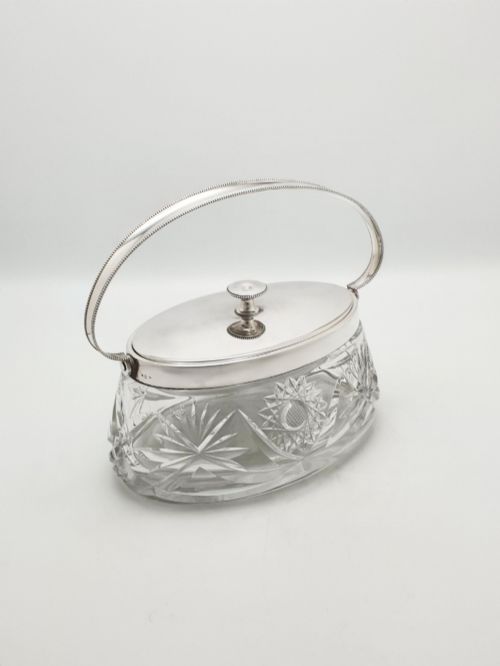
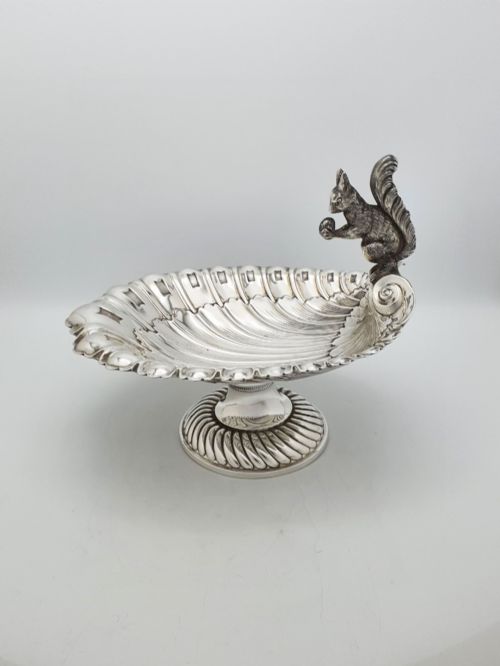
The version most commonly met on this page is the Art Nouveau silver-plated or pewter vessel incorporating cut glass, ruby glass, or green vaseline glass inserts. They appear as swing-handled baskets, nut dishes featuring squirrels, and figural card trays depicting maidens and serpents.
Forms extend to biscuit barrels, hors d'oeuvres dishes with original glass liners, waterfalls with glass dishes, and wall plaques. Dating stretches from the late nineteenth century through to the 1920s, capturing the transition from ornate Victorian design into sleek Art Deco lines.
Materials and construction methods
Production relied heavily on base metals such as Britannia metal and pewter, alongside silver plating applied over a supportive substrate. Silversmiths and metalworkers shaped these ductile alloys through casting, stamping, and hand-finishing to achieve intricate relief details.
Blown and cut glass formed an integral component, seen in green vaseline glass, ruby glass, and clear crystal liners designed to fit precisely within the metal mounts. The combination of patinated pewter or bright silver plate with translucent coloured glass defined the aesthetic of the period.
Antique Wmf Dish Retail Price Guide 2026
Typical asking prices for wmf dish among the pieces listed under this phrase on Sellingantiques today, from the lower quarter to the upper quarter. They describe what is for sale here now, not the wider market.
Several pieces feature hardworking squirrels clutching nuts, reminding us that early twentieth-century dining tables took their inspiration straight from the woodland floor.
Distinguishing quality across the range
Quality depends upon the crispness of the cast figures and the depth of the relief work, particularly on figural pieces depicting maidens, serpents, or animals. Sharp detailing in the hair, drapery, and naturalistic elements separates superior items from softer, more mass-produced castings.
The presence of original glass components - such as coloured vaseline glass inserts, ruby glass bowls, or fitted crystal liners - substantially elevates an object's integrity. Furthermore, the retention of the original silver plating or the development of an appealing, undisturbed pewter patina dictates the visual success of the piece.
WMF
The Antique Wmf Dish Glossary
- Britannia metal
- A tin-based alloy used as a base metal for silver plating. It provided a durable and smooth surface for decorative domestic metalware.
- Jugendstil
- The German manifestation of Art Nouveau, prominent around nineteen hundred. It emphasised organic plant motifs and flowing, linear forms.
- Vaseline glass
- Uranium glass that exhibits a distinct yellow-green fluorescence under ultraviolet light. It was frequently used for bowls and inserts in centrepieces.
- Tazza
- An ornamental cup or shallow vessel raised on a stem and foot. These served decorative functions on tables and sideboards.
- Centrepiece
- A large, elaborate decorative object placed in the middle of a dining table. They often combined figural metal stands with glass bowls or flower holders.
Antique Wmf Dish: Frequently Asked Questions
What is an antique wmf dish?
An antique wmf dish is a metal and glass domestic item produced by the German manufacturer Württembergische Metallwarenfabrik. These pieces span from the late nineteenth century into the nineteen twenties and encompass various dining and decorative accessories.
Most examples reflect the Art Nouveau and Jugendstil movements, combining silver-plated metal or pewter with cut or coloured glass inserts.
How were these dishes used?
These vessels served practical dining and domestic functions in European households. Specific forms held biscuits, nuts, hors d'oeuvres, or fruit during meals.
Others functioned as decorative desk accessories, card trays in hallways, or large table centrepieces displaying flowers and fruit.
How do I identify Art Nouveau pieces?
Art Nouveau items display characteristic organic motifs, including flowing plant stems, stylised flowers, and figural maidens with long hair. The lines are curved and asymmetrical, avoiding rigid geometric symmetry.
Makers utilised pewter and silver plate to capture these fluid, sculptural designs during the late nineteenth and early twentieth centuries.
What metals did WMF use?
Production primarily involved silver plate over base metals, standard pewter, and Britannia metal. Britannia metal provided a stable, silvery alloy suitable for intricate casting and subsequent plating.
Pewter was also left unplated to develop a dark, matte finish that highlighted the sculptural relief work of figural trays and stands.
Are the glass inserts original?
Original glass inserts were mouth-blown or pressed to fit the exact contours of the metal frames and baskets. They appear in colours such as green vaseline and ruby, as well as clear cut glass.
Matching the specific dimensions and rim shape to the metal mount helps confirm authenticity and originality.