



Antique Silver Vegetable Server
An antique silver vegetable server brings heavy metal presence and traditional elegance directly to the dining table.
Antique Silver Vegetable Server
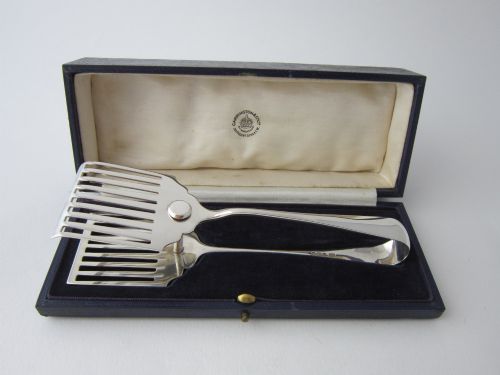
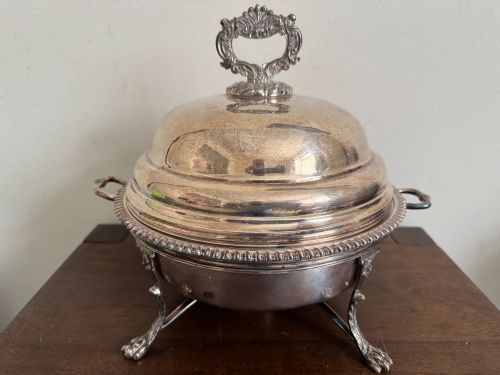
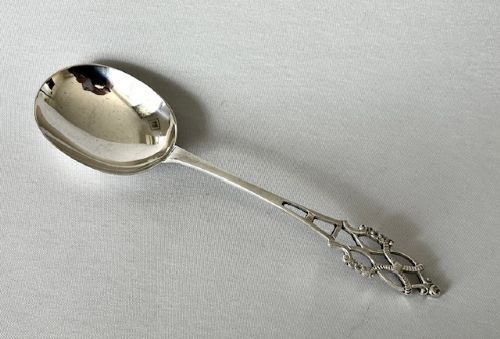
When searching for an antique silver vegetable server, buyers examine an array of domestic dining wares designed for formal presentation. The selection spans distinct forms including entree dishes, tureens, serving spoons, asparagus tongs, and complete serving sets with stands.
The pieces originating across the nineteenth and twentieth centuries reflect prevailing domestic tastes from Victorian elaboration to Edwardian refinement and Art Deco geometry. Domestic dining customs required dedicated vessels to keep side dishes warm and accessible during large family meals.
Makers responded to these dining rituals by producing lidded dishes, sauce tureens, and specialised servers suited to particular vegetables like asparagus. Most examples encountered in this category employ durable base metals coated in precious silver rather than solid precious metal.
Materials and construction methods
Silversmiths and manufacturers utilised sterling silver alongside base metals finished with protective silver coatings. Electroplated nickel silver and Sheffield plate appear frequently across the inventory, providing the visual brilliance of solid silver at a different cost of production.
Techniques involved fusing thin sheets of silver onto copper foundations in earlier Sheffield plate pieces, or depositing silver electrolytically onto nickel silver blanks in later items. Workshops applied cast handles and decorative borders separately, soldering or riveting them securely to the main bodies of dishes and tureens.
Antique Silver Vegetable Server Retail Price Guide 2026
Typical asking prices for silver vegetable server among the pieces listed under this phrase on Sellingantiques today, from the lower quarter to the upper quarter. They describe what is for sale here now, not the wider market.
Asparagus tongs remind us that Victorian dining required a specific tool for every conceivable vegetable on the plate.
Distinctions in standard and execution
Quality reveals itself in the crispness of applied cast borders and the weight of the metal utilised in the body. Superior pieces maintain substantial thickness that resists denting and retains heat effectively during service.
The integrity of the silver plating distinguishes standard production from finer workshop output, alongside the retention of original components like inner partitions, matching covers, and stands. Maker marks provide a further indication of workshop pedigree and standard adherence.
Mappin and Webb·Matthew Linwood·William Hutton and Sons·Walker and Hall·Christofle / Gallia
The Antique Silver Vegetable Server Glossary
- Silver Plate
- Base metal coated with a thin layer of silver. This technique allowed wider access to decorative tableware during the nineteenth century.
- Entree Dish
- A lidded serving vessel used for side dishes or main courses at the dining table. These often feature removable handles for versatile arrangement.
- Sheffield Plate
- An early method of fusing a sheet of silver to a copper ingot before rolling. This produces a distinctive material where copper occasionally shows through wear.
- EPNS
- Electroplated Nickel Silver. A durable base alloy coated with silver via an electrical bath, common in items from the late Victorian period onward.
- Tureen
- A deep covered bowl designed for serving soups, vegetables, or sauces. They frequently rest upon matching stands to protect table surfaces.
Antique Silver Vegetable Server: Frequently Asked Questions
How do I clean an antique silver vegetable server?
Clean these items using a gentle silver polish applied with a soft cloth to avoid removing thin plating layers. Wash away residues in warm soapy water and dry thoroughly immediately after.
Avoid harsh chemical dips, particularly on plated items where abrasive agents might expose the base metal beneath. Regular dusting helps maintain the surface without aggressive intervention.
Can I use these servers for daily dining?
Many buyers incorporate these historic vessels into modern meal service for special dinners and gatherings. Their robust construction suits actual food presentation just as well as display.
Hand washing remains essential to preserve the silver surface and prevent damage from automated dishwashing detergents. Proper care ensures these utilitarian objects continue functioning for years.
What is the difference between sterling and plated versions?
Sterling silver contains a legally regulated high purity of solid precious metal throughout the entire object. Plated items consist of a less expensive base metal like copper or nickel silver covered by an outer layer of pure silver.
Solid silver pieces carry hallmarks indicating assay office and standard, while plated pieces display maker marks denoting the plating technique used.
How do I date an antique entree dish?
Dating relies upon stylistic markers such as Victorian scrollwork, Edwardian symmetry, or Art Deco linear forms. Hallmarks on sterling items provide exact assay years through associated date letters.
Maker marks and manufacturing methods also assist in establishing a reliable timeframe when official hallmarks are absent on plated wares.