
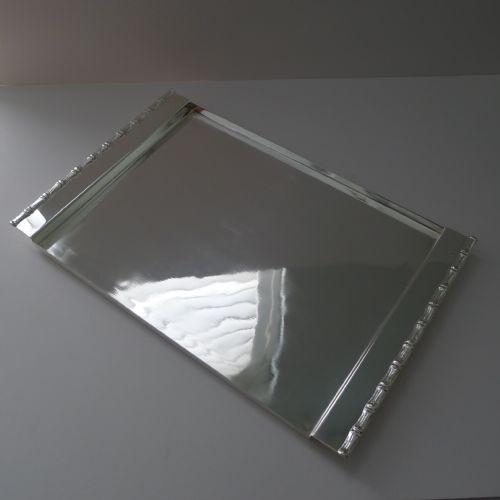
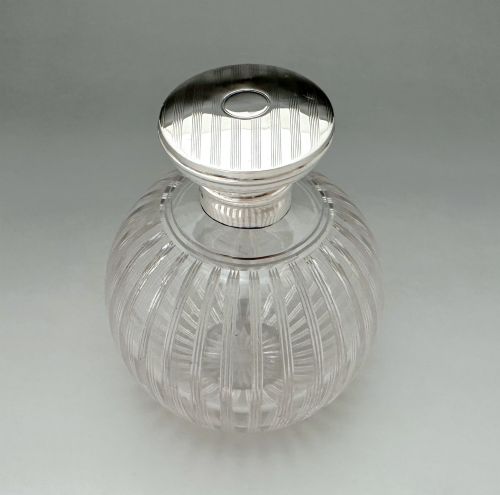
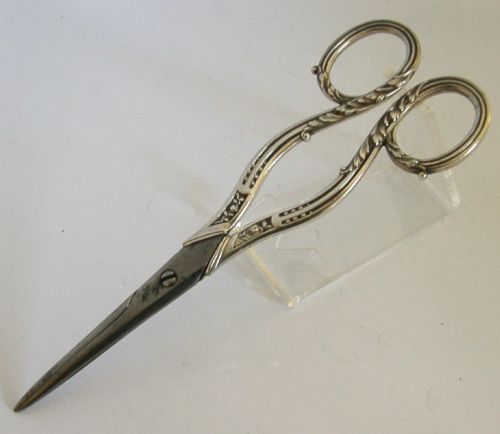
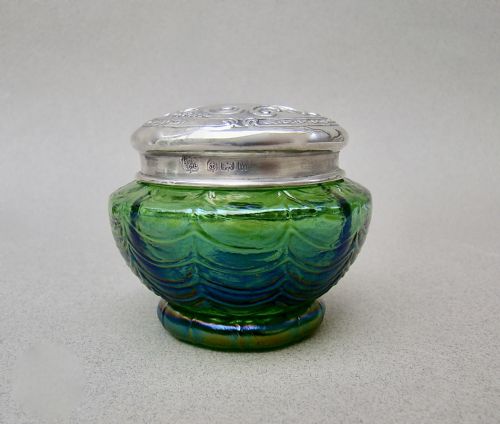

Antique Silver Vanity
Antique silver vanity items bring dressing table elegance to life through sterling mounts, cut glass and enamelled jars.
Antique Silver Vanity
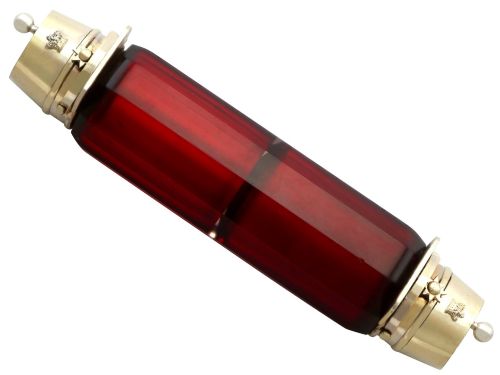
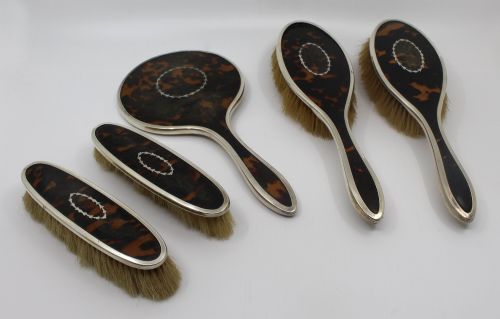
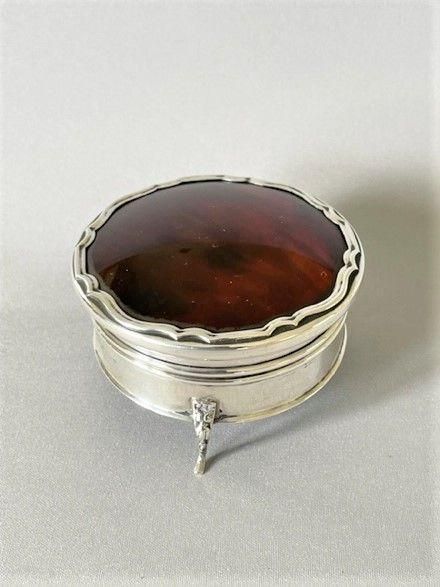
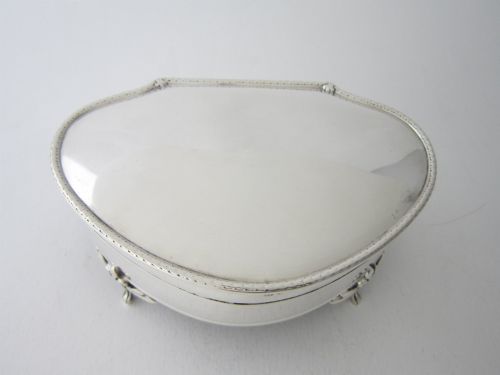
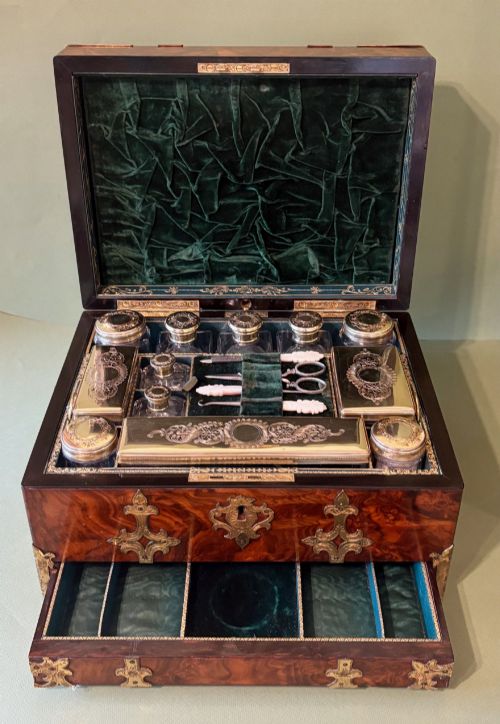
An antique silver vanity collection comprises dressing table accessories, scent bottles, trinket boxes and jars designed for personal grooming. These pieces span the Victorian, Edwardian and Art Deco periods, showcasing intricate craftsmanship on dressing tables of the past.
Buyers will encounter containers incorporating tortoiseshell, mother of pearl and coloured glass alongside solid silver trays and mirrors. Every piece reflects the domestic rituals of the nineteenth and early twentieth centuries.
How They Were Made
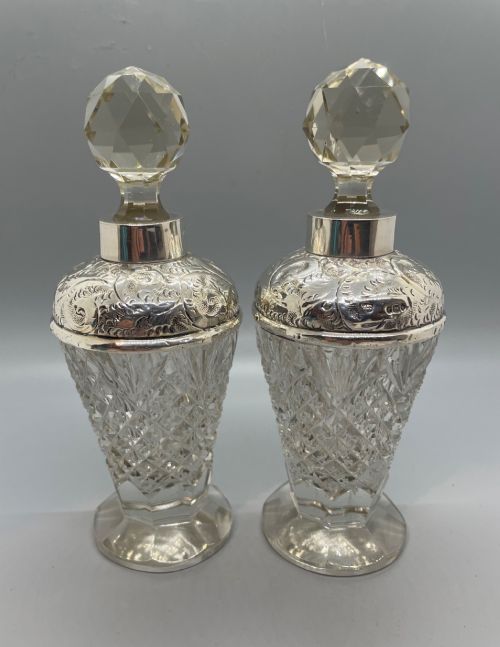
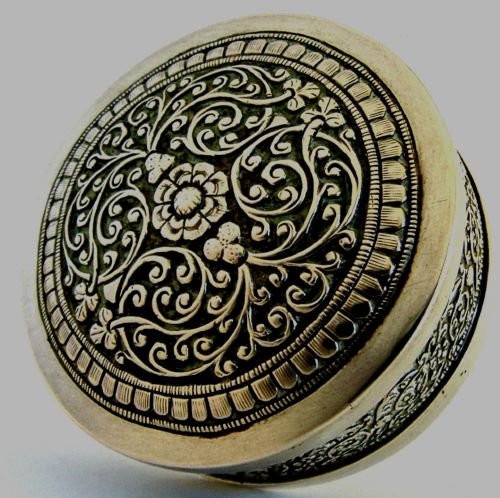
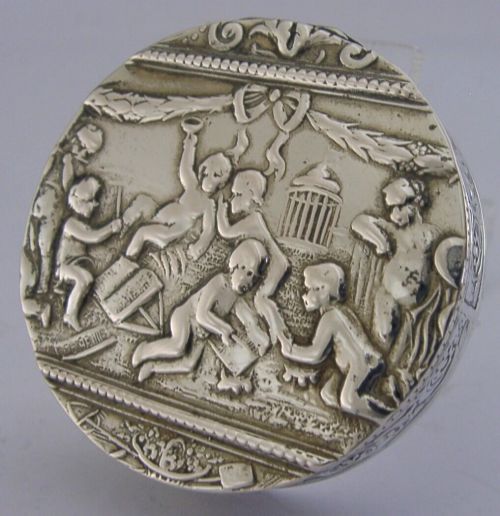
Silversmiths utilised sterling silver and silver plate for mounts, lids and frames, often shaping them through repoussé work, piercing and hand engraving. Glass bodies were frequently mouth-blown, cut, sliced or cased in coloured layers like ruby, opal and bohemian overlay.
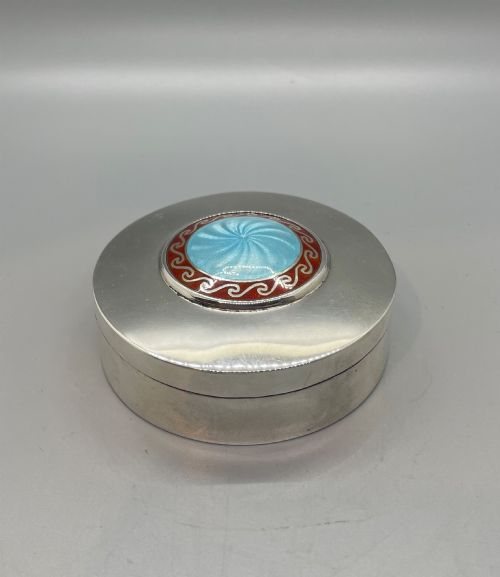
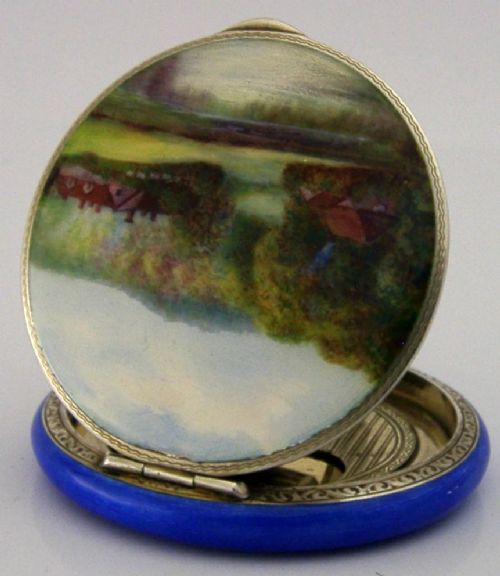
Surface decoration frequently relied on guilloché enamel, hand-painted miniatures and inlaid tortoiseshell secured beneath silver bezels. Artisans combined these fragile materials with robust metal alloys to withstand daily use on dressing tables.
What Varies In Quality
The distinction between ordinary and exceptional pieces rests on the crispness of the silversmith's stamp, the depth of repoussé detailing and the integrity of applied enamel. Heavy-gauge sterling silver and flawless crystal or cut glass elevate an object far above thin plating and plain moulded glass.
Makers known for supplying high-end retailers produce items with superior hinges, perfectly fitted lids and intricate internal gilding. The presence of undamaged hand-painted scenes or unblemished tortoiseshell similarly marks out the superior examples in any collection.
A. J. Pepper & Co·The Boots Company·Horton & Allday·Ollivant & Botsford·Henry Clifford Davis·Goldsmiths and Silversmiths Company·Mappin & Webb·Gorham·Asprey & Co·Walker & Hall
The Antique Silver Vanity Glossary
- Guilloché enamel
- Enamel applied over engine-turned metalwork that creates a repeating geometric pattern beneath translucent colour.
- Repoussé
- A metalworking technique where the artisan hammers the silver from the reverse side to form a raised design in relief.
- Sterling silver
- An alloy consisting of ninety-two point five percent silver by mass, standard for quality British plate and mounts.
- Bohemian overlay
- Glass composed of multiple fused layers of contrasting colours, cut away to reveal the contrasting hue underneath.
- Dressing table jar
- A small lidded container designed to hold cosmetics, pins or cotton on a nineteenth or twentieth century vanity.
Antique Silver Vanity: Frequently Asked Questions
What were antique silver vanity jars used for?
These jars held powders, cold creams, pins and personal trinkets on dressing tables during the Victorian and Edwardian eras. They kept grooming supplies tidy while displaying the owner's taste and wealth.
Many travelled inside fitted leather cases for use on journeys. Their tight-fitting silver lids prevented dry powders and liquids from spilling during transit.
How do I clean antique silver vanity items?
Use a soft microfiber cloth and a mild silver cleaning paste specifically formulated for antiques. Avoid abrasive brushes that can scratch thin sterling surfaces or damage applied enamel.
Take care around glass bodies and tortoiseshell inserts, keeping moisture away from glued joints. Gentle dusting often suffices for pieces with delicate hand-painted decoration.
How can I tell the period of a vanity jar?
Hallmarks stamped into the silver mounts provide the most reliable guide to date British pieces. Date letters correspond to specific assay offices like Birmingham or London and particular years of production.
Stylistic cues also help separate eras, such as heavy Victorian repoussé work, Edwardian garlands or geometric Art Deco enamel. Glass colours and cutting techniques further narrow down the decade of manufacture.
Are these vanity items safe for daily use?
Most sturdy sterling silver and cut glass pieces can handle careful everyday service. Gentle handling protects fragile hinges, glass stoppers and thin enamel surfaces from accidental impact.
Items with tortoiseshell or mother of pearl elements require extra caution to prevent moisture damage. Displaying them on mirrored trays preserves their condition while keeping them accessible.