

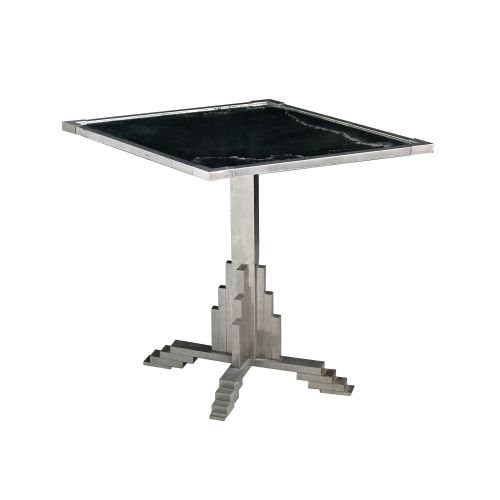


1930s Silver Mirror
A 1930s silver mirror brings geometric clarity and polished metal into a room, capturing the distinct design energy of the interwar decades.
1930s Silver Mirror
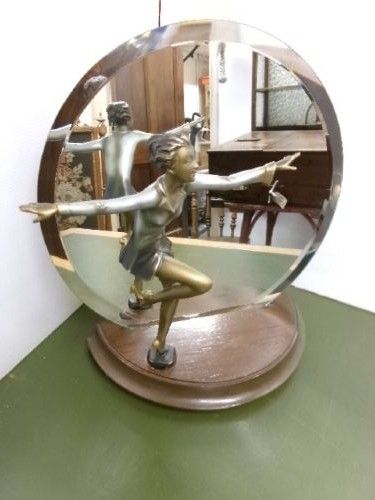
A 1930s silver mirror encompasses everything from compact handheld vanity pieces and pocket accessories to large circular and geometric wall hanging fixtures. Buyers seeking this aesthetic encounter objects shaped by Art Deco sensibilities, featuring clean lines, stepped frames, and segmented glass panels.
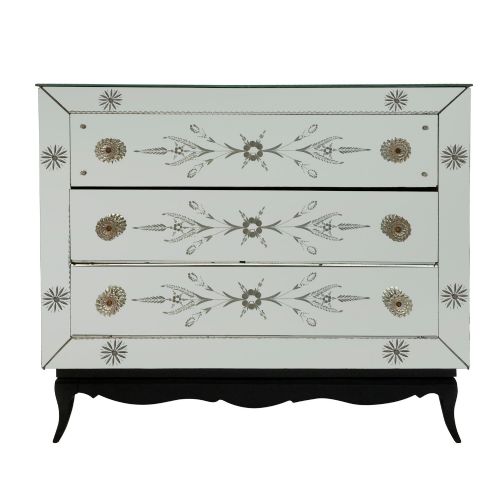
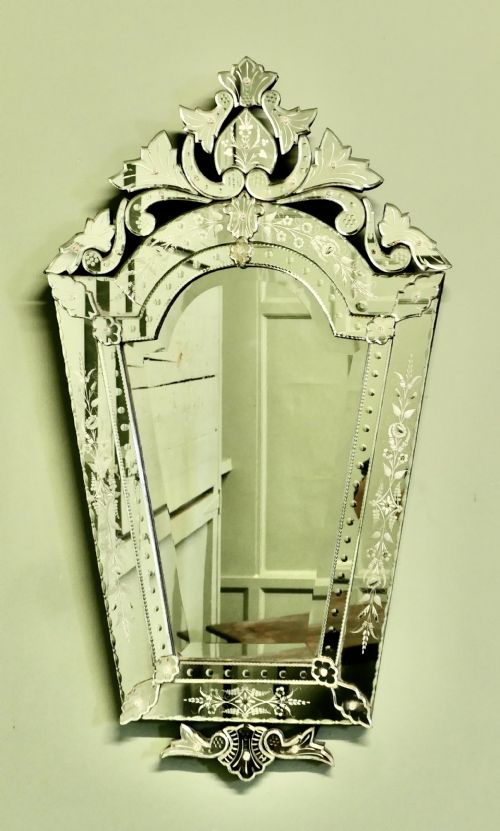
The objects listed here span wall mirrors, small dressing table items, and vanity gear originating from British, French, and American makers. Wall-mounted versions dominate the selection, often combining silvered glass plates with contrasting metal or wooden surrounds.
Materials and construction methods
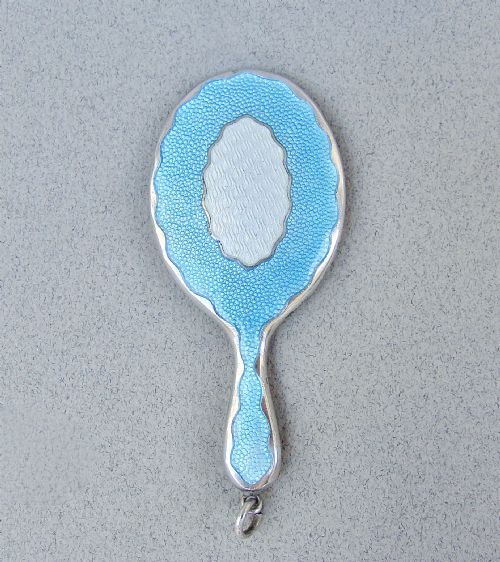
Makers utilised mirrored glass and silvered glass plates set within frames of chrome, metal, wood, or carved silvered wood. Many pieces incorporate guilloche enamel detailing, adding translucent colour over engine-turned metal grounds.
Techniques relied on bevelled plate glass cutting, acid etching for decorative motifs, and precision metal fabrication. Frames frequently joined cast metal elements with structural wooden backing to support heavier glass panels.
The listings demonstrate a strong presence of Art Deco style alongside Venetian influences, executed in glass, chrome, and silvered glass.
Distinguishing quality across pieces
Quality rests in the crispness of the glass bevelling, the integrity of the silvering on the mirror plate, and the precision of any applied enamel work. Superior examples exhibit tightly fitted frame joints and unblemished reflective surfaces.
The refinement of decorative etching and the weight of the underlying metal structure separate standard production items from finer studio or maker-marked pieces.
Henry Williamson·Evans·Richard Hudnut·Gorham
The 1930s Silver Mirror Glossary
- Guilloche enamel
- A decorative technique involving precise mechanical engraving beneath translucent enamel layers. This method produces intricate geometric patterns visible on compacts and hand mirrors.
- Bevelled plate
- Glass with edges cut and polished at an angle to create a framed optical border. This treatment catches the light and adds depth to the reflective surface.
- Girandole
- An ornamental wall mirror featuring attached candle branches or light fixtures. The surrounding frame often incorporates carved wood and silvered finishes.
- Foxed
- Age-related deterioration of the silver backing behind the glass plate, producing dark spots and mottled patches. Collectors often prize this natural patina for authenticity.
- Compact
- A small portable case containing a mirror, powder sifter, and sometimes a cosmetic well. These items frequently display detailed enamel designs characteristic of the period.
1930s Silver Mirror: Frequently Asked Questions
How do I clean a 1930s silver mirror?
Use a soft, dry cloth to remove dust from the glass and frame surfaces without disturbing fragile silvering or enamel.
Avoid commercial chemical cleaners that can seep behind bevelled edges or damage historic metal finishes.
Where should I hang a wall mirror?
Position the piece at eye level in hallways, living rooms, or above mantelpieces to reflect natural light and open up the surrounding space.
Ensure wall fixings adequately support the weight of heavier wooden and glass structures.
What defines Art Deco style?
Art Deco relies on symmetry, geometric shapes, stylised motifs, and sleek industrial materials.
This aesthetic rejected ornate Victorian decoration in favour of streamlined modernity and clean architectural lines.
How do I spot original period glass?
Original glass often displays subtle distortion, minor surface ripples, and natural foxing along the bevelled edges.
Modern replacement plates usually present a uniform, flawless reflection lacking historical patina.