


Antique Silver Timekeeper
An antique silver timekeeper holds precision mechanics inside a precious metal case, offering enduring utility and portable history.
Antique Silver Timekeeper
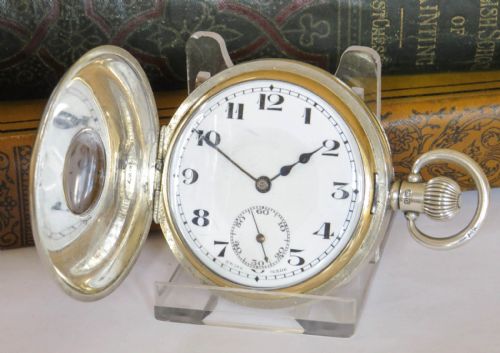
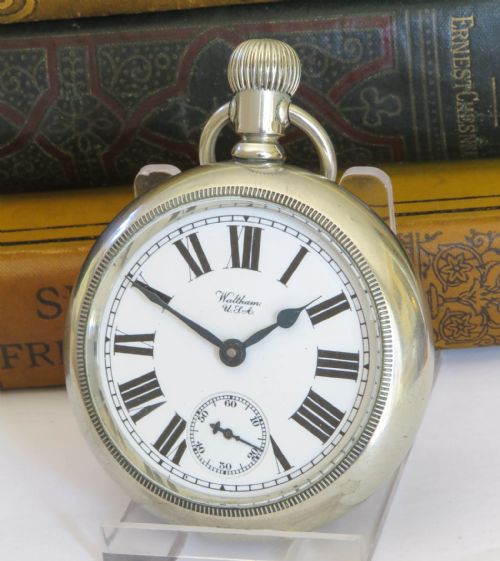
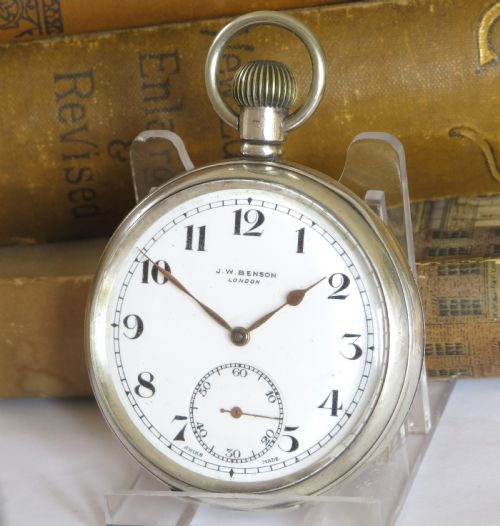
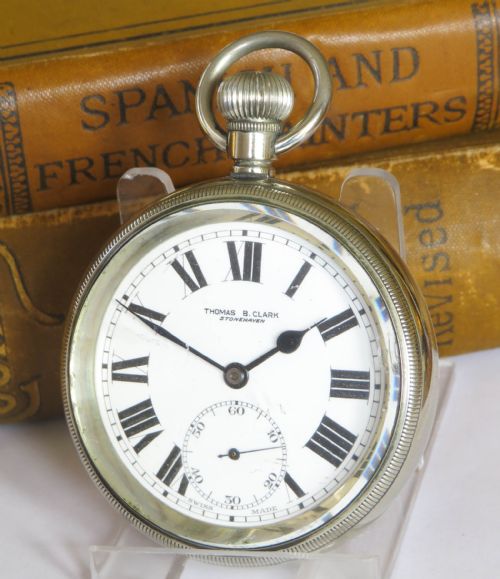
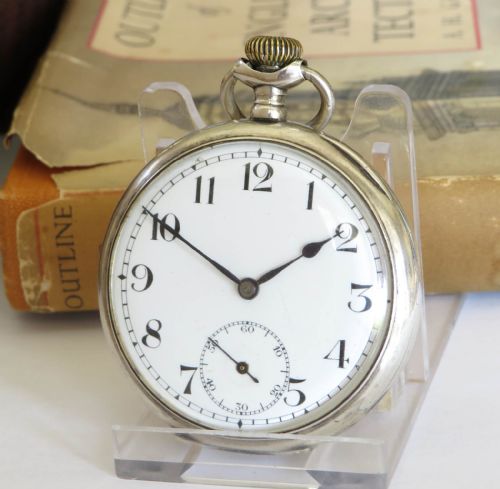
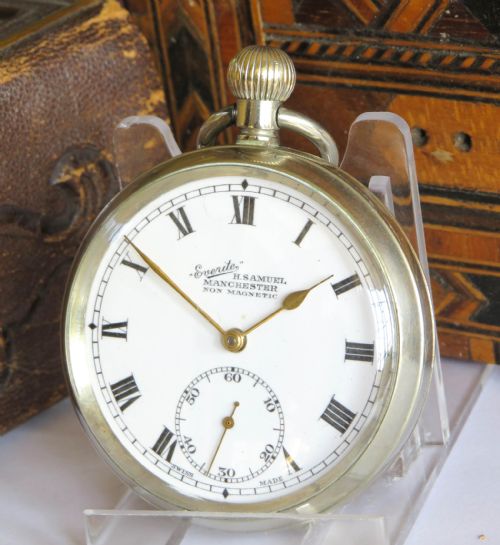
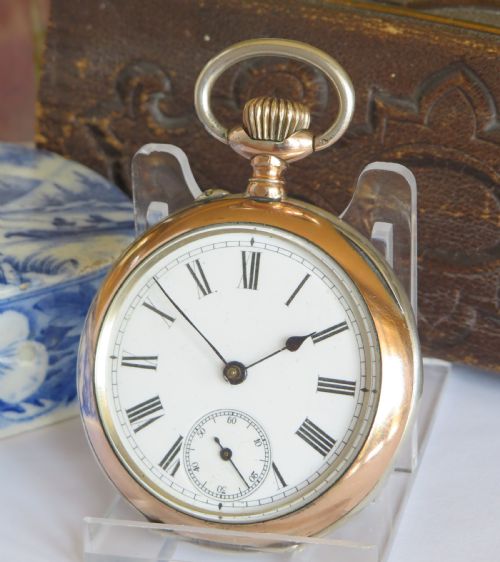
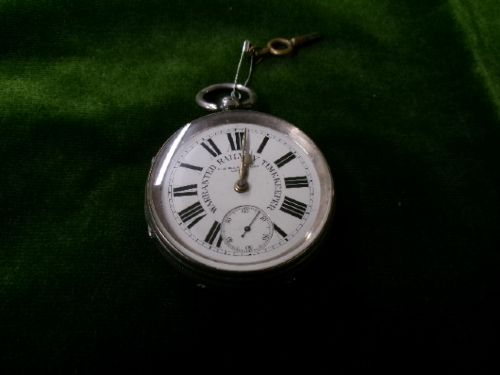
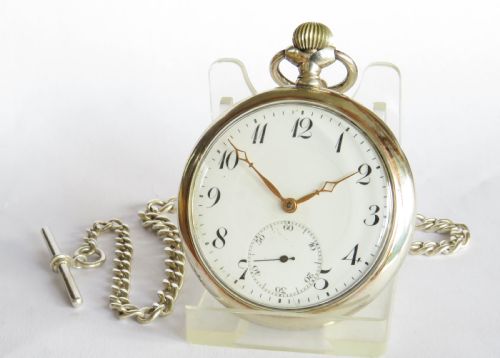
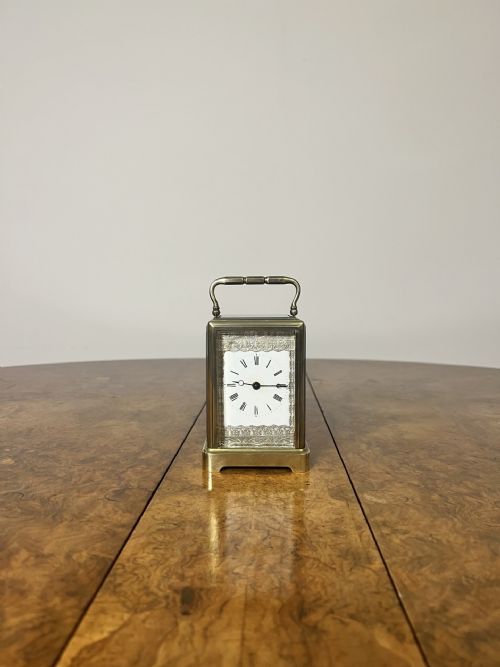
An antique silver timekeeper spans portable pocket watches and freestanding carriage clocks forged across the Victorian, Edwardian, and Art Deco eras. These objects combine functional horology with sterling silver, silvered metal, and occasionally silver gilt cases made for daily travel, railways, and domestic interiors.
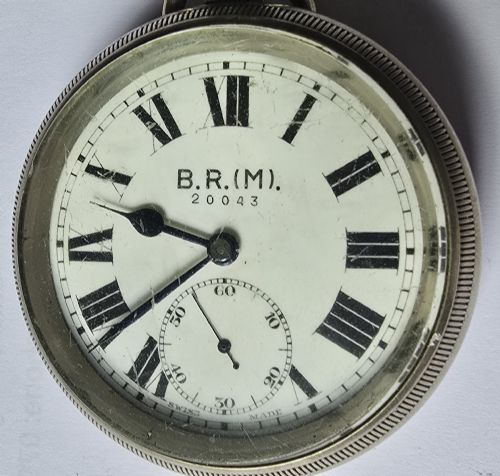
The most common form met here is the pocket watch, often issued for railway service or engraved for presentation, alongside occasional carriage clocks and larger skeleton or bulkhead clocks. Examples range from simple nineteenth-century specimens to mid-century utility pieces and heavy brass-accented carriage models.
Origins stretch from British railway networks and metropolitan retailers to provincial watchmakers, carrying hallmarks that date each piece securely. Buyers encounter items associated with transport companies, lodges, and award presentations alongside domestic timepieces.
Materials and construction
Casework relies heavily on silver, sterling silver, silver gilt, and silvered metal, frequently paired with protective glass crystals and internal brass movements. Enamel dials provide crisp legibility for railway workers and professionals, while structural elements incorporate nickel and base metals for durability.
Makers utilised fusee movements, twin fusee systems, and lever escapements to maintain steady accuracy across pocket watches and bulkheads. Cases were stamped, hammered, or cast, then polished and hallmarked to certify metal purity and origin.
Antique Silver Timekeeper Retail Price Guide 2026
Typical asking prices for silver timekeeper among the pieces listed under this phrase on Sellingantiques today, from the lower quarter to the upper quarter. They describe what is for sale here now, not the wider market.
Some railway timekeepers carry hard-won dents from engine rooms, whispering tales of late steam trains and rushed platforms.
Measures of quality
Quality rests in the crispness of the movement, the integrity of the silver case, and the legibility of the dial. Pieces produced for specific railway companies or signed by established retailers typically reflect higher mechanical standards.
Engraving depth, enamel preservation, and the complexity of the escapement further distinguish standard issues from presentation pieces or repeating carriage clocks. Heavier silver gilt housings and skeleton movements demonstrate superior workshop ambition.
J W Benson·H Samuel·J Batson and Son·H W Bedford London·Meyer and Studeli·Allen Colyer·Pearce and Sons
The Antique Silver Timekeeper Glossary
- Fusee
- A conical pulley used on older clocks and watches to equalize the driving force of the mainspring as it unwinds. This mechanism ensures steady timekeeping throughout the power reserve.
- Hallmark
- An official stamp applied to precious metals indicating purity, assay office, and date of manufacture. These marks provide definitive historical context for silver cases.
- Lever escapement
- A type of watch escapement that controls the release of gear train energy to the balance wheel. It remains the standard for accurate portable timekeeping.
- Carriage clock
- A small, spring-driven clock designed for travel, typically fitted with a carrying handle and glass panels. They often feature gilt brass or silver frames.
- Skeleton clock
- A clock with an open framework that exposes the gear train and escapement mechanism. This design allows the owner to observe the mechanical operation directly.
Antique Silver Timekeeper: Frequently Asked Questions
How do I wind an antique pocket watch?
Wind the watch gently using the crown or a dedicated key until gentle resistance is felt. Avoid over-winding to protect the historical mainspring.
Most pocket watches require a daily wind to maintain accuracy, depending on the specific movement type housed within the silver case.
Were these watches used on railways?
Many pocket watches listed were issued specifically to railway personnel for precise time coordination. Companies such as Taff Vale and the Lancashire and Yorkshire railway marked their timekeepers accordingly.
These railway issues possess robust movements designed to withstand the vibrations and demands of daily transport work.
How do I care for an antique silver case?
Clean the silver exterior gently with a specialised soft cloth to preserve crisp hallmarks and delicate engravings. Keep moisture away from the dial and internal movement.
Professional servicing by a horologist ensures the mechanical parts remain clean and properly lubricated over decades of ownership.