



Antique Silver Table Utensils
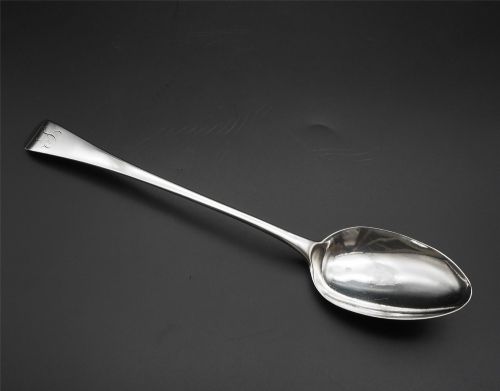
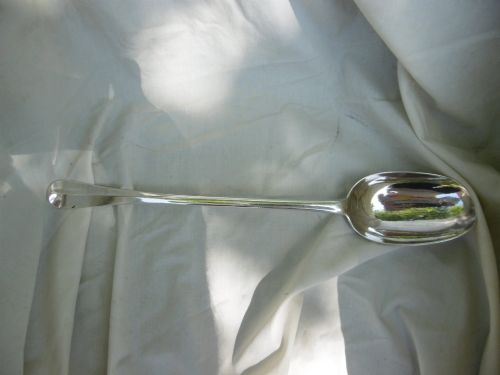
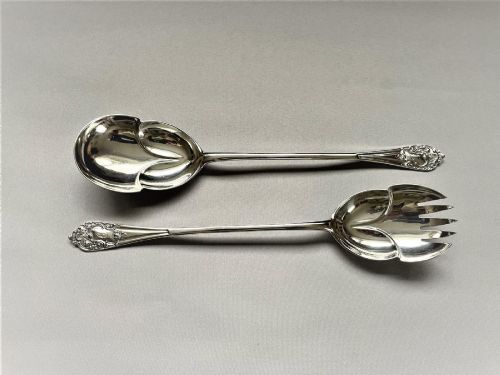
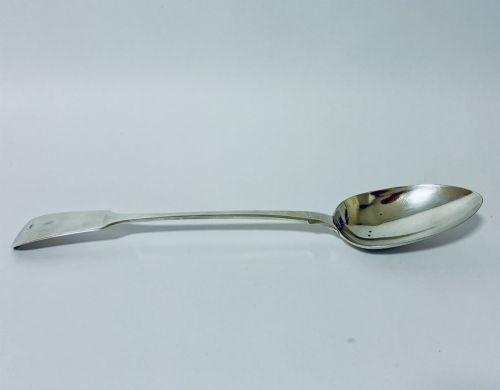
These antique silver table utensils are functional dining implements fashioned from sterling silver across various British periods.
Antique Silver Table Utensils
When searching for antique silver table utensils, collectors encounter specialist serving pieces designed for specific dining tasks rather than standard everyday cutlery.
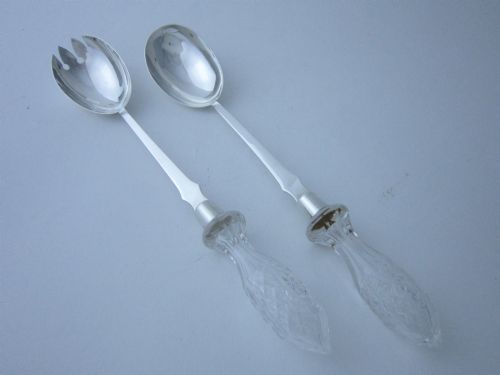
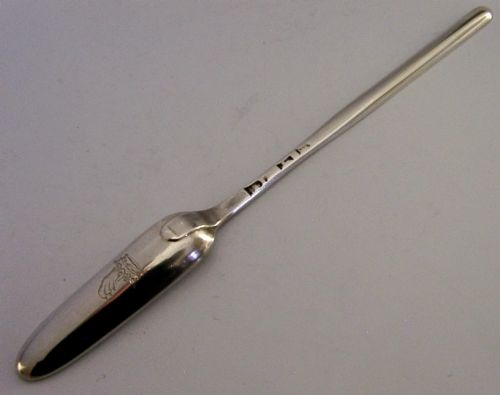
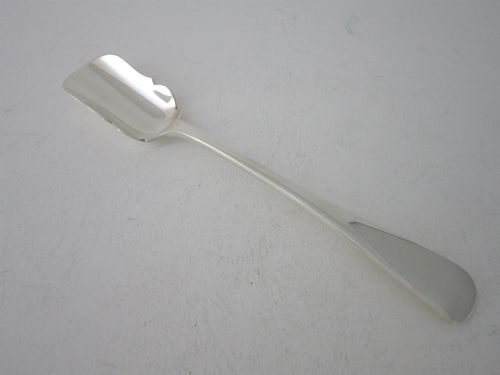
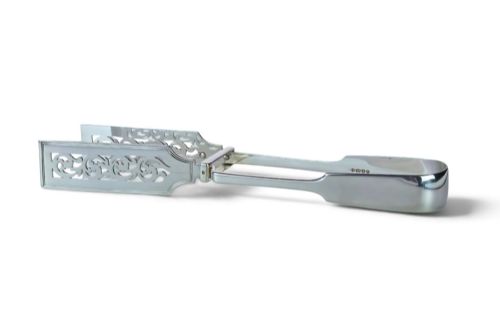
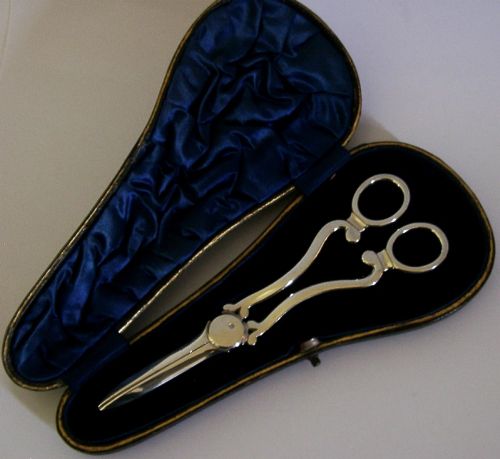
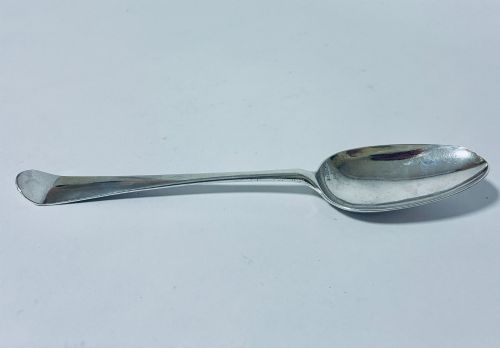
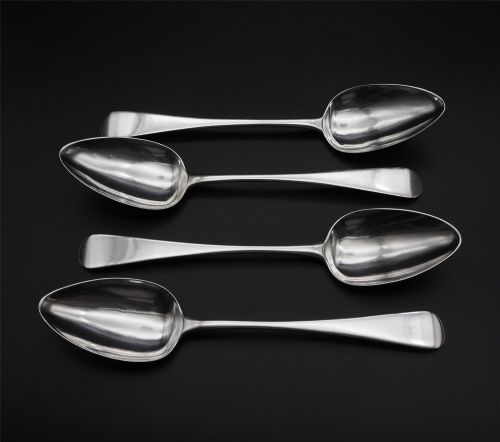
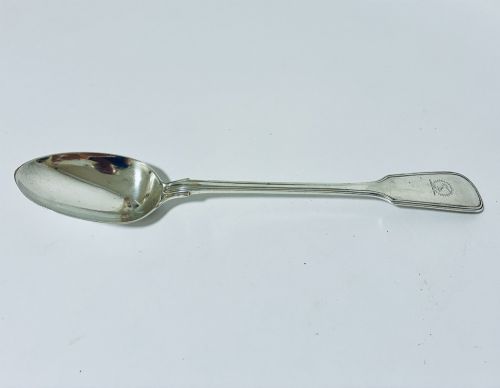
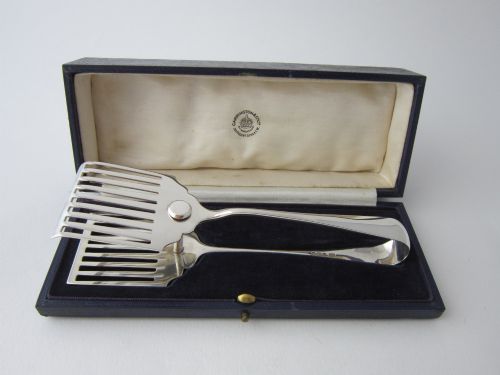
The selections available here span from the eighteenth century through the Georgian, Victorian, and Edwardian eras, encompassing diverse forms such as marrow scoops, asparagus tongs, grape shears, and large serving spoons.
Many of these utensils reflect formal dining traditions, featuring specific regional hallmarks from London, Chester, and Ireland alongside maker marks from prominent silversmiths.
How They Were Made
Silversmiths utilised solid sterling silver, shaping the metal through traditional methods of hammering, casting, and piercing to achieve durable yet decorative dining tools.
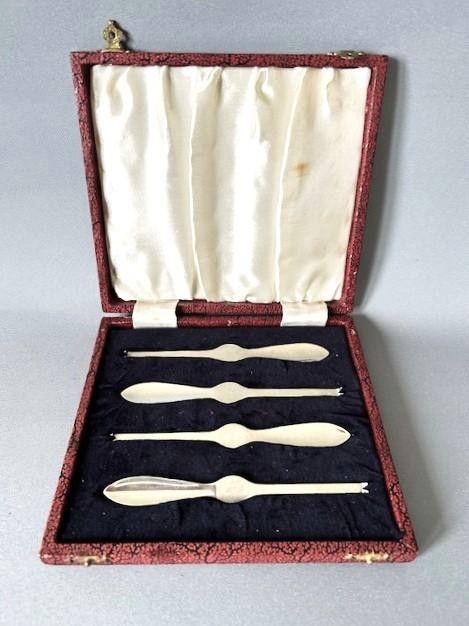
Handle construction often incorporated specific regional patterns like Old English, Fiddle, Queens, and King Edward, sometimes complemented by fitted presentation boxes lined with velvet, silk, leatherette, or satin.
Antique Silver Table Utensils Retail Price Guide 2026
Typical asking prices for silver table utensils among the pieces listed under this phrase on Sellingantiques today, from the lower quarter to the upper quarter. They describe what is for sale here now, not the wider market.
Boxed crab picks from nineteen-thirty suggest that even nineteenth-century crustaceans demanded dedicated dining equipment.
What Varies In Quality
The standard of an individual piece rests upon the crispness of the cast decoration, the retention of original engraved family crests, and the structural integrity of hinged mechanisms such as tongs and scissors.
Heavier gauge silver and clear, legible hallmarks indicating specific assay offices and makers elevate the desirability and historical interest of serving spoons, marrow scoops, and salad servers.
Elizabeth Eaton·Andrew Archer·Wilkes Booth·Whiting Co.
The Antique Silver Table Utensils Glossary
- Hallmark
- Official marks stamped on precious metals indicating the standard of silver, the assay office, and the date letter. These stamps provide verifiable historical provenance for each piece.
- Marrow Scoop
- A narrow, double-ended spoon designed for extracting bone marrow from joints. Examples often date from the eighteenth century and feature crested terminals.
- Rat Tail
- A prominent dorsal ridge running down the reverse of a spoon bowl where it joins the stem. This structural reinforcement is characteristic of early silver flatware.
- Grape Shears
- Specialised hinged scissors used for cutting portions of fruit at the dining table. Victorian and Edwardian examples frequently display cast vine and grape ornamentation.
- Fiddle Pattern
- A nineteenth-century cutlery handle design characterised by a narrow stem that broadens sharply near the terminal into a shape resembling a fiddle.
Antique Silver Table Utensils: Frequently Asked Questions
How do I date antique silver utensils?
Dating relies heavily upon the set of hallmarks stamped directly onto the silver, which typically include a maker mark, a standard mark, an assay office symbol, and a date letter.
Comparing these punches against established reference tables reveals the exact year and city of manufacture for each piece.
How were specialised serving utensils used?
Individual pieces served precise functions during formal meals, such as extracting marrow, holding asparagus, snipping grapes, or ladling gravy and sauces.
Their specific designs ensured that hosts could manage specialised dishes cleanly and elegantly in accordance with contemporary dining etiquette.
How should I care for silver table utensils?
Maintaining these pieces involves gentle washing in warm soapy water followed by thorough drying with a soft cloth to prevent moisture spots.
Regular, cautious use of specialist silver polish preserves the surface shine without wearing down engraved crests or delicate hallmark details.