
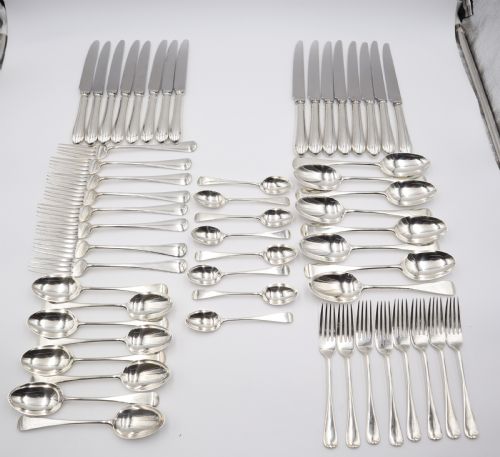
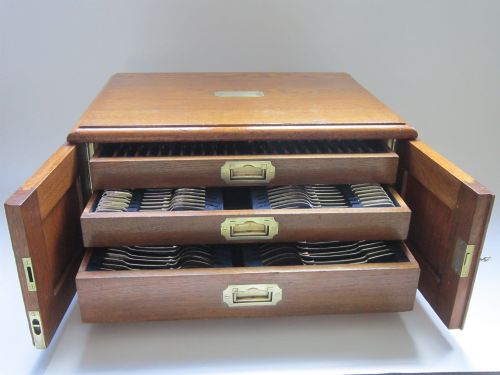
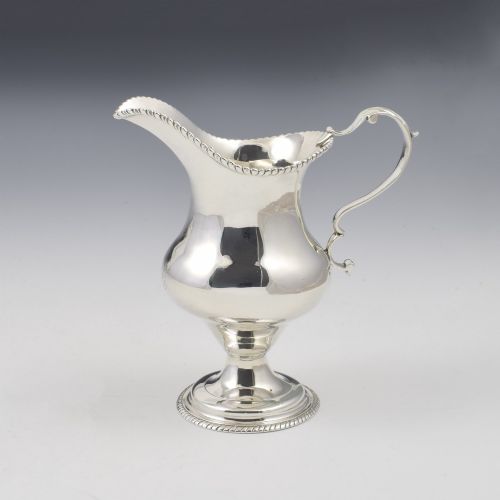
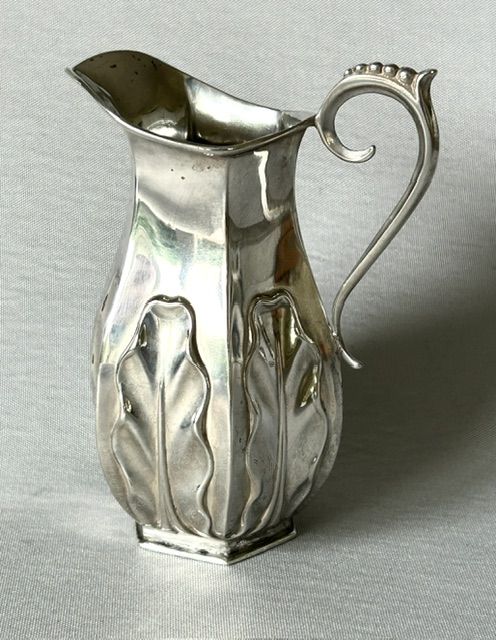




Antique Silver Table Service
These antique silver table service pieces bring period elegance to the dining room, offering both practical utility and fine craftsmanship for the modern table.
What an antique silver table service is
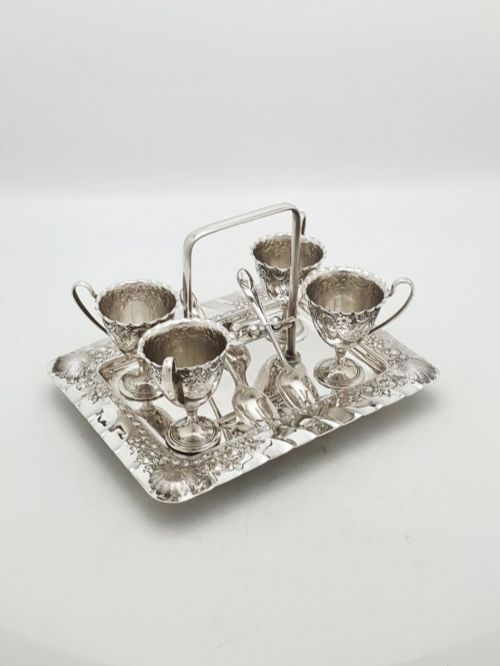
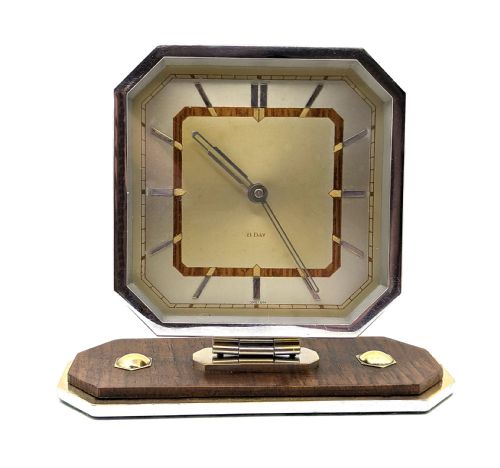
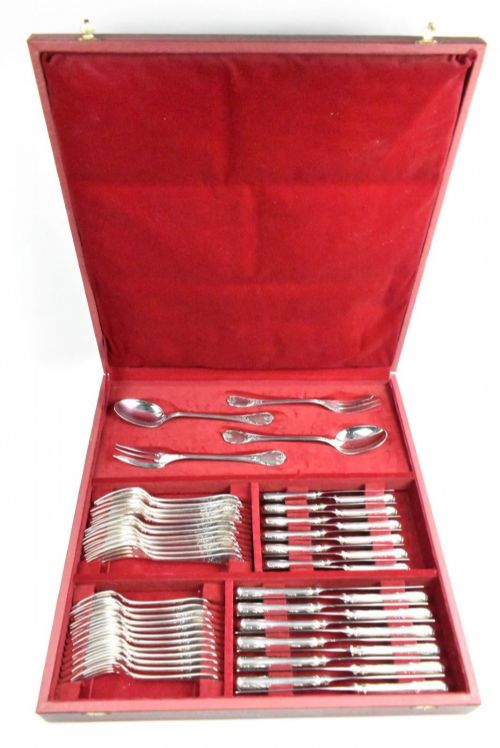
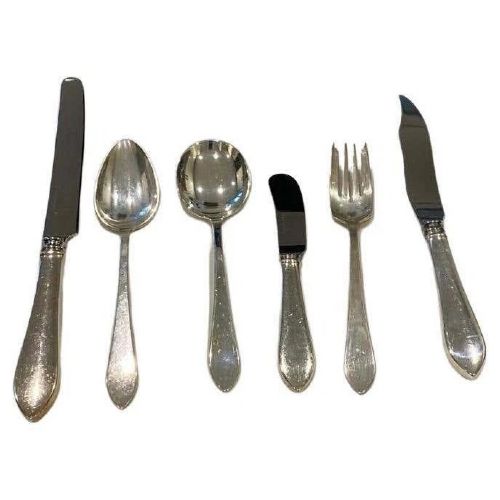
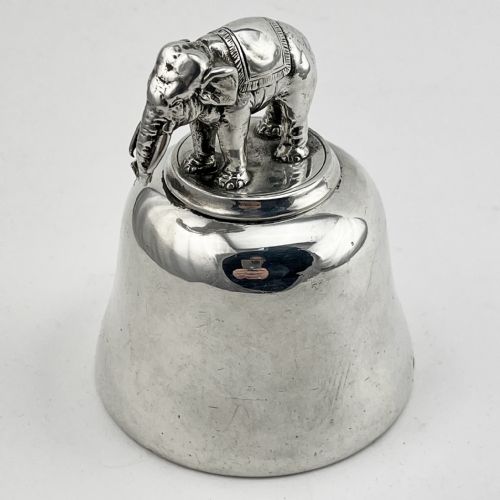
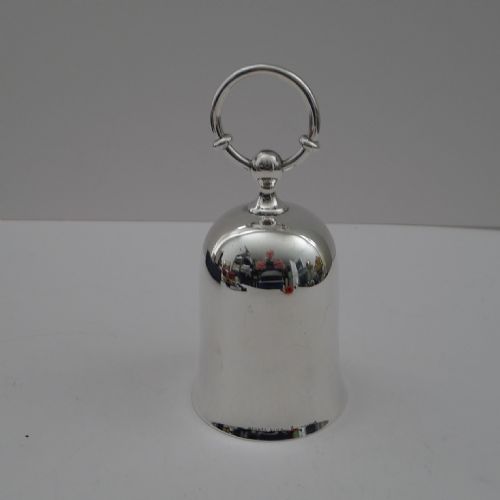
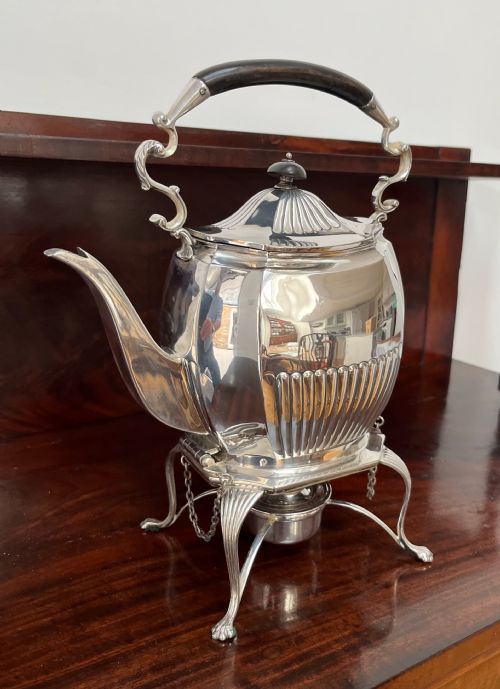
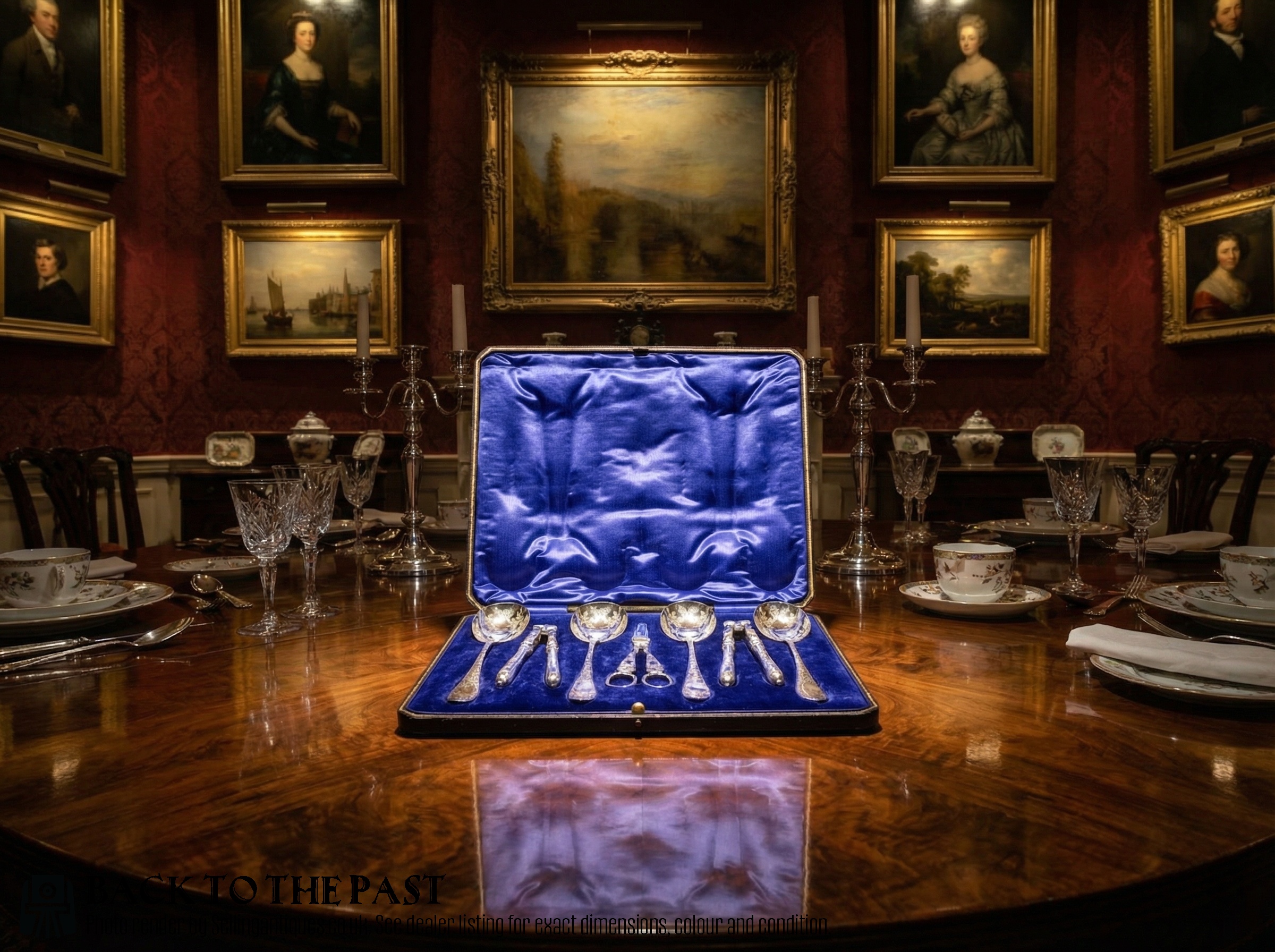
An antique silver table service encompasses various dining implements and dining table accessories from past centuries. When searching for an antique silver table service, buyers encounter diverse items designed for serving food and condiments.
The pieces on this page span the George III, Victorian, and Edwardian eras. Cruet sets, sauce boats, butter dishes, and fruit and nut serving sets represent the most likely items to meet on this page.
What varies in quality
Quality in an antique silver table service depends upon the weight and purity of the silver or the thickness of the silver plate over the base metal. Superior examples exhibit crisp casting and refined proportions.
The integration of materials determines overall refinement, particularly in pieces combining silver with cut glass or frosted glass. Craftsmanship in the handles, feet, and mounts separates standard production from exceptional work.
Retail Price Guide 2026
Typical UK retail prices for silver table service, calculated from the Sellingantiques database of over a million retail prices indexed since 2003. This retail price guide relies exclusively on Sellingantiques data; no external sources or auction records are used, so the figures do not describe the wider market.
Materials utilised across these tableware items include sterling silver, silver plate, cut glass, frosted glass, velvet, and satin.
The Antique Silver Table Service Glossary
- Cruet set
- A matched collection of bottles or castors for holding vinegar, oil, mustard, or pepper, usually held within a fitted silver or silver plated frame. These sets sat at the centre of the dining table for guests to season their food.
- Sauce boat
- An open vessel with a spout and handle, designed for serving gravies and sauces, often raised on three feet. George III examples demonstrate early forms of this dining accessory.
- Silver plate
- A layer of silver fused or electroplated onto a base metal such as copper or Britannia metal. This technique offered an accessible alternative to solid sterling silver while retaining the bright appearance.
- Cut glass
- Glass decorated by hand with wheel-cut geometric or floral patterns, frequently utilised for liners and cruet bottles. The facets catch the light during formal dining.
Frequently Asked Questions
How do I care for silver plated tableware?
Silver plated items require gentle cleaning with specialised silver polish and a soft cloth to protect the plated surface. Avoid abrasive cleaners that can wear away the silver layer over the base metal.
Store pieces in dry conditions away from direct sunlight and humidity. Regular, careful use helps prevent tarnish buildup on both sterling and silver plated items.
What is the difference between sterling silver and silver plate?
Sterling silver is a solid precious metal alloy composed of pure silver and other metals, usually copper, meeting a specific fineness standard. Silver plate consists of a thin layer of silver bonded to a cheaper base metal.
Both materials appear across various dining service pieces from the eighteenth, nineteenth, and early twentieth centuries. Hallmarks typically distinguish solid silver from plated wares.
How do I identify George III dining pieces?
George III dining pieces date from the reign of George III, spanning the mid to late eighteenth and early nineteenth centuries. Stylistic indicators include neoclassical motifs, classical proportions, and specific maker's marks.
Sauce boats from this period often display chased decoration and robust casting. Comparing the form and weight to documented examples helps confirm the era.