



Antique Silver Table Serveware
Antique silver table serveware brings dining tables alive with functional elegance, offering everything from heavy warming dishes to delicate butter tubs.
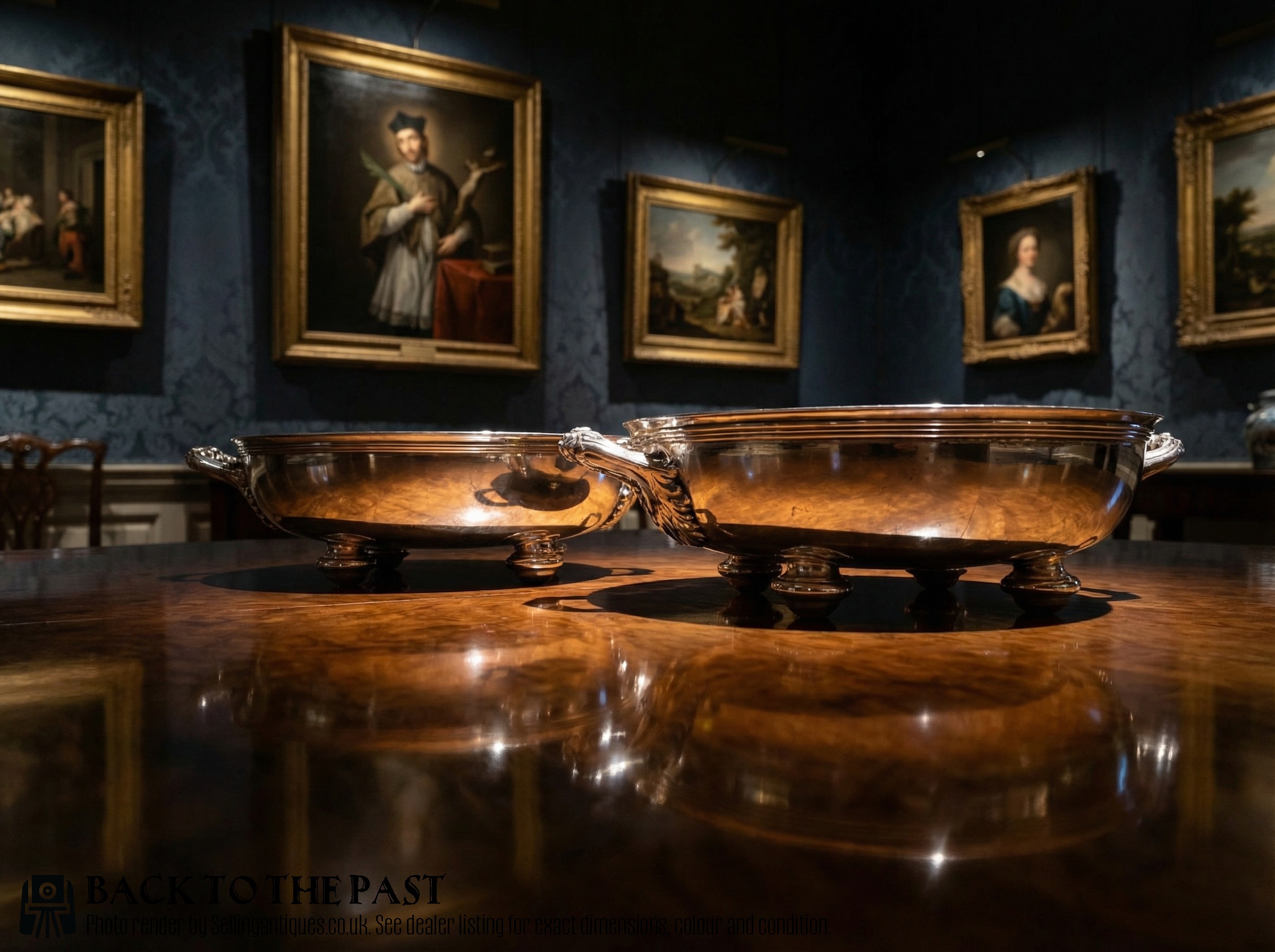
Antique Silver Table Serveware
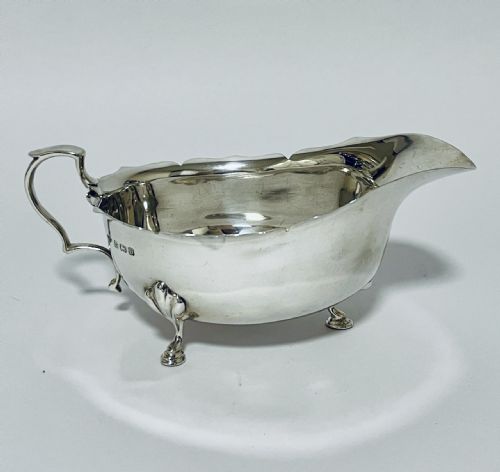
When you search for antique silver table serveware, you encounter pieces designed for formal dining across the Georgian, Victorian, and Edwardian eras. The selection spans utilitarian forms and decorative showpieces, ranging from sauce boats and entree dishes to specialised vessels like spoon warmers and toast racks.
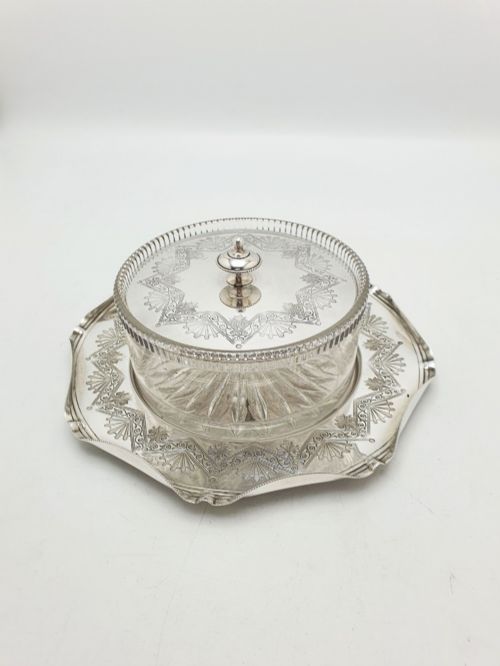
Silver plate and electroplated nickel silver dominate the material record here, though solid sterling silver examples appear among smaller items like toast racks and sauce boats. Glass liners and inserts also feature frequently in pieces intended for butter, cheese, and preserves.
Victorian and Edwardian versions form the bulk of what you meet on this page, often showing Revival styles or Rococo flourishes alongside cleaner early twentieth-century lines. Makers such as Mappin and Webb, Walker and Hall, and Elkington provide much of the output from these later periods.
Materials and methods of construction
Silversmiths utilised heavy silver plating over base metals like nickel silver, creating durable vessels intended for daily dining use without the prohibitive cost of solid sterling silver. Old Sheffield Plate and later EPNS techniques ensured thick, even coats that survived decades of polishing.
Cast and chased ornament brought decorative richness to entree dishes, sauce tureens, and spoon warmers, often incorporating shell motifs or gadrooned borders. Cut glass inserts were ground to fit snugly inside silver plate frames for butter and cheese dishes.
Listings feature items spanning the Georgian, Victorian, and Edwardian periods, utilising silver plate, sterling silver, glass, and cut glass.
What separates the finest pieces
Quality rests in the crispness of chased detail, the weight of the metal, and the integrity of the silver plating over the base alloy. Pieces with makers known for high standards, such as Elkington or Mappin and Webb, demonstrate superior joinery and heavier gauge metal.
The survival of original components, such as cut glass liners or matching covers, elevates a piece significantly. Finer examples maintain their original gilding inside bowls and retain balanced proportions across handles, feet, and finials.
Padley Parkin And Staniforth·Mappin And Webb·Roberts And Belk·Walker And Hall·Elkington·Durand Paris
The Antique Silver Table Serveware Glossary
- EPNS
- Electroplated nickel silver. This designates a base metal coated in a layer of silver through an electrical process, common in nineteenth-century serveware.
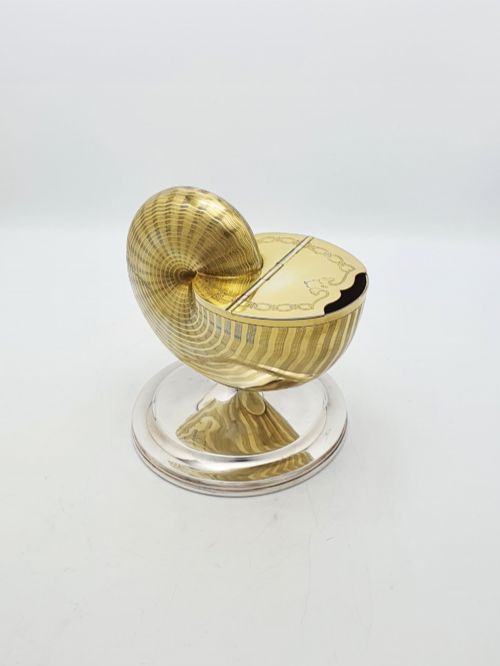
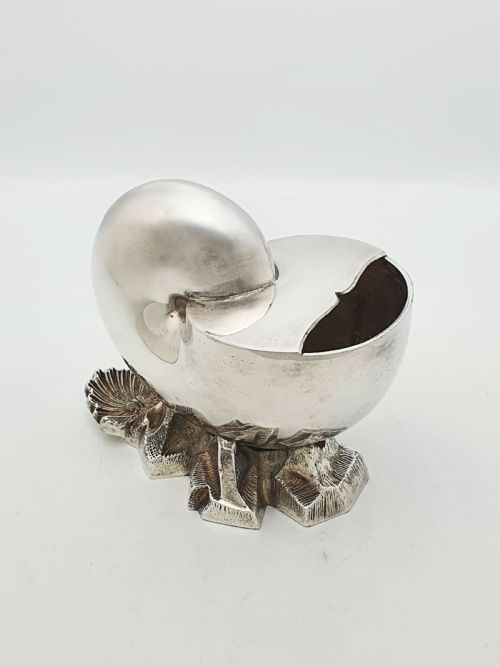
- Spoon warmer
- A specialised vessel designed to hold hot water, keeping silver spoons warm for serving pudding or soup at the Victorian table.
- Entree dish
- A covered serving container used for presenting courses during formal multi-course meals.
- Toast rack
- A metal frame with vertical dividers designed to hold slices of toast upright and prevent them from becoming soggy.
- Old Sheffield plate
- An early form of plated metal created by fusing a thin sheet of silver to a thicker copper ingot before rolling.
Antique Silver Table Serveware: Frequently Asked Questions
What is a spoon warmer used for?
Spoon warmers held hot water to warm serving spoons before they touched cold dishes at the dining table. This prevented rich gravies and melted butter from cooling prematurely against the silver.
Victorian dining ritual prized these whimsical vessels, which often took naturalistic shapes like shells or animal figures. They sit neatly on sideboards and double as striking decorative objects today.
What is Old Sheffield Plate?
Old Sheffield Plate is an early composite material made by fusing a sheet of silver to a copper core. This technique predates modern electroplating and produces a warm, rich tone as the copper occasionally shows through high points.
Pieces made this way, such as warming dishes from the Georgian period, are valued for their early manufacturing technique and durability. Collectors prize them for their distinct weight and handcrafted character.
How do I identify Victorian silver plate?
Victorian pieces often feature maker marks, date ciphers, or stamps indicating electroplated nickel silver alongside floral or rococo ornamentation. The heavier weight and thicker plating distinguish nineteenth-century examples from lighter twentieth-century items.
Many pieces also include registry marks or specific manufacturer punches that help narrow down the decade of production. Examining the underside usually reveals these stamps.