



Antique Silver Rimmed Jar
An antique silver rimmed jar brings tactile beauty to your table, offering a traditional vessel for preserves, biscuits, or dressing table treasures.
Antique Silver Rimmed Jar
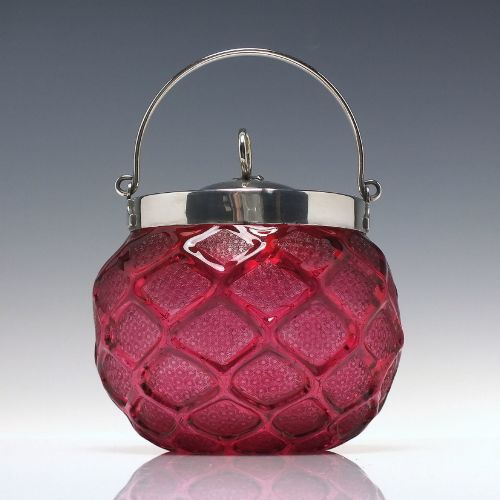
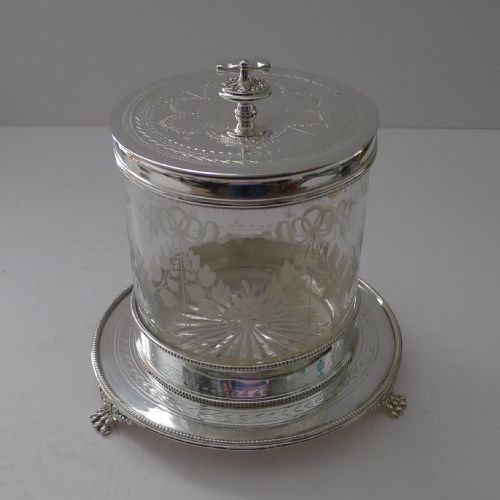
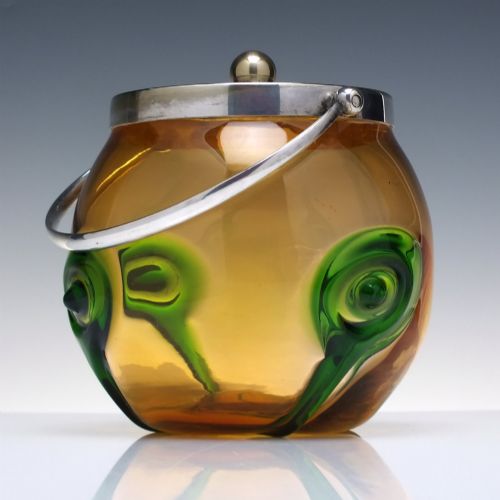
When you search for an antique silver rimmed jar, you encounter diverse domestic containers spanning the Victorian, Edwardian, and Art Deco eras. These pieces primarily manifest as biscuit barrels, preserve pots, and lidded bowls, serving both functional and decorative roles in historic homes.
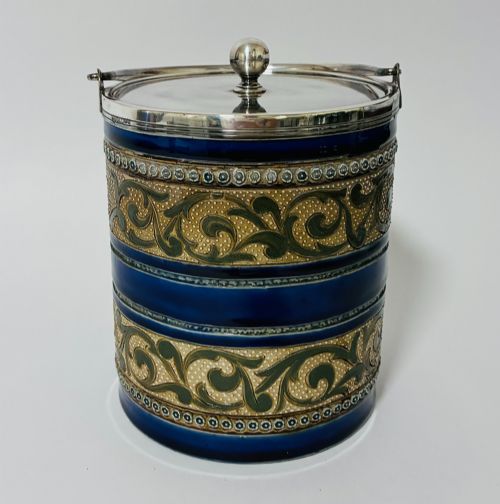
You are most likely to meet glass bodies paired with silver or silver plate mounts on this page. Ceramic variations, including stoneware, Carlton Ware, and Wedgwood Jasperware, also appear alongside cranberry glass and cut crystal examples.
The origins of these vessels trace through distinct stylistic movements, encompassing Late Victorian arts and crafts, Neoclassical influences, and geometric Art Deco designs. Each piece reflects the interior tastes of its specific period, from ornate floral etching to streamlined modernism.
Materials and construction
Makers utilised blown and moulded glass, often incorporating cut crystal or vibrant cranberry glass, paired with metal rims and mounts. Stoneware and earthenware bodies like Doulton Lambeth provide an alternative heavy ceramic foundation.
Silversmiths and metalworkers applied electroplate or solid silver for the rims, hinged lids, and swing handles. Artisans frequently embellished the glass and ceramic surfaces through wheel-cutting, enamel decoration, or applied jasperware reliefs.
Antique Silver Rimmed Jar Retail Price Guide 2026
Typical asking prices for silver rimmed jar among the pieces listed under this phrase on Sellingantiques today, from the lower quarter to the upper quarter. They describe what is for sale here now, not the wider market.
Materials recorded across current pieces include silver plate, cranberry glass, stoneware, cut crystal, and enamel.
Judging quality and craftsmanship
The distinction between standard domestic items and superior examples lies in the crispness of the glass cutting and the weight of the silver mount. Heavy crystal bodies with deep wheel-engraved motifs indicate higher artisan investment.
Quality also rests in the precision of the metal fitting to the ceramic or glass lip, ensuring a secure and seamless junction. Integrated enamel work and substantial hinged mechanisms elevate the sophistication of the finished vessel.
Stuart and Sons·Mappin and Webb·Doulton Lambeth·Carlton Ware·Wedgwood
The Antique Silver Rimmed Jar Glossary
- Silver Plate
- A base metal coated with a thin layer of silver through electroplating. This technique allowed manufacturers to produce durable domestic wares with the appearance of solid silver at a lower cost.
- Cranberry Glass
- A rich red-pink transparent glass created by adding gold chloride to the molten batch. It gained popularity during the Victorian era for decorative tableware and biscuit barrels.
- Jasperware
- A type of fine stoneware developed by Josiah Wedgwood, characterised by a unglazed matte finish and contrasting applied relief figures. Pieces often feature blue or green grounds with white classical motifs.
- Biscuit Barrel
- A covered ceramic or glass jar designed specifically for holding dry biscuits at the dining table. They frequently feature swing handles and metal rims to facilitate serving.
- Cut Glass
- Glass shaped and patterned by holding it against a rotating abrasive wheel, creating deep facets and light-reflecting geometric designs. High-end examples require considerable skill to achieve symmetrical precision.
Antique Silver Rimmed Jar: Frequently Asked Questions
What were antique silver rimmed jars used for?
These vessels primarily functioned as containers for dry biscuits, sweet preserves, or dressing table accessories in middle and upper-class households. Their protective metal rims and fitted lids kept contents fresh while presenting an attractive appearance on the dining or tea table.
Over time, many of these lidded containers transitioned into purely decorative display pieces or catch-alls for small items. Their robust construction allowed them to survive generations of daily domestic service.
How do I clean an antique silver rimmed jar?
Maintenance requires gentle handling of both the glass or ceramic body and the metallic components. Warm water and mild washing liquid suffice for the interior, avoiding abrasive scourers that scratch vintage glass or thin silver plate.
Polish the silver rim and handle sparingly using a dedicated cloth to prevent wearing away the plating. Keep moisture away from any internal cork or paper liners that may anchor the metal collar to the glass.
How can I date an antique silver rimmed jar?
Dating relies on observing stylistic markers, manufacturing techniques, and any accompanying hallmarks on the metal mounts. Victorian pieces often display floral etching, cranberry glass, or heavy earthenware bodies, while Art Deco items favour geometric cuts and blue enamel.
Examine the base of the glass or ceramic body for maker marks or registration numbers. These stamps provide a reliable chronological anchor to narrow down the decade of production.
Are these jars safe for food use?
While historic preserve pots and biscuit barrels were designed for consumption items, modern buyers often use them for display. Older silver plate can wear down to reveal base metals, and historic glass may contain lead or minor manufacturing impurities.
If you choose to use your jar for dry foodstuffs, ensure the interior is thoroughly cleaned and free of any degrading adhesives or modern chemical residue. For wet preserves, verify the protective glaze or glass lining remains completely intact.