

Antique Silver Pocket
These pocket-worn silver items span portable timepieces, hip flasks, and vestas shaped for daily carry.
Antique Silver Pocket
An antique silver pocket search brings up portable daily accessories designed to be carried on the person, predominantly pocket watches, chains, hip flasks, and vesta cases. The pieces originate from periods spanning the Victorian era through the mid-twentieth century.
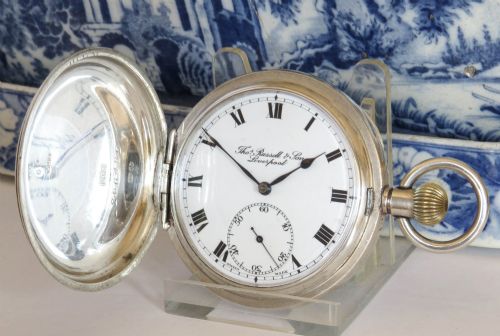
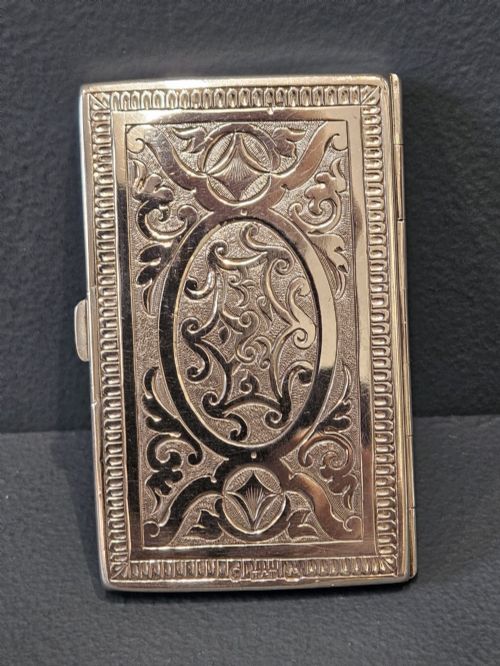
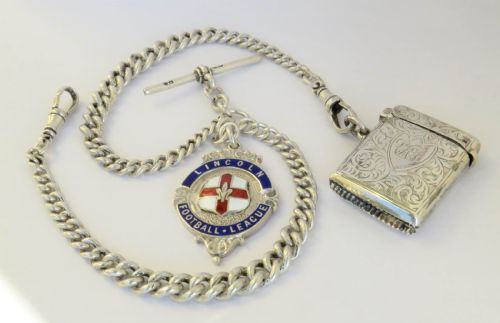
Pocket watches and their matching silver chains dominate the selections, alongside military issue timepieces from World War II and earlier decades. Smaller personal items like cigarette cases, sovereign holders, and vinaigrettes appear frequently alongside the horological items.
Makers recorded in these categories range from Swiss watch houses to English silversmiths working in sterling. Buyers meet items marked for specific military branches, civilian presentation pieces, and utility objects shaped for pocket use.
How they were made
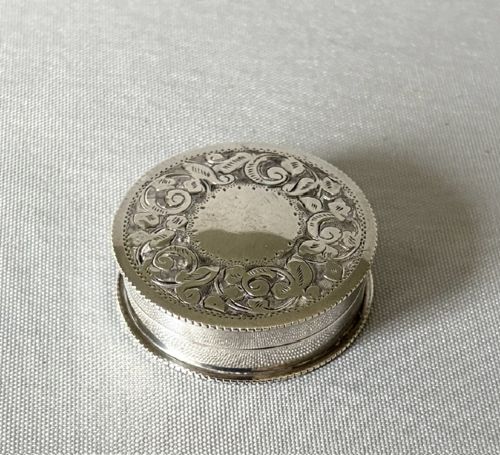
Silversmiths constructed containers and watch cases using sterling and continental silver grades, frequently applying mechanical techniques such as engine-turning, basket weave stamping, or hammer finishes. Glass panels protect watch dials, while internal movements rely on steel components.
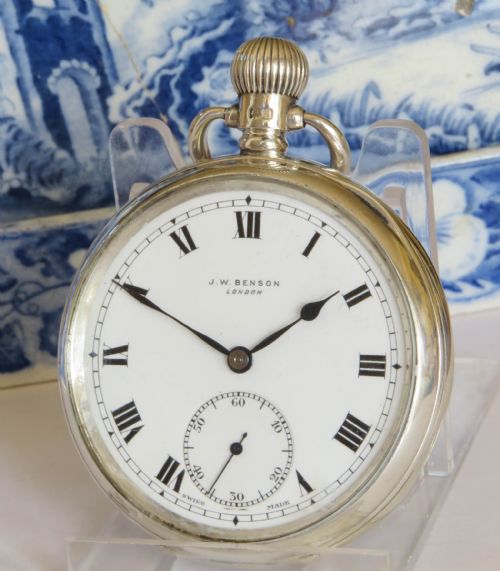
Watch movements incorporate jewelled lever escapements and balance wheels housed within heavy silver pocket cases bearing hallmarks for assay offices including Chester. Flasks utilise secure bayonet caps and soldered hinges to contain liquids safely.
Antique Silver Pocket Retail Price Guide 2026
Typical asking prices for silver pocket among the pieces listed under this phrase on Sellingantiques today, from the lower quarter to the upper quarter. They describe what is for sale here now, not the wider market.
Listings feature silver pocket items spanning Victorian, Edwardian, and mid-century periods, utilising sterling and continental silver grades.
What varies in quality
The distinction between standard utility items and finer pieces rests upon the crispness of chased or engraved decoration and the integrity of the maker's marks. Crisp hallmarks and tight lid closures indicate superior original manufacture.
For timepieces, the quality is determined by the complexity of the movement, such as chronographs, and the original maker's reputation. Hand-finished detailing on cases and specialised military inscriptions separate standard issue from elevated production.
Henry Capt·Waltham Appleton Tracy·Taylor And Perry·Sampson Mordan·Fritz Bemberg·J W Benson
The Antique Silver Pocket Glossary
- Vesta case
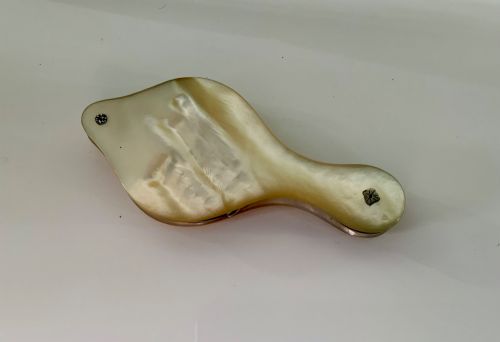
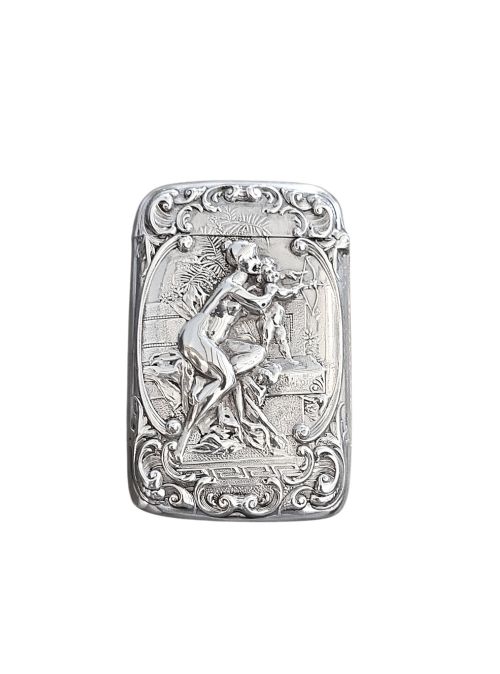
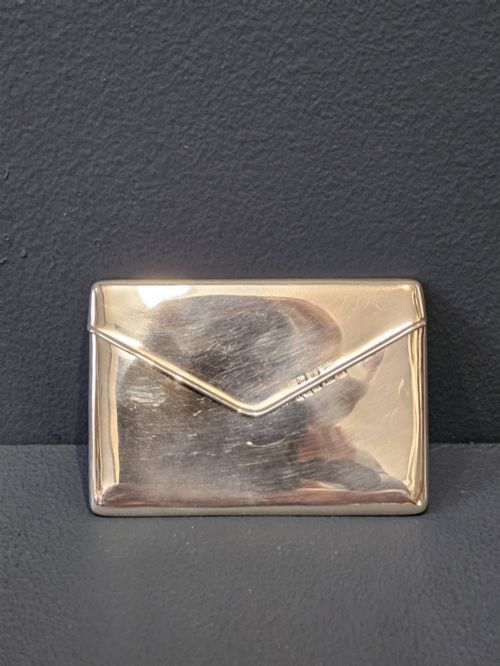
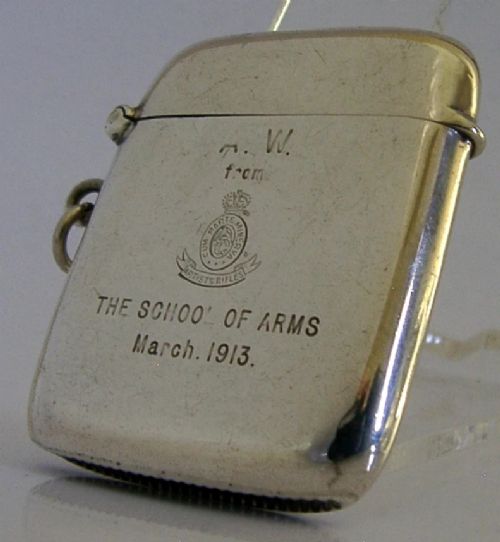
- A small portable box designed to hold matches, typically fitted with a striking stripe on the base. These pieces often feature engraved foliate motifs or animal subjects.
- Sovereign case
- A small round container engineered to hold gold sovereign coins securely on a watch chain. They employ spring-loaded mechanisms to release the coins individually.
- Vinaigrette
- A small decorative box containing a perforated inner grill soaked in aromatic vinegar. Victorians carried these to counter unpleasant street odours.
- Guard chain
- A very long neck chain used to secure pocket watches or spectacles. They measure significantly longer than standard watch chains to loop down to a pocket.
- Hallmark
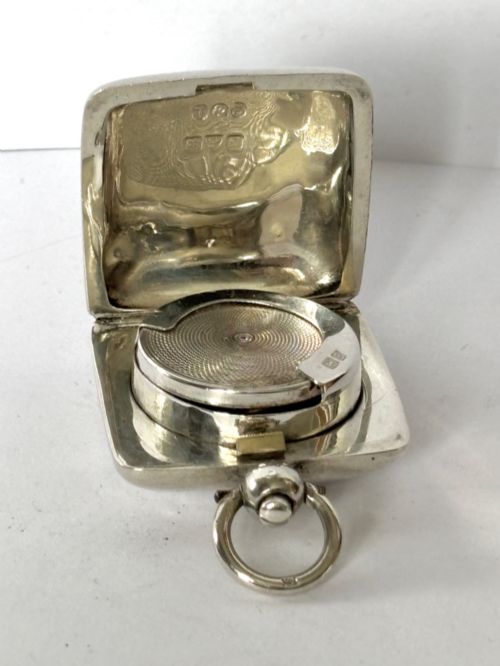
- An official stamp indicating the metal purity, assay office, and date letter of an item. British pieces typically show a lion passant for sterling silver.
Antique Silver Pocket: Frequently Asked Questions
How do I wear a pocket watch chain?
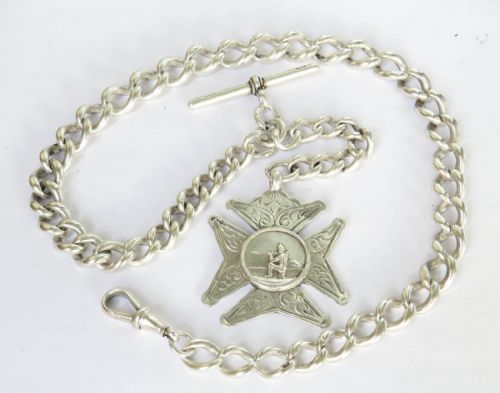
Pocket watch chains attach to a waistcoat buttonhole using a T-bar, allowing the chain to drape across the front. The watch itself drops into the lower waistcoat pocket.
Long guard chains worn around the neck bypass waistcoats entirely. These heavier chains secure items like pendant watches or chatelaines directly to the clothing.
Were military pocket watches issued to soldiers?
Military pocket watches were formally issued to personnel across various armed forces, particularly during the world wars. The Air Ministry and ground forces required reliable timekeeping for navigation and synchronisation.
These pieces often feature broad arrow acceptance marks and blackened dials for legibility. Casings were built thicker to withstand active service conditions.
What is the difference between a vesta and a sovereign case?
Vesta cases are built to store matches and feature a textured striking surface on the exterior. Their proportions accommodate standard matches of the period.
Sovereign cases are engineered specifically around the diameter of gold coins. They contain internal spring clips to prevent the coins from rattling.
How can I date an antique silver piece?
British silver items carry a series of hallmarks that identify the assay office, the silver standard, and a specific date letter. Comparing these stamps against published assay tables reveals the exact year of manufacture.
Maker's marks stamped alongside the hallmarks provide additional chronological context. Stylistic cues such as Art Deco geometric lines further narrow down the era.