






Antique Silver Plated Service
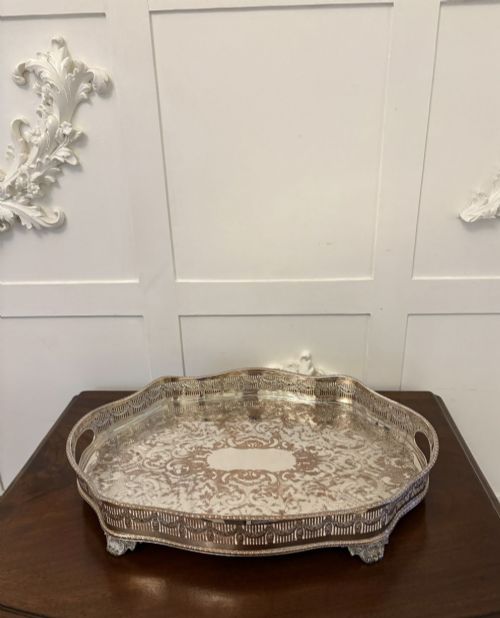
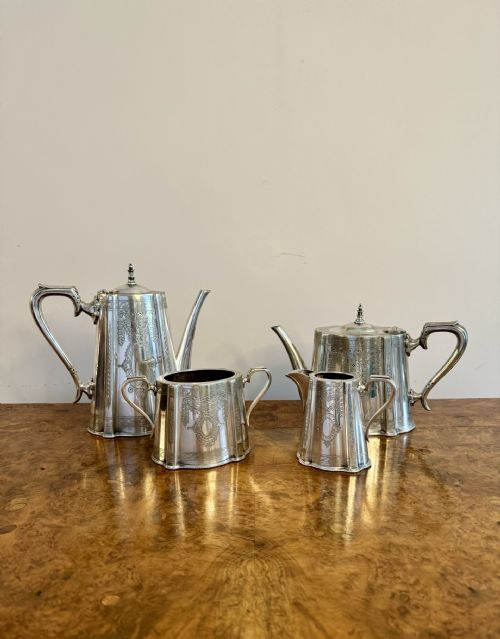
An antique silver plated service brings formal hospitality to the table through matched sets of tea pots, coffee pots, and serving vessels.
Antique Silver Plated Service
Buyers seeking an antique silver plated service encounter coordinated groupings designed for beverage and meal service. These suites span the nineteenth century through the art deco period, reflecting shifting dining habits over decades.
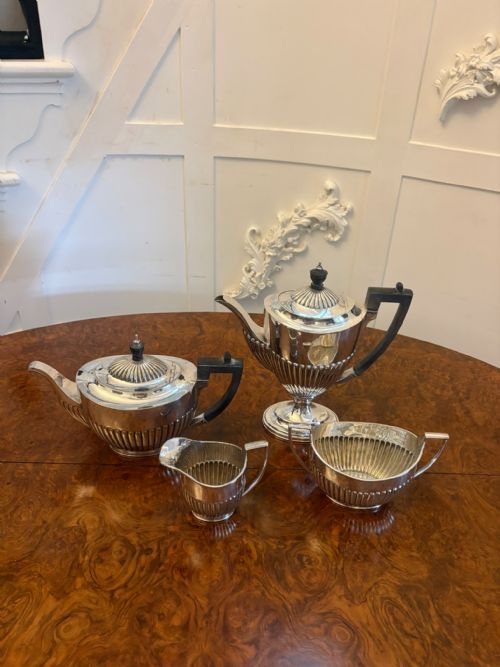
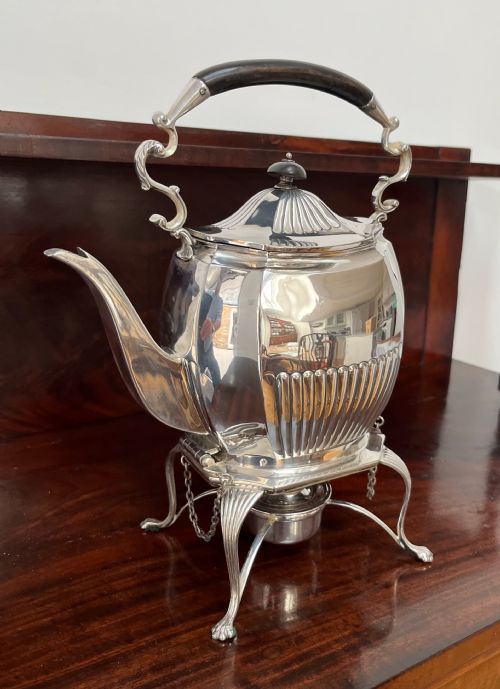
Edwardian sets dominate the available options, frequently appearing as matched three or four piece configurations comprising tea pots, cream jugs, and sugar bowls. Larger ensembles incorporate coffee pots and spirit kettles on stands with burners.
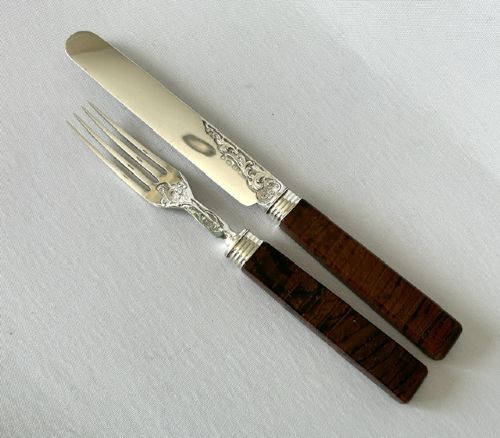
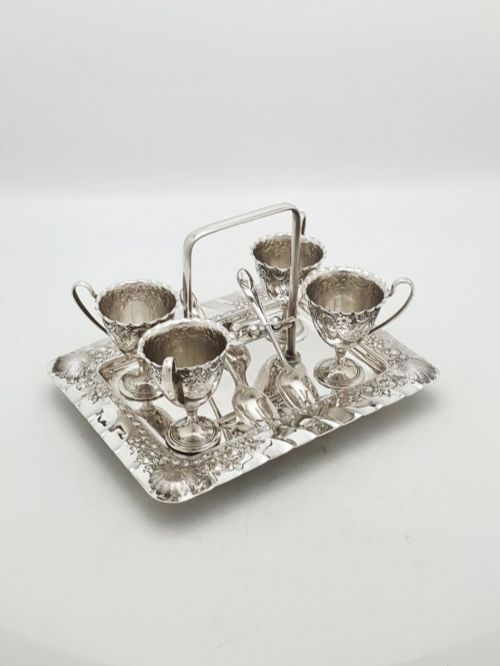
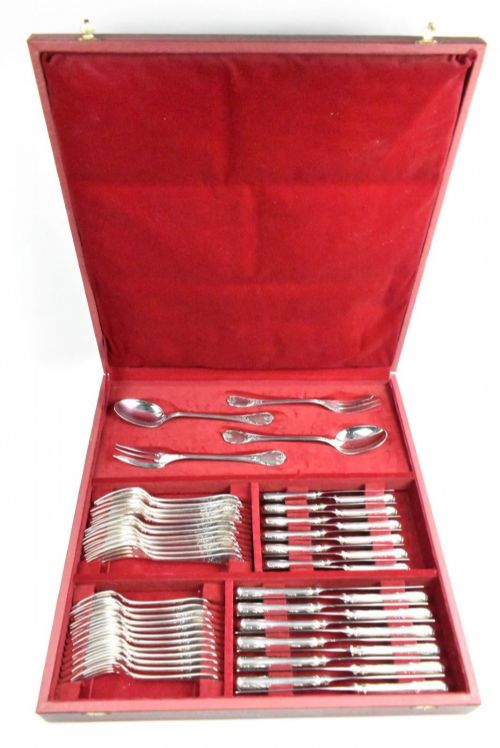
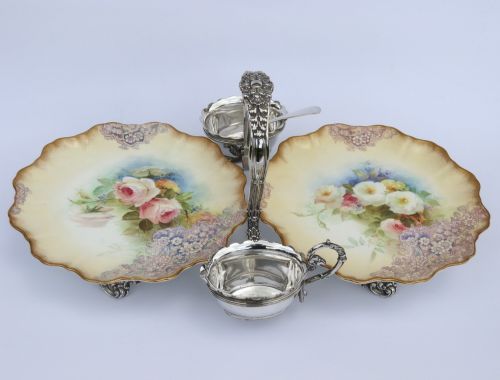
Beyond standard tea and coffee sets, the category encompasses specialised dining accessories. Egg cruets, six-bottle cruet sets, butter dishes with glass liners, and dessert sets appear alongside flatware and holloware.
Materials and manufacturing techniques
Makers utilised base metals such as copper and nickel silver as the foundation for electroplating. Electroplated nickel silver provided a durable substrate that received a fine coating of silver through electrolytic processes.
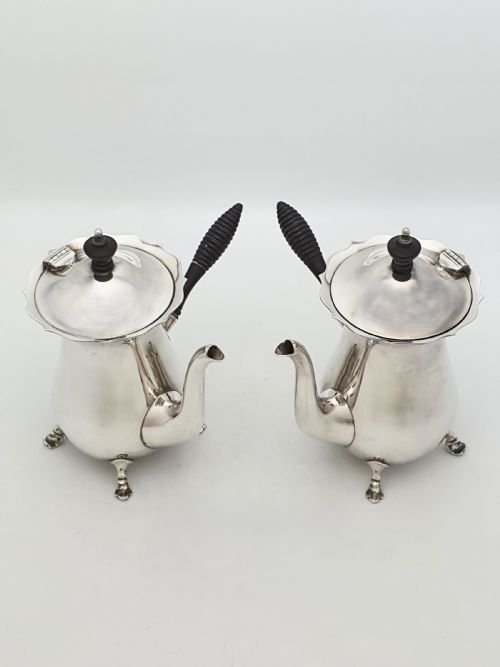
Earlier pieces rely on Old Sheffield Plate, a technique fusing a thin sheet of silver to a thicker copper core. Details often include ebonised wood handles, glass liners, and applied cast metal mounts featuring ornate grapevine or floral motifs.
The selection includes pieces manufactured across the Victorian, Edwardian, and Art Deco periods, utilising silver plate, copper, and ebonised wood.
Factors determining quality
Weight and structural integrity distinguish superior vessels from lighter wares. Substantial metal thickness prevents denting and ensures handles and spouts remain securely attached through generations of use.
The crispness of chased and embossed detailing dictates visual merit. Master silversmiths executed sharp, deep engraving and well-defined cast ornamentation, whereas lesser examples display shallow, softened stamping.
Walker and Hall·Christofle·Elkington·Mappin and Webb·Thomas Latham·G.R. Collis
The Antique Silver Plated Service Glossary
- Electroplated Nickel Silver
- A copper, nickel, and zinc alloy coated with a layer of pure silver through an electrical process. This method largely replaced older fusing techniques by the mid-nineteenth century.
- Old Sheffield Plate
- A composite material created by fusing a sheet of silver to a copper ingot before rolling them into thin sheets. Edges often reveal a thin line of exposed copper.
- Spirit Kettle
- A water kettle mounted on a metal stand with an integrated spirit burner underneath. These vessels kept water hot throughout extended tea services.
- Cruet Set
- A matched set of condiment bottles or egg cups held within a fitted metal frame. They were essential table accessories for Victorian and Edwardian dining.
- Holloware
- Tableware items such as kettles, pots, jugs, and trays that have volume and interior space. These pieces contrast with flatware and cutlery.
Antique Silver Plated Service: Frequently Asked Questions
How do I clean an antique silver plated service?
Wash pieces gently in warm water using mild soap and a soft cloth to remove everyday dust and oils. Avoid abrasive pastes or harsh chemical dips that strip the thin silver layer.
Dry each item thoroughly with a soft microfibre towel to prevent water spots. Regular handling and occasional light buffing with a specialised silver cloth maintain the natural lustre.
Can I use these sets for daily dining?
These sets function well for serving hot tea and coffee when handled with reasonable care. Hand washing is essential, as modern dishwashers utilise harsh detergents and high heat that damage silver plate and wooden insulating rings.
Care should be taken with older soldered joints when filling heavy kettles with boiling water. Storing pieces away from damp environments prevents premature tarnishing and base metal corrosion.
What is the difference between Old Sheffield Plate and electroplate?
Old Sheffield Plate involves physically fusing a layer of silver to a copper base before shaping the metal. This older technique often shows faint traces of copper along exposed rims and high points.
Electroplate uses an electrical current to bond silver particles onto a nickel silver or base metal substrate. Introduced in the nineteenth century, this later method produced a uniform coating across complex stamped shapes.
How do I identify Edwardian tea sets?
Edwardian sets typically exhibit generous proportions influenced by Georgian revival aesthetics, combined with sturdy construction. Decoration ranges from restrained borders to elaborate embossed floral patterns.
Maker marks stamped on the bases provide clear attribution to this period. Hallmarks and registration numbers often indicate production dates falling within the early twentieth century.