

Antique Silver Plate Holders
Antique silver plate holders provide structural elegance for bottles, candles and table accessories, bringing nineteenth-century metalwork straight to the dining surface.
Antique Silver Plate Holders
When you search for antique silver plate holders, you meet an assortment of functional metal items designed to hold bottles, taper candles, napkins, toast and table items. These domestic objects span the eighteenth, nineteenth and early twentieth centuries, reflecting changing dining habits and social rituals.
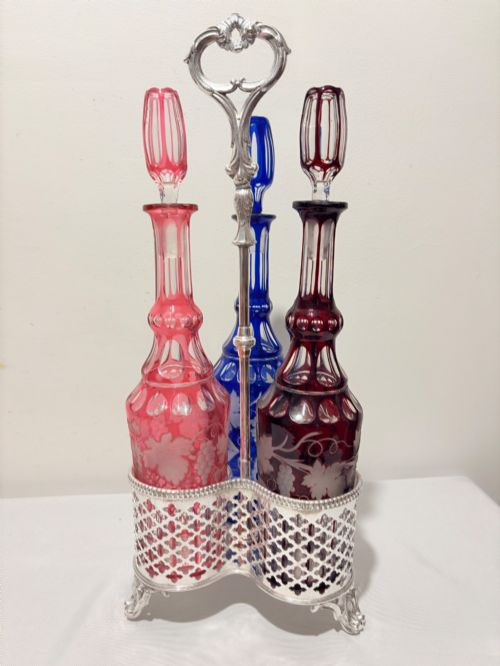
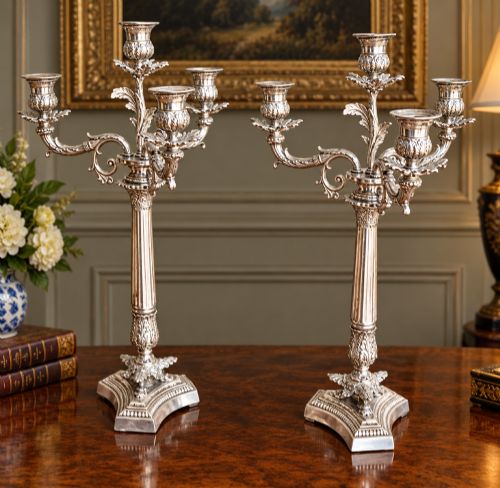
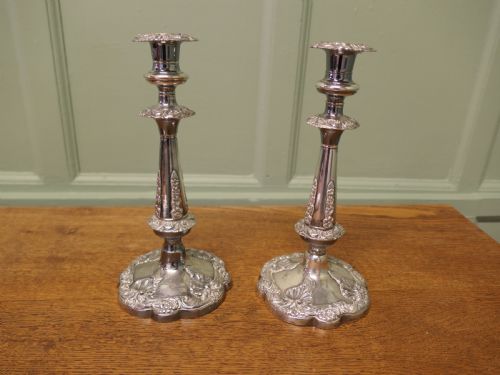
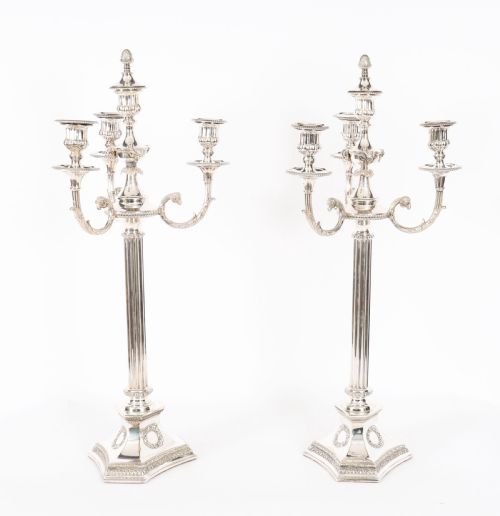
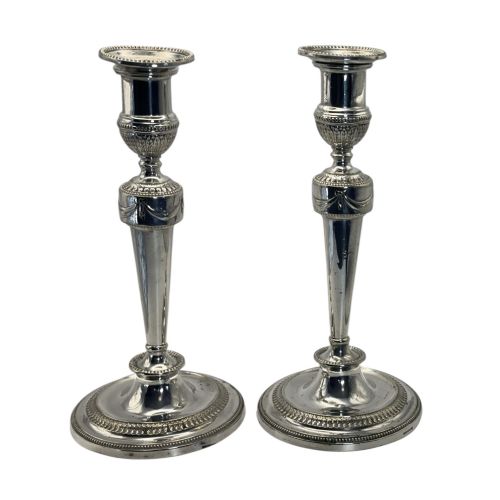
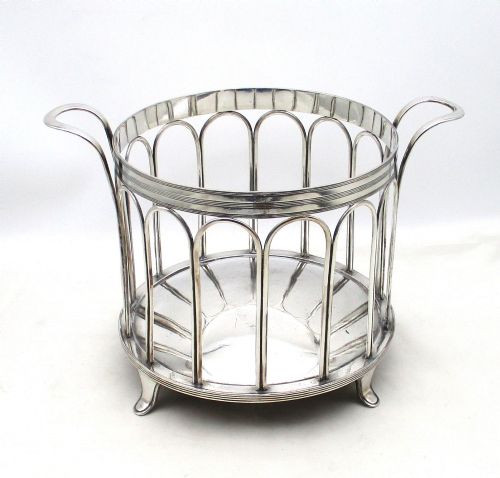
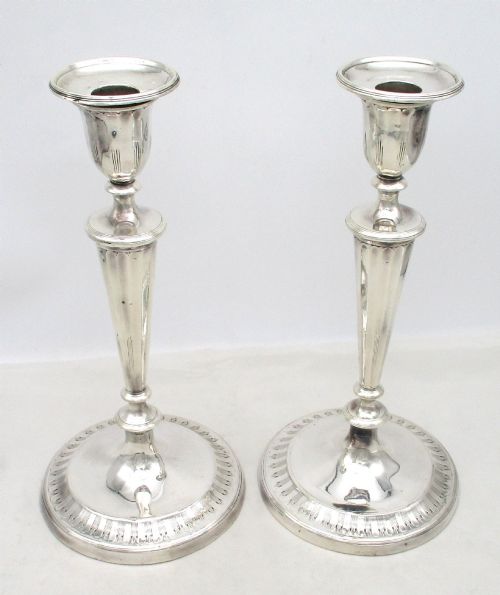
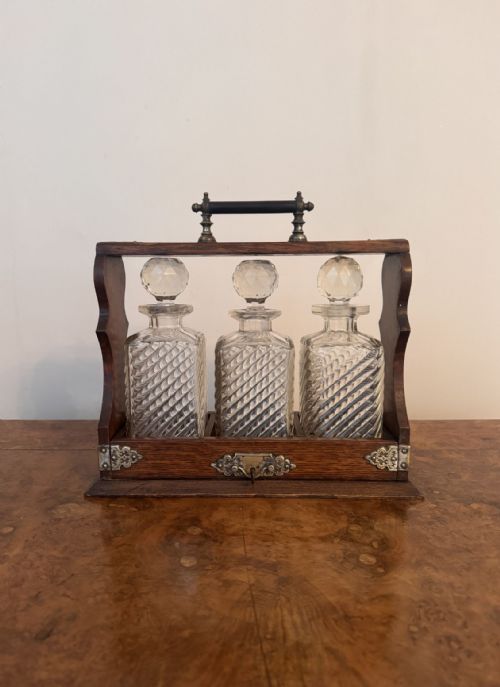
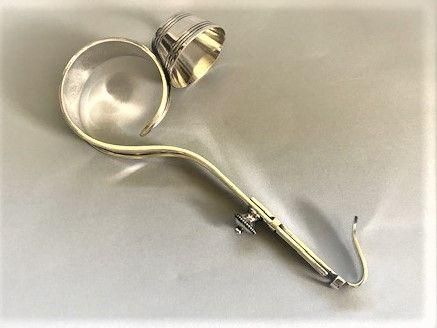
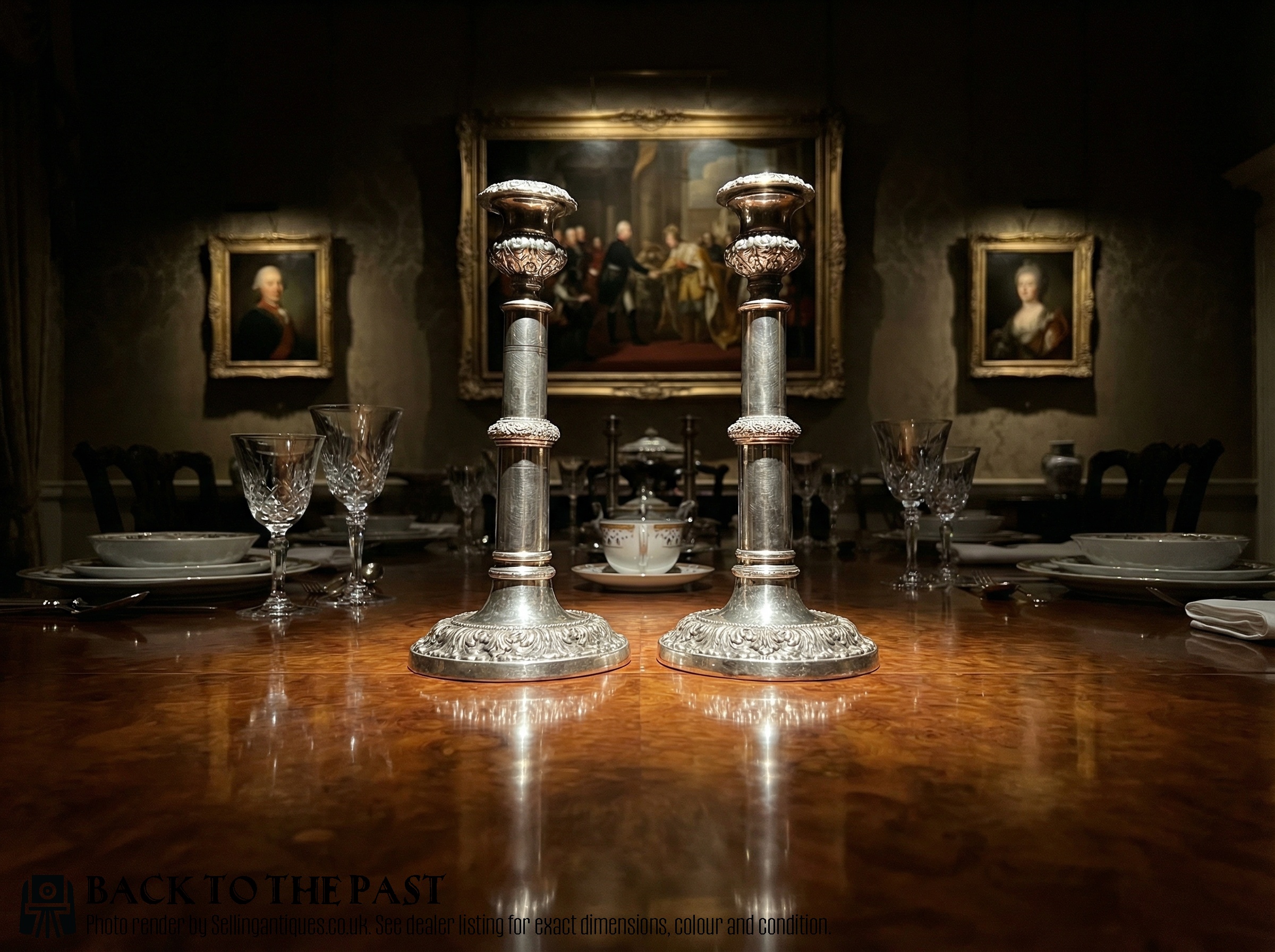
The most common forms on this page are candlesticks and candelabra, alongside wine coasters, bottle stands, toast racks and napkin rings. Pieces frequently originate from the Victorian and Edwardian eras, executed in styles that range from restrained Georgian lines to ornate Rococo Revival and clean Art Deco geometry.
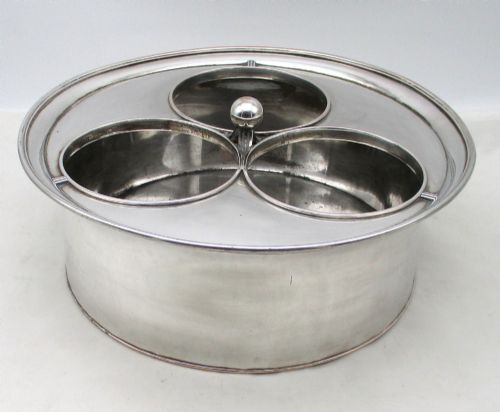
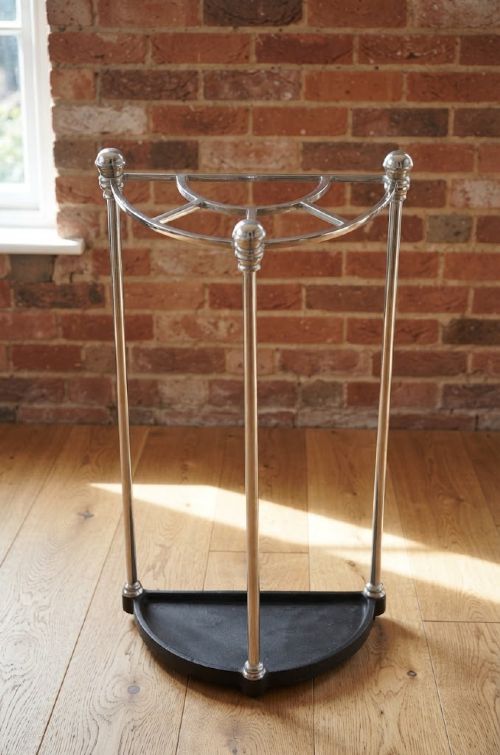
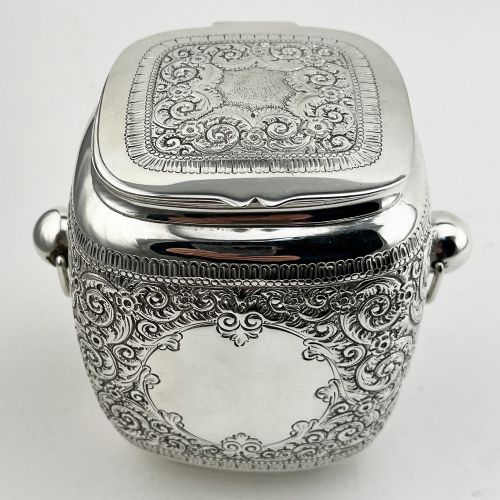
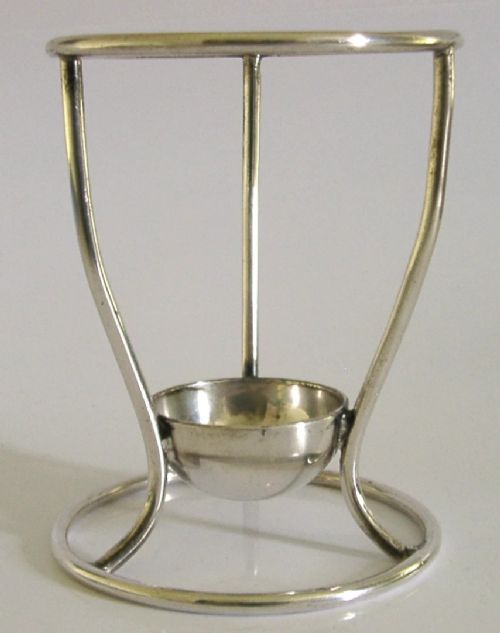
Beyond standard lighting and table supports, specialised items appear, including spoon warmers, egg cruet sets, knife rests and umbrella stands. These diverse utilitarian pieces share a silver-plated surface over base metals like copper, brass or nickel silver.
Materials and methods
Makers relied on Old Sheffield Plate techniques or later electroplating methods to bond a thin layer of silver to a base metal core such as copper or nickel silver. Old Sheffield Plate fused silver to copper under heat, often revealing a thin copper seam along edges, whereas electroplating deposited silver evenly via an electrical current.
Manufacturers shaped these metals through casting, stamping, chasing and embossing to produce detailed surface decoration, floral motifs and figural elements. Handles, mounts and decorative borders were frequently soldered or mechanically fastened to the main body.
Several holders take the form of metal pheasants, sphinxes and detailed belt buckles, keeping dining tables amusingly wild.
Judging quality in silver plate
Quality rests in the weight of the metal, the crispness of the chased or embossed ornamentation, and the preservation of the silver layer over the base metal. Heavy casting indicates superior construction, while shallow stamping yields softer, less defined details.
The degree of wear determines the visual integrity of a piece, as extensive polishing thins the silver plating to expose the underlying copper, brass or nickel silver. Superior items retain their original proportions, structural rigidity and clear maker marks without compromising the decorative surface.
Mappin & Webb·Martin Hall & Co·Elkington·Walker & Hall·Hawksworth Eyre·Garrard & Co·Matthew Boulton·WMF·Brook & Son
The Antique Silver Plate Holders Glossary
- Old Sheffield Plate
- An early method of fusing a sheet of silver to a copper ingot before rolling them together into workable sheets. This technique predates nineteenth-century electroplating and often displays characteristic copper bleeding along cut edges.
- Electroplated Nickel Silver
- Abbreviated as EPNS, this material uses a hard nickel-copper-zinc alloy as the base metal for silver plating. It became the industry standard from the mid-nineteenth century onward for durability.
- Candelabra
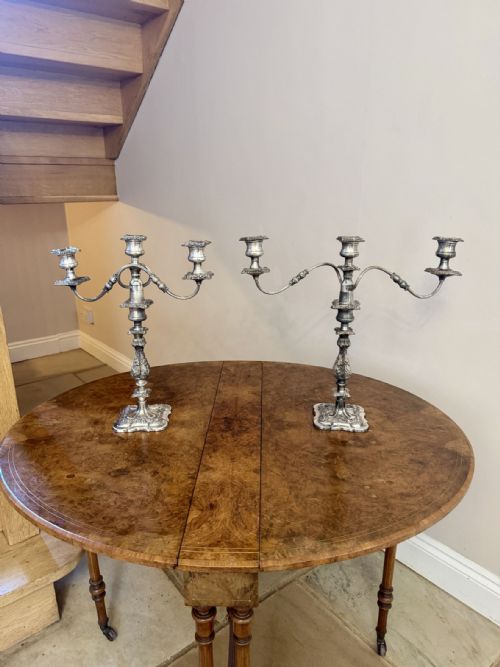
- A branched lighting fixture designed to hold multiple taper candles upon a single central stem and base. Victorian examples often feature removable arms to convert them into standard candlesticks.
- Bottle Coaster
- A small, wheeled or stationary tray designed to hold wine bottles and decanters on the dining table. They frequently feature turned wooden bases and ornate silver-plated pierced galleries.
- Toast Rack
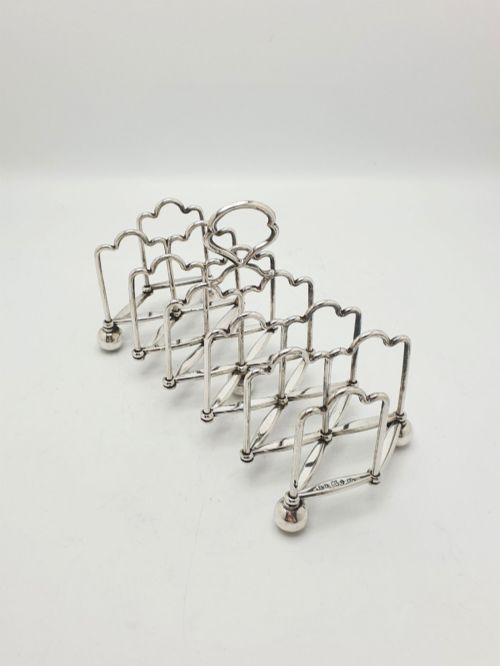
- A framed metal rack with vertical dividers designed to hold slices of toast upright. These pieces often incorporate a central carrying ring and a crumb tray below.
Antique Silver Plate Holders: Frequently Asked Questions
What is Old Sheffield Plate?
Old Sheffield Plate is an early composite material made by fusing silver onto a copper base through heat and pressure. It was used primarily before the invention of electroplating.
Look closely at the rims and edges for a thin line of reddish copper where the silver layer has worn away through age and polishing.
Can I use antique candlesticks daily?
These pieces were built for functional domestic use and handle regular placement on tables or sideboards easily. Ensure wax is removed gently with warm water rather than sharp metal tools.
Keep them away from direct heat sources and damp environments to protect both the metal plating and any internal weighted bases.
How do I date an antique holder?
Examine the overall style, manufacturing technique, and any stamped maker marks or registry numbers on the base. Victorian and Edwardian pieces often display distinct aesthetic movements like Gothic Revival, Aesthetic style or Art Nouveau.
Compare the construction methods, such as the transition from fused Old Sheffield Plate to mid-century electroplating, to narrow down the decade of production.