


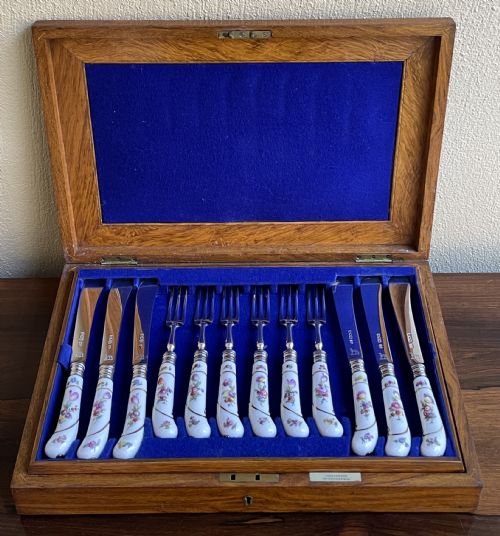


Antique Silver Plate Canteen
An antique silver plate canteen is a fitted chest of cutlery that brings matched order to grand dining.
Antique Silver Plate Canteen
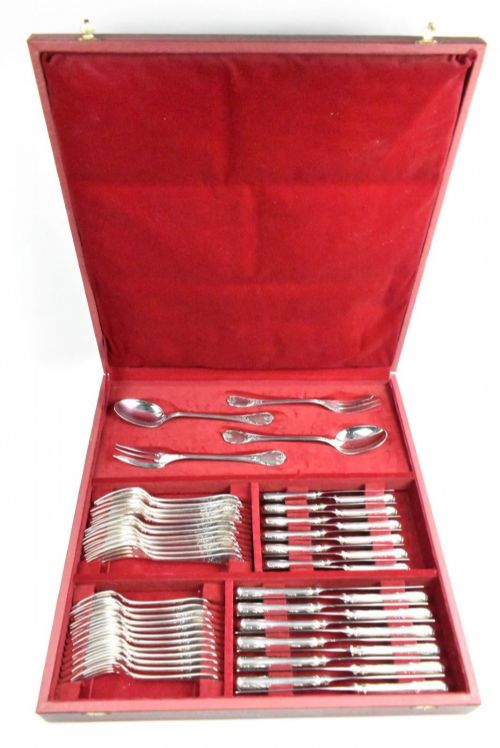
An antique silver plate canteen represents the fitted housing for table service, holding forks, spoons and knives in dedicated slots. These sets range from modest fish services to massive canteens containing over one hundred and fifty pieces for large dining rooms.
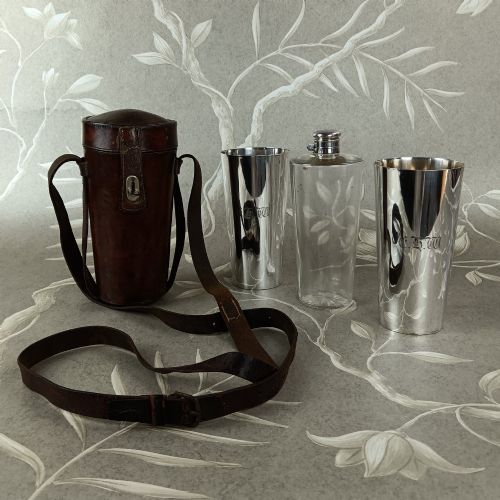
The most common versions on this page date from the Victorian period through to the Art Deco era, often formed as fitted wooden boxes lined with velvet or leather. Alongside standard dining flatware, the listings include specialised campaigns sets, spirit flasks and dessert sets.
The construction of an antique silver plate canteen matches the social ambitions of its era, providing complete services for eight to twelve places. Dining tables of the period required matching patterns such as Kings, Grecian or Marly to present a unified aesthetic.
Materials and Construction
The primary material is silver plate over base metals, shaped into flatware patterns and housed within solid wood carcases of oak or mahogany. Cases are frequently lined with velvet or leather to protect the plated surfaces from friction during transport or storage.
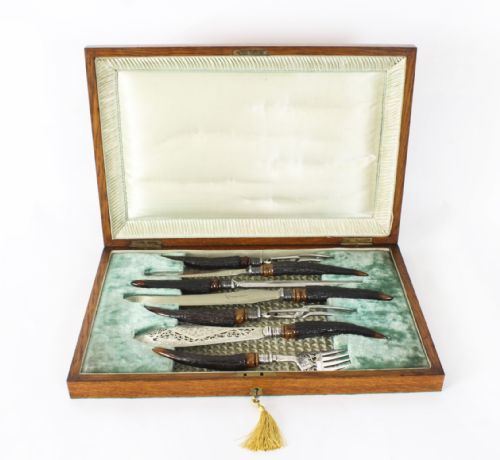
Blades and specialised implements incorporate steel and mother of pearl, particularly in fruit and fish services where organic materials offer contrast to the metal work. Fitted cabinetry uses traditional joinery to secure internal trays and lockable lids.
The listings on this page span the Georgian period through to the 1930s, utilising oak, mahogany, velvet, leather and mother of pearl.
Distinctions in Standard
Quality rests upon the thickness of the silver deposit over the base metal and the preservation of the original plating across high-friction areas like spoon bowls and fork tines. Maker attribution also dictates standing, with firms such as Elkington and Christofle commanding greater respect for their weight and design execution.
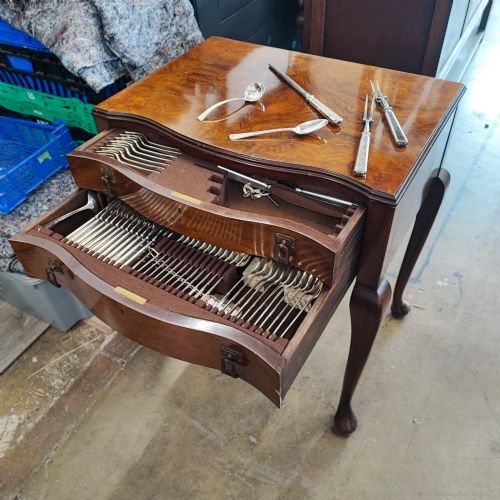
The construction of the housing matters equally, distinguishing simple dovetailed oak boxes from elaborate console tables or fitted leather cases with multiple internal trays. Complete sets that retain every original piece without replacements demonstrate higher integrity than assembled collections.
James Dixon & Sons·Christofle·Carrington·Elkington & Co·Waring & Gillows·Cooper Bros & Sons
The Antique Silver Plate Canteen Glossary
- Silver Plate
- A base metal coated with a layer of silver. This technique allowed households to achieve the appearance of solid silver at a lower cost.
- Canteen
- A fitted box or chest designed to hold a complete set of cutlery. These containers keep service pieces organised and protected from tarnish.
- Flatware
- Table cutlery including forks, spoons and servers. These items form the primary contents of any dining service.
- Campaign Set
- Portable equipment made for travel or military use. These items often feature compact leather cases and robust metal flasks.
- Kings Pattern
- A traditional ornate cutlery design featuring a shell motif at the handle tip. This style remained popular across multiple decades of production.
Antique Silver Plate Canteen: Frequently Asked Questions
What is inside an antique canteen?
An antique canteen contains a matched set of forks, spoons and knives organised within a fitted wooden box or leather case. Larger sets include carving instruments, fish servers and dessert cutlery.
Interior trays lift out to reveal additional layers of flatware, ensuring every dining requirement is met within a single container.
How do I clean silver plate?
Silver plate requires gentle cleaning with dedicated silver polish and a soft cloth to avoid wearing through the thin metal layer to the base. Avoid harsh abrasive dips that strip the residual protective patination.
Store pieces inside their original velvet or leather lined slots within the canteen to reduce exposure to air and minimise tarnishing.
How are different periods identified?
Stylistic indicators such as Art Deco geometric lines or Victorian Rococo Revival scrolls help date the manufacture of the cutlery and its case. Maker marks stamped onto the reverse of the flatware provide specific attribution and registration dates.
The choice of box materials, from heavy oak cabinets to leather campaign cases, also reflects the social context of the manufacturing era.
Can I use these sets daily?
These canteens function well for modern dining provided the cutlery is washed by hand promptly after use rather than placed in an automatic dishwasher. Hand washing protects the silver plate and prevents damage to organic handles like mother of pearl.
Regular use actually helps prevent tarnish accumulation on surfaces that see frequent handling.