


Antique Silver Plaque
When you search for an antique silver plaque, you are looking at metalwork that ranges from wall decor to integrated panels on boxes, spanning multiple centuries and aesthetic movements.
Antique Silver Plaque
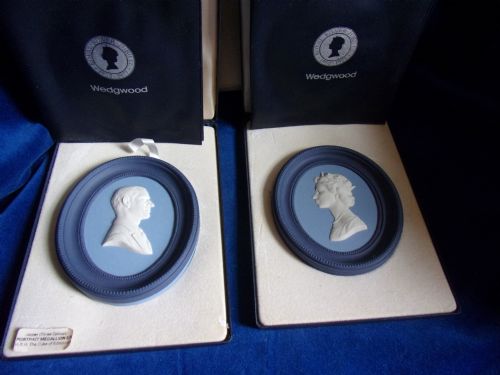
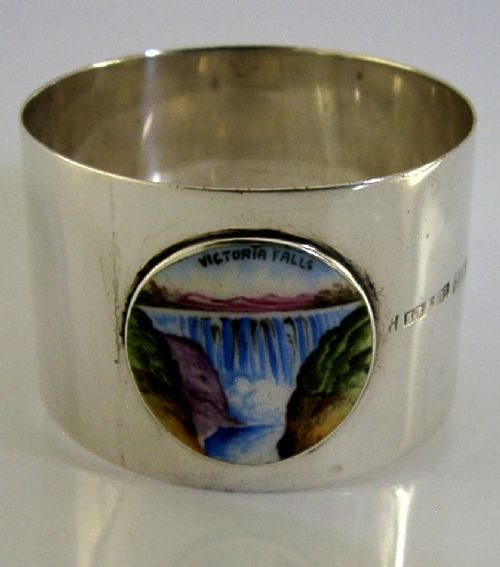
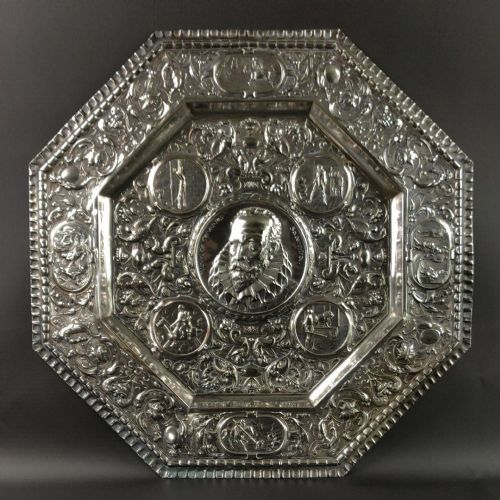
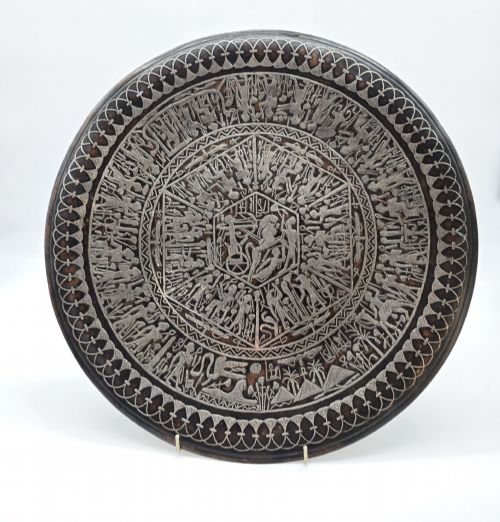
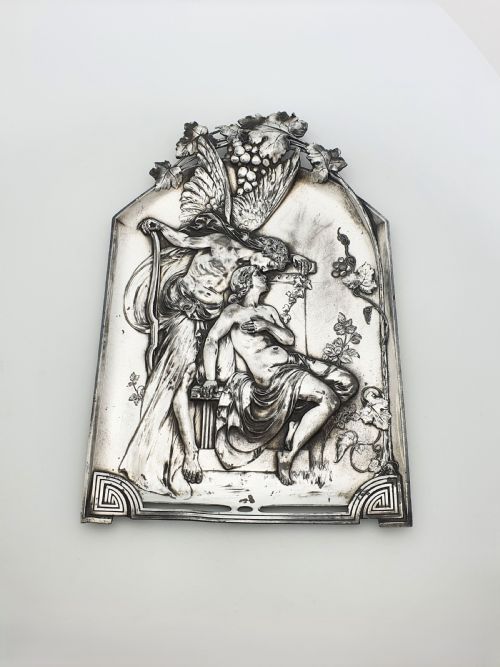
An antique silver plaque covers wall chargers, decorative panels, and mounted components found on vanity jars, boxes, and frames. The examples seen on this page stretch from the Georgian period through Victorian, Edwardian, and Art Deco eras, alongside Arts and Crafts and Egyptian Revival pieces.
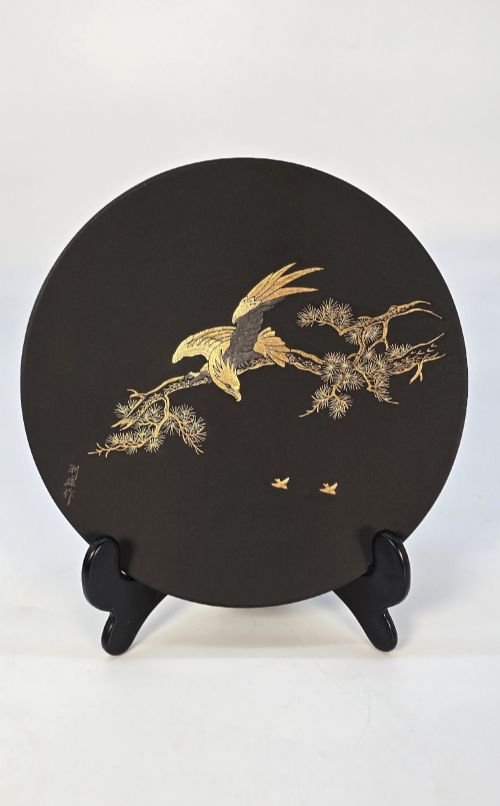
Buyers encounter items made entirely of sterling silver or silver plate, as well as mixed-media works where silver inlay or mounted plaques appear alongside copper, iron, wood, enamel, porcelain, and diamond settings. Forms range from large wall plaques and chargers to smaller decorative inserts and religious ex votos.
How They Were Made
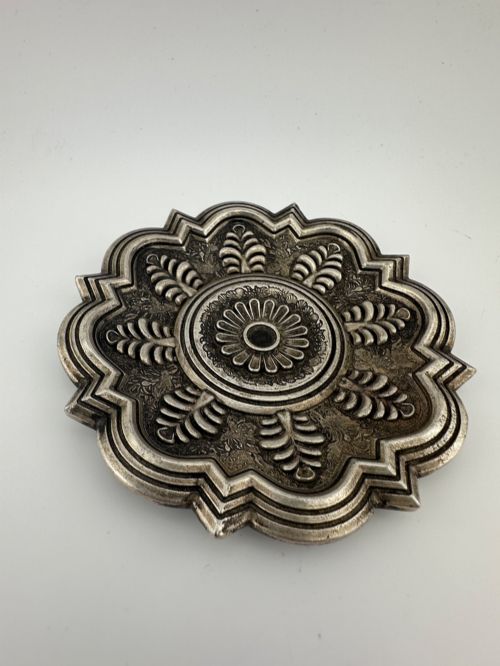
Maker techniques recorded in these listings rely heavily on repoussé work, where metal is hammered from the reverse to form raised relief designs, alongside pierced copper and chased or inlaid silver details on iron and wood.
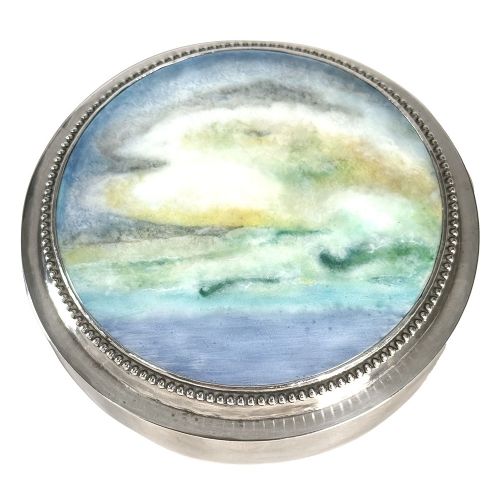
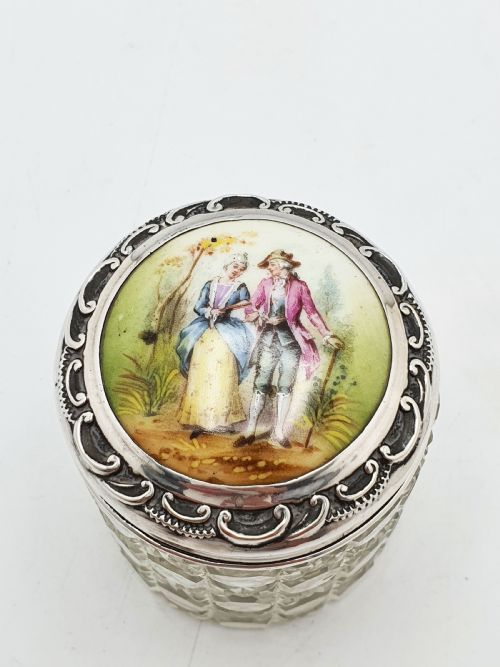
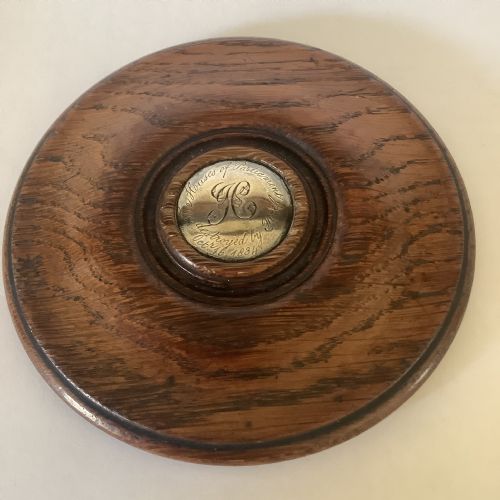
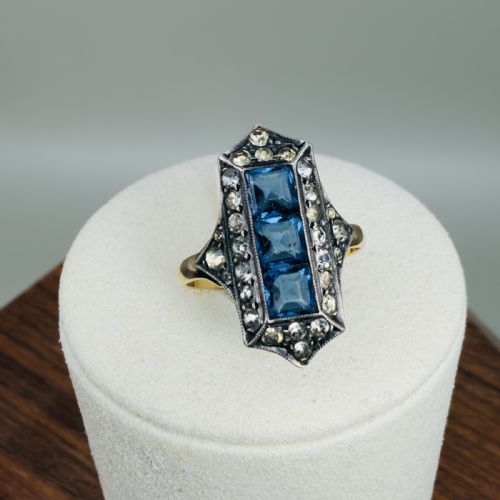
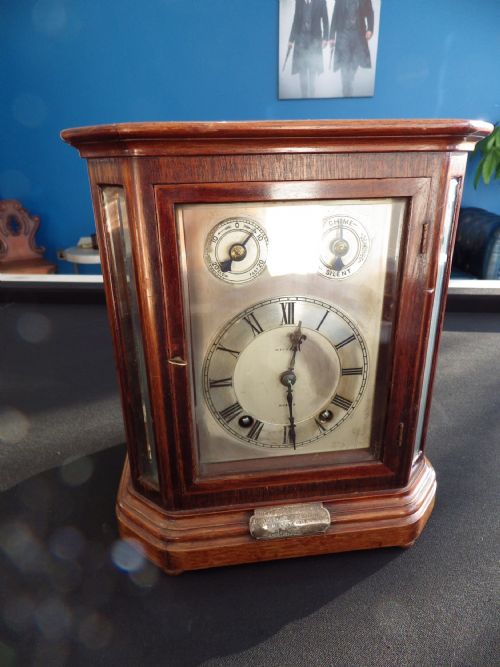
Many pieces incorporate mixed materials, fusing sterling silver, silver plate, or white metal with wood, oak, copper, enamel, and hand-painted porcelain plaques, occasionally complemented by platinum and diamond settings.
Antique Silver Plaque Retail Price Guide 2026
Typical asking prices for silver plaque among the pieces listed under this phrase on Sellingantiques today, from the lower quarter to the upper quarter. They describe what is for sale here now, not the wider market.
Even metal wall chargers occasionally moonlight as devotional offerings or commemorative items from long-forgotten nineteenth-century lawn bowling tournaments.
What Varies in Quality
Quality rests on the crispness of the repoussé relief, the precision of the chasing or metal inlay, and the integration of secondary materials such as enamel, porcelain, or carved wood frames.
The distinction between standard decorative items and finer works lies in the depth of hand-working on the metal surface and the preservation of original patination across silver, copper, and iron.
Guild of Handicrafts·Elkington and Co·WMF
The Antique Silver Plaque Glossary
- Repoussé
- A metalworking technique where a design is hammered into relief from the reverse side of the sheet. This method creates dimensional pictorial scenes and decorative borders on wall plaques and chargers.
- Sterling Silver
- An alloy consisting of silver and other metals, usually copper, meeting a specific fineness standard. It provides the durable base metal for many antique plaques and mounted tablewares.
- Silver Plate
- A layer of silver applied to a base metal substrate such as copper, brass, or iron. Electrotyping and older plating methods allowed makers to produce substantial decorative wall plaques at a lower cost than solid silver.
- Ex Voto
- A religious offering placed in a sacred place as a vow or in gratitude. Antique examples often take the form of metal plaques depicting hearts or limbs.
- Cairo Ware
- Metalwork produced in Egypt around the turn of the twentieth century, typically featuring intricate silver and copper inlay on brass or patinated iron grounds. These pieces were popular during the Grand Tour period.
Antique Silver Plaque: Frequently Asked Questions
How were antique silver plaques displayed?
Many wall plaques and chargers were manufactured with integrated hanging loops or mounted within wooden frames to be hung directly on interior walls.
Smaller plaques often served as decorative insets on vanity jars, boxes, or presentation albums rather than standing alone.
What is Egyptian Cairo Ware?
Cairo Ware refers to decorative metalwork created in Egypt during the late nineteenth and early twentieth centuries for export and travellers on the Grand Tour.
These pieces typically feature contrasting silver and copper wire inlaid into dark metal surfaces to form geometric and floral patterns.
How do I care for silver and mixed metal plaques?
Maintenance requires gentle dusting with a soft, dry cloth to prevent abrasive wear on raised repoussé details and delicate inlays.
Harsh chemical dips should be avoided, particularly when silver is combined with enamel, wood, iron, or porcelain elements.