

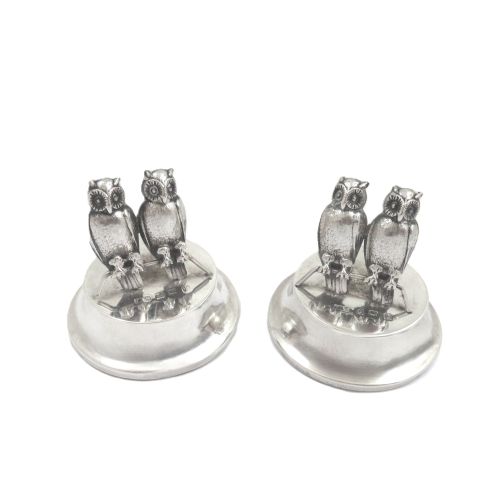
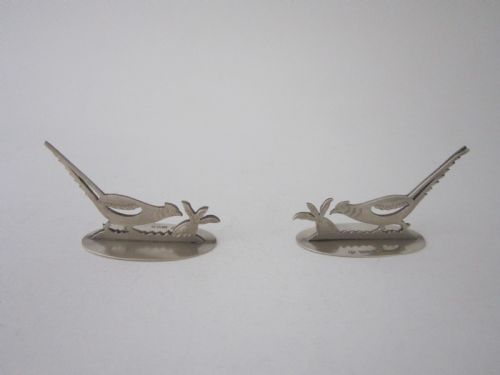

Antique Silver Place Holder
These small table accessories secure cards and menus, combining utility with miniature sculpture.
Antique Silver Place Holder
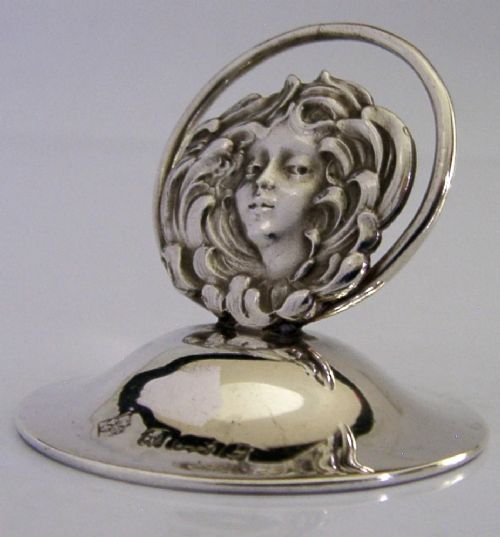
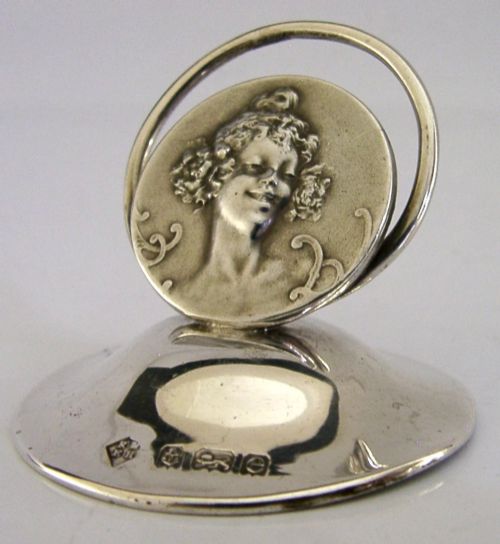
The antique silver place holder encompasses table accessories designed to hold menus and place cards during formal dining. Collectors encounter these pieces most frequently in Edwardian and early twentieth-century forms, alongside Victorian examples.
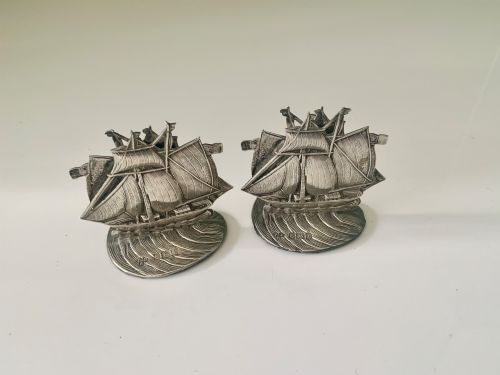
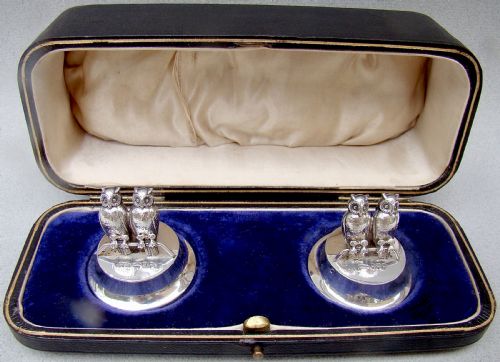
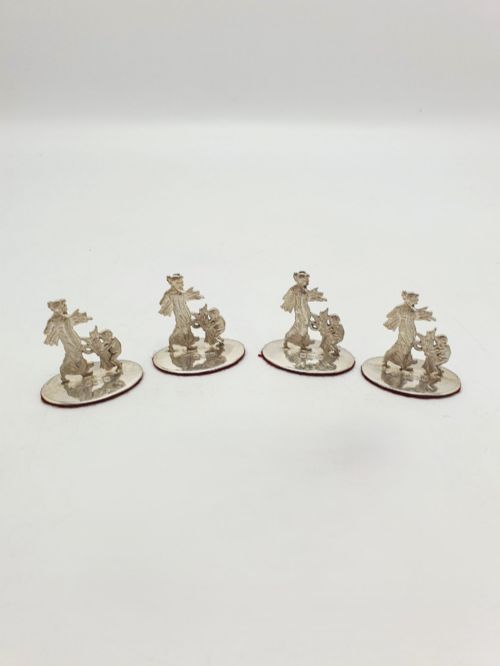
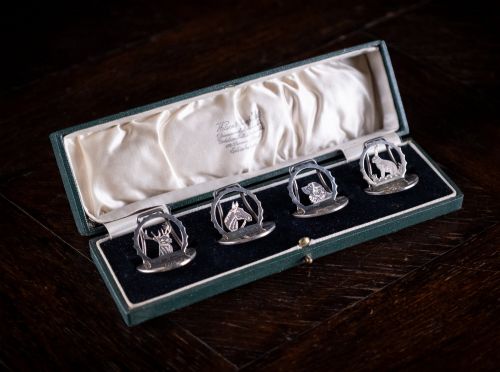
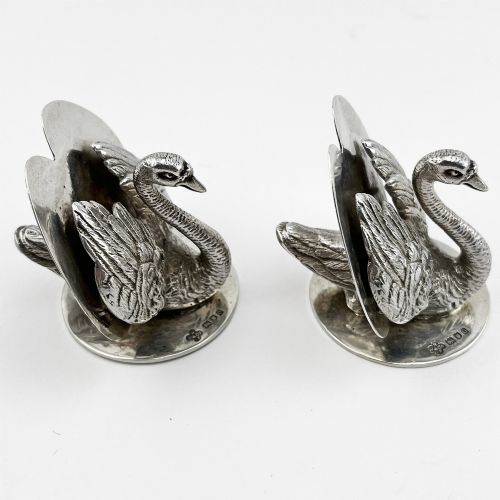
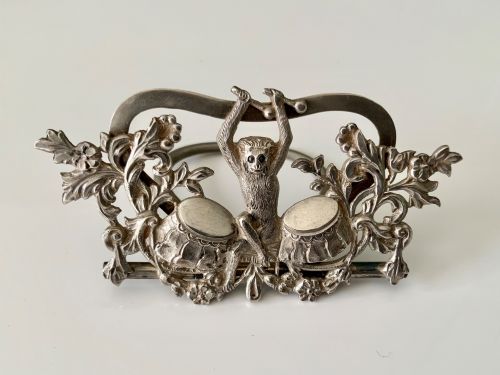
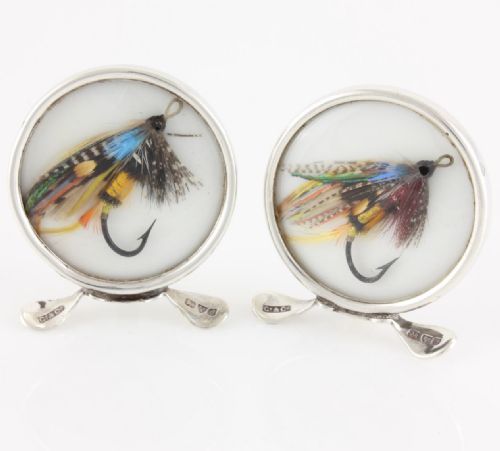
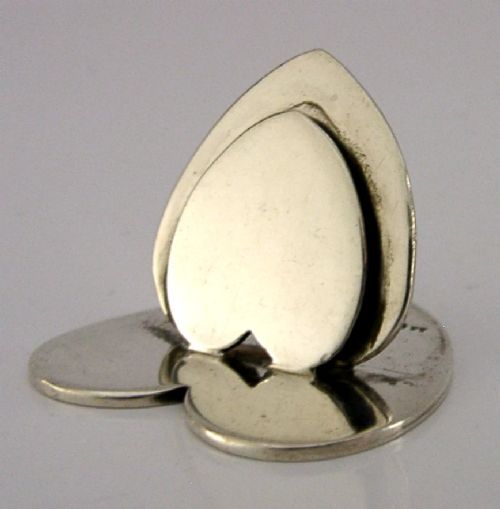
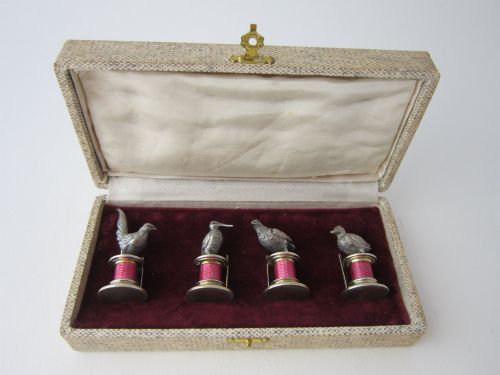
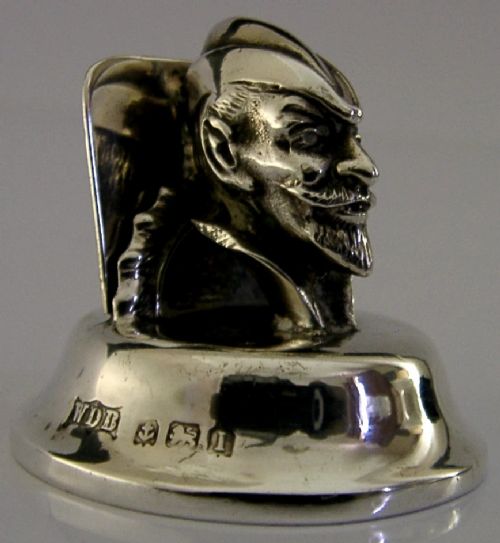
The selection ranges from simple clips to elaborate figural designs representing animals, military subjects, and literary characters. Pieces often appear as matched pairs or larger sets, intended to organise seating arrangements around a dining table.
Makers produced these items to serve a specific domestic function while adding visual interest to the table setting. The diverse styles reflect the changing decorative tastes from the late nineteenth century through the Art Nouveau and Art Deco periods.
Materials and construction
Makers utilised sterling silver and silver plate as the primary structural materials, often combining them with enamel to add colour and detail to figural subjects. Some pieces integrate glass, velvet, silk, or leather within their backing components or presentation boxes.
Squirrels and frogs occasionally join the owls and foxes on the dining table, watching the courses unfold.
Assessing quality and craftsmanship
The integrity of the clip mechanism and the stability of the weighted base affect the practical utility of the piece. Maker marks and clear hallmarks provide reliable indicators of origin and standard.
Levi & Salaman·A. Wilcox·Grey & Co·Sampson Mordan·Asprey
The Antique Silver Place Holder Glossary
- Sterling silver
- A silver alloy containing 92.5 percent pure silver and 7.5 percent other metals, usually copper, to increase durability. This standard is marked with specific assay office symbols.
- Menu holder
- A table accessory fitted with a slot or clip to display the meal selection to diners. These items match the design aesthetic of accompanying place card markers.
- Place card holder
- A small desk or table stand designed to display a guest name card at a designated seat. They often share identical figural motifs with contemporaneous menu holders.
- Assay office
- An official body that tests the purity of precious metal items and stamps them with hallmarks. Common locations include London, Birmingham, and Chester.
- Figural
- A style of decorative art representing human or animal forms rather than abstract patterns. These pieces require specialised casting techniques to capture anatomical details.
Antique Silver Place Holder: Frequently Asked Questions
How were place holders used?
Hosts placed these accessories around the dining table to direct guests to their assigned seats and to display the courses of the meal. They formed part of formal table service.
Sets were often arranged symmetrically across the table to maintain a cohesive decorative scheme during large dinner parties.
How do I care for silver table accessories?
Maintenance involves gentle cleaning with a soft cloth to remove tarnishing without damaging delicate details or enamel work. Avoid abrasive substances that can scratch the metal surface.
Storing pieces in lined boxes or dry environments helps preserve their finish when not in active use on the table.
How are different periods identified?
Hallmarks stamped onto the silver provide direct evidence of the assay office, standard of metal, and year of manufacture. Stylistic indicators like Art Nouveau curves or Art Deco lines also point to specific eras.
Maker marks help link individual items to known workshops active during the Edwardian or George V periods.