


Antique Silver Place Clip
An antique silver place clip grips dining cards firmly, adding small sculptural charm to formal tables through Edwardian and Victorian sterling silver.
Antique Silver Place Clip
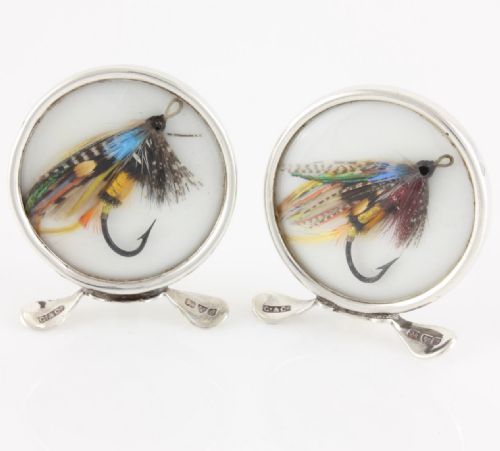
An antique silver place clip combines practical dining service with miniature sculpture, holding menu cards or place markers upright on the table. You will frequently encounter Edwardian and Victorian sterling silver examples taking the form of birds, animals, and figurative subjects.
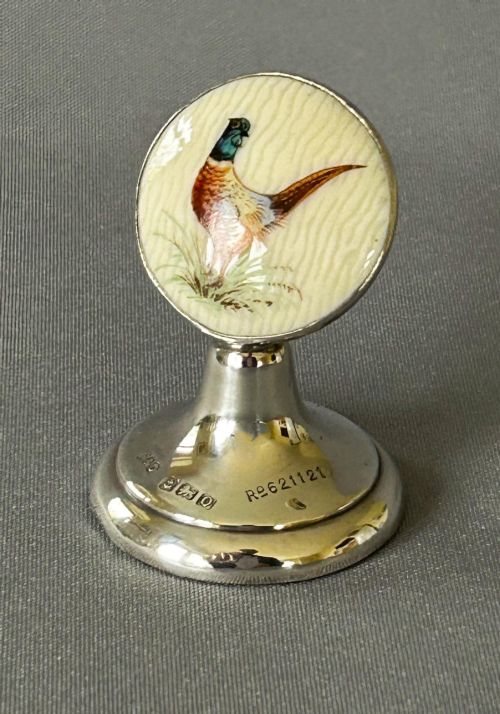
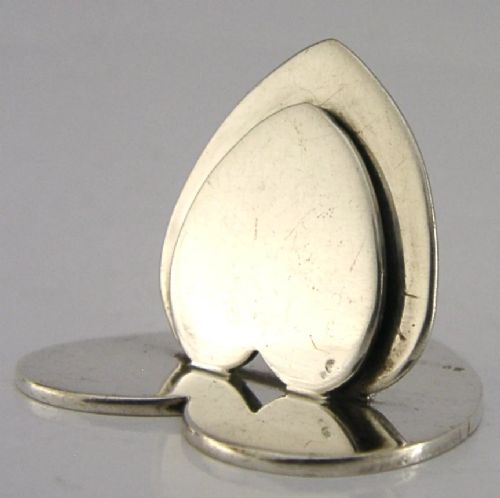
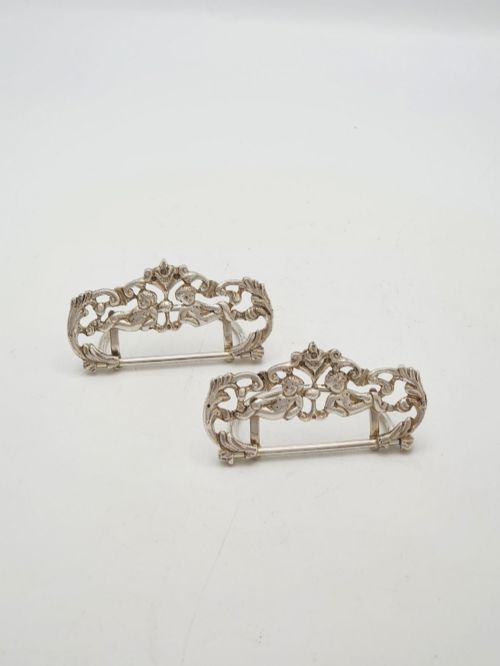
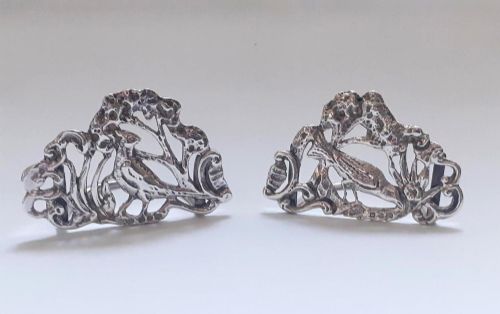
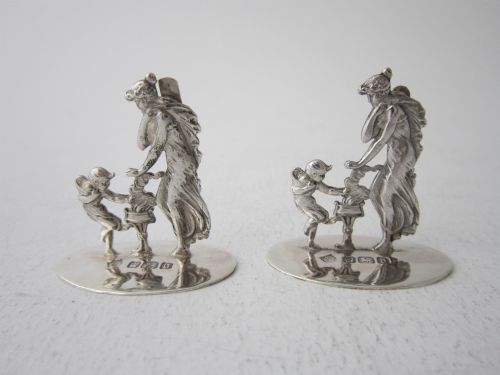
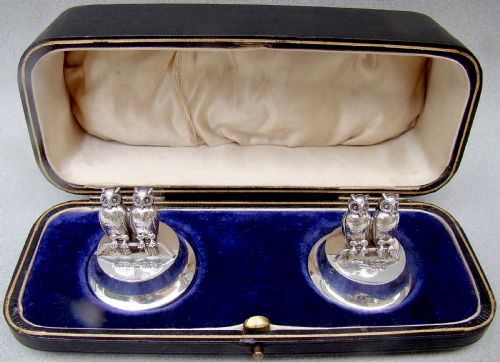
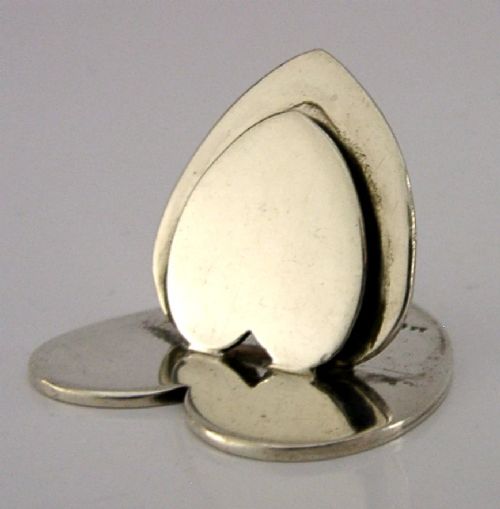
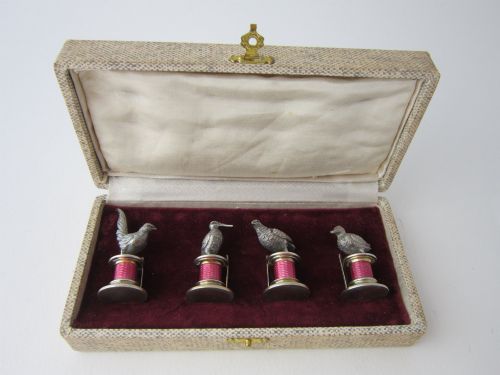
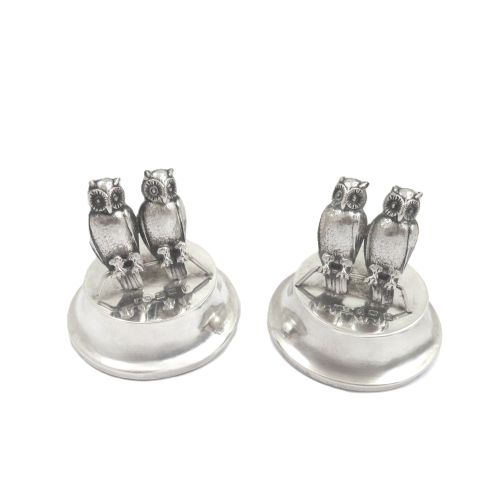
Makers produced these pieces as single items, pairs, or matched sets, often tailored for specific themes like military service, literature, or natural history. The designs range from simple geometric clips to elaborate figures such as owls, pheasants, cherubs, and characters from Alice in Wonderland.
Materials and construction
Silversmiths utilised sterling silver alongside base metals for silver-plated variants, often incorporating enamel to render colourful details on birds, flags, and crests. Some pieces integrate glass, leather, velvet, silk, or feathers to support the structural clips and display surfaces.
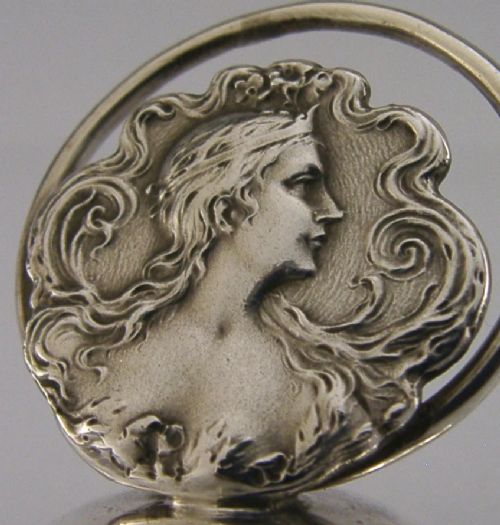
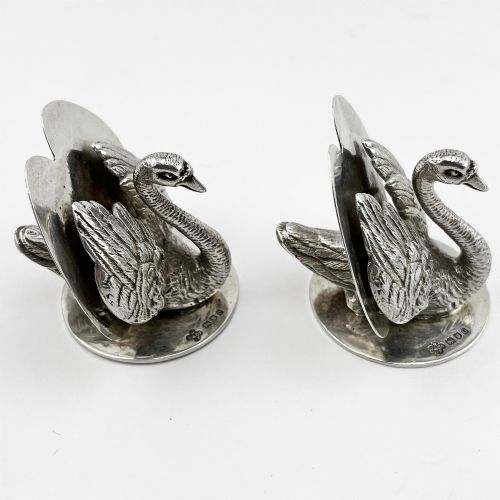
The fabrication relied on casting, stamping, and hand-chasing to achieve intricate figurative forms like monkeys, swans, and maidens. Hallmarks stamped directly into the metal record the assay office, year of manufacture, and the standard of silver.
Antique Silver Place Clip Retail Price Guide 2026
Typical asking prices for silver place clip among the pieces listed under this phrase on Sellingantiques today, from the lower quarter to the upper quarter. They describe what is for sale here now, not the wider market.
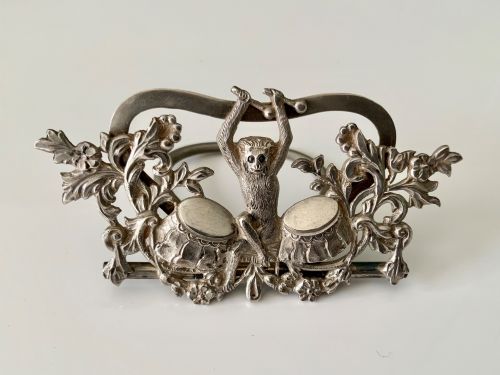
A monkey caught mid-drum beat stands ready to marshal your dinner guests.
What separates the best pieces
Quality rests in the crispness of the casting and the depth of hand-chasing, where finer examples preserve sharp facial expressions and feather details. The complexity of the subject matter, such as multi-part animal figures or detailed enamel work, dictates the standard of execution.
Completeness within cased pairs or larger sets preserves higher value, as does the clarity of the original hallmarks stamped by makers like Sampson Mordan or Levi & Salaman. The integration of functional spring clips that maintain tension without damaging the card separates superior designs from simpler ones.
Sampson Mordan·Levi & Salaman·Grey & Co.·Asprey
The Antique Silver Place Clip Glossary
- Sterling silver
- A standard alloy consisting of ninety-two point five percent silver and seven point five percent other metals, usually copper. This composition provides the durability required for small, functional table items.
- Hallmark
- A set of official marks stamped onto precious metal items to guarantee the purity of the silver, the maker, and the year of assay. These marks allow collectors to trace the exact origin of a piece.
- Menu holder
- A small desk or table accessory designed to stand upright and display a card listing the courses of a meal. They often share forms and mechanisms with place card holders.
- Chasing
- A metalsmithing technique where the artisan hammers the front surface of the metal to push details inward and create raised relief designs. This method defines the feathers, fur, and clothing on figurative pieces.
- Enamel
- A durable glass-like substance fused to the surface of metal through high-temperature firing to add colour and pattern. It appears on specific decorative highlights such as bird plumage and military flags.
Antique Silver Place Clip: Frequently Asked Questions
How do you use antique silver place clips?
These small stands sit beside dinner plates to hold printed menu cards or handwritten guest name cards. They elevate the card off the tablecloth for easy reading during formal meals.
Collectors today frequently display them on cabinet shelves or utilise them for their original purpose during dinner parties.
What is the difference between menu holders and place clips?
Menu holders were generally built slightly larger to support stiffer menu cards listing multiple courses for a table or individual guest. Place clips or markers were scaled down to hold single name cards designating seating arrangements.
In practice, makers and contemporary users often applied both terms interchangeably to the same range of small silver table accessories.
How do I date an antique silver place clip?
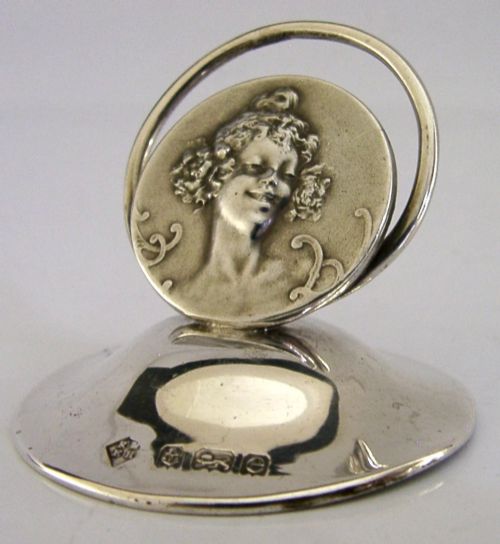
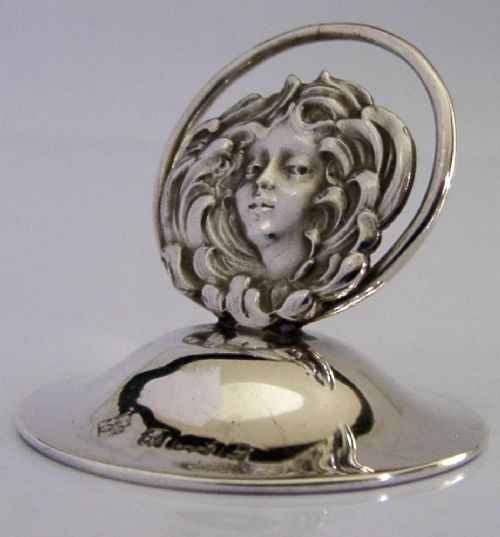
You date these pieces by examining the hallmarks stamped into the silver, which include a date letter corresponding to the specific year and assay office. Stylistic clues such as Art Nouveau curves or Edwardian naturalism also indicate the manufacturing period.
Most surviving examples originate from the late nineteenth century through to the early decades of the twentieth century.
Why do some silver place clips feature animals?
Victorian and Edwardian dining culture favoured elaborate table decorations themed around natural history, shooting sports, and domestic pets. Birds, foxes, owls, and pheasants reflected the rural pursuits popular among the dining classes of the era.
Figurative designs also provided a playful conversational element for guests seated at formal dinner tables.