


Antique Menu Holders
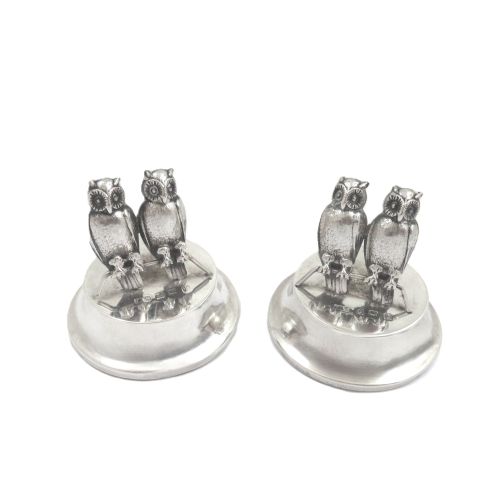
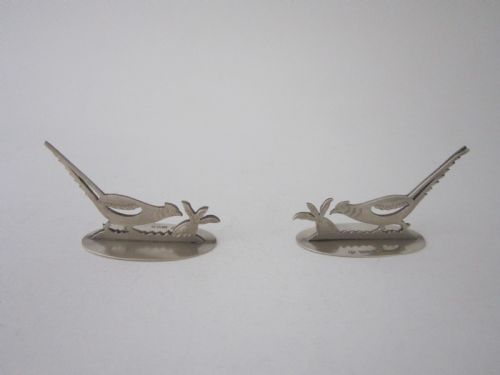
These antique menu holders organise dining tables with silver figures and weighted bases, bringing character to formal meals.

Antique Menu Holders
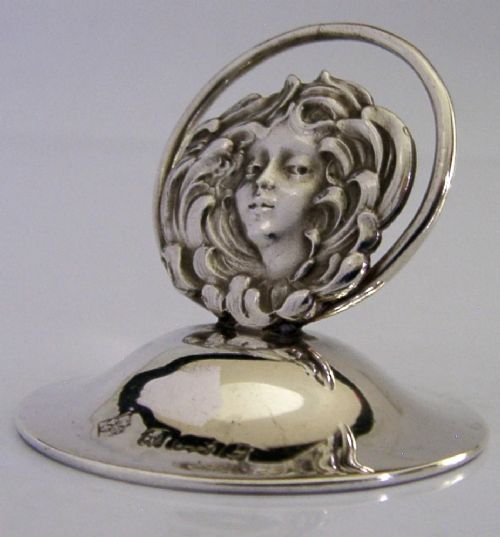
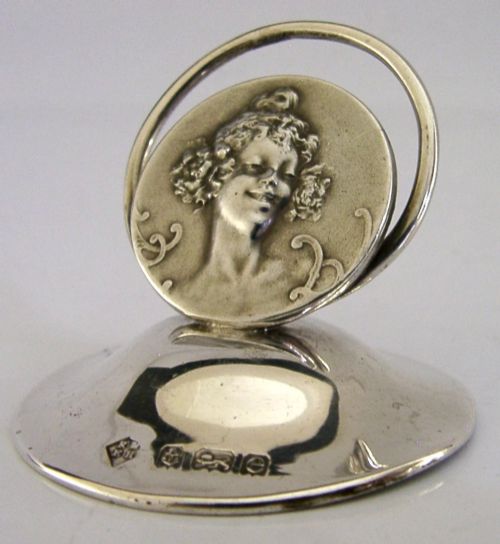
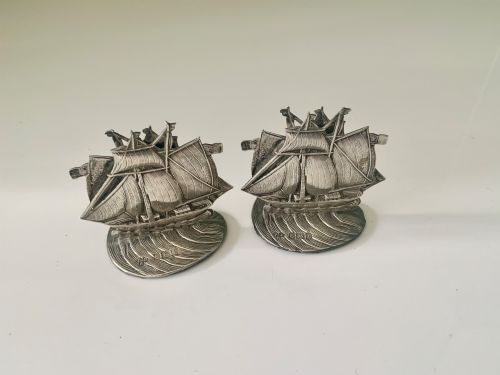
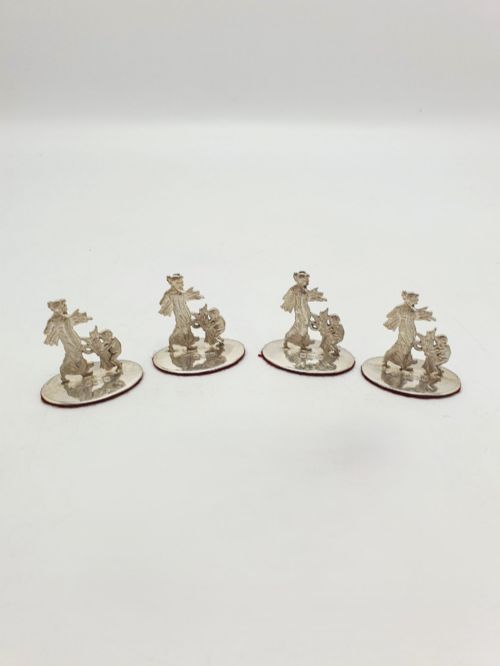
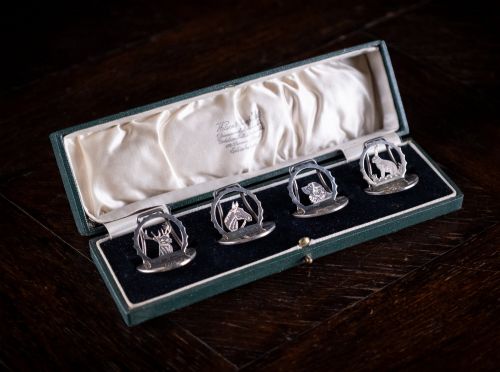
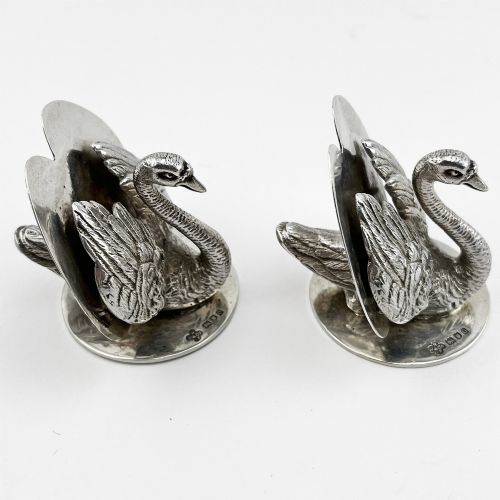
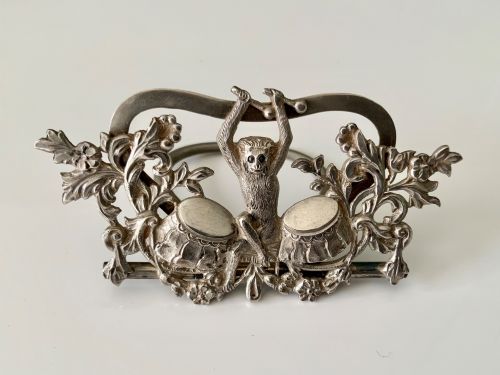
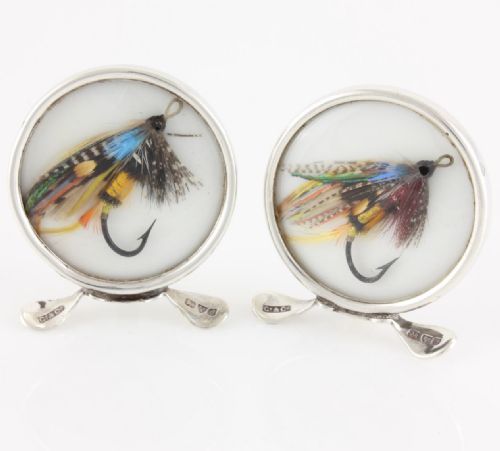
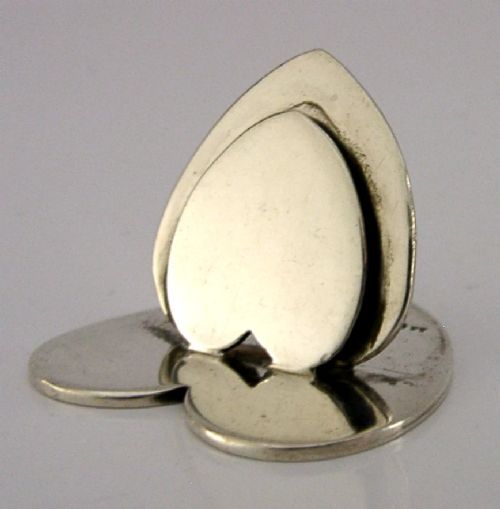
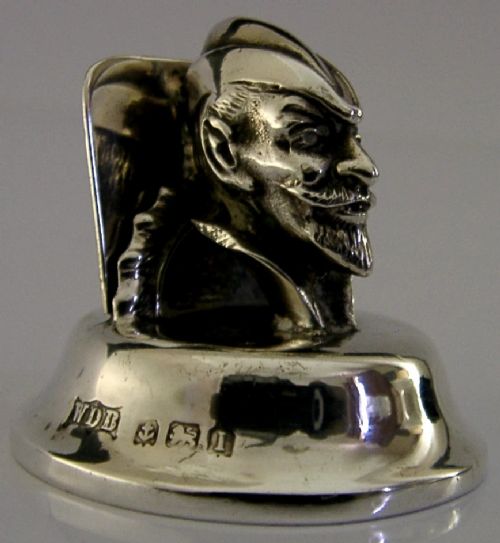
Antique menu holders served a practical purpose on formal dining tables by holding handwritten dinner menus or place cards upright for guests to read. They appear most frequently as Edwardian sterling silver tabletop accessories modelled as animals, birds, ships, and figural subjects.
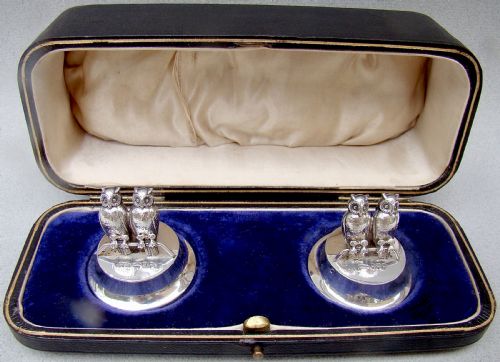
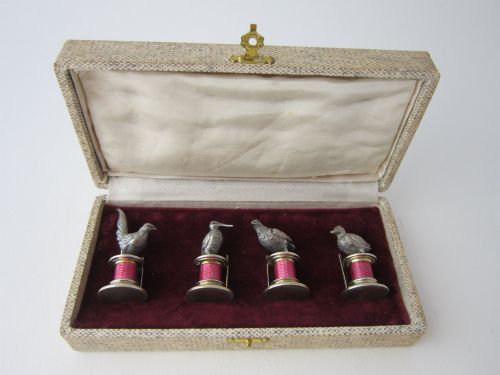
Makers produced these pieces individually or in matched sets ranging from pairs to groups of twelve or twenty-four for large banquets. Alongside silver, variations include silver plate, enamel, tortoiseshell, mother of pearl, and ceramic or parian figures from the Victorian era onwards.
The form spans the nineteenth century through the Edwardian period, George V and George VI eras, and into the mid-twentieth century. Collectors encounter designs reflecting British military themes, sporting subjects, and literary characters like Alice in Wonderland.
How they were made
Makers combined silver with organic materials including tortoiseshell, mother of pearl, velvet, silk, and leather to form the backing plates and display surfaces. Weighted internal bases or flat cast platforms kept the upright supports stable on dining tables beneath heavy card stock.
Materials across these listings include sterling silver, silver plate, enamel, tortoiseshell, mother of pearl, velvet, silk, leather, and glass.
What varies in quality
Quality rests in the crispness of the casting and the depth of the hand-chased detail on figural models such as birds, foxes, owls, and human figures. Well-executed pieces display sharp textures and balanced proportions that stand securely without leaning.
The completeness of original matching sets and the presence of maker marks or presentation boxes elevate certain pieces above standard production items. Pieces enhanced with polychrome enamel work or unusual subject matter represent finer manufacturing standards.
Levi & Salaman·A. Wilcox·Grey & Co·Sampson Mordan·Asprey·Omar Ramsden·Mappin & Webb
The Antique Menu Holders Glossary
- Sterling silver
- A silver alloy containing 92.5 percent pure silver by mass and 7.5 percent other metals, usually copper. This standard composition provides the durability required for detailed casting and engraving on small tabletop items.
- Place card holder
- A small weighted stand designed to display the name of a dinner guest beside their plate. These items share construction methods and forms with menu holders.
- Hallmark
- An official stamp applied by an assay office indicating the purity of the metal, the maker, and the year of production. British silver pieces typically carry marks denoting cities such as London, Birmingham, or Chester.
- Parian
- A type of fine biscuit porcelain developed in the nineteenth century to imitate white marble. Figures in this material were sometimes adapted for table ornaments.
- Silver plate
- A base metal coated with a thin layer of pure silver through electroplating or older fusion methods. This technique offered a more affordable alternative to solid sterling silver.
Antique Menu Holders: Frequently Asked Questions
How were menu holders used at dinner parties?
Hosts placed these items along dining tables to hold printed or handwritten menus and place cards so guests could easily view the courses and seating arrangements.
Set in matched pairs or larger groups, they matched the scale of formal service pieces and provided a decorative focal point between plates.
What periods do most antique menu holders come from?
The majority originate from the Edwardian era and the early twentieth century, spanning the reigns of George V and George VI.
Earlier examples extend back into the Victorian period, while occasional pieces appear from the mid-nineteenth century and up to the mid-twentieth century.
How do I identify the maker of a silver menu holder?
Makers marked their pieces with registered punch stamps near the base or on the reverse of the upright clip. These sponsor marks work alongside city assay office symbols and date letters to identify the workshop and year.
Prominent retailers and silversmiths like Sampson Mordan and Asprey stamped their names or initials directly onto the silver.
Are menu holders sold as single items or sets?
You find them both as individual items and in matched pairs, sets of four, or larger groups up to twenty-four pieces. Complete boxed sets intended for grand banquets remain particularly sought after by collectors.
Single pieces often turn up as novelty animals or figural subjects created for specific collectors or regiments.