




Edwardian Silver Table Decor
Edwardian silver table decor brings distinct formality to a dining room through small, functional pieces designed to order the table.

Edwardian Silver Table Decor
When you search for edwardian silver table decor, you encounter small decorative and functional accessories that dress a formal dining table. These pieces organise the table setting and add polish to the meal.
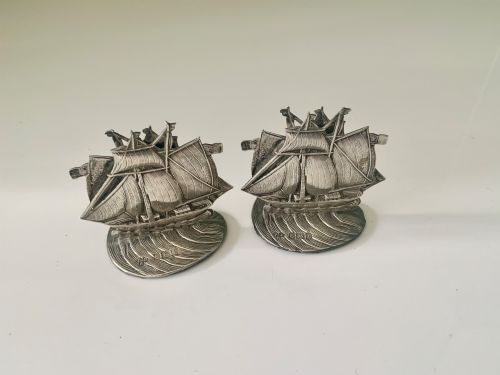
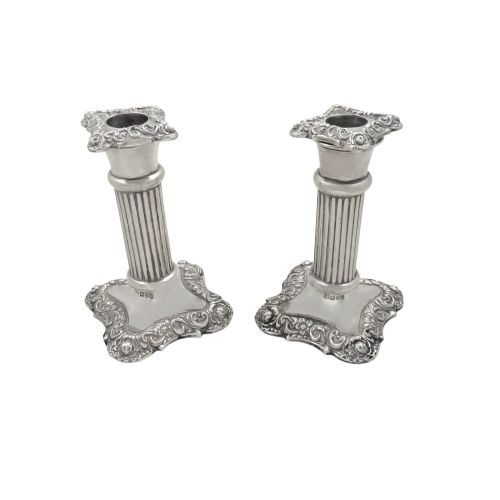
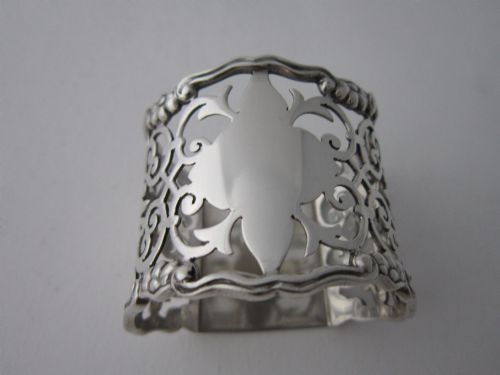
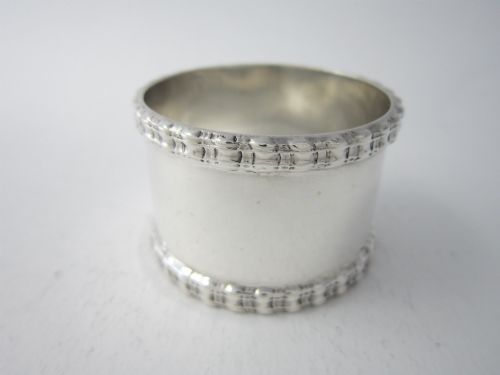
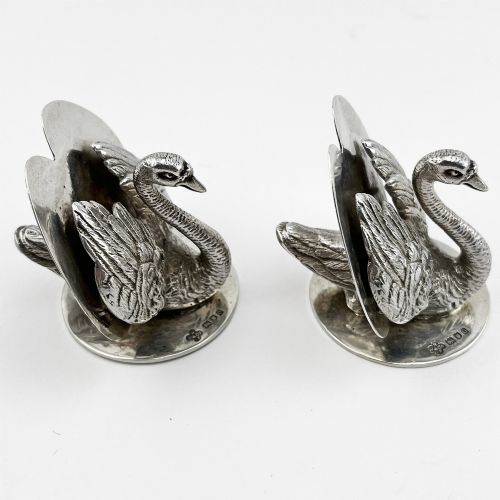
The selection on this page consists predominantly of napkin rings, menu holders, candlesticks, and knife rests. You also meet place card holders, bowls, and picture frames.
Most items date from the Edwardian period and the reign of George V, alongside Victorian and later examples. Materials range from sterling silver and silver plate to nickel silver, leatherette, velvet, and silk.
Materials and construction
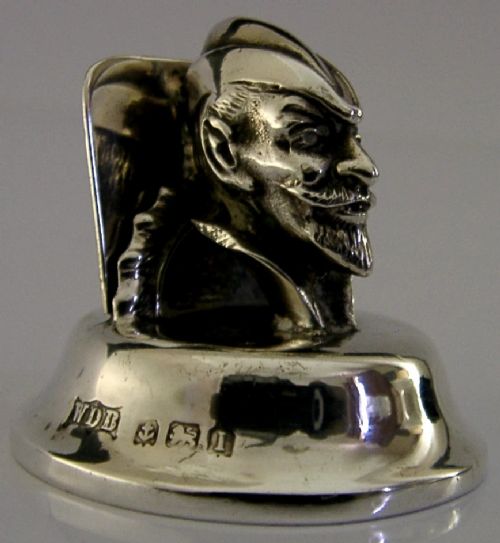
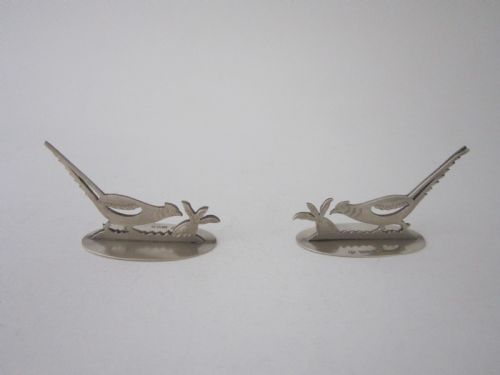
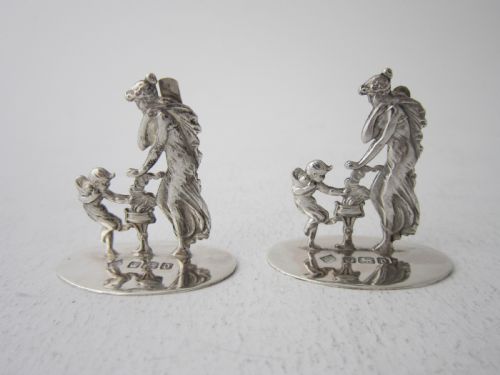
Makers shaped sterling silver and silver plate through casting, stamping, and piercing to create detailed forms such as animals, figures, and architectural motifs. Base metals like nickel silver and EPNS provided durable alternatives for plated items.
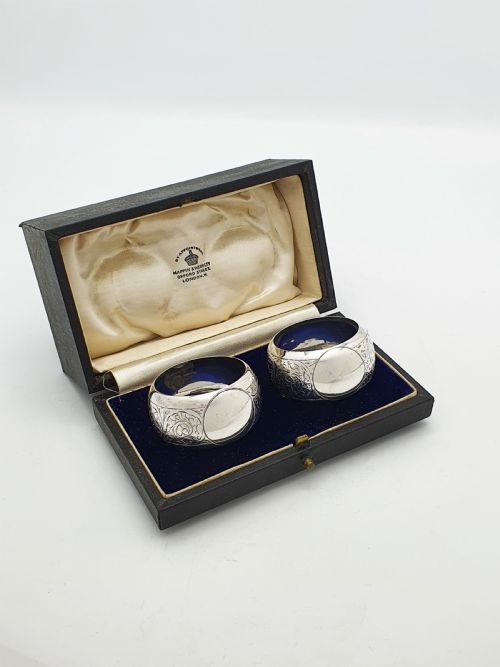
Textured elements such as mother of pearl feature in knife rests, while fitted presentation cases often utilise leatherette, velvet, and silk linings to house napkin rings and sets securely.
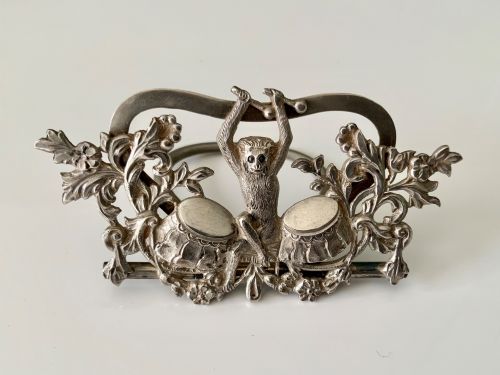
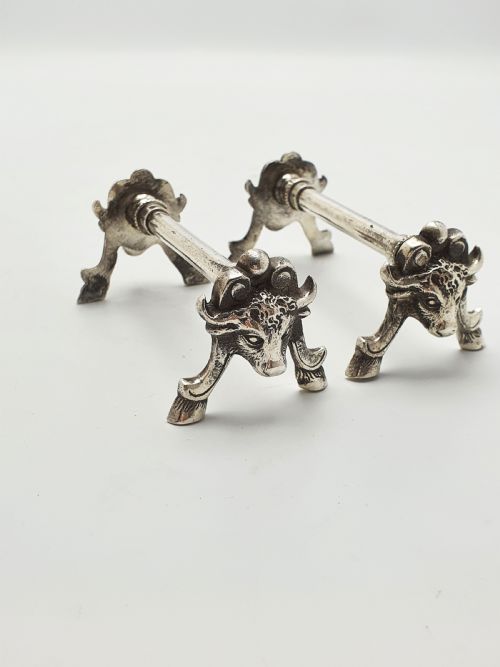
A monkey playing drums and a bull head appear among the menu holders and knife rests.
Judging quality in table accessories
The integrity of the metal, whether solid sterling silver or well-maintained silver plate, determines the longevity and visual weight of candlesticks and bowls. Matching sets that retain their original fitted cases also demonstrate a higher grade of preservation.
Mappin & Webb·Elkington & Co·Thomas Bradbury & Sons Ltd·Guild of Handicraft·Liberty
The Edwardian Silver Table Decor Glossary
- Sterling silver
- A silver alloy containing 92.5 percent pure silver and 7.5 percent other metals, usually copper, ensuring durability for tableware.
- EPNS
- Electroplated Nickel Silver, a common base metal method used to apply a thin layer of silver to items like knife rests and candlesticks.
- Menu holder
- A small upright stand designed to display the menu or place cards for diners at formal meals.
- Knife rest
- A small horizontal support placed beside a plate to keep used cutlery raised off the tablecloth between courses.
- Napkin ring
- A cylindrical band used to identify and store individual table napkins between uses.
Edwardian Silver Table Decor: Frequently Asked Questions
What is Edwardian silver table decor?
These items are small silver and silver-plated accessories used to set and decorate a formal dining table. They include functional pieces like napkin rings and knife rests alongside decorative items such as menu holders and candlesticks.
Most pieces date from the early twentieth century and reflect the elaborate dining customs of the period. They combine utility with ornamental design, often incorporating figural motifs.
How were menu holders used?
Menu holders sat on the dining table to display the dishes being served during multi-course meals. Guests consulted them to know what food would follow.
They often took sculptural forms, such as animals, figures, or architectural shapes, serving as conversation pieces as well as practical markers.
How do I care for silver table items?
Silver table items require gentle cleaning with a specialised silver cloth or polish to remove tarnish without abrading the surface. Regular, light cleaning preserves the detail on chased or cast designs.
Store pieces in dry conditions, and keep items with silk or velvet lined cases away from excessive moisture to protect the interior fabrics.
How do I identify Edwardian styles?
Edwardian silver often displays lighter, neoclassical-inspired motifs compared to heavier Victorian designs. You frequently encounter garlands, ribbons, and pierced scrollwork.
Hallmarks stamped onto the sterling silver provide exact date letters and assay office marks, allowing you to trace the year of manufacture precisely.