

Antique Silver Picture
An antique silver picture frame or locket holds a cherished portrait within precious metal, bringing period craftsmanship directly into daily surroundings.
Antique Silver Picture
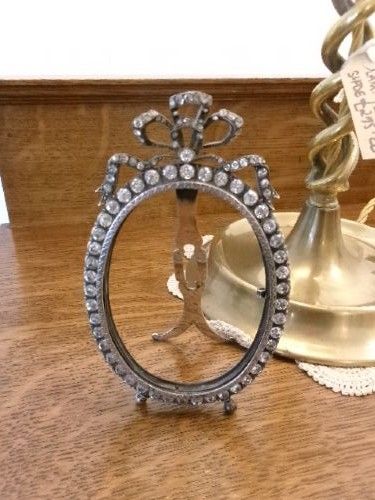
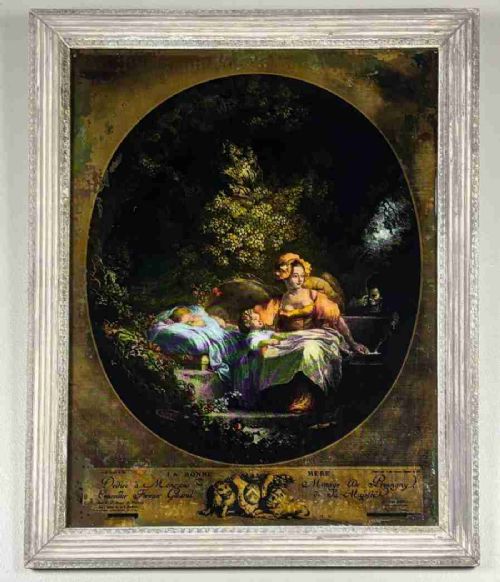
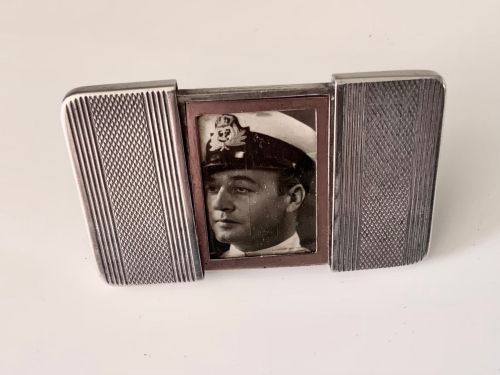
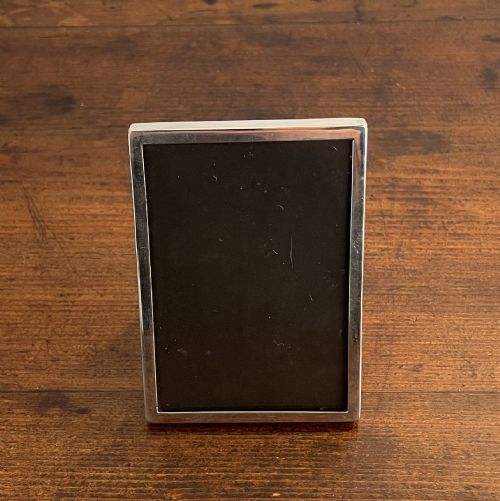
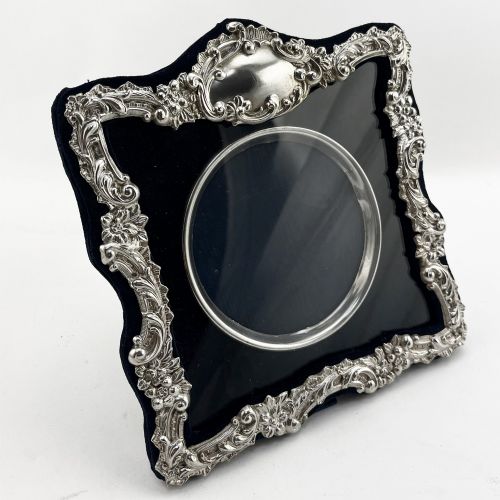
An antique silver picture piece primarily takes the form of a photograph frame, locket, or trinket box, created to display or contain portraits and personal mementoes. The selection spans structural forms ranging from small desk accessories to large wall or table frames.
Most examples originate from the Victorian and Edwardian eras, alongside George V periods, featuring distinctive stylistic shifts from floral motifs to geometric lines. Makers adapted sterling silver to house painted miniatures, oils, and early photographs alike.
How they were made
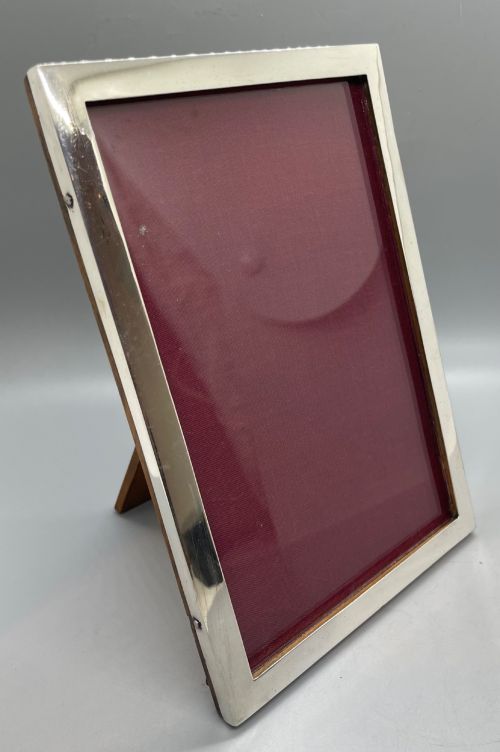
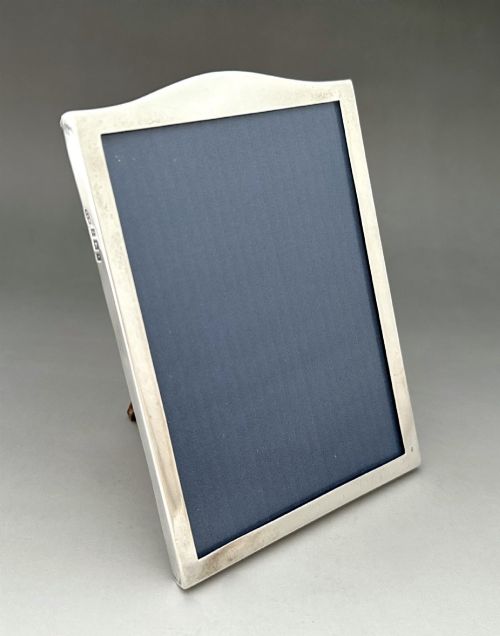
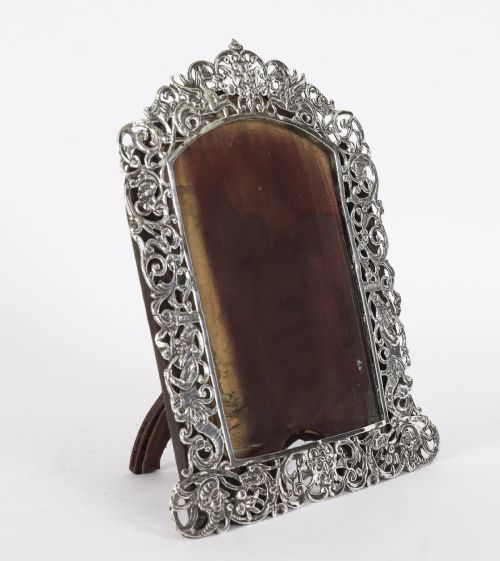
Silversmiths constructed these objects using sterling silver mounted over structural wooden backs, often supported by integrated velvet or silk covered struts. Glass protected the portrait face within, while fabric linings secured the interior rear.
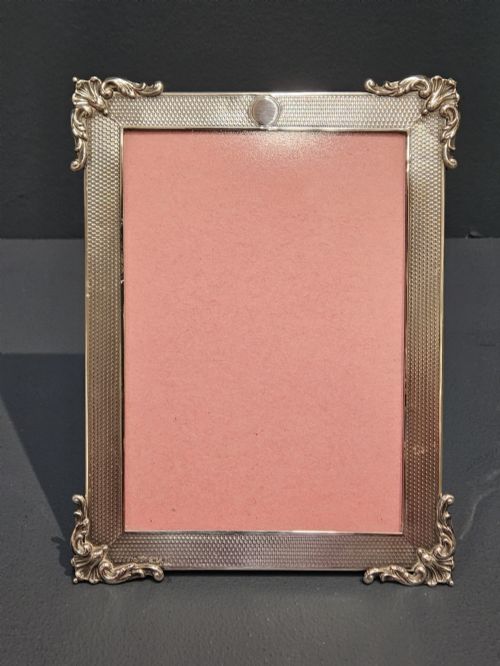
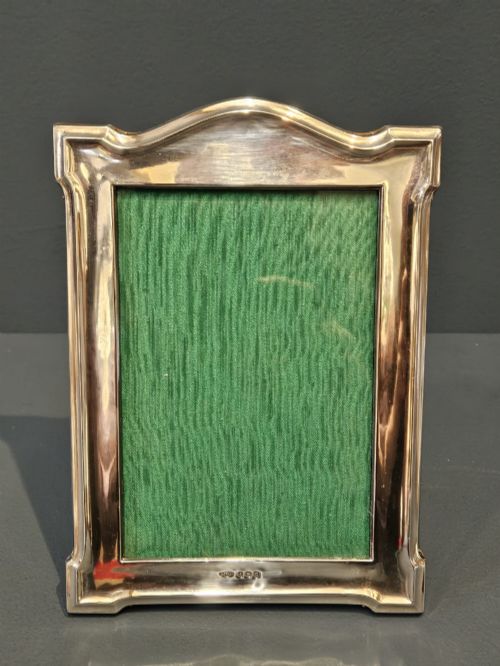
Techniques combined sheet silver pressing with hand chasing, engraving, and casting, frequently incorporating enamel work or tortoiseshell mounts. Assay office hallmarks stamped into the metal record the specific year and location of manufacture.
Antique Silver Picture Retail Price Guide 2026
Typical asking prices for silver picture among the pieces listed under this phrase on Sellingantiques today, from the lower quarter to the upper quarter. They describe what is for sale here now, not the wider market.
Several frames immortalise long-gone pets, featuring tiny silver owls, dogs, and butterflies clambering up the borders.
What varies in quality
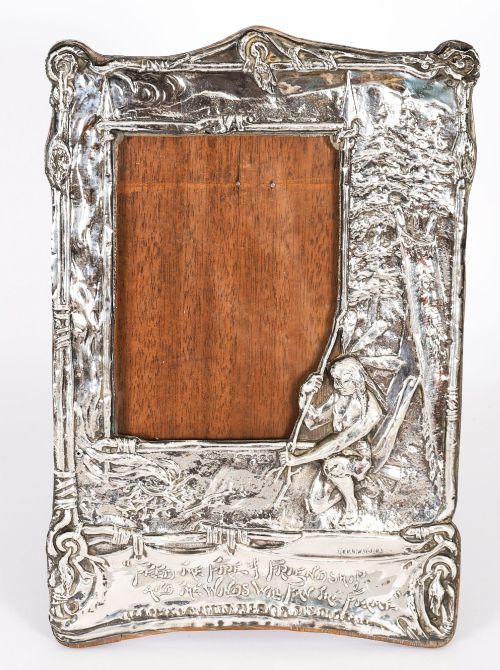
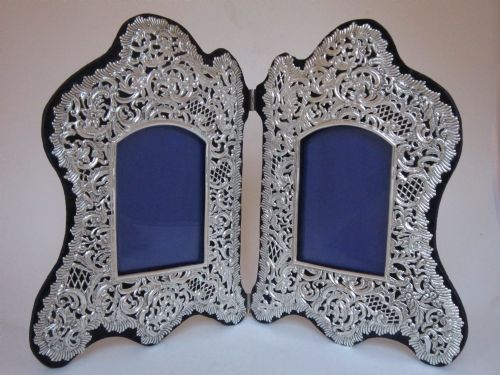
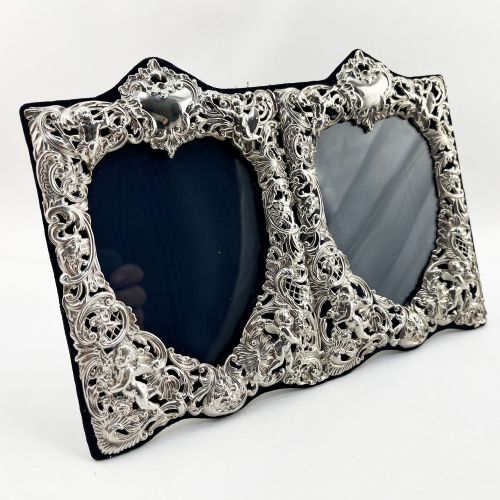
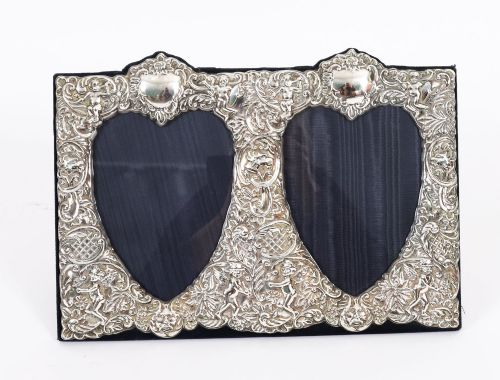
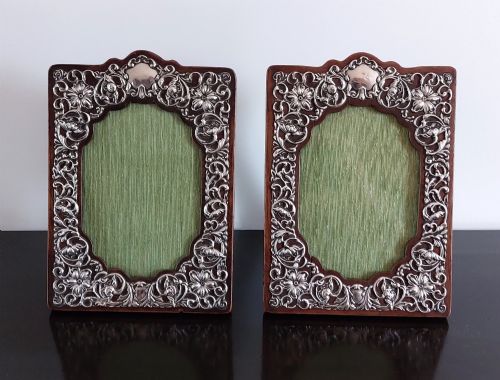
Quality depends upon the depth and clarity of hand-chased ornamentation, particularly in repoussé motifs depicting cherubs, animals, or floral scrolls. Heavier gauge sterling silver provides greater structural rigidity to larger frames.
The sophistication of the maker's mark and the complexity of the design, such as double heart configurations or specialised Art Nouveau shaping, elevate the piece. Intricate enamel detailing and well-preserved wooden or velvet backing components also distinguish finer specimens.
William Comyns·Rosenthal Jacob And Co·William Hutton And Sons·Mappin Bros
The Antique Silver Picture Glossary
- Sterling silver
- A silver alloy containing 92.5 percent pure silver by mass and 7.5 percent other metals, usually copper. This composition provides the durability required for decorative framing.
- Hallmark
- A series of official marks stamped on items made of precious metals in the United Kingdom. These symbols verify the silver standard, the assay office, and the date of manufacture.
- Strut
- A hinged support attached to the back of a frame allowing it to stand upright on a table. These supports are typically covered in velvet, silk, or wood.
- Repoussé
- A metalworking technique in which a silversmith shapes malleable metal from the reverse side by hammering. This creates low relief ornamental designs on the front.
- Locket
- A small ornamental case worn on a chain or kept in a pocket, designed to hold a miniature portrait or lock of hair. Examples often feature engraved ivy or heart shapes.
Antique Silver Picture: Frequently Asked Questions
How do I date a silver frame?
Assay office hallmarks stamped on the silver border provide the exact year of testing and manufacture. Matching these marks against registry records reveals the production period.
Stylistic cues such as Edwardian garlands or Art Nouveau curves further help narrow the decade of creation.
What materials are behind the silver?
Structural elements typically rely on timber frames to support the soft silver sheet metal. Velvet, silk, or fabric linings finish the reverse sides around the folding struts.
Glass protects the face of the photograph or painting held within the aperture.
How should I clean silver frames?
Gentle dusting with a soft cloth prevents the accumulation of grime within engraved crevices. Avoid abrasive polishes that might wear away thin silver layers or damage surrounding enamel.
Keep moisture away from the wooden backs and fabric struts during maintenance.
Were these frames meant for desks?
Many examples were manufactured with folding wooden struts specifically designed for display on tables and writing desks. Larger versions served as tabletop centrepieces or portrait displays.
Smaller variants functioned as lockets or pendants worn close to the body.