

Antique Silver Picture Holder
An antique silver picture holder displays family portraits and watercolours, uniting domestic intimacy with the crisp weight of sterling.
Antique Silver Picture Holder
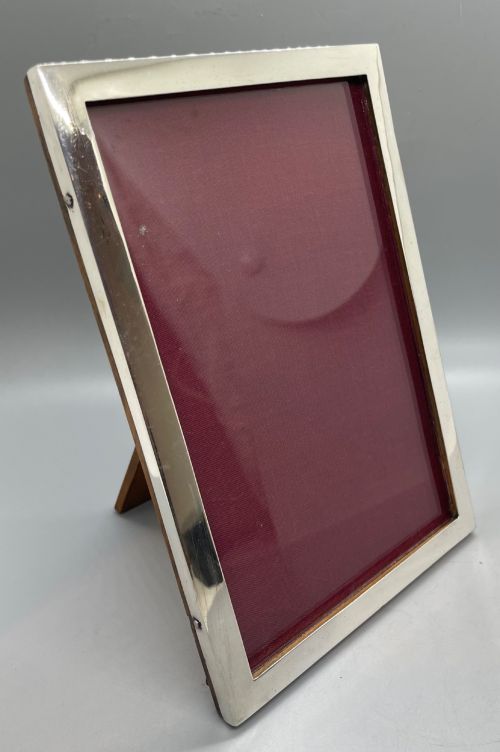
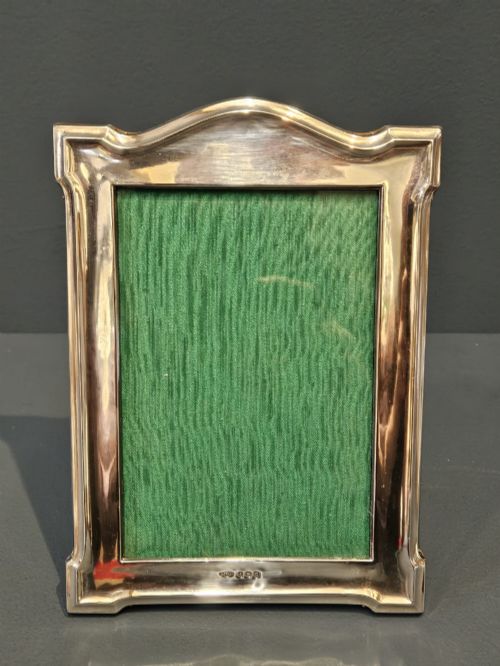
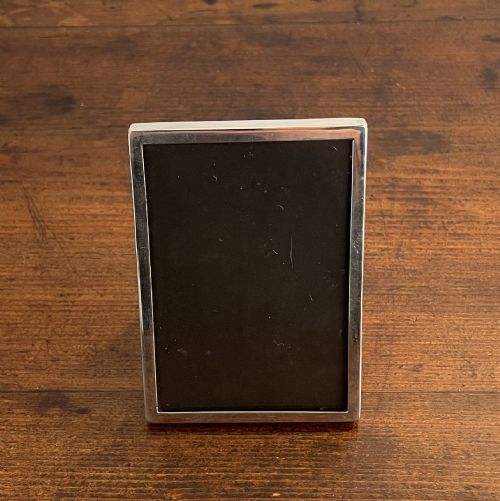
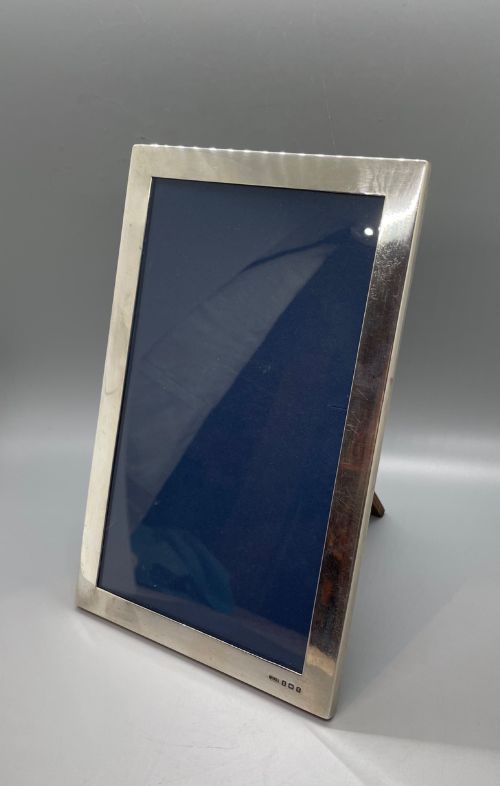
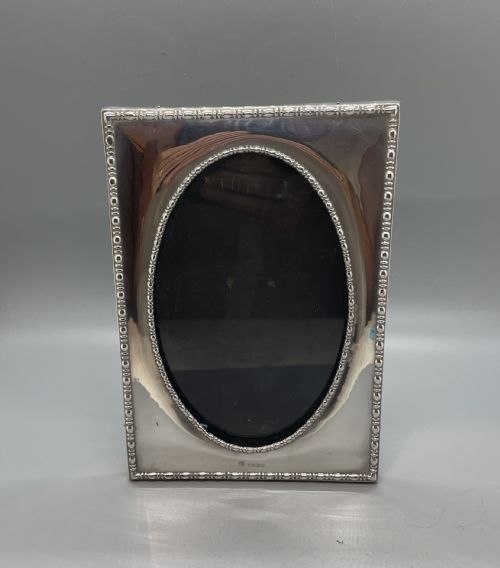
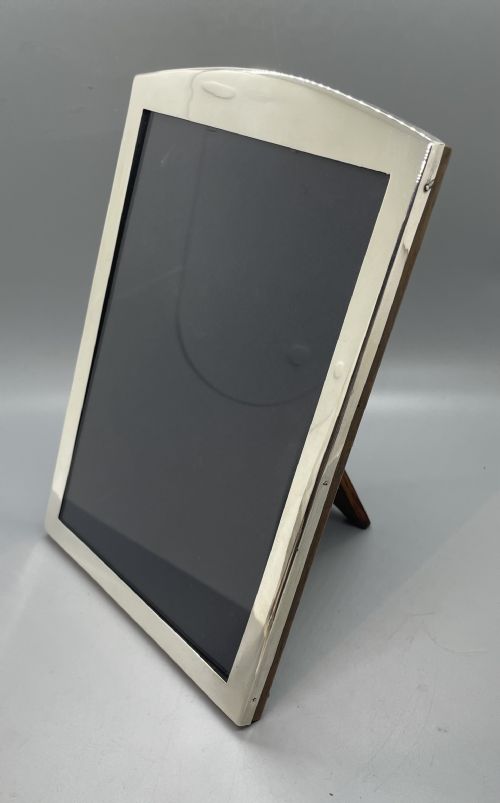
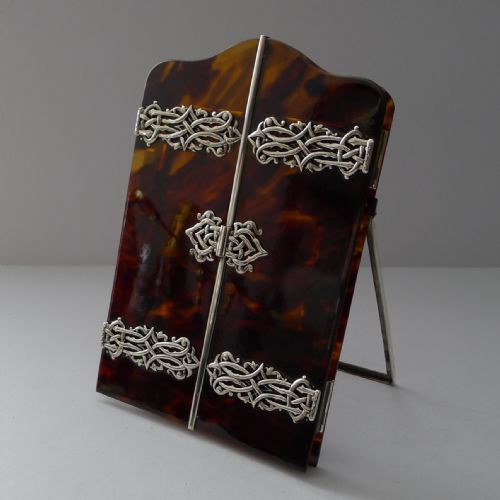
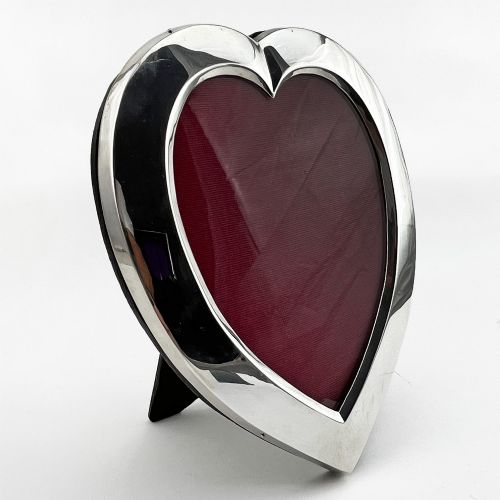
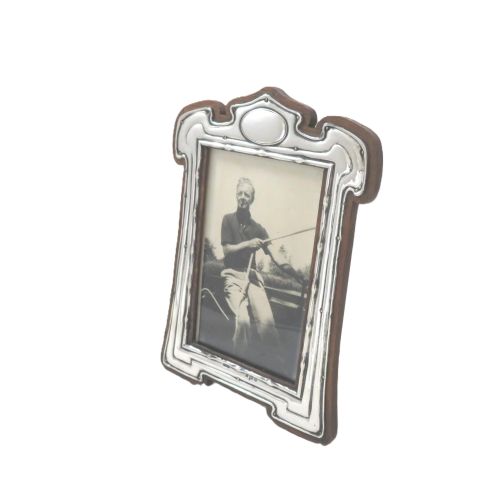
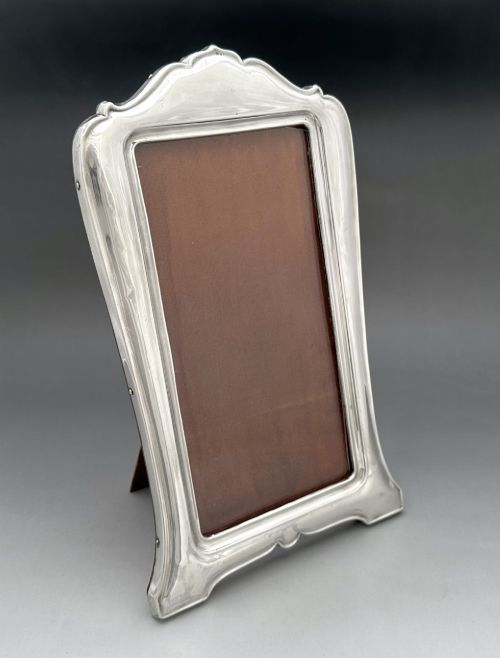
An antique silver picture holder takes the form of portrait and landscape photo frames designed to stand on a desk or mantelpiece. The pieces gathered here predominantly date from the Victorian, Edwardian, and George V periods, alongside later twentieth-century examples.
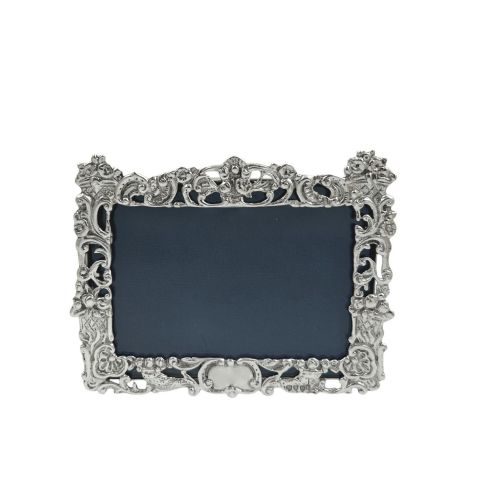
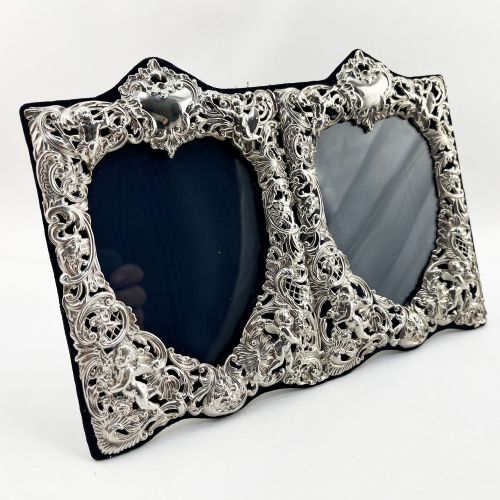
Makers in Birmingham and Sheffield produced the majority of these domestic objects, though Italian and French-influenced designs also appear. Buyers encounter rectangular, oval, and heart-shaped formats fitted with rear easels.
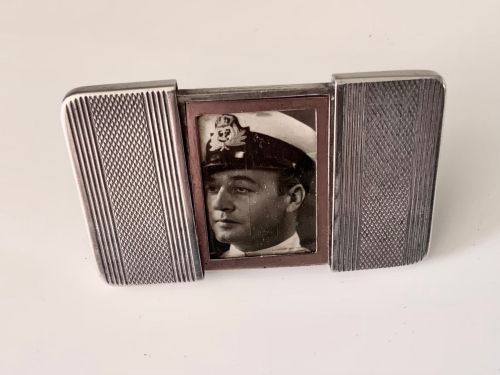
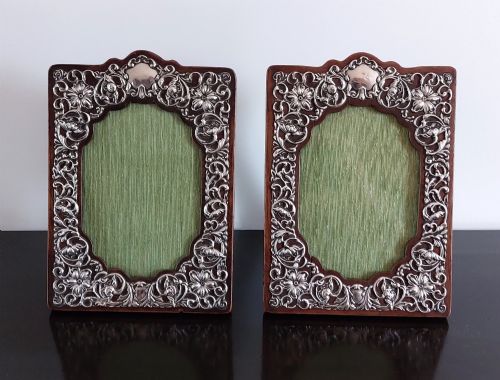
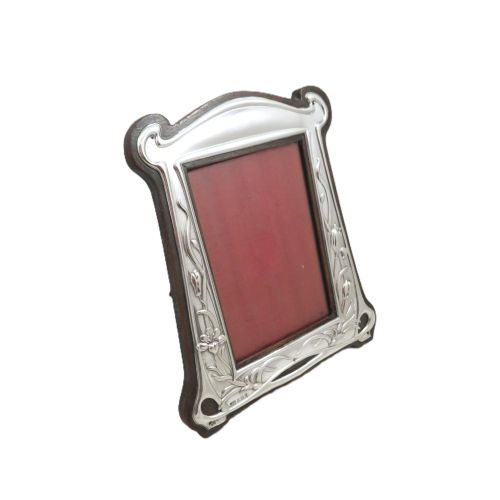
The selection ranges from plain silver borders to pieces decorated with embossed motifs, engine-turning, and botanical subjects. Collectors frequently select these items to house miniature watercolours, dried botanical specimens, and nineteenth-century cartes de visite.
Judging Quality
Quality rests upon the crispness of the hallmarks, the gauge of the silver used in the bezel, and the integrity of the original backing material. Thicker metal resists denting along the delicate outer edges.
The sophistication of the decorative work distinguishes standard commercial production from workshop pieces by notable makers. Original fitted timber backs and intact glass elevate a piece above those altered or re-backed later.
Antique Silver Picture Holder Retail Price Guide 2026
Typical asking prices for silver picture holder among the pieces listed under this phrase on Sellingantiques today, from the lower quarter to the upper quarter. They describe what is for sale here now, not the wider market.
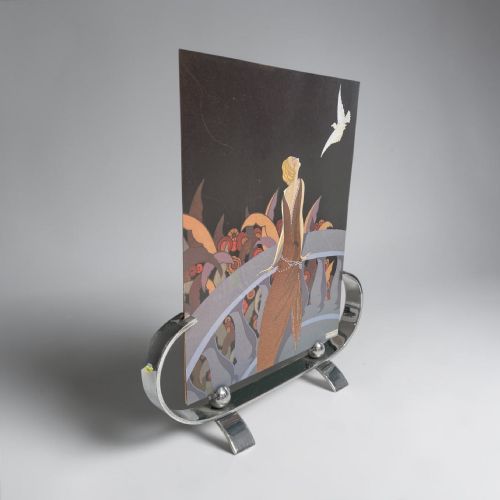
Geometric Art Deco designs and flowing Art Nouveau botanical motifs represent the primary stylistic shifts seen across these frames.
William Comyns·Mappin Bros·Syner and Beddoes·Henry Matthews·Deakin and Francis·Hardy Brothers
The Antique Silver Picture Holder Glossary
- Sterling silver
- An alloy containing ninety-two point five percent silver by mass, with the remainder composed of copper or other metals. This standard grade provided the durable body for domestic picture frames.
- Hallmark
- A series of official marks stamped onto precious metal items in Britain, indicating the maker, assay office, and year of testing. These stamps allow precise dating of nineteenth and twentieth-century frames.
- Engine-turning
- A mechanical technique for producing intricate, geometric patterns of closely spaced lines on metal surfaces. This method was frequently applied to the borders of Edwardian and George V frames.
- Planishing
- A hammering technique used to smooth sheet metal and leave a distinctive, faceted surface texture. It appears on Art Nouveau examples to create a subdued, hand-wrought finish.
- Bezel
- The grooved rim or collar holding the glass pane securely over the picture aperture. Well-made bezels fit tightly to prevent dust from reaching the photograph.
Antique Silver Picture Holder: Frequently Asked Questions
Can I replace the glass safely?
Most frames secure the glass with bendable metal tabs holding the backing board in place. Gently lifting these tabs allows the rear components to slide out.
Take care when handling antique glass, as older panes may have irregular thicknesses or tiny edge chips.
How do I date a silver picture holder?
Locate the hallmark stamp usually found along the outer edge of the frame or on the bezel. The date letter corresponds to the assay office records for Birmingham, Sheffield, or London.
Stylistic cues such as Art Nouveau whiplash lines or Art Deco geometry also help narrow down the decade.
Are original wooden backs important?
Original wooden or leather-covered backs contribute significantly to the authenticity and structural integrity of the piece. They were custom-fitted to the silver chassis by the original workshop.
Replacing a lost backing requires bespoke joinery to match the original hinge mechanism and easel support.