

Antique Silver Jewelry
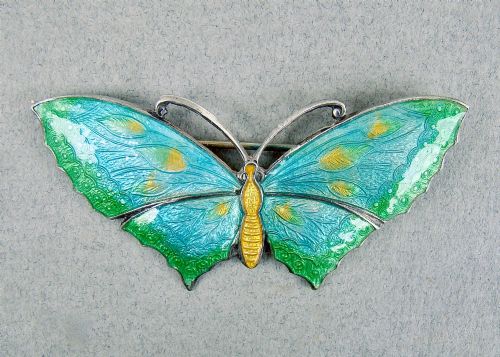
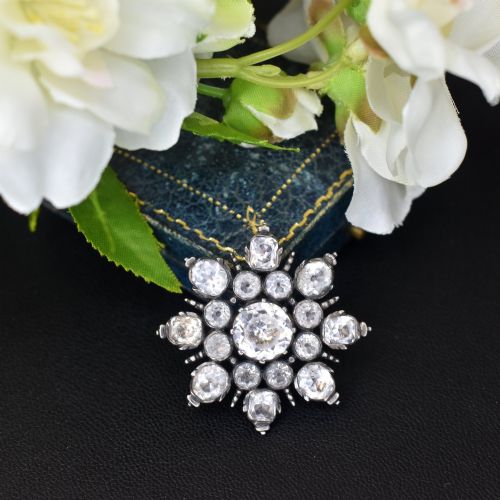
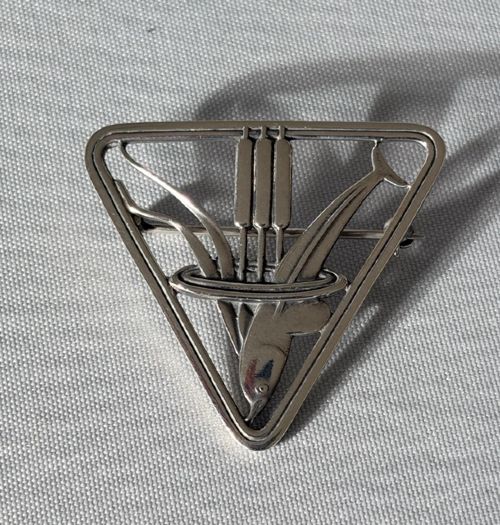
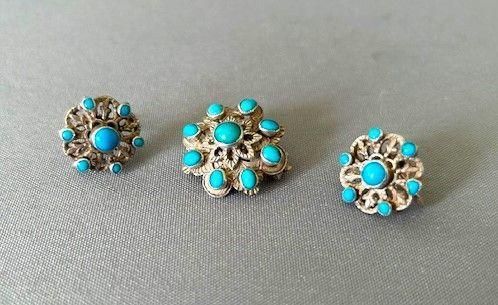
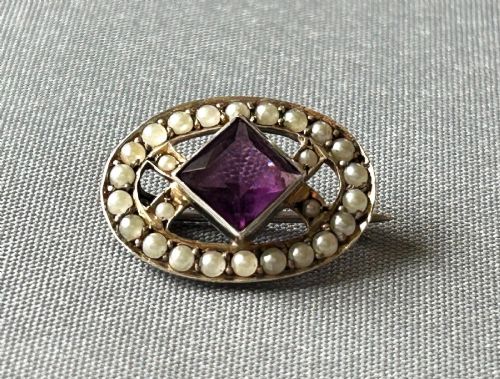
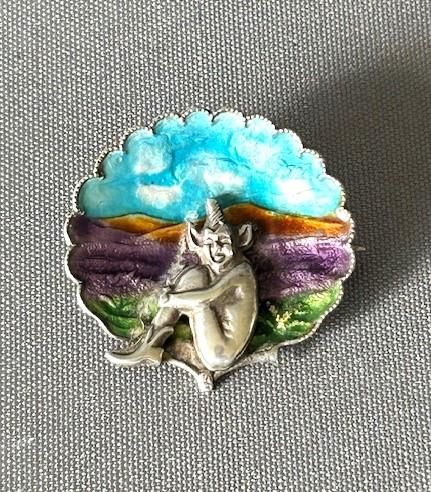
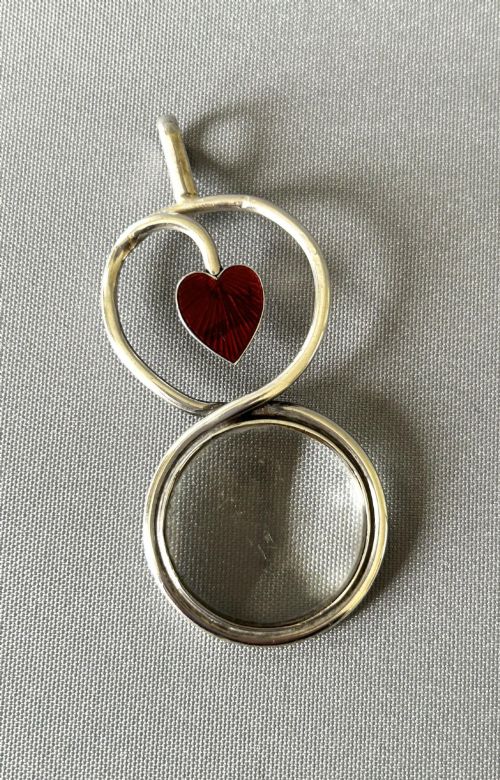
These pieces of antique silver jewellery bring together Victorian floral work, Edwardian diamonds and Art Nouveau enamel with the weight of real age.
Antique Silver Jewelry
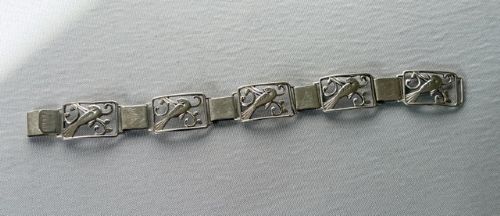
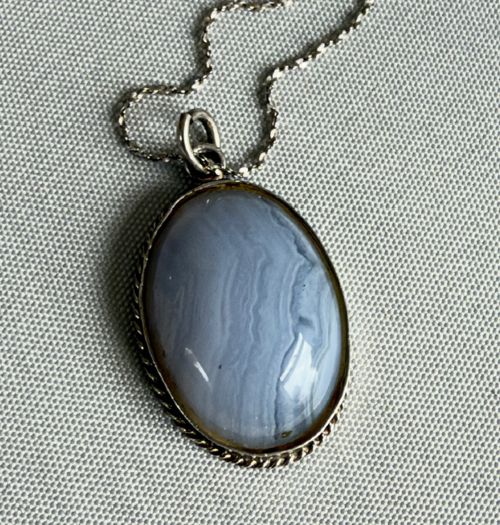
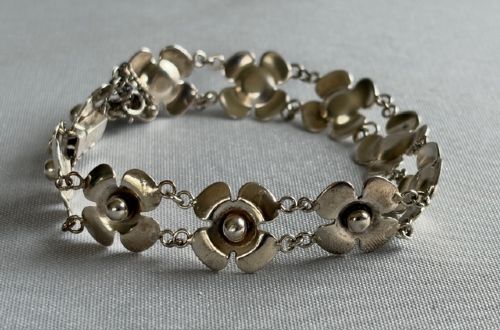
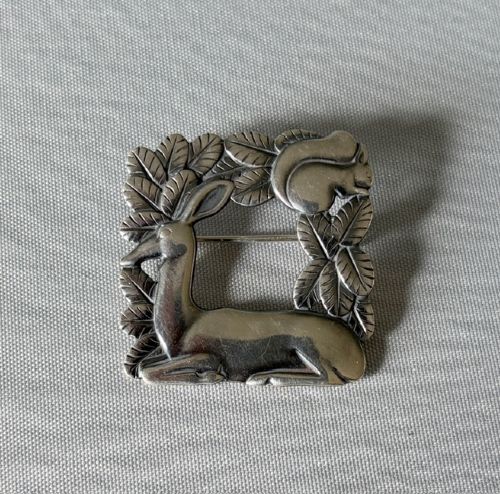
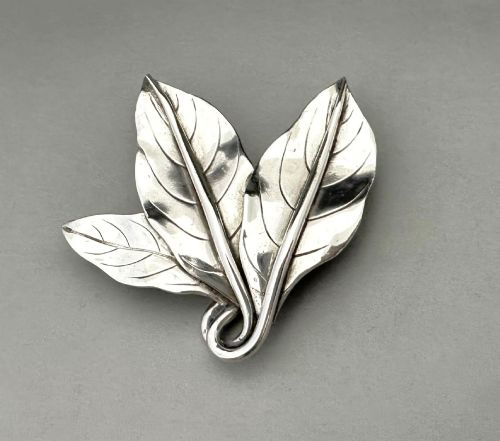
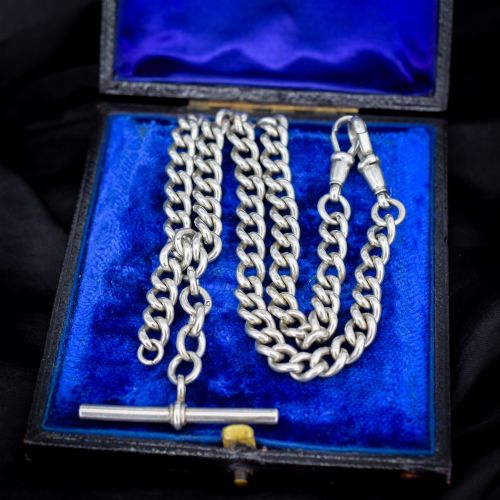
When you search for antique silver jewellery, you enter a field spanning brooches, guard chains, bangles and trinket boxes from the Victorian, Edwardian and Art Deco periods. The most common survivals on this page are sterling silver pocket watch chains, floral earrings, and enamel pendants originating from British and Scandinavian workshops.
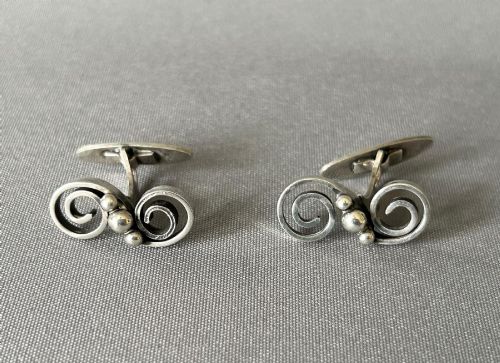
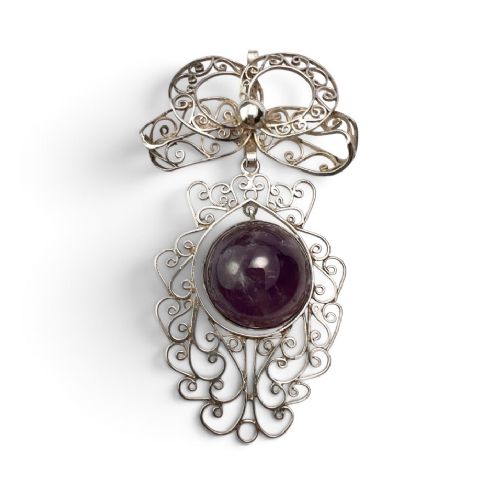
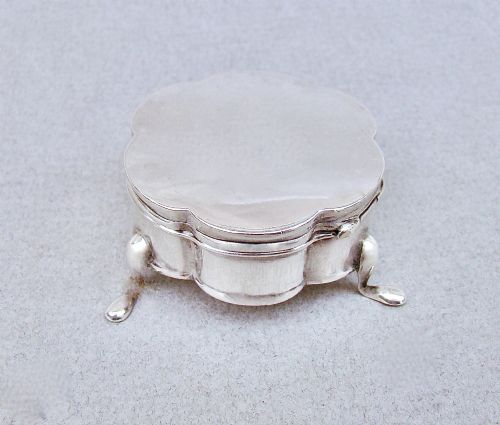
The selection extends from delicate silver and river pearl pendants to heavy hinged cuff bangles and diamond-set platinum pieces. Forms range from everyday personal adornments like dress rings and cufflinks to larger dressing table boxes lined for jewellery storage.
How they were made
Goldsmiths and silversmiths utilised sterling silver and solid silver alongside gold, platinum and old cut diamonds, mounting stones in hand-beaten settings or casting heavy curb and belcher links by hand. Enamelling techniques, notably plique-à-jour and guilloche, required fusing powdered glass to metal over heat to create translucent coloured panels.
Detailing often relied on hand-engraving, applied wirework and stone setting, with agates, citrines, moonstones and river pearls secured into bezels or claws. Makers stamped their work with hallmarks denoting town, year and standard, anchoring each item to a specific regional guild or assay office.
Antique Silver Jewelry Retail Price Guide 2026
Typical asking prices for silver jewelry among the pieces listed under this phrase on Sellingantiques today, from the lower quarter to the upper quarter. They describe what is for sale here now, not the wider market.
Some silver pocket watch chains include miniature silver darts fobs, ready for an impromptu pub game.
What varies in quality
Quality rests on the crispness of the hand-engraving, the intactness of the vitreous or guilloche enamel, and the original weight of the silver gauge. Pieces that retain their structural rigidity in hinges and clasps without thinning of the metal show superior original manufacture.
The distinction between standard commercial output and exceptional work lies in the artistry of the design and the pedigree of the maker. Signed pieces by notable designers command attention through finer stone selection and more complex metalwork.
Charles Horner·Henry Miault·Amy Sandheim·Archibald Knox·Liberty and Co·Murrle Bennett·David Andersen·Marius Hammer·A H Darby and Son
The Antique Silver Jewelry Glossary
- Sterling silver
- An alloy containing 92.5 percent silver by mass, with the remainder composed of copper or other metals to improve durability. This standard has been used for centuries across British hallmarks.
- Guilloche enamel
- A decorative technique where a precise geometric pattern is mechanically engraved beneath a translucent layer of enamel. It appears frequently on Edwardian and Art Deco boxes and brooches.
- Plique-a-jour
- An enamelling technique resembling miniature stained glass, where the enamel is fired without a backing metal, allowing light to shine through the transparent colours.
- Old cut diamond
- A precursor to the modern brilliant cut, hand-faceted with a smaller table and a higher crown. These stones scatter candlelight with a softer, deeper glow.
- Dog clip
- A spring-loaded swivel clasp commonly found on pocket watch chains and long guard necklaces. It allowed the secure attachment of fobs, watches or pendants.
Antique Silver Jewelry: Frequently Asked Questions
What is a long guard chain?
A long guard chain is an extra-long Victorian silver necklace, often measuring fifty inches or more, designed to be doubled around the neck. They frequently feature dog clips or slide mechanisms.
Victorians originally used these substantial chains to secure pocket watches, lorgnettes or pendants close to the waist or bodice.
How do I care for antique silver?
Antique silver requires gentle cleaning with a soft cloth to preserve delicate hallmarks, gilding and applied enamel surfaces. Avoid harsh chemical dips that strip away desirable age patinas.
Store pieces separately in dry, tarnish-resistant pouches to prevent scratching among heavier bangles, chains and stone-set brooches.
How can I date a silver piece?
Dating relies primarily on official assay office hallmarks stamped into the metal, which include maker marks, standard marks and date letters. Design styles, construction methods and clasp types also offer strong clues to the decade of manufacture.
For instance, heavy hinged bangles and floral motifs point to the Victorian era, while geometric enamel work suggests the 1920s and 1930s.