



Antique Silver Ice Cooler
An antique silver ice cooler brings genuine weight and quiet polish to a table, holding wine or chilling cubes with enduring presence.
Antique Silver Ice Cooler
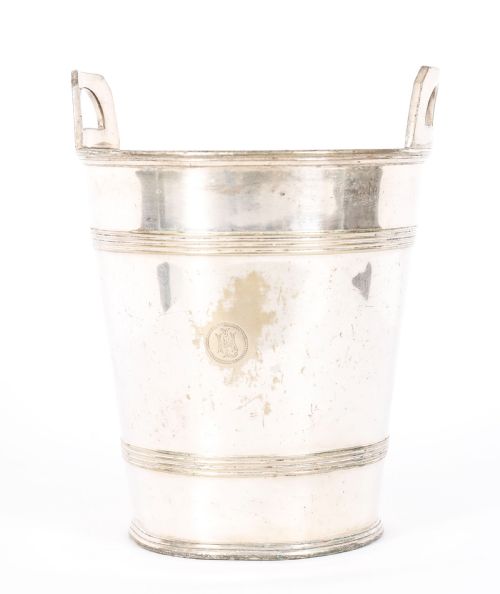
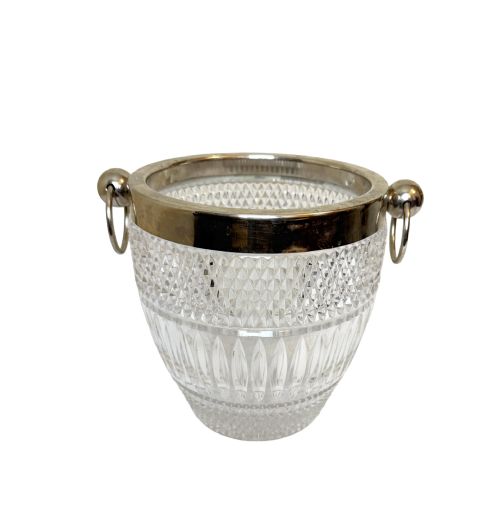
An antique silver ice cooler encompasses robust champagne buckets, table coolers, and novelty ice pails designed for entertaining. The selection leans heavily into silver plate and Old Sheffield Plate vessels from the nineteenth and early twentieth centuries.
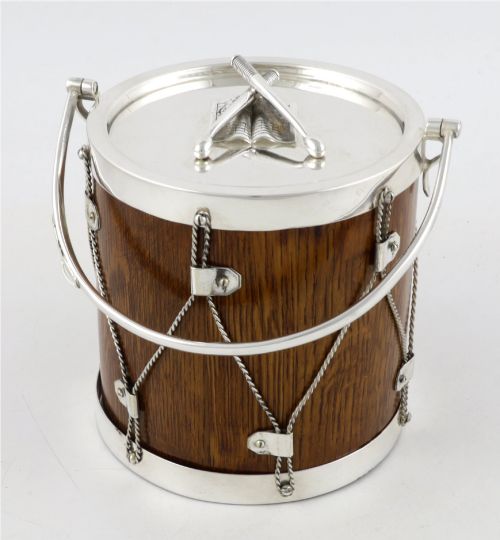
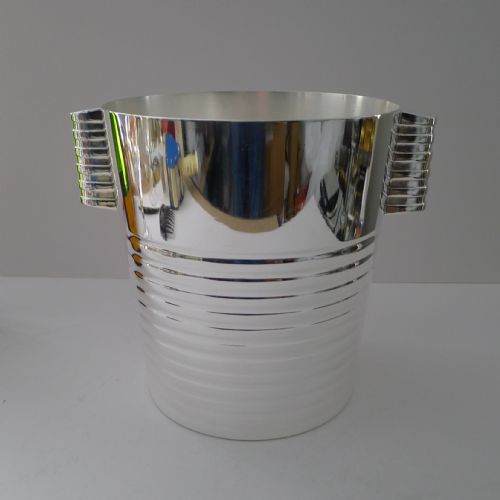
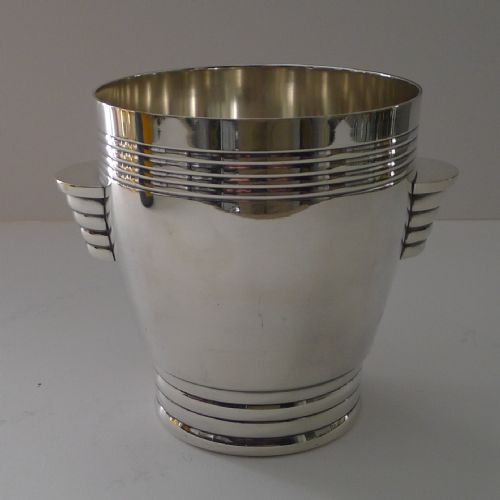
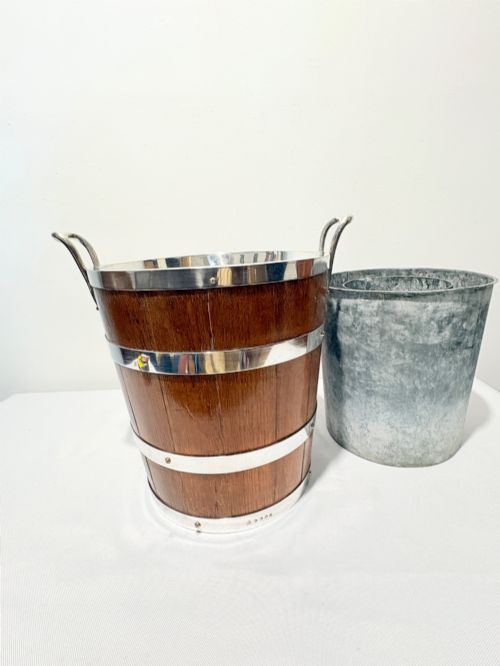
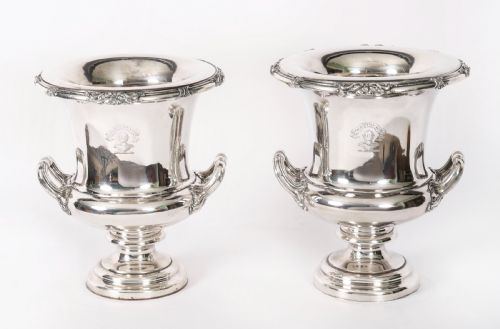
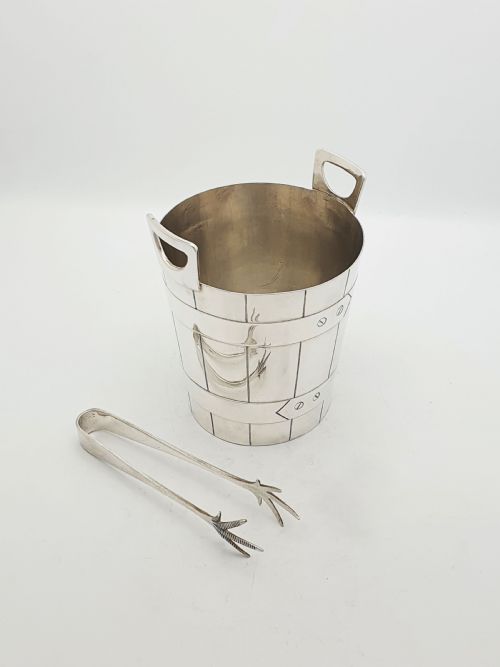
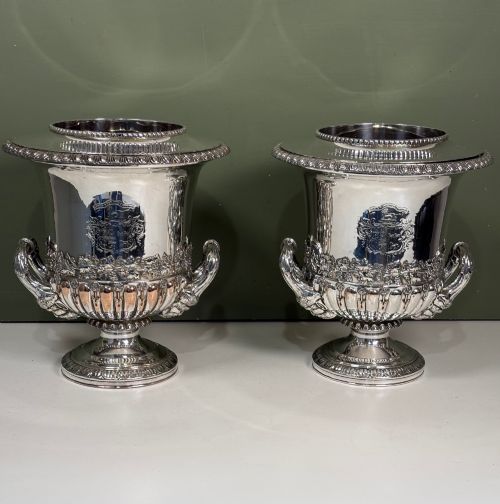
Buyers encounter distinct forms ranging from George III campana wine coolers to Art Deco champagne buckets and oak-banded military drum pails. Pieces span periods from Georgian and Regency to Edwardian and mid-century designs.
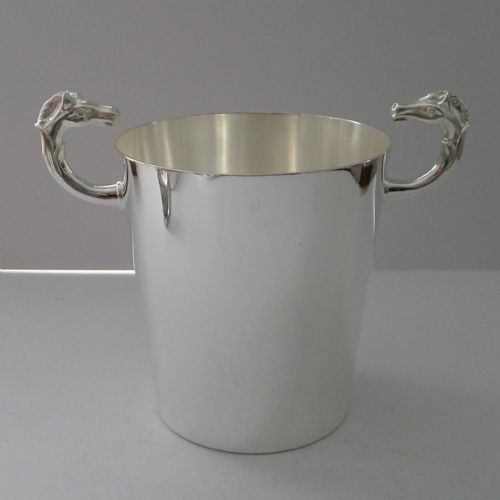
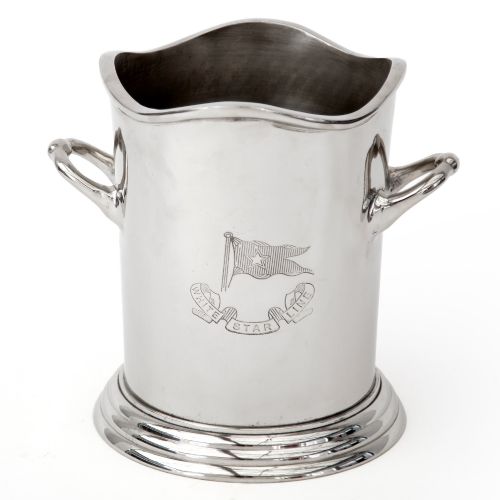
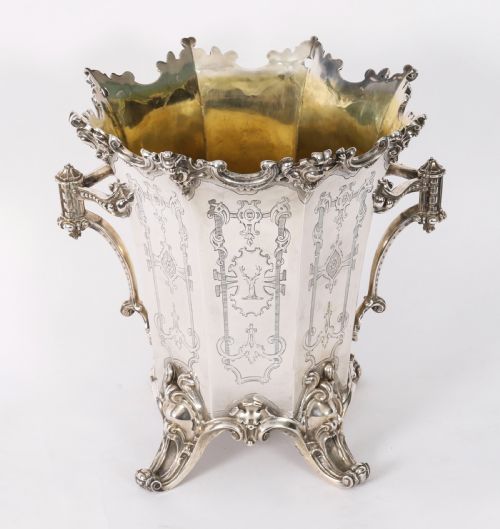
Origins vary between English workshops and continental makers, including notable French silver houses and German metalwork manufacturers. Forms shift from simple cylindrical tubs to heavily embossed bowls and twin-handled vessels with liners.
How they were made
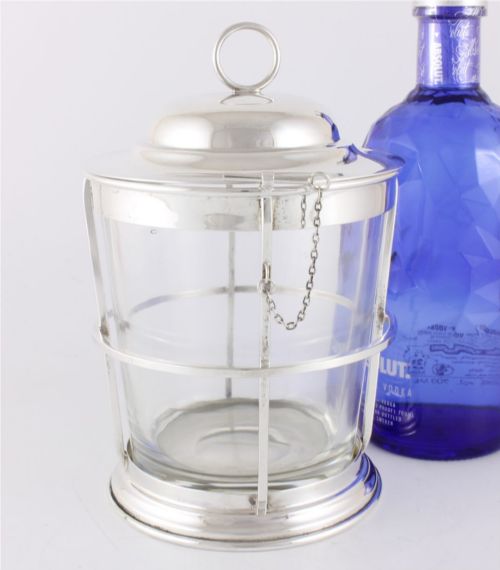
Silversmiths utilised heavy silver plating over copper, brass, or Britannia metal, alongside Old Sheffield Plate fusing silver to a copper base. Many vessels incorporate sturdy oak staves, cut glass liners, or ceramic creamware inserts to hold ice and water.
Manufacturing techniques combined skilled hand-hammering, embossing, and silver soldering with turned woodwork and precision-cut crystal. Handles, claw feet, and armorial engravings were often cast separately and soldered or riveted to the main body.
Antique Silver Ice Cooler Retail Price Guide 2026
Typical asking prices for silver ice cooler among the pieces listed under this phrase on Sellingantiques today, from the lower quarter to the upper quarter. They describe what is for sale here now, not the wider market.
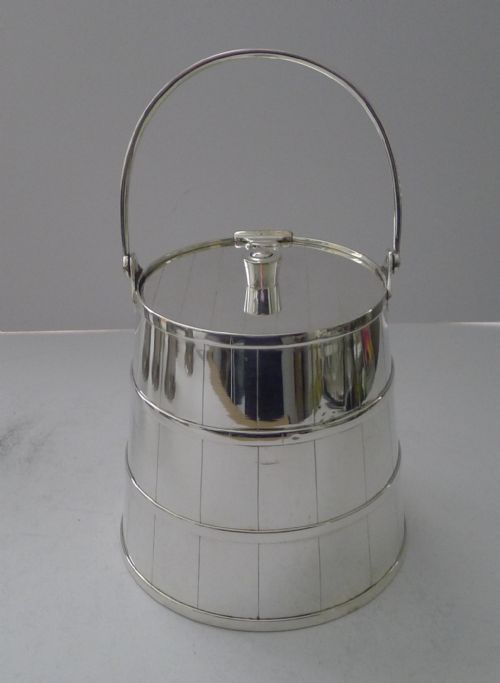
Several ice buckets doubled as ship's lanterns or novelty biscuit barrels, proving Victorians loved a disguised drink.
What varies in quality
Quality rests in the thickness of the plating, the crispness of chased or embossed decoration, and the integrity of the underlying metal. Substantial gauge silver plate and genuine Old Sheffield Plate retain their surfaces better over generations.
The sophistication of the design and the reputation of the maker elevate certain pieces above standard production models. Construction details such as tight wooden staves, secure handles, and original liners distinguish superior examples.
Christofle·Elkington Mason And Co·Mappin And Webb·Barker Ellis·Hutton Sheffield·WMF
The Antique Silver Ice Cooler Glossary
- Old Sheffield Plate
- A method of fusing a thin sheet of silver to a thicker copper ingot before rolling and shaping, visible by a thin copper edge line.
- Campana
- A bell-shaped vessel form popular in classical and Regency wine coolers, often featuring flared rims and scroll handles.
- Silver Plate
- A layer of silver bonded to a base metal such as copper, brass, or nickel silver, widely used from the nineteenth century onward.
- Creamware
- A fine-grained, cream-coloured earthenware developed in Yorkshire, frequently utilised for internal liners in insulated pails.
- Pail
- A deep, bucket-like container with a swing handle, traditionally employed for carrying ice or cooling bottles at the dining table.
Antique Silver Ice Cooler: Frequently Asked Questions
How do I clean an antique silver cooler?
Clean these items gently using a proprietary silver polish and a soft cloth, avoiding abrasive pads that can wear down thin plating.
Remove glass or ceramic liners beforehand to wash them separately in warm, soapy water.
Can I use an antique cooler for parties?
Many buyers still utilise these coolers for serving wine and champagne at gatherings, as the thick metal and liners retain temperature effectively.
Care should be taken to dry wooden components and liners thoroughly after use to prevent moisture damage.
How do I date an Old Sheffield Plate cooler?
Old Sheffield Plate items typically date from the late eighteenth to the mid-nineteenth century, identifiable by subtle copper bleeding along seams and edges.
Stylistic cues such as Georgian campana shapes or Regency motifs further help narrow the manufacturing decade.