




Antique Silver Dressing Accessory
When you handle an antique silver dressing accessory, you hold personal items once kept on dressing tables for daily grooming.
Antique Silver Dressing Accessory
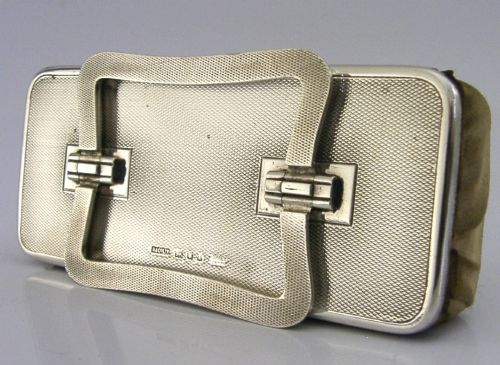
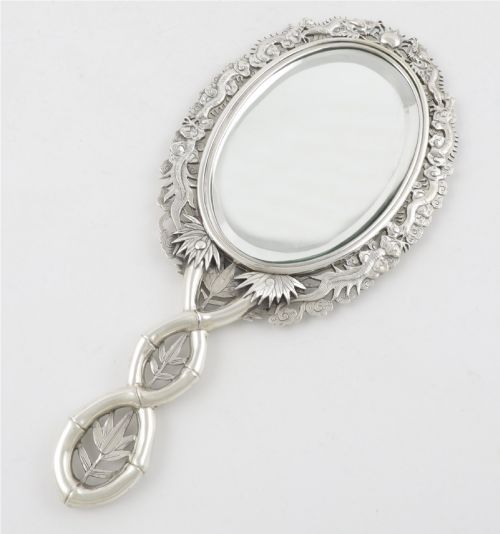
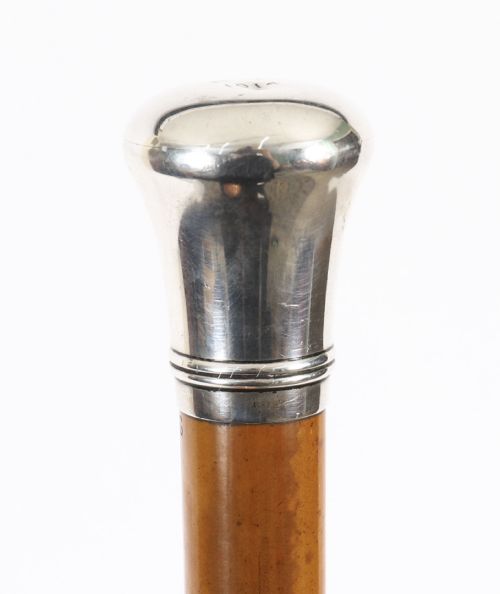
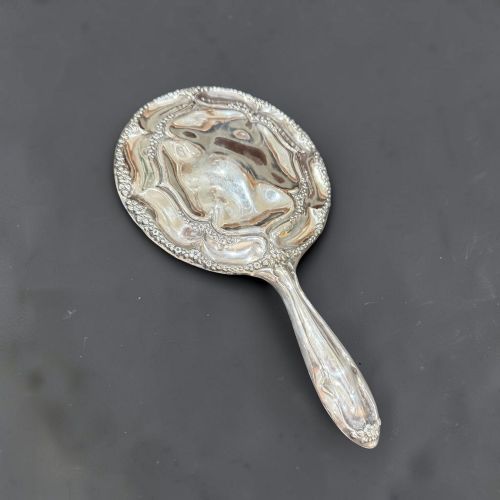
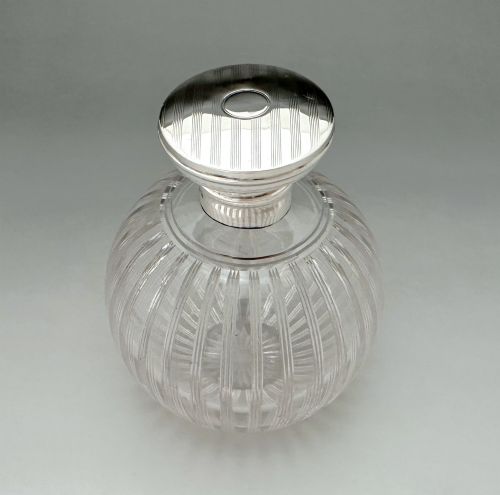
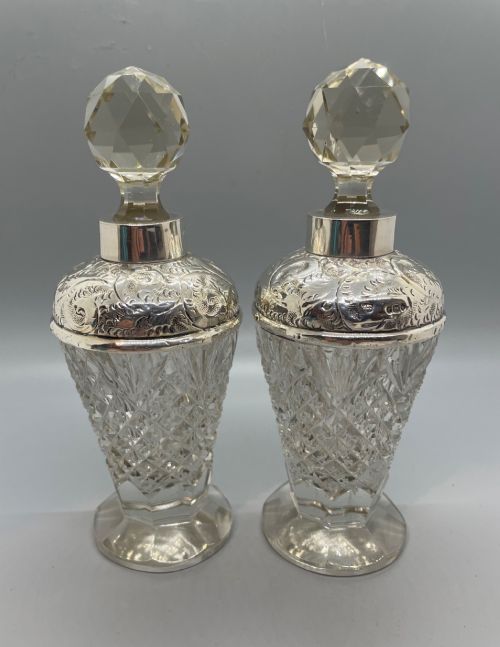
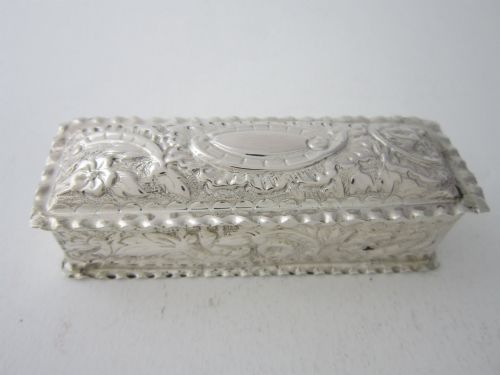
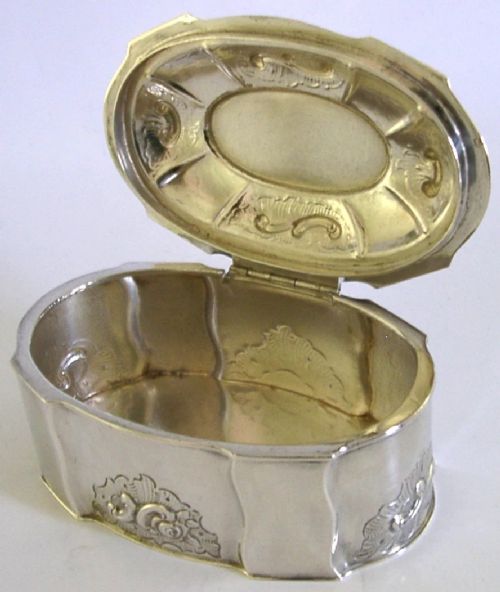
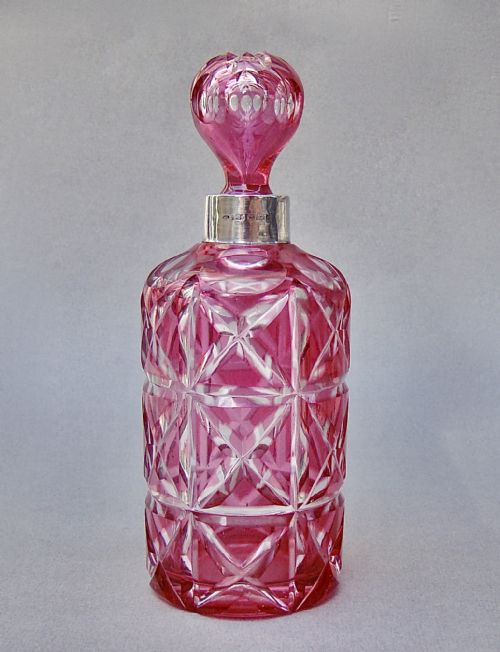
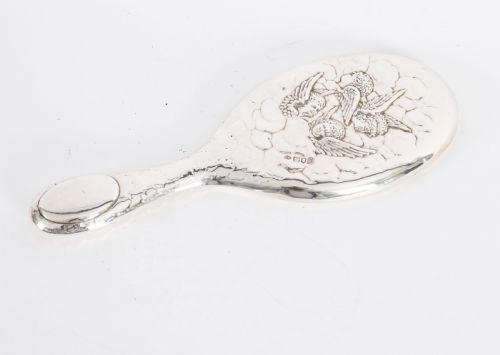
An antique silver dressing accessory encompasses personal grooming tools and vanity items used for daily toilette routines across several centuries. The selection includes scent bottles, trinket boxes, hand mirrors, button hooks, shoe buckles, and hat pin holders. Pieces span from the Georgian period through Victorian, Edwardian, and Art Deco eras, reflecting shifting styles of personal care.
You are most likely to encounter Edwardian and Art Deco examples, alongside Victorian and Georgian pieces. Formats range from single travelling perfume bottles and shaving sets to cased sets of buttons, belt buckles, and dressing table jars. Materials span sterling silver, cut glass, enamel, tortoise shell, and velvet.
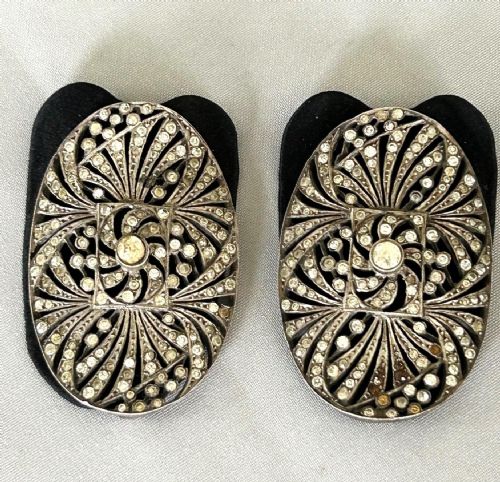
Smaller items like button hooks and shoe buckles appear frequently alongside larger vanity boxes and hand mirrors. Many pieces incorporate functional elements such as steel hooks or glass bodies paired with silver mounts. The array demonstrates both practical utility and decorative craftsmanship designed for the dressing table.
How they were made
Makers combined sterling silver mounts with cut glass, cranberry glass, amethyst glass, and ebonised elements. Silver components were cast, embossed, or engraved with floral, geometric, and figural motifs. Enamel work, including guilloche techniques, added colour in shades of blue and green to mirrors, scent bottles, and atomisers.
Interior structures often utilised wood, leatherette, and velvet linings within cased travelling sets and trinket boxes. Glass bodies for perfume bottles and jars were blown and heavy-cut to pair with fitted silver screw caps or hinged lids. Steel featured in the functional ends of button hooks, clothes brushes, and manicure tools.
Antique Silver Dressing Accessory Retail Price Guide 2026
Typical asking prices for silver dressing accessory among the pieces listed under this phrase on Sellingantiques today, from the lower quarter to the upper quarter. They describe what is for sale here now, not the wider market.
A button hook with a tiny silver teddy bear awaits the dedicated dresser.
What varies in quality
Quality rests upon the crispness of the silversmith's chasing and embossing, particularly on detailed items like figural button hooks and embossed hand mirrors. The precision of the enamel work, whether solid or guilloche, distinguishes standard production from finer luxury pieces. Weight and gauge of the sterling silver plate also indicate superior manufacture.
The integration of materials determines overall refinement, such as the clarity of cut glass paired with precisely fitted silver collars and stoppers. Maker attribution to notable silversmiths and retailers elevates the standing of individual vanity items and cased sets.
Paul Storr·Harold Bushell & Co·Charles Boyton·Liberty's·Karl Palda·Crisford & Norris·Henry Perkins·Jane Brownett Alexander Jones·Asprey & Co·W M F
The Antique Silver Dressing Accessory Glossary
- Guilloche
- An intricate decorative engine-turning technique engraved directly into metal beneath a translucent enamel layer. This creates repetitive geometric patterns visible on Art Deco hand mirrors and scent bottles.
- Hat pin holder
- A weighted ceramic, glass, or silver vessel designed to store long decorative hat pins upright on a dressing table. Examples often feature pierced silver tops to secure the pins.
- Skirt lifter
- A Victorian mechanical accessory suspended from a waist belt to raise heavy skirts above muddy streets. It uses small clamps to gather and hold fabric.
- Trinket box
- A small lidded container lined with velvet or silk used for storing rings, brooches, and small valuables. These boxes often feature embossed silver lids and rests.
- Paste
- Hand-cut lead glass mounted in jewellery and shoe buckles to imitate gemstones. Georgian makers set paste stones in silver to catch candlelight.
Antique Silver Dressing Accessory: Frequently Asked Questions
How were perfume bottles used?
Perfume bottles held liquid scents for daily application and travel use.
Fitted with glass stoppers and screw caps, they prevented evaporation and spills while resting on dressing trays.
How do I identify Art Deco pieces?
Art Deco accessories feature geometric lines, stylised motifs, and vibrant guilloche enamel in colours like green and blue.
These designs typically date from the 1920s and 1930s, contrasting with earlier floral Victorian styles.
What are button hooks used for?
Button hooks fastened tight-fitting boots and gloves featuring numerous small fabric loops.
Victorian and Edwardian examples often incorporated decorative silver handles shaped like teddy bears, animals, or golf clubs.