


Antique Silver Cross
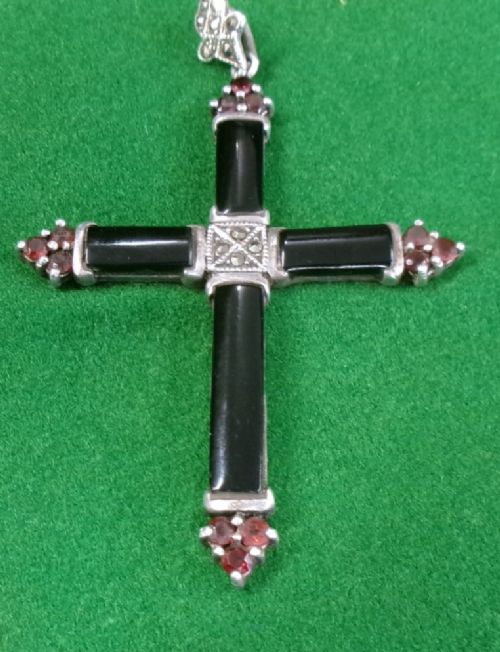
An antique silver cross holds centuries of devotion and craftsmanship, offering wearable history or sacred art for modern collections.
Antique Silver Cross
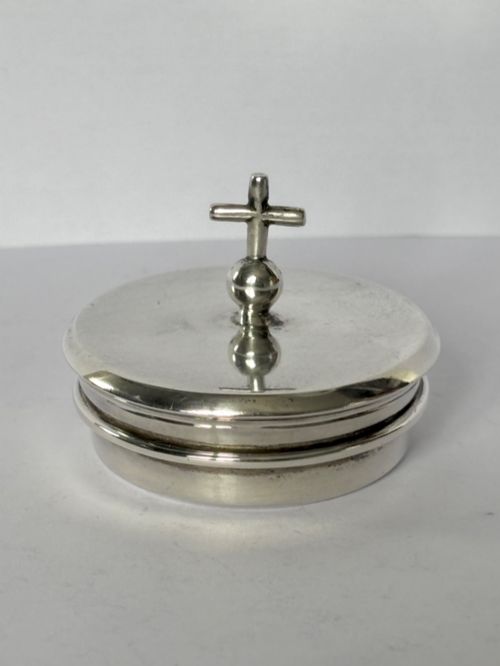
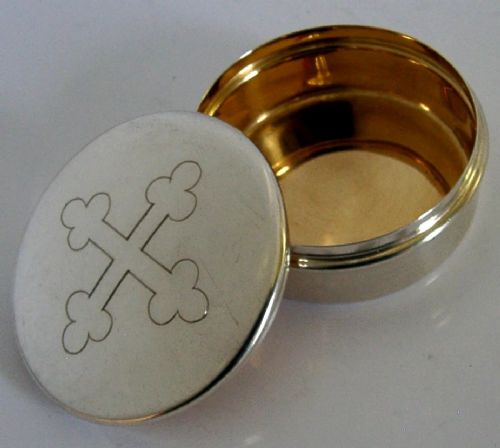
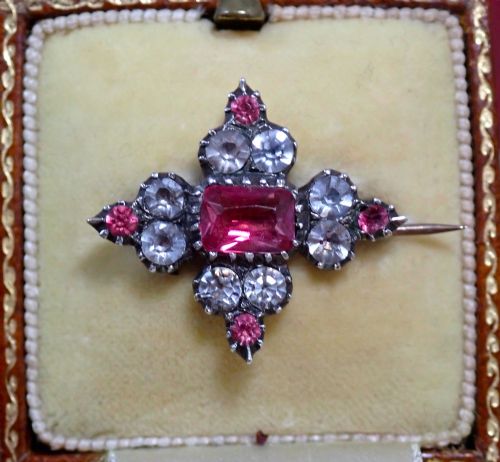
Victorian and Georgian examples dominate the offerings, often incorporating gold inlay, paste stones, or regional motifs like Celtic designs. You will also find ecclesiastical pieces such as pyx boxes and altar crosses alongside domestic items featuring cross motifs.
The origins span British, continental, and Russian workshops, reflecting distinct liturgical and decorative traditions. Whether worn as personal ornaments or displayed as sacred artefacts, these pieces demonstrate enduring metalwork skills.
Materials and construction methods
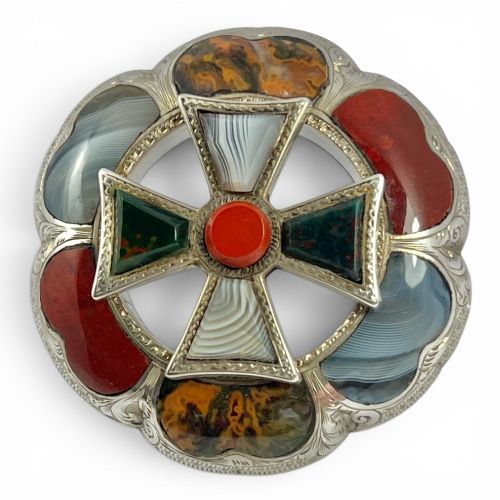
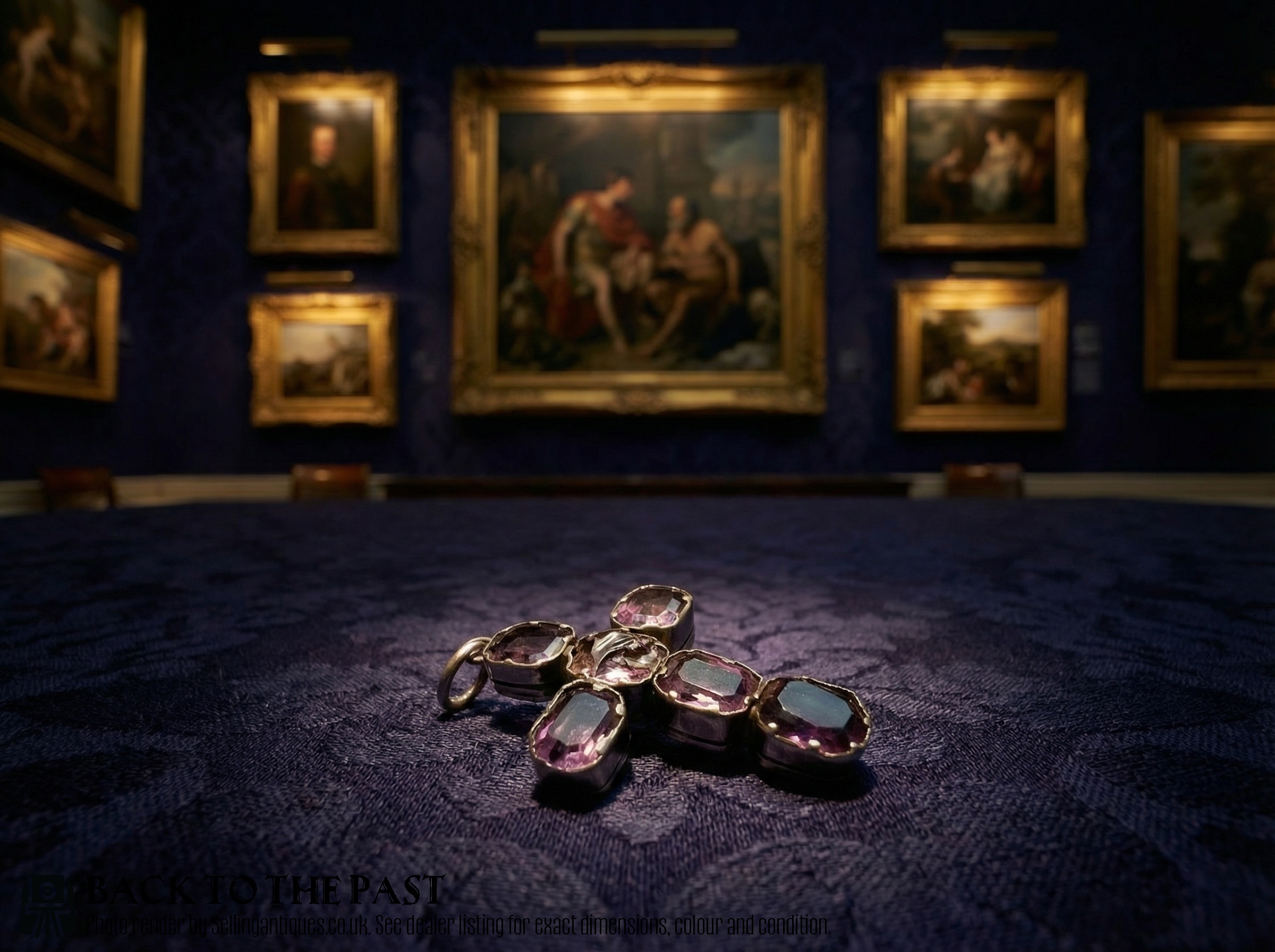
Silversmiths utilised sterling silver, silver gilt, and mixed metals including gold inlay to construct these objects. Stones such as foiled amethyst paste, banded agate, and jasper frequently accent the metalwork, adding colour and texture.
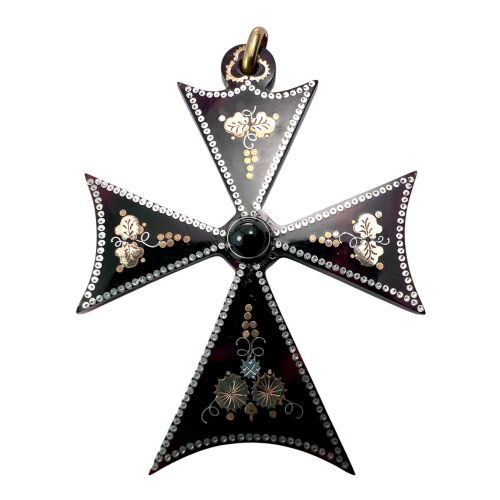
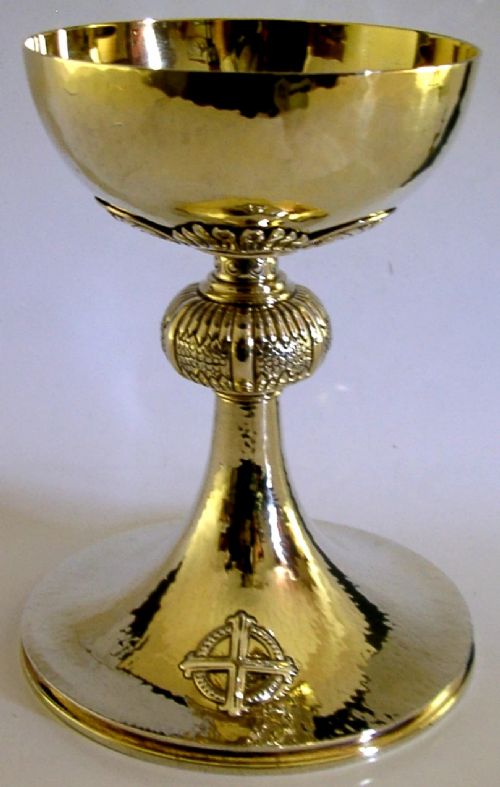
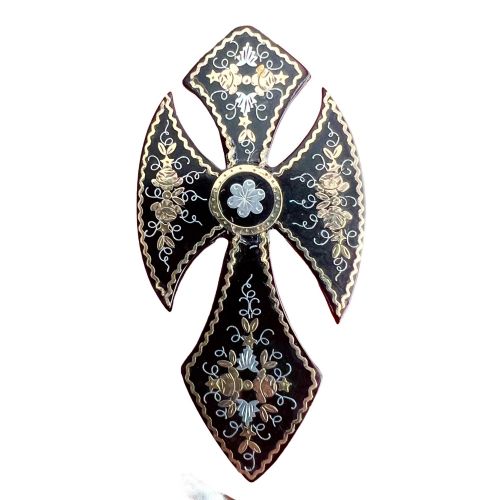
Techniques range from hand-hammered ecclesiastical forms to intricate pique work and micro-mosaic detailing. Master craftsmen employed casting, chasing, and stone-setting methods appropriate to each period, from Georgian domestic pieces to Arts and Crafts devotional items.
Listings feature silver crosses paired with materials such as tortoiseshell, agate, jasper, and paste glass across Victorian and Georgian periods.
Factors that define superior quality
Quality rests in the crispness of the chasing, the security of stone settings, and the integrity of the original hallmarks. Pieces bearing maker marks from renowned workshops command attention for their documented provenance and superior hand-finished details.
Design complexity also separates standard items from exceptional ones, particularly where mixed metals or specialised gemstones like ruby paste and Scottish pebbles are integrated. The harmony of proportion and the preservation of original surface textures indicate superior craftsmanship.
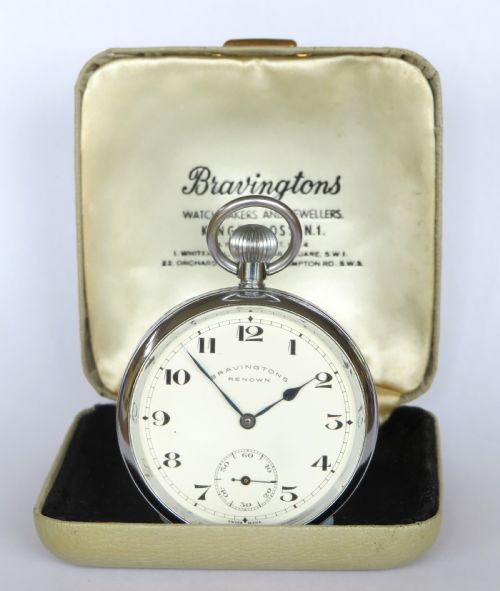
F. Osbourne & Co·Bravingtons·Omar Ramsden & Alwyn Carr·Henry Cook·AR Mowbray & Co
The Antique Silver Cross Glossary
- Paste
- Hand-cut and polished lead glass used to imitate gemstones in antique jewellery. Georgian pieces frequently utilise foiled paste to enhance brilliance.
- Pique
- A method of inlaying tiny points or patterns of gold and silver into tortoise shell or other organic materials. This technique appears on Victorian pendants and decorative boxes.
- Dish cross
- An adjustable metal frame placed on a dining table to support hot dishes. Georgian examples in sterling silver often feature folding arms and central spirit burners.
- Quaich
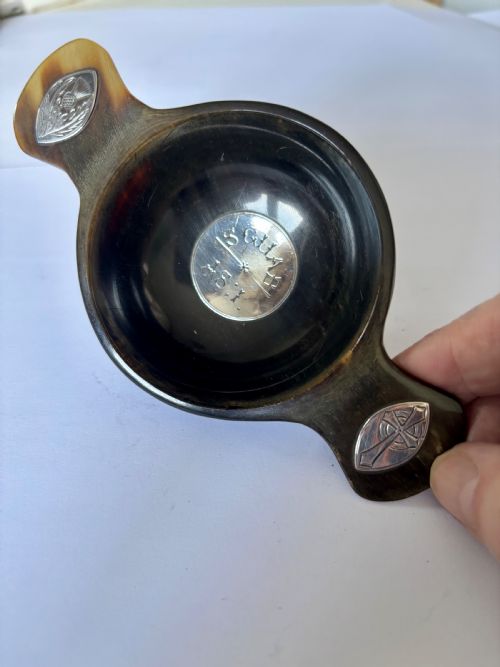
- A traditional Scottish two-handled drinking vessel. Silver-mounted horn versions combine native materials with silversmithing skill.
Antique Silver Cross: Frequently Asked Questions
How do I date an antique silver cross?
Examine the hallmarks stamped on the metal, which indicate the assay office, standard of silver, and year of production. Stylistic clues such as Victorian mourning motifs or Georgian stone-setting techniques also help narrow the timeframe.
Maker marks provide further verification when matched against historical records. Comparing construction methods against known periods ensures accurate dating.
What is the difference between a pendant and a brooch cross?
Pendants are designed to suspend from a chain around the neck, featuring a loop or bale at the top. Brooches incorporate a pin and catch mechanism on the reverse for fastening to garments.
Some Victorian pieces were manufactured with dual fittings, allowing the wearer to use the item as either a pendant or a brooch.
How should I clean antique silver?
Remove dust and light grime using a soft microfibre cloth without applying harsh chemical dips. Preserving the natural patina is essential for maintaining the historical character of older silver items.
Avoid abrasive polishes that can wear away thin silver plating, gilt layers, or delicate surface engraving. Consult a professional restorer for pieces with intricate stone settings.
Were all silver crosses religious?
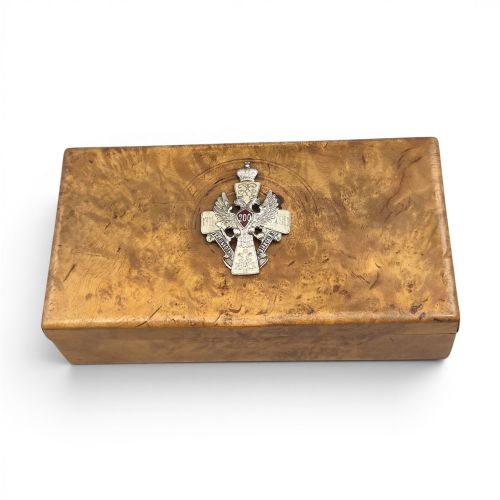
While many pieces served liturgical functions or personal devotion, others were created primarily for decorative or commemorative purposes. Examples include regional Scottish pebble jewellery and military association badges.
Secular items frequently adopted the cross shape for its balanced symmetry and symbolic resonance in British and European design.