
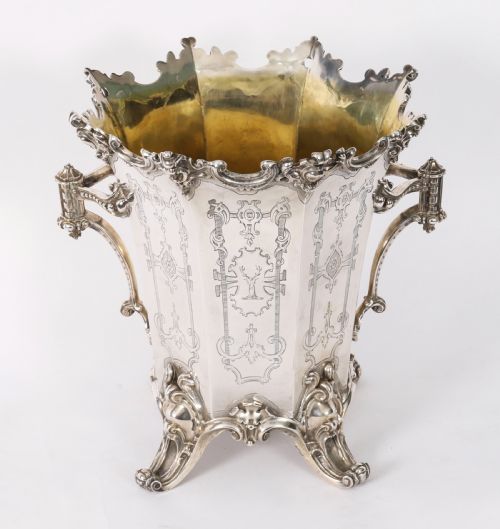

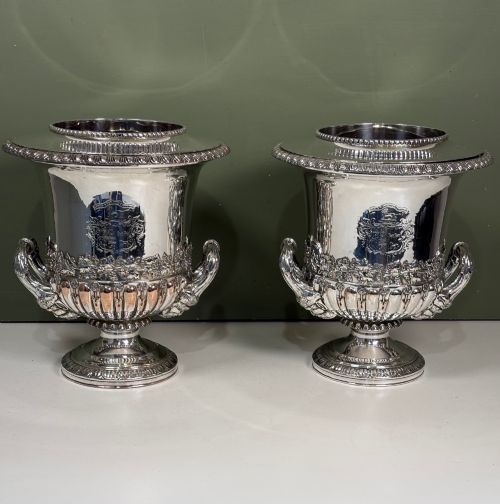


Antique Silver Chiller Bucket
An antique silver chiller bucket brings weight and gleam to a table, keeping wine and champagne cold with enduring style.
Antique Silver Chiller Bucket
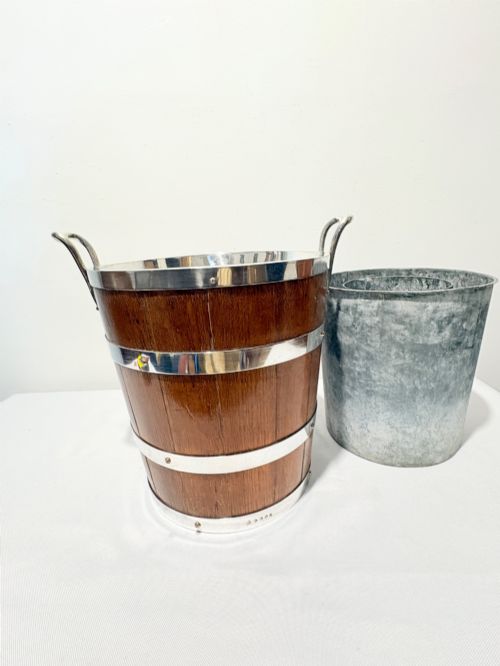
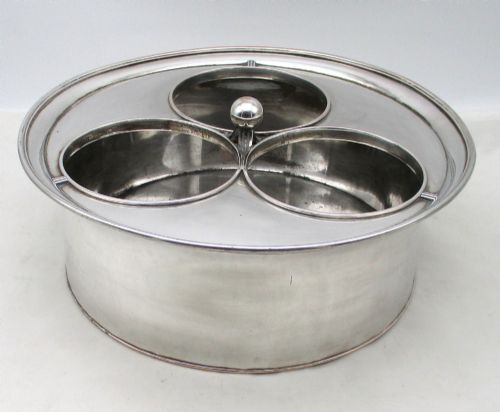
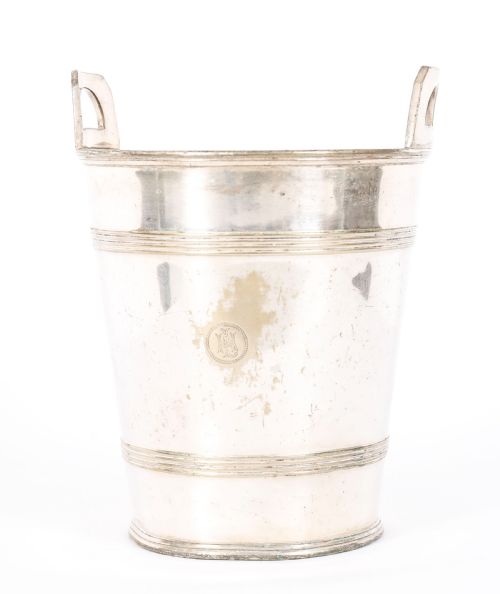
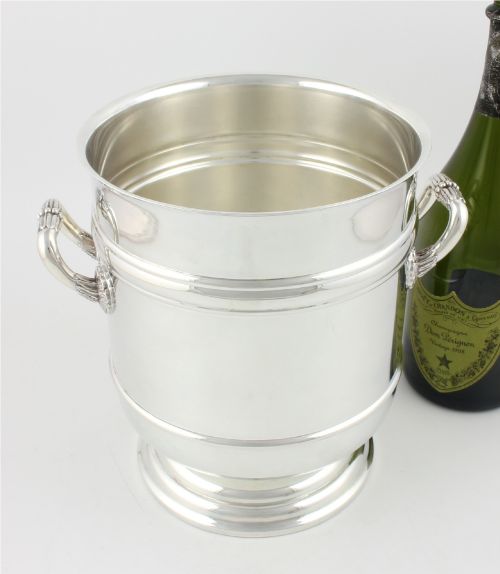
An antique silver chiller bucket serves as a practical vessel for wine, champagne, or ice, taking forms such as campana urns, cylindrical buckets, and handled coolers. Buyers exploring this selection will encounter pieces spanning from the Regency period through the Art Deco era and into the mid-twentieth century.
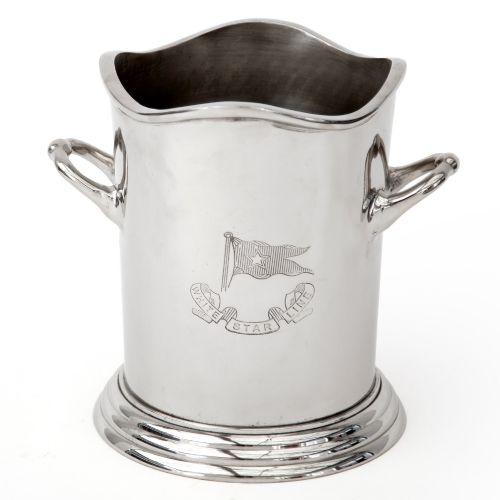
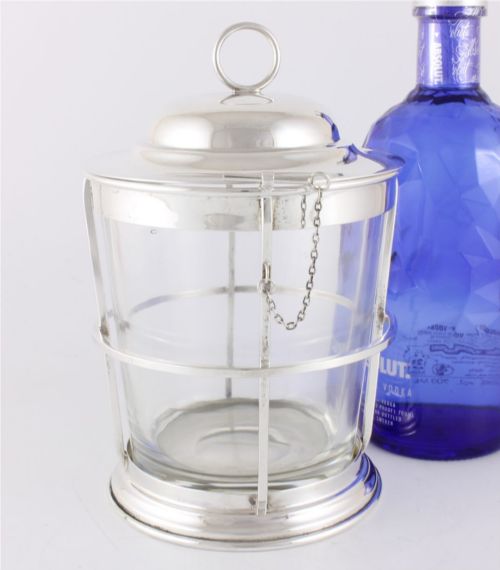
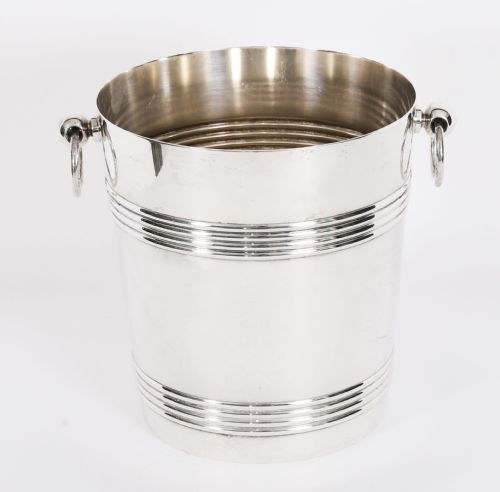
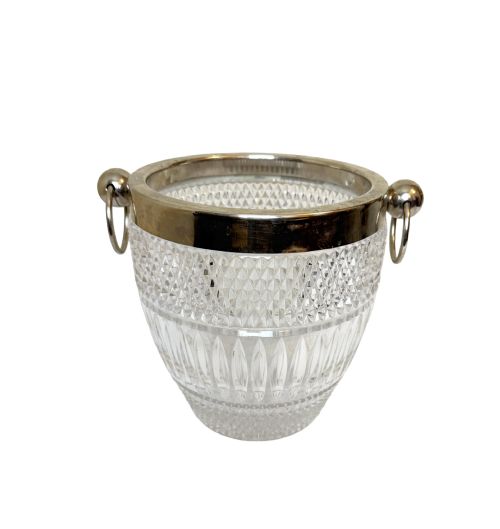
The objects listed range from sturdy Old Sheffield Plate pieces bearing coats of arms to streamlined French Art Deco champagne buckets and maritime pieces. These vessels appear in various guises, including multi-bottle holders, floor-standing coolers, and cut crystal ice pails mounted in metal frames.
Origins stretch across England, France, Italy, and Scandinavia, reflecting diverse domestic and hospitality uses from grand dining rooms to ocean liners. Each piece combines functional capacity for ice and bottles with distinct period ornamentation, from embossed flora to geometric handles.
Materials and construction methods
Makers utilised silver plate, Old Sheffield Plate, copper, and solid silver, frequently combining metal bodies with cut crystal glass inserts, oak bases, or brass handles. Old Sheffield Plate involves fusing a thin layer of silver onto a copper core, leaving a characteristic warm tone where the underlying metal shows through wear.
Techniques range from early nineteenth-century hand-raising and applied cast mounts to twentieth-century electroplating on nickel silver or white metal alloys. Details such as heavy embossing, chased coats of arms, and geometric Art Deco fluting required skilled hammering, soldering, and polishing by specialised craftsmen.
Ocean liner salvage occasionally supplies heavy marine wine coolers meant to survive rough seas without spilling a drop.
Determining quality and craftsmanship
Quality rests in the crispness of cast handles and heraldic mounts, the weight of the metal body, and the proportion of the vessel. Superior pieces maintain a balanced wall thickness and secure joints where handles join the bowl, rather than relying solely on surface plating.
Makers' marks provide a reliable indicator of distinction, separating standard commercial production from works by noted silversmiths and luxury houses. The preservation of original copper telegraphing on Old Sheffield Plate or the integrity of heavy silver plating over base metal distinguishes finer examples.
Hutton Sheffield·Christofle·PH Vogel·Elkington Mason And Co·WMF·James Dixon And Sons·Luc Lanel·Matthew Boulton And Co
The Antique Silver Chiller Bucket Glossary
- Old Sheffield Plate
- A method of fusing silver sheet to a copper ingot before rolling, used extensively in the Georgian and Regency periods. This technique often reveals a warm copper hue along high points and rims.
- Campana
- A bell-shaped vessel form popular during the Regency and Georgian eras, frequently utilised for wine coolers with flared rims and footed bases. Such designs draw inspiration from classical antiquity.
- Electroplating
- A process introduced in the nineteenth century where a layer of silver is deposited onto a base metal using electrical current. This method superseded Old Sheffield Plate for mass production.
- Gallia
- A high-grade silver-plated alloy developed by the French manufacturer Christofle during the early twentieth century. It is frequently associated with sleek Art Deco designs.
- Cut crystal
- Lead glass shaped with sharp, geometric incisions that catch light, often paired with silver-plated rims and swing handles to form ice buckets.
Antique Silver Chiller Bucket: Frequently Asked Questions
How do I clean an antique silver chiller bucket?
Wash the interior gently with warm soapy water, avoiding harsh abrasives that strip thin plating or Old Sheffield layers. Dry thoroughly with a soft cloth to prevent water spots.
Polish the exterior sparingly using a dedicated silver cloth or mild cream designed for plated items. Take care around engraved coats of arms and raised cast mounts to preserve the remaining silver.
Can I use these buckets for ice today?
These vessels were built to hold ice, wine, and champagne during service, making them fully functional for modern entertaining. Glass-lined pails and solid metal buckets withstand regular contact with ice cubes without issue.
For plated items, avoid leaving melting ice or salted water sitting inside for prolonged periods after use. Wipe the interior dry promptly to protect the metal surface from tarnishing or corrosion.
What is the difference between Old Sheffield Plate and silver plate?
Old Sheffield Plate involves physically fusing a sheet of real silver to a copper base before hammering and shaping. Over decades of polishing, the underlying copper shows through the wear points, creating a distinct warm glow.
Standard silver plate utilises an electrochemical process to bond a thin layer of silver over a base metal like nickel silver or brass. This method became common in the Victorian era and produced more uniform coverage without copper bleed-through.
How do I date a piece without a clear hallmark?
Examine the overall silhouette, handle attachments, and decorative motifs against known design periods like Regency, Art Deco, or Edwardian. Stylistic cues often narrow down the decade of manufacture when official date letters are absent.
Look at construction methods, such as the seam work on the body or the type of base metal visible where plating has worn. Maker signatures, registry numbers, and trade marks stamped on the base also provide key chronological markers.