



Antique Silver Cherub
When you search for an antique silver cherub, you are looking at decorative domestic metalwork carrying cast or embossed putti.
Antique Silver Cherub
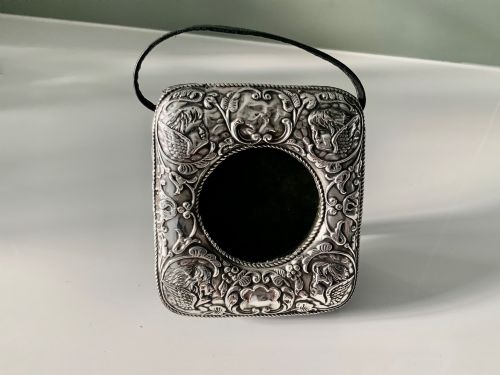
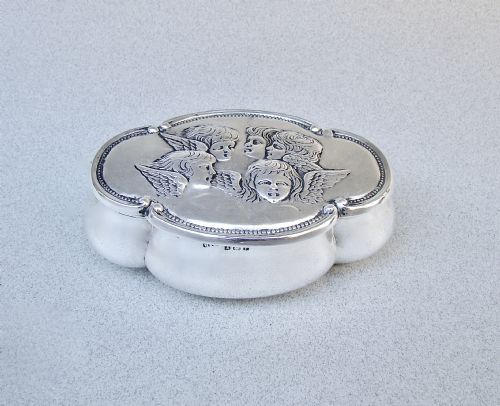
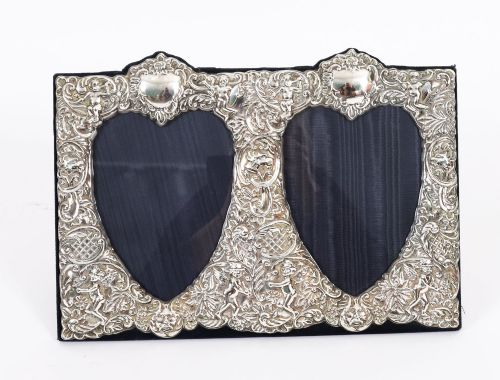
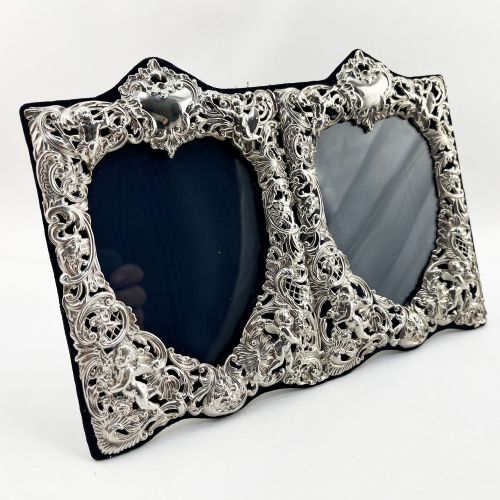
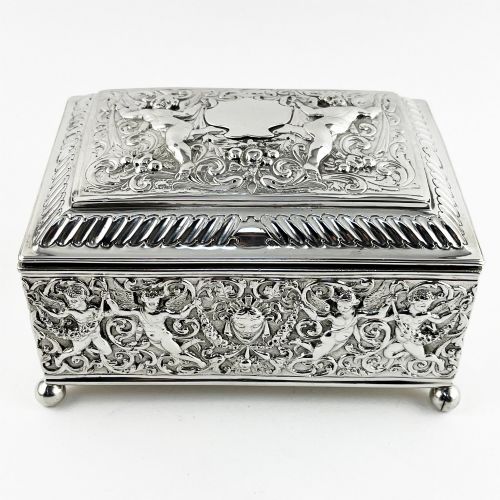
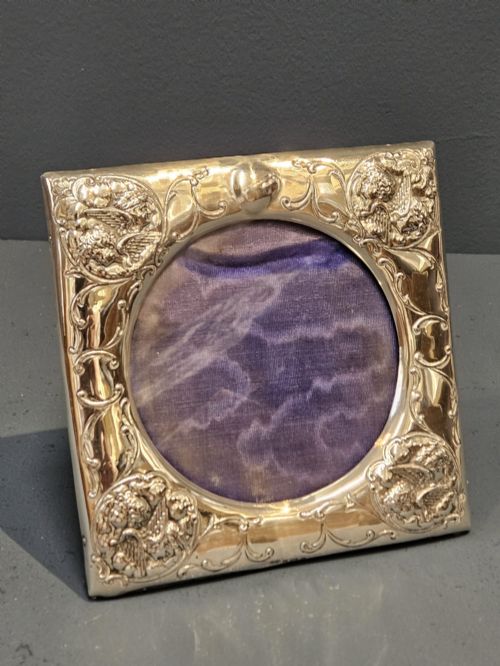
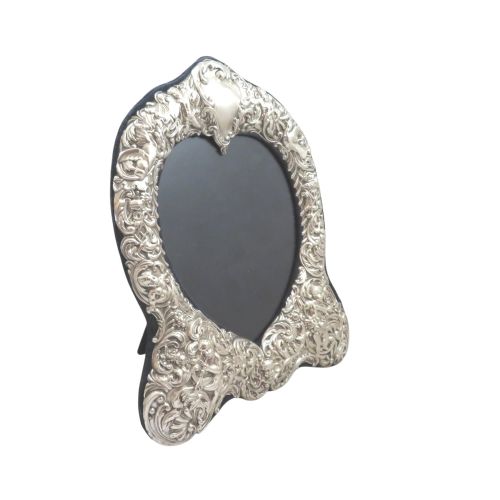
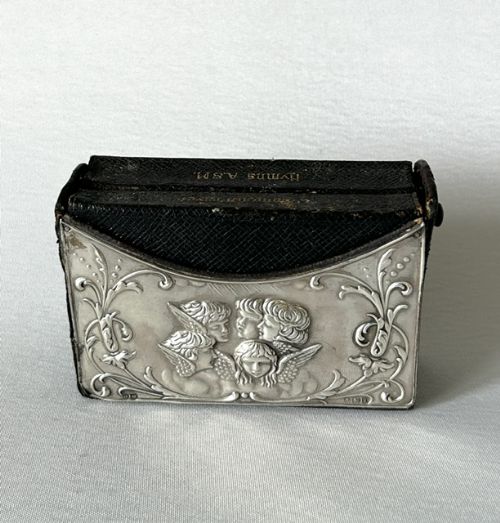
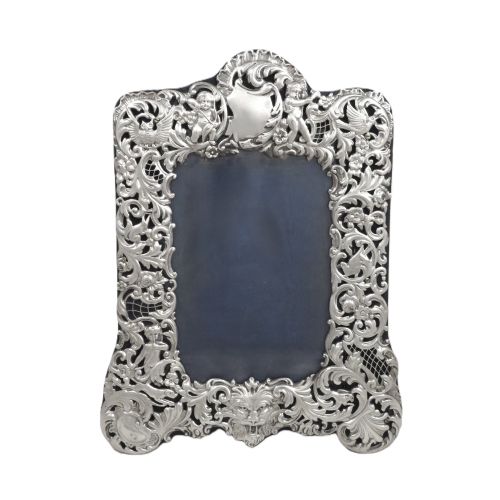
The search phrase antique silver cherub encompasses a range of domestic items fashioned from sterling silver, silver plate, and gilt metals across the Victorian, Edwardian, and early twentieth-century periods. Buyers typically encounter photo frames, trinket boxes, and hand mirrors adorned with embossed or cast cherub motifs, including the popular Reynolds angels design.
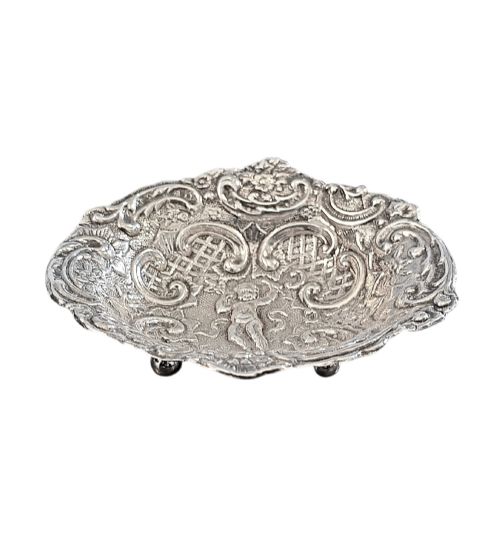
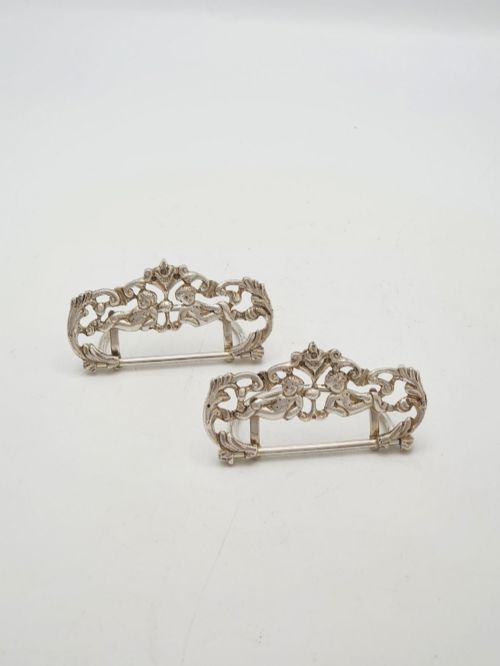
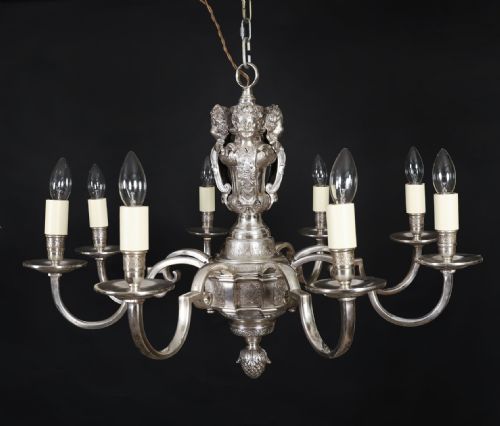
Objects span from the nineteenth century into the 1930s, incorporating styles from Rococo Revival and Art Nouveau to Neo-Classical. Smaller items such as bonbon dishes, place card holders, and mustard pots frequently feature these winged figures, alongside larger desk accessories and wall sconces.
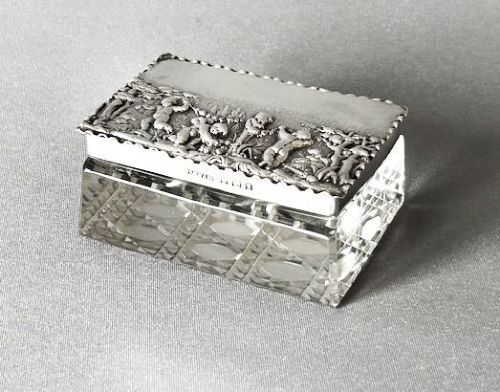
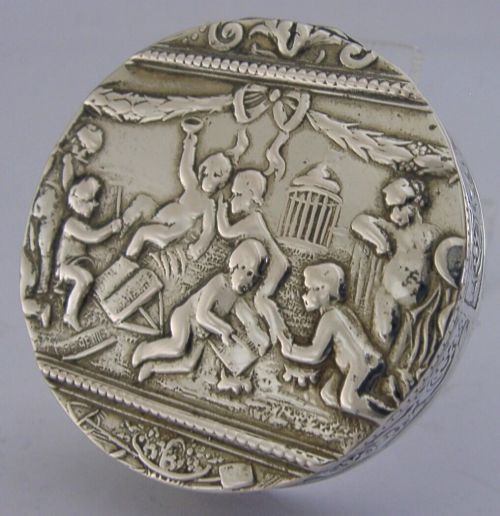
Origin and form vary considerably, with English, Scottish, and continental European pieces appearing alongside silver-plated ware and glass combinations. The character of the cherub decoration shifts from high-relief cast models to detailed repoussé work on photo frame borders and box lids.
Materials and construction
Items are predominantly manufactured from sterling silver or silver plate, frequently combined with glass, wood, velvet, or gilt metal interiors. Metalworking techniques rely heavily on casting solid figures, such as desktop models and place card holders, alongside stamping and embossing sheet silver for photo frames and trinket box lids.
Repoussé and chasing techniques allow artisans to push metal from the reverse and refine details from the front, creating the characteristic depth found on Reynolds angels trays and embossed vanity mirrors. Gilt accents and silver-gilt finishes appear on specific boxes, candelabra, and scent bottles to provide contrasting colour.
Antique Silver Cherub Retail Price Guide 2026
Typical asking prices for silver cherub among the pieces listed under this phrase on Sellingantiques today, from the lower quarter to the upper quarter. They describe what is for sale here now, not the wider market.
Materials paired with silver in these listings include glass, velvet, wood, and brass, spanning Neo-Classical, Art Nouveau, and Rococo Revival styles.
Assessing quality in silver cherub items
The weight of the silver and the structural integrity of the piece distinguish standard domestic wares from finer studio work. Heavier gauge metal resists denting, and well-fitted hinges on boxes and frames maintain alignment over decades of handling.
William Aitken·William Comyns·Paul Storr·William Hutton and Sons·Charles Boyton·S Blanckensee and Son
The Antique Silver Cherub Glossary
- Repoussé
- A metalworking technique where a design is hammered into relief from the reverse side of the sheet metal. Artisans utilise this method to shape ornate cherub scenes on photo frame borders and trinket box lids.
- Sterling silver
- An alloy consisting of ninety-two point five percent silver by mass, with the remainder usually copper. British pieces of this standard carry hallmark stamps indicating purity and origin.
- Putto
- A figure of a plump, naked male child, commonly winged and resembling a cupid. These classical figures are frequently termed cherubs on nineteenth and twentieth-century decorative metalwork.
- Hallmark
- An official mark stamped onto precious metal items in Britain to guarantee the metal standard. These marks typically show the maker, assay office, and year of testing.
Antique Silver Cherub: Frequently Asked Questions
How do I care for antique silver trinket boxes?
Cleaning requires a soft microfiber cloth and mild silver polish, avoiding abrasive pastes that flatten embossed cherub details. Care must be taken around velvet linings and glass panels.
Storage in a dry environment prevents tarnishing and protects the structural integrity of hinges and clasps on antique boxes.
What are Reynolds angels?
Reynolds angels refer to the cherub motifs derived from the child figures in Sir Joshua Reynolds' eighteenth-century painting titled The Age of Innocence. This specific design gained immense popularity during the Victorian period.
Silver smiths frequently embossed these specific cherub faces onto photo frames, trinket boxes, and vanity trays throughout the late nineteenth and early twentieth centuries.
How can I date my silver cherub item?
Dating relies heavily on hallmarks stamped into the silver, which record the assay office, standard, and a specific date letter corresponding to the year of manufacture. Stylistic shifts also offer clues.
Victorian pieces often display heavy Rococo Revival scrolls around the cherubs, while Edwardian examples lean towards lighter Neo-Classical or Art Nouveau integration.