





Antique Silver Calling Box
An antique silver calling box is a pocket receptacle for visiting cards, merging fine metalwork with social ritual.
Antique Silver Calling Box
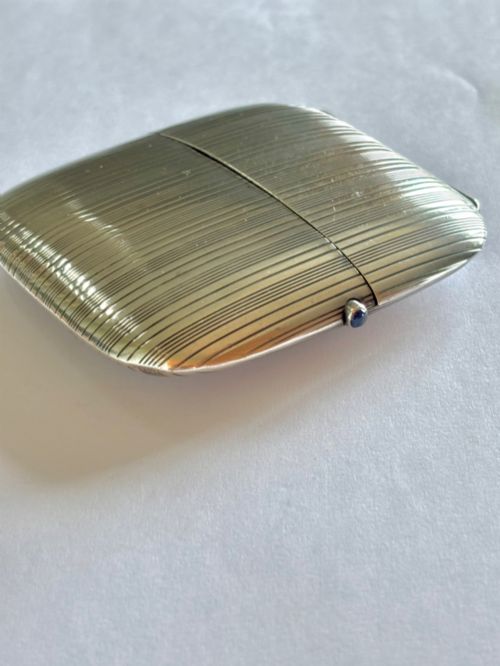
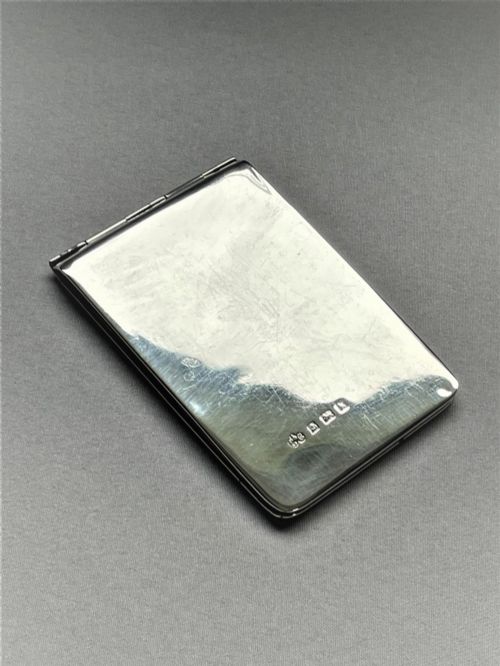
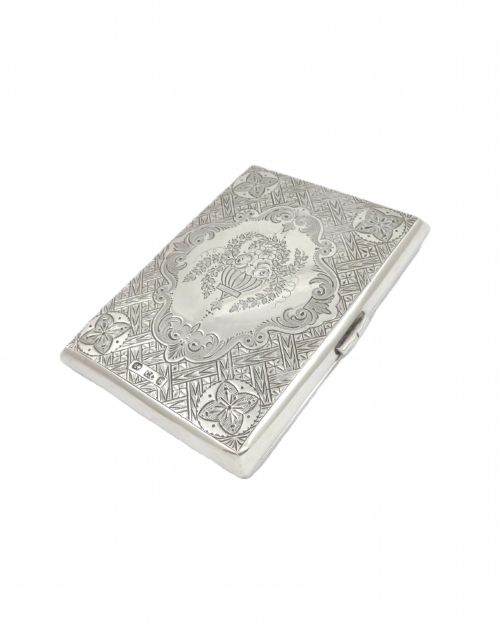
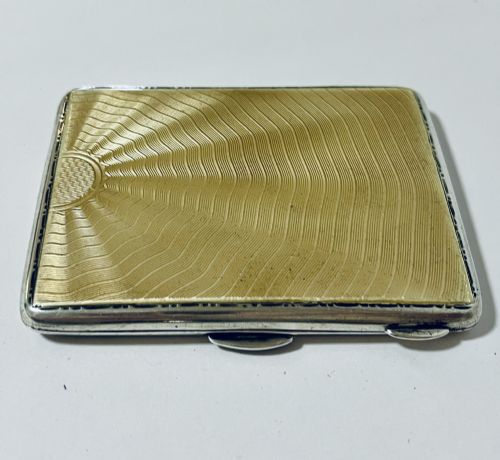
An antique silver calling box most frequently appears on this page as a visiting card case, card box, or cigarette case. These receptacles span the Victorian and Edwardian eras, alongside Art Deco and Soviet Era examples.
Makers shaped sterling silver into flat folding wallets, aide-mémoires, and rigid boxes designed to hold paper cards or smokes safely in a pocket or reticule. Continental and Anglo-Indian variants join English work from Birmingham production hubs.
Materials and construction
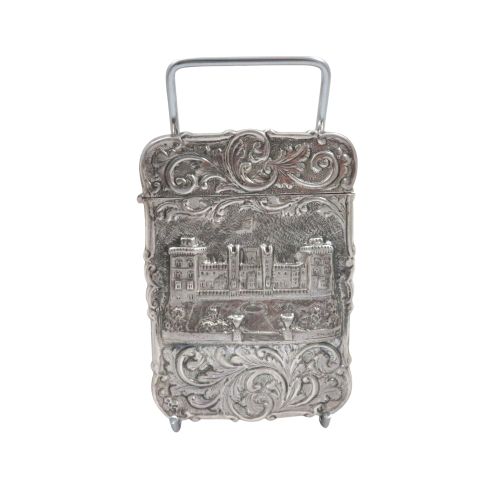
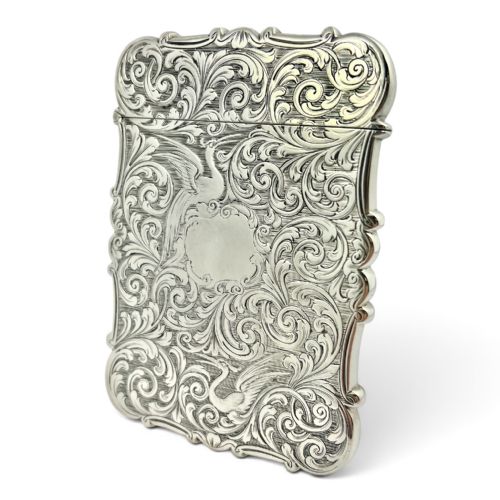
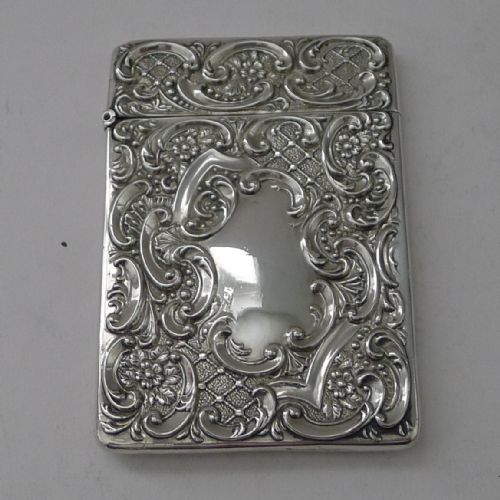
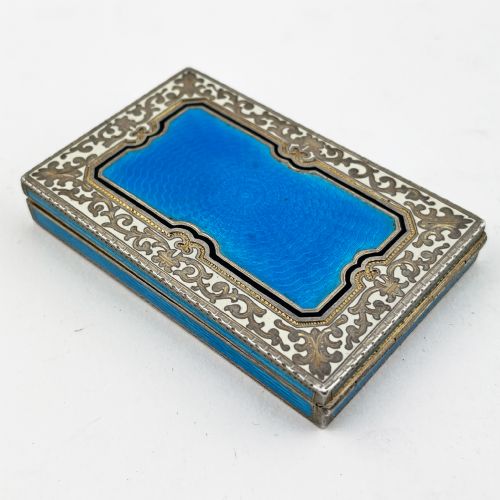
Silversmiths utilised sterling silver and silver gilt, often combining the metal with enamel, tortoiseshell, mother of pearl, or bone. Many surfaces display intricate repoussé decoration or detailed cast architectural motifs known as castle tops.
Engraving and applied enamel provide colour and pattern, whilst internal gilt linings protect the silver from the chemical action of stored paper and tobacco.
The site's listings feature Victorian and Edwardian pieces alongside Art Deco and mid-century items, spanning sterling silver, enamel, and tortoiseshell.
Distinctions in craftsmanship
Quality rests in the crispness of the chased or engraved detail, such as the architectural precision on castle top boxes depicting Windsor Castle or St Paul's Cathedral. Heavy gauge sterling silver and tightly closing hinges mark out superior examples.
The integration of secondary materials like tortoiseshell and vitreous enamel demands high technical skill, separating standard production pieces from master smith output.
Nathaniel Mills·Foxall and Co·George Unite
The Antique Silver Calling Box Glossary
- Castle top
- A card case featuring a detailed repoussé or engraved depiction of a famous landmark on the lid. These architectural views often show English cathedrals or royal residences.
- Aide-mémoire
- A small pocket notebook or case incorporating ivory or bone leaves alongside compartments for cards. It allowed the owner to jot down social engagements on the go.
- Repoussé
- A metalworking technique where the smith hammers the silver from the reverse side to form a raised design in relief. This method creates tactile depth on the exterior of cases.
- Silver gilt
- Sterling silver that has been coated with a thin layer of gold on the interior or exterior. This treatment prevents tarnish and provides a warm golden contrast to the white metal.
Antique Silver Calling Box: Frequently Asked Questions
What fits inside an antique silver calling box?
These slim receptacles were originally manufactured to hold paper calling cards used in nineteenth-century social exchange. Many also accommodate slim cigarettes, cheroots, stamps, or folded notes.
Today, modern owners often utilise them to carry business cards, credit cards, or small keepsakes in daily use.
How do I identify a castle top case?
A castle top case displays a distinct, high-relief image of a specific building on the lid, such as Windsor Castle or St Paul's Cathedral. The surrounding silver is usually heavily chased with scrolls, flowers, or foliage.
These pictorial lids represent some of the most sought-after examples produced by Victorian silversmiths.
How do I clean silver with enamel or tortoiseshell?
Enamel and organic materials like tortoiseshell or mother of pearl require gentle care to avoid permanent damage. Standard liquid silver dips will ruin enamel and degrade tortoiseshell instantly.
Use a soft, dry microfibre cloth to polish the metal portions carefully, keeping polishes and liquids away from the inlaid panels.
When were visiting card cases used?
Visiting card cases became essential accessories during the Victorian and Edwardian periods when strict etiquette governed social calls. Leaving a card was a formal way to announce a visit, pay respects, or maintain social networks.
The cases kept the delicate paper cards crisp and clean within pockets or handbags during transport.