





Antique Silver Bar Tray
An antique silver bar tray brings instant polish to a home bar, offering a sturdy surface for drinks, glassware and decanters.
Antique Silver Bar Tray
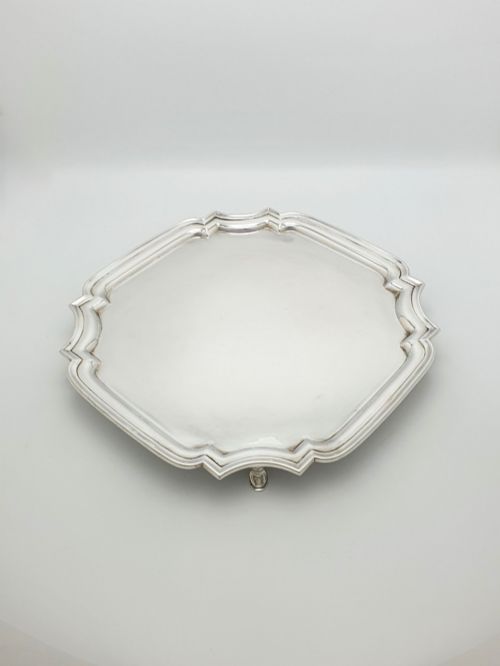
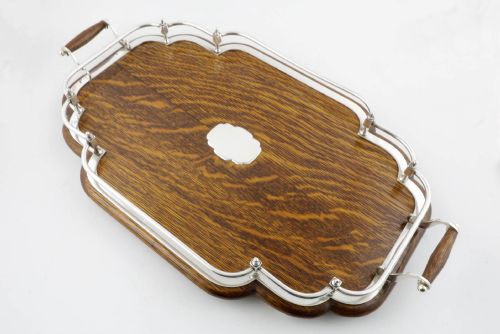
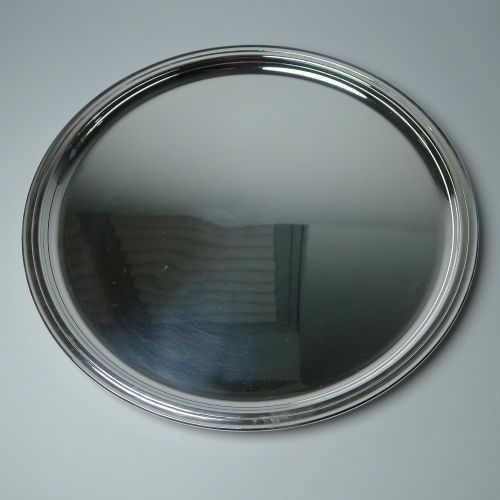
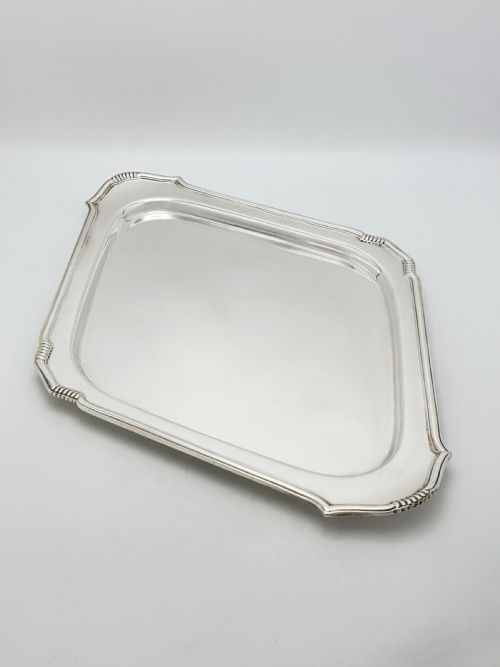
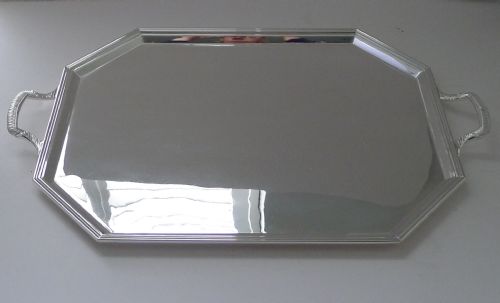
When you search for an antique silver bar tray, you encounter serving pieces designed for cocktails, tea, and general drinks service spanning the late nineteenth century through the art deco period. The selection on this page relies heavily on silver plate, electroplated nickel silver, and sterling silver forms produced in rectangular, square, diamond, and large gallery configurations.
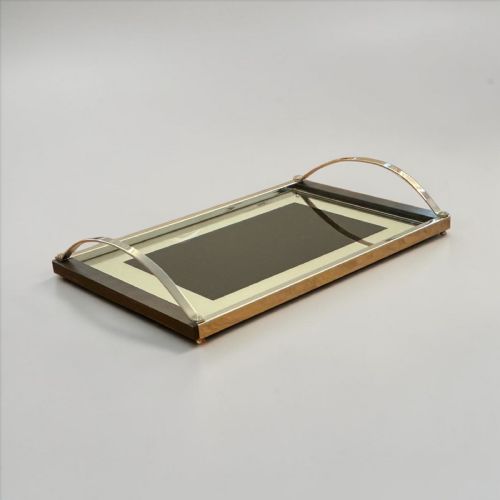
Edwardian and Victorian examples lean toward traditional wood or glass combinations paired with heavy metal mounts and galleries, while pieces from the nineteen-twenties and nineteen-thirties adopt striking art deco geometry. Trays often incorporate sturdy handles, scalloped edges, and engine-turned surfaces tailored for frequent entertaining.
Most pieces you meet here date from the late nineteenth century to around nineteen-thirty, reflecting shifts from ornate Victorian server styles to clean-lined jazz-age cocktail accessories. English oak, mahogany, ebonised wood, and cobalt blue mirror glass frequently complement the metal plating and solid silver construction.
Materials and construction methods
Makers utilised silver plate, electroplated nickel silver, and sterling silver over structural foundations of English oak, mahogany, and ebonised wood. Metal mounts, gallery rails, and handles were soldered or screwed securely to timber bases or formed entirely as heavy plate constructions.
Surface decoration involved engine-turning, geometric engraving, and fitted glass inserts such as cobalt blue mirror panels. Old Sheffield plating techniques and standard electroplating applied thin layers of precious silver over durable base metals to achieve a polished finish.
Antique Silver Bar Tray Retail Price Guide 2026
Typical asking prices for silver bar tray among the pieces listed under this phrase on Sellingantiques today, from the lower quarter to the upper quarter. They describe what is for sale here now, not the wider market.
Some cocktail trays include cobalt blue mirror glass designed to hide stray drops of gin and vermouth between rounds of drinks.
Distinguishing quality across pieces
Quality rests upon the weight of the metal, the thickness of the silver plating, and the structural integrity of joints where handles and galleries meet the base. Substantial gauge metal and crisp engine-turning separate superior production from lighter, thinner alternatives.
The integration of secondary materials like quarter-sawn oak, inlaid mahogany, or thick mirror glass indicates higher manufacturing standards. Well-preserved makers' marks from established silversmiths further elevate a piece by confirming its origin and production standard.
Walker & Hall·J B Chatterley & Sons·Hukin & Heath·James Dixon & Sons·Asprey London·Elkington
The Antique Silver Bar Tray Glossary
- Silver plate
- A thin layer of pure silver bonded to a base metal such as copper or nickel silver. This technique provided the appearance of solid silver at a lower production cost.
- EPNS
- Electroplated Nickel Silver, a common base material for twentieth-century serving wares. It offers durability and a bright silver surface.
- Gallery tray
- A serving tray featuring an elevated pierced or solid metal rail around its perimeter. This rail prevented glassware and decanters from sliding off during transport.
- Engine-turned
- A decorative technique involving precise geometric patterns carved mechanically into metal surfaces. It adds texture and reduces the visibility of minor surface scratches.
- Old Sheffield plate
- An early method of fusing a sheet of silver to a copper core before rolling them into sheets. Pieces made this way show characteristic copper lines where the edge meets.
Antique Silver Bar Tray: Frequently Asked Questions
How do I clean silver plate?
Use a soft cloth and a specialised silver polish formulated for plated items. Avoid harsh scrubbing that can wear through the thin silver layer.
Regular gentle wiping preserves the shine and protects the underlying base metal from exposure.
Were these trays used for cocktails?
Many trays dating from the nineteen-twenties and nineteen-thirties were specifically manufactured for cocktail service. They accommodated shakers, glasses, and bar accessories on mirrored or metal surfaces.
Earlier Victorian and Edwardian examples were more commonly designed for tea or general hospitality.
How do I identify maker marks?
Maker marks are typically stamped into the underside or along the rim of the tray. They include manufacturer initials, symbols, and standard quality indicators.
Reference books or online silversmith guides help match these punches to specific historical firms.