




Silver Cocktail Salver
A silver cocktail salver brings instant polish to home mixing, offering a dedicated stage for drinks and glassware.
Silver Cocktail Salver
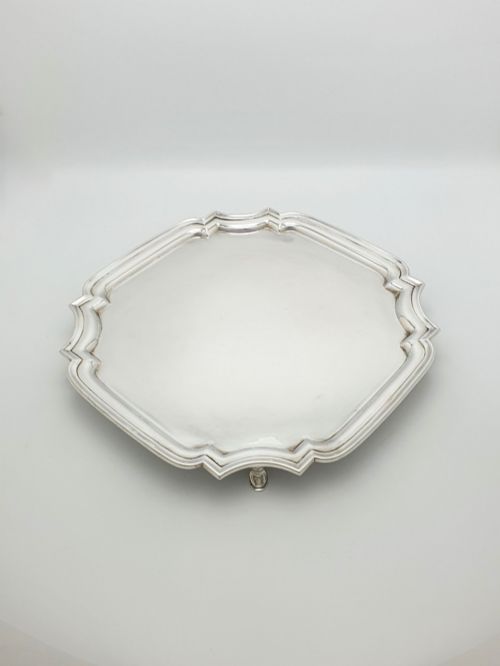
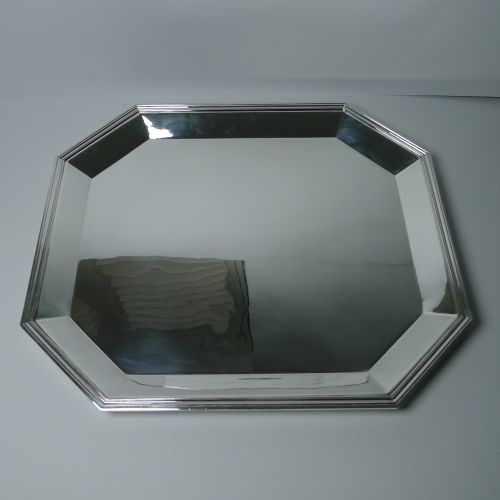
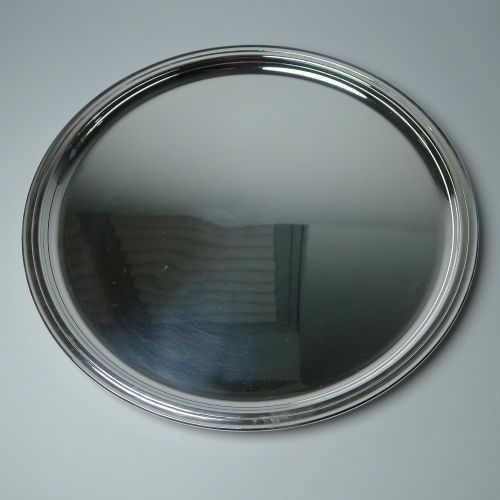
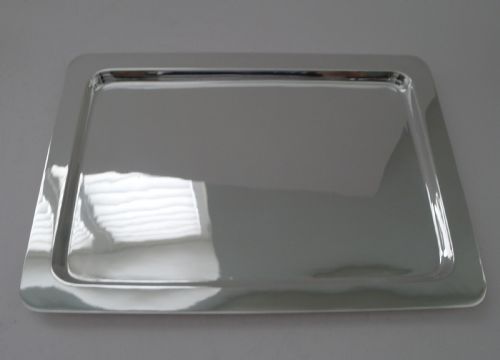
A silver cocktail salver is a flat serving vessel designed specifically for presenting drinks, glassware and bar accessories in a home setting. When searching for a silver cocktail salver, buyers encounter various forms ranging from compact circular models to substantial twin-handled serving trays.
The pieces appearing on this page span several distinctive eras, with Art Deco geometric designs and simple silver-plated circular trays predominating. Origins stretch across English workshops and Parisian studios, reflecting both domestic entertaining traditions and French metalwork.
Forms include square, octagonal and round trays, occasionally incorporating wooden elements or detailed engine-turned decoration upon the surface. These items serve equally well for functional drink service or as decorative accessories on sideboards.
Materials and methods of construction
Construction relies heavily on silver plate, electroplated nickel silver, and sterling silver applied over base metal foundations. Manufacturers also incorporated wood into certain designs to provide stability and contrast against the metallic surfaces.
Techniques range from traditional Victorian silversmithing to mid-century modern production methods. Surface decoration often includes precise engine-turned patterns that catch the light while masking minor daily wear.
Silver Cocktail Salver Retail Price Guide 2026
Typical asking prices for silver cocktail salver among the pieces listed under this phrase on Sellingantiques today, from the lower quarter to the upper quarter. They describe what is for sale here now, not the wider market.
Materials represented across the inventory include sterling silver, silver plate, EPNS, nickel silver, wood and base metal.
Distinctions in craftsmanship and design
Quality separates ordinary productionware from exceptional pieces through the crispness of stamped borders, the weight of the metal base, and the integrity of the plating. Maker attribution plays a significant role, as established silversmiths maintained higher standards for edge finishing and structural balance.
The refinement of geometric handles, the depth of engine-turned engraving, and the preservation of the original surface determine the desirability of a piece. Finer examples display harmonious proportions that remain steady and balanced when laden with glassware.
Orfèvrerie Christofle·Walker & Hall·James Dixon & Sons·John Collyer & Co·Elkington·Victor Saglier
The Silver Cocktail Salver Glossary
- Silver plate
- A thin layer of pure silver bonded to a base metal core such as copper or nickel silver. This process allowed makers to offer substantial serving pieces at a lower cost than solid sterling.
- Sterling silver
- An alloy consisting of pure silver and other metals, usually copper, standardised for strength and durability. Items made from this material carry specific hallmarks denoting their metallic purity and origin.
- EPNS
- An abbreviation for electroplated nickel silver, a common base material for twentieth-century tableware. The electrochemical process coats a durable nickel alloy with a bright layer of silver.
- Engine-turned
- A decorative technique involving precise geometric patterns mechanically engraved into metal surfaces. This method creates repetitive micro-textures that diffuse light and reduce the visibility of fingerprints.
- French Rococo Revival
- A nineteenth-century decorative style referencing ornate asymmetrical scrolls, natural foliage and shell motifs. Trays in this aesthetic feature highly sculptural borders and classical flourishes.
Silver Cocktail Salver: Frequently Asked Questions
What is a silver cocktail salver used for?
These trays provide a stable, attractive surface for carrying glasses, decanters and cocktail shakers from the kitchen to guests. They also serve as permanent display bases on bar carts and sideboards.
Using a tray protects polished wood furniture from condensation rings and spills while keeping cocktail gear organised in one spot.
How do I clean a silver plated tray?
Maintenance requires a soft cloth and a reputable silver cream formulated to lift tarnish without stripping the underlying plating. Avoid abrasive pads or harsh chemical dips that damage delicate surfaces.
Regular, gentle wiping keeps the metal bright and preserves any underlying engine-turned patterns or maker's marks.
How do I date an antique drinks tray?
Datation relies on a combination of maker's marks, stylistic clues such as Art Deco geometry or Victorian scrolls, and manufacturing techniques. Hallmarks on sterling items provide precise assay office letters and date symbols.
Comparing the border profiles, handle attachments and overall weight against known period examples helps narrow down the decade of production.