

Antique Silver Accessory Box
An antique silver accessory box holds small daily treasures, combining solid metal work with practical design for the dressing table or desk.
Antique Silver Accessory Box
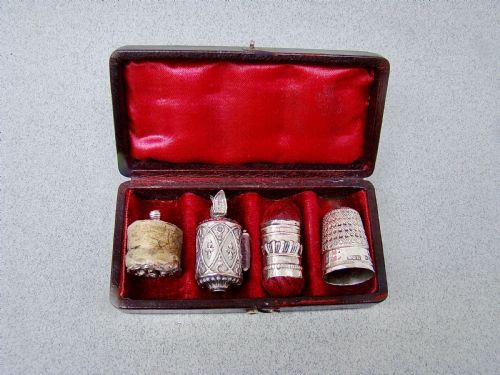
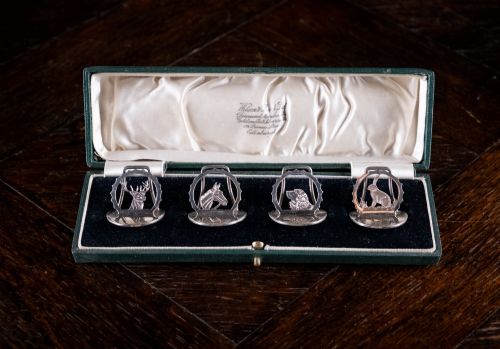
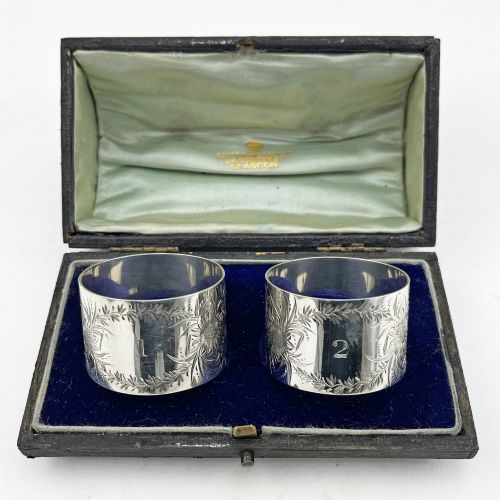
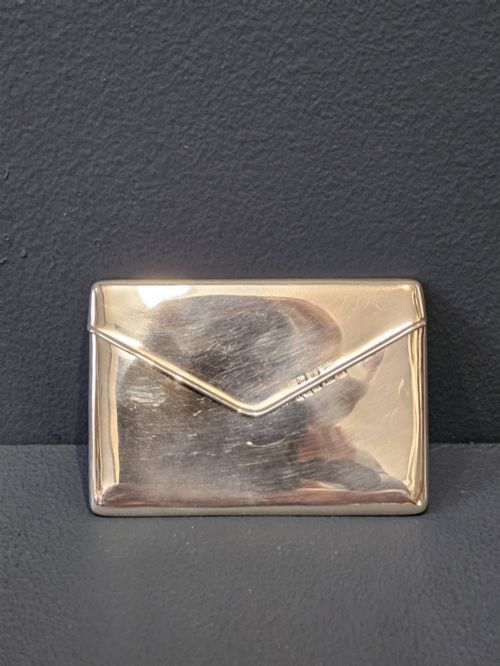
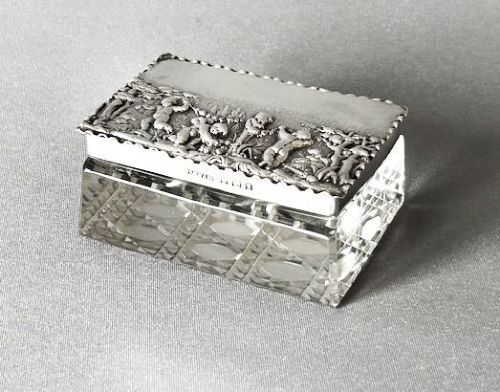
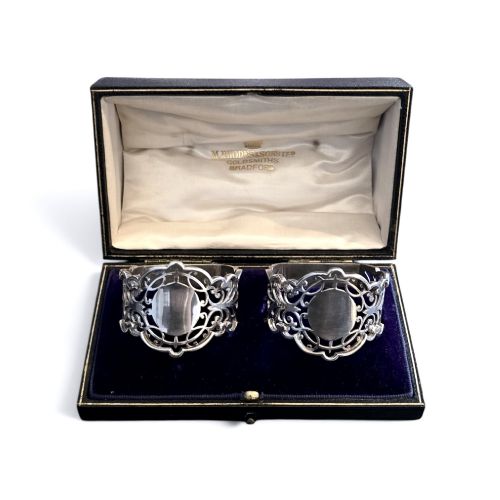
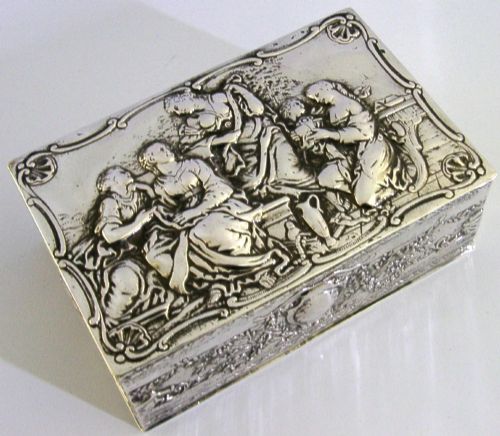
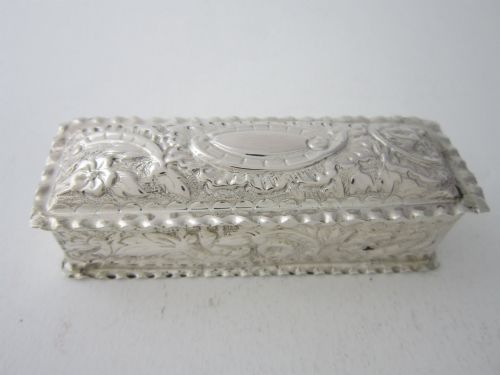
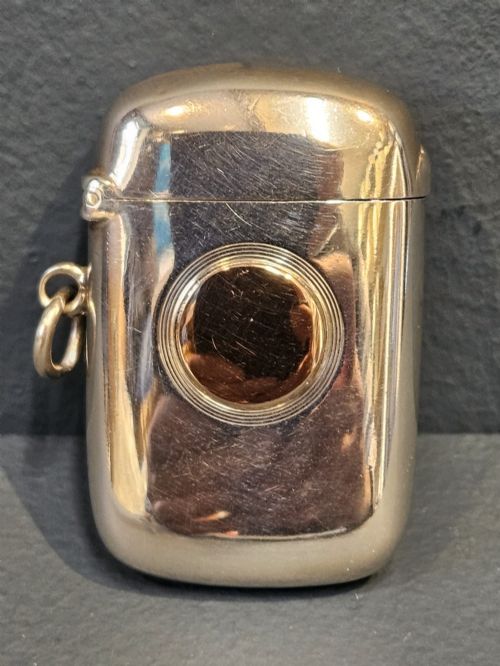
An antique silver accessory box encompasses various small receptacles designed to hold specific personal items, ranging from trinkets and stamps to vestas and snuff. When searching for an antique silver accessory box, buyers encounter items produced across the Victorian, Edwardian, and Georgian periods, alongside later twentieth-century examples.
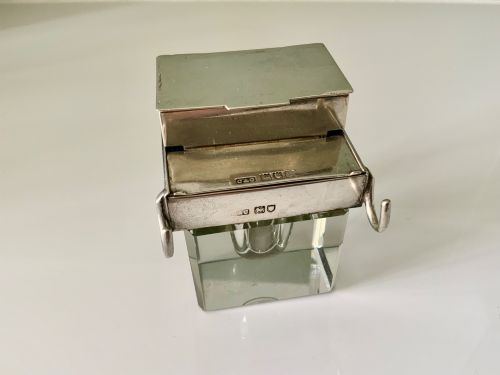
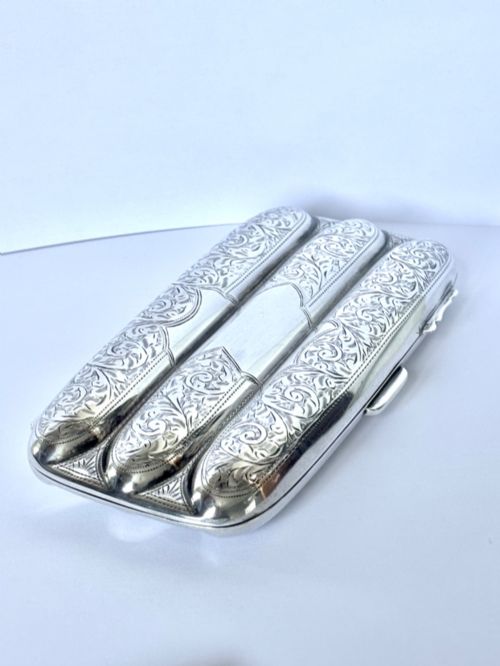
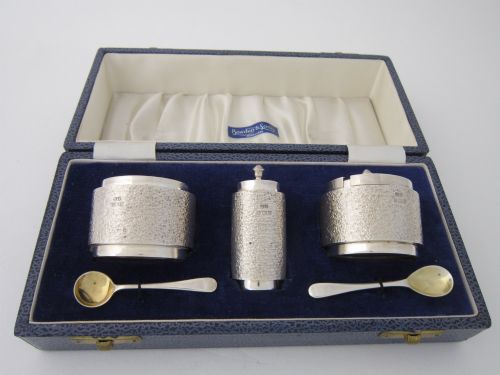
The selection on this page includes desk accessories, snuff boxes, vesta cases, and larger dressing table jewellery boxes. Materials extend beyond sterling silver to incorporate glass, leather, leatherette, velvet, and silk linings.
Materials and construction methods
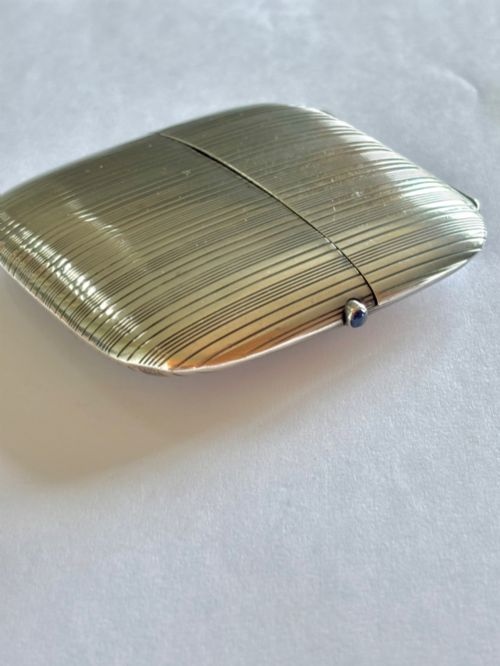
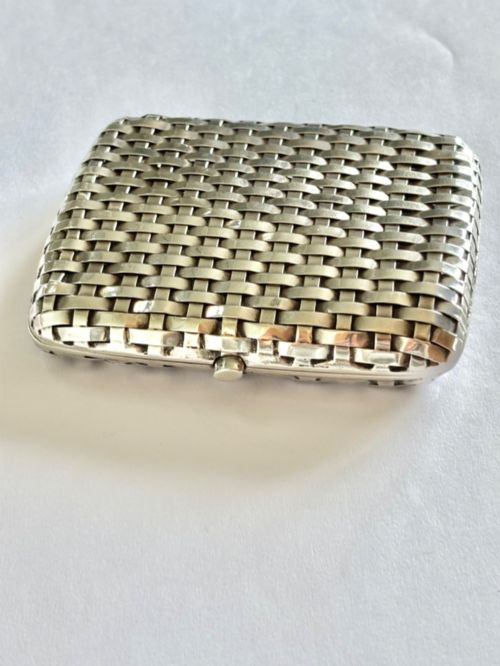
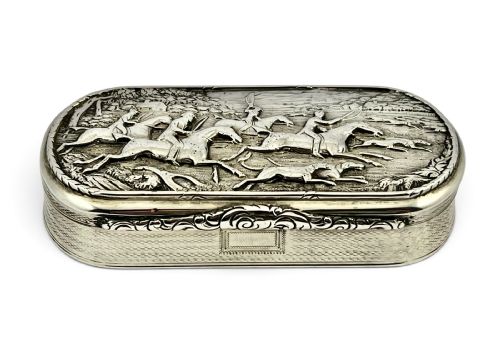
Silversmiths utilised sterling silver and continental grades, often combining the metal with internal linings of velvet, silk, or leatherette to protect delicate contents. Exterior decoration frequently relied on techniques such as basket weave stamping, enamel painting, and cast detailing.
Structural elements for larger table boxes involved wooden carcases clad in solid silver sheets or heavy cast hinges and locking mechanisms. Smaller pocket items like vesta cases and snuff boxes depended on precise spring-loaded lids and tight-fitting friction joins.
Antique Silver Accessory Box Retail Price Guide 2026
Typical asking prices for silver accessory box among the pieces listed under this phrase on Sellingantiques today, from the lower quarter to the upper quarter. They describe what is for sale here now, not the wider market.
Listings feature items spanning the Georgian, Victorian, Edwardian, and mid-twentieth-century periods, utilising sterling silver, glass, leather, and velvet.
Factors influencing quality and craftsmanship
Quality in these pieces rests upon the crispness of hallmarks, the weight of the silver used, and the integrity of any hinges and catches. Heavy gauge metal resists denting and maintains structural alignment over decades of use.
The refinement of internal velvet or silk linings and the precision of decorative chasing or enamel work distinguish standard utilitarian items from exceptional pieces made by prominent silversmiths.
William Comyns·Martin Hall And Co·Fritz Bemberg·Aaron Lufkin Dennison·A Wilcox·Mappin And Webb·Zimmermann·Paul Storr
The Antique Silver Accessory Box Glossary
- Vesta case
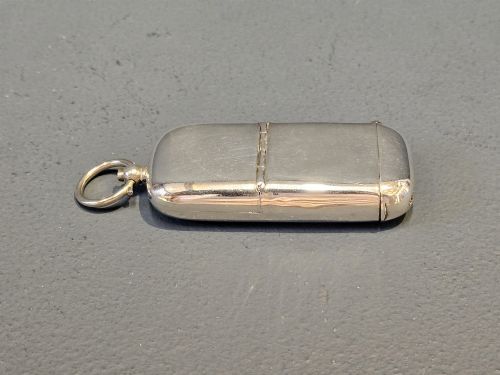
- A small pocket container specifically made to hold matches, often fitted with a striking surface on the base. These pieces frequently include combination compartments for stamps or sovereigns.
- Vinaigrette
- A small hinged box containing a perforated internal grille, designed to hold a sponge soaked in aromatic vinegar. Victorians carried these to mask unpleasant odours in public spaces.
- Hallmark
- An official stamp applied to precious metals indicating the standard of purity, the assay office, and the year of manufacture. British sterling silver traditionally bears a lion passant alongside other regional marks.
- Chasing
- A metalworking technique where a silversmith pushes and displaces silver from the front to create raised decorative patterns in relief. This method differs from engraving, which removes metal from the surface.
- Sovereign case
- A round pocket holder engineered to store gold coin currency securely with a spring-loaded mechanism. Many surviving examples pair this function with a matching vesta compartment.
Antique Silver Accessory Box: Frequently Asked Questions
What were small silver boxes used for?
These small containers served specific domestic and personal functions for holding items such as matches, stamps, snuff, or calling cards. People carried pocket versions daily or placed decorative trinket boxes on dressing tables.
Internal compartments and linings adapted to protect delicate items like calling cards or scented sponges from damage during transport.
How do I identify the date of a silver box?
Dating relies primarily on the stamped hallmarks found on the body or lid of the piece, which indicate the assay office and active year. Stylistic cues such as Edwardian floral motifs or Art Deco geometric lines also help place manufacture within a specific decade.
Comparing maker marks against historical records provides a reliable method for confirming the production period.
Are all accessory boxes made of solid silver?
While many pieces feature solid sterling silver or continental silver grades, others utilise silver plate over a base metal core. Some larger boxes employ a wooden internal carcase covered by a heavy silver exterior sheet.
Examining the hallmarks and interior surfaces reveals whether the metal is solid or plated.
How should I clean antique silver boxes?
Maintenance requires gentle cleaning with a soft cloth and a specialised silver polish to remove tarnish without harming delicate engraved details or hallmarks. Abrasive materials must be avoided to preserve the original surface texture.
Lined boxes need careful handling to ensure cleaning liquids do not stain internal silk, velvet, or leather elements.