





Antique Silk Fragment
These antique silk fragment examples bring centuries of textile artistry into a room, offering rich textures and historic patterns from diverse global traditions.
Antique Silk Fragment
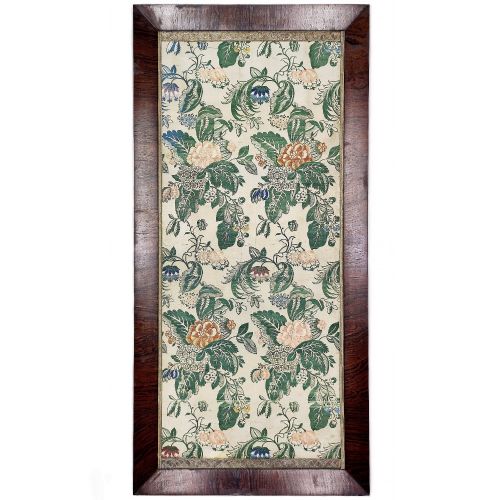
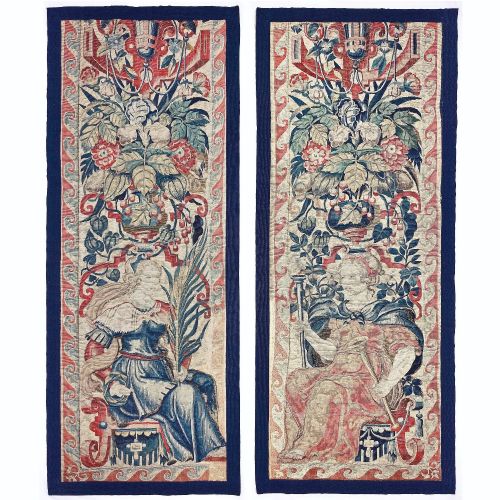
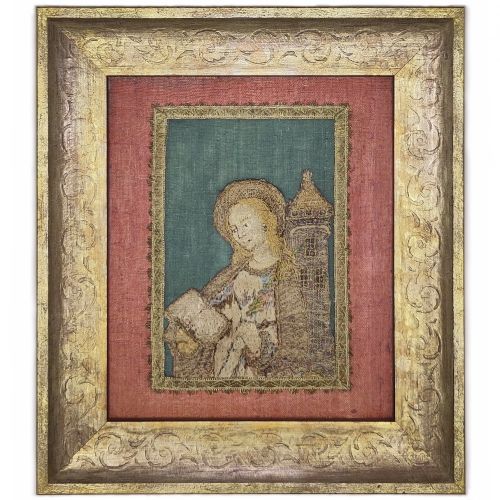
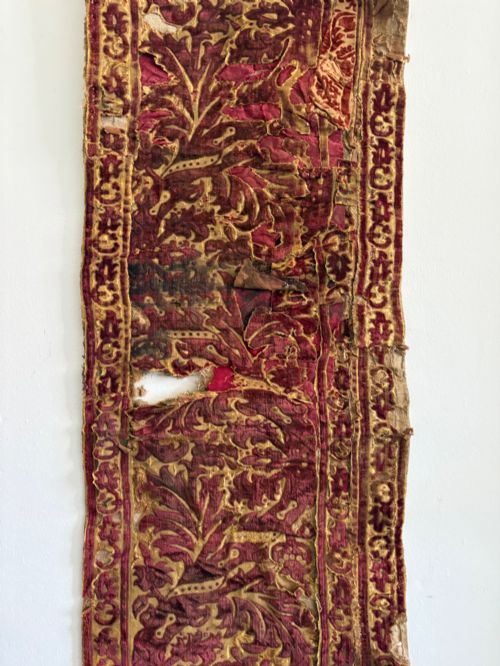
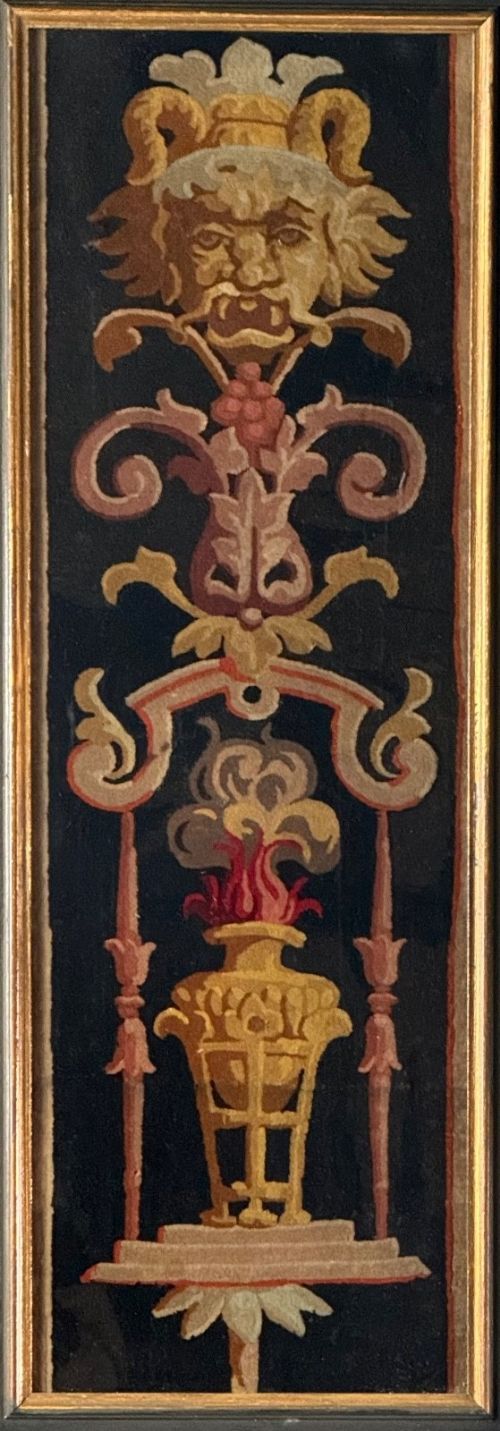
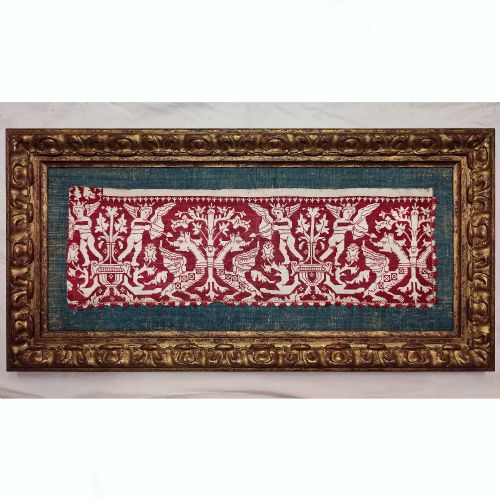
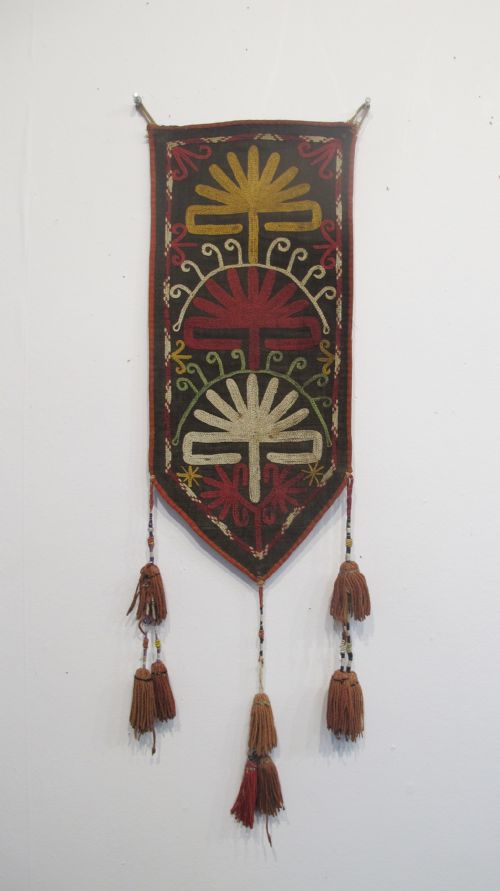
An antique silk fragment represents a surviving section of a larger textile, often salvaged from panels, wall hangings, or traditional garments. When buyers search for an antique silk fragment, they encounter diverse historical forms ranging from European tapestries to regional embroideries.
The selections available here span multiple centuries, capturing Ottoman, Flemish, and Greek island artistry among other cultural traditions. These pieces frequently appear mounted or framed, transforming surviving textile remnants into accessible wall art.
Materials and construction
The primary materials recorded in these listings include silk, linen, wool, and cotton, frequently augmented by metallic thread and silk velvet. These textiles rely on traditional hand-weaving and needlework techniques passed down through generations.
Makers utilised supportive backings or framing methods to preserve delicate surfaces, particularly when dealing with older examples incorporating gilded wood or fragile metallic threads.
Antique Silk Fragment Retail Price Guide 2026
Typical asking prices for silk fragment among the pieces listed under this phrase on Sellingantiques today, from the lower quarter to the upper quarter. They describe what is for sale here now, not the wider market.
Materials documented across the pieces include silk, linen, wool, cotton, and metallic thread.
Assessing quality
Quality in these textiles depends heavily on the preservation of the delicate silk fibres and the complexity of the original design. Intricate needlework and well-maintained metallic threads distinguish finer examples from simpler utilitarian pieces.
The integrity of the structural weave and the clarity of regional patterns also determine the visual impact of each surviving section.
The Antique Silk Fragment Glossary
- Embroidery
- The art of decorating fabric using a needle to apply thread or yarn. This technique creates raised, detailed patterns across silk and linen surfaces.
- Verdure
- A style of tapestry featuring a heavily wooded landscape or foliage as the primary subject. These compositions frequently incorporate lush botanical details.
- Jajim
- A traditionally woven flat-weave textile produced in strips and joined together. These pieces often display bold geometric patterns.
- Chuval
- A traditional Turkman storage bag face woven with intricate tribal motifs. These items typically feature distinctive guls and geometric arrangements.
- Fragment
- A surviving portion or section of a larger historical textile. Such pieces offer a focused view of historic weaving traditions.
Antique Silk Fragment: Frequently Asked Questions
How were textile fragments used originally?
Many of these pieces formed parts of larger domestic furnishings, traditional garments, or wall hangings before becoming separated over time.
They served both decorative and functional roles within historical households across different cultures.
How should I display a framed textile?
Mounting behind protective glass shields delicate silk fibres from dust and physical handling while keeping the piece visible.
Positioning the frame away from direct sunlight prevents the natural dyes from fading over the years.
Can I date these textiles accurately?
Dating relies on stylistic analysis, material composition, and traditional regional motifs rather than exact documentation.
Comparison with known historical examples helps establish the likely period of origin.
What maintenance do old textiles need?
Minimal handling and stable indoor humidity levels help preserve fragile silk and metallic threads.
Keeping pieces clean requires gentle dusting rather than washing or chemical treatments.