
Antique Side Table Lamps
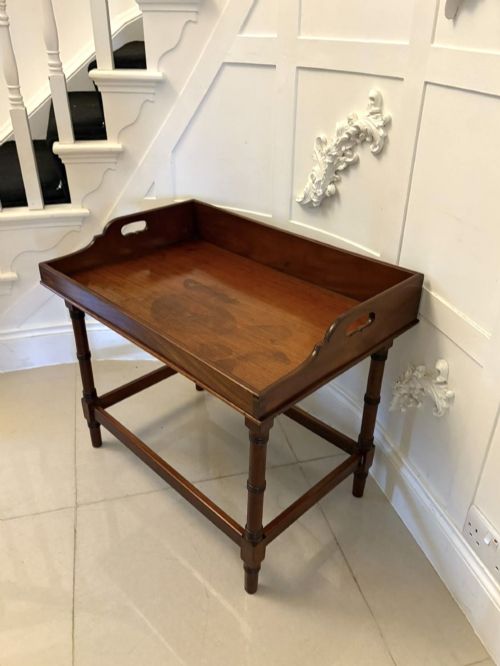
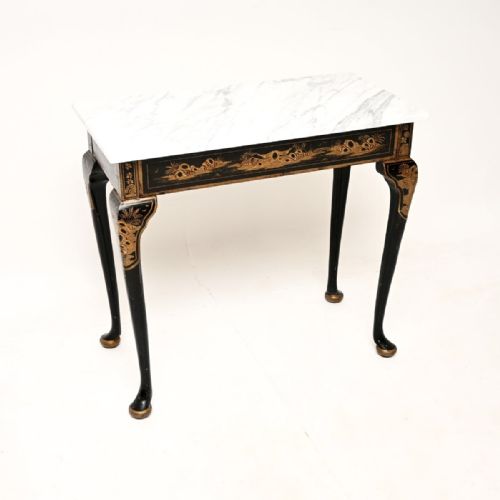
Antique side table lamps bring character to a room, offering practical lighting paired with timber and marble surfaces.
Antique Side Table Lamps
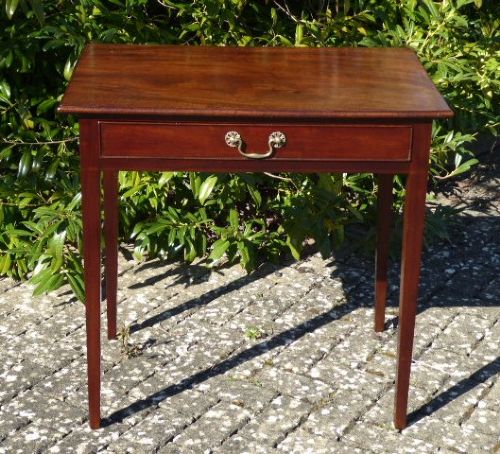
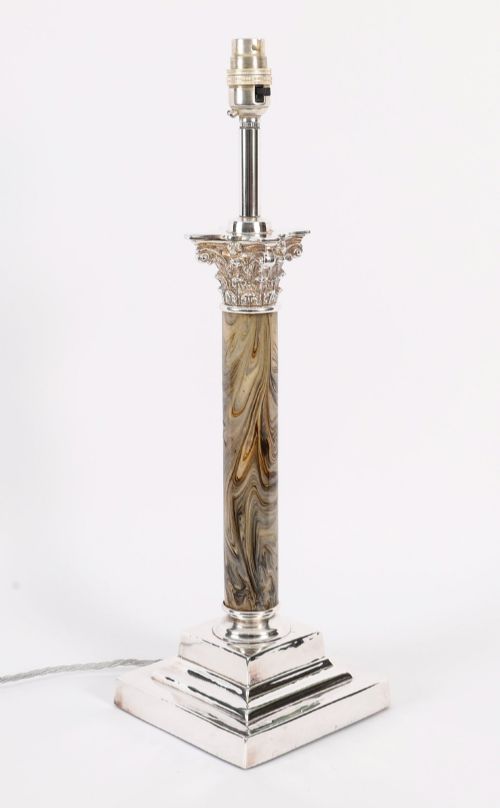
Buyers seeking antique side table lamps encounter a mix of occasional tables adapted for lighting and dedicated lamp tables spanning the Georgian, Victorian and Edwardian eras. These pieces function as small surfaces beside seating, supporting everything from brass columns to carved urn lamps.
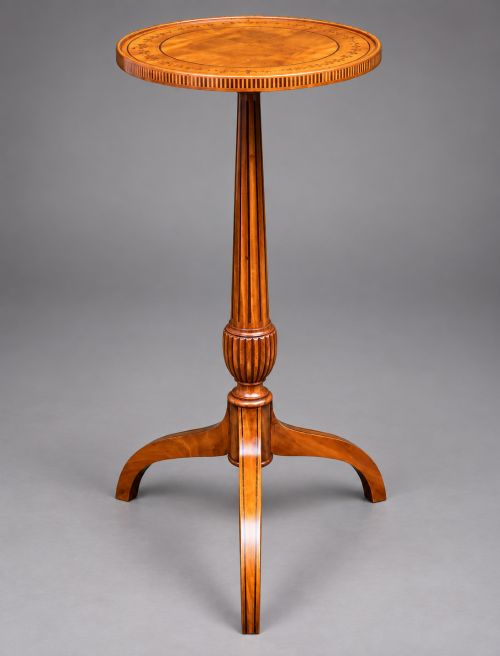
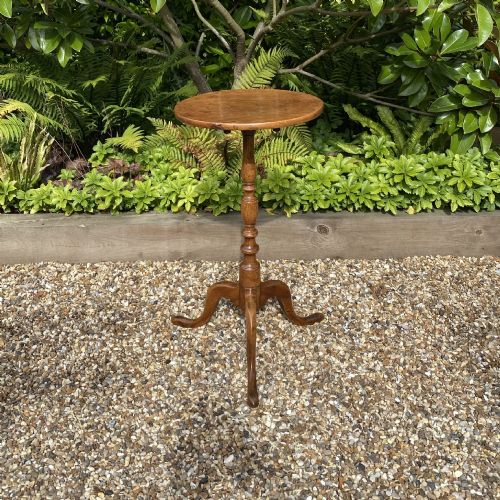
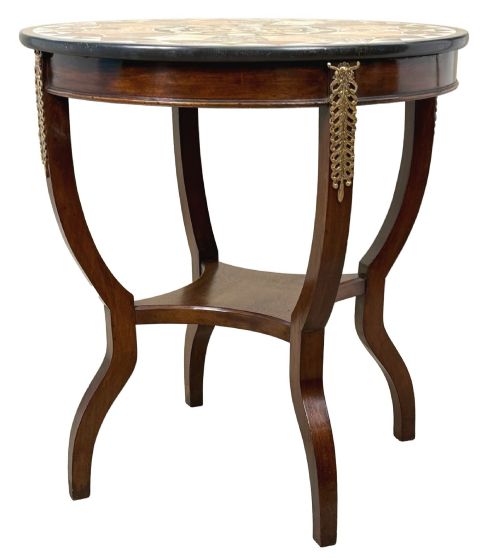
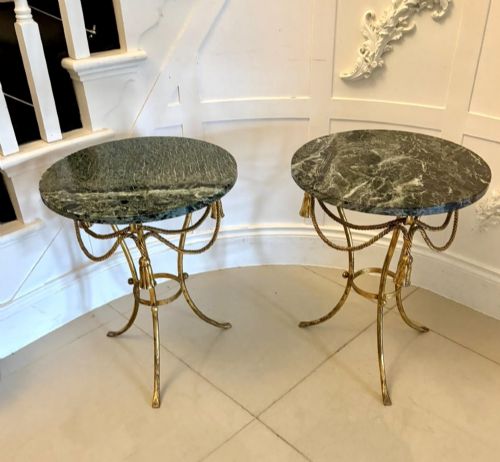
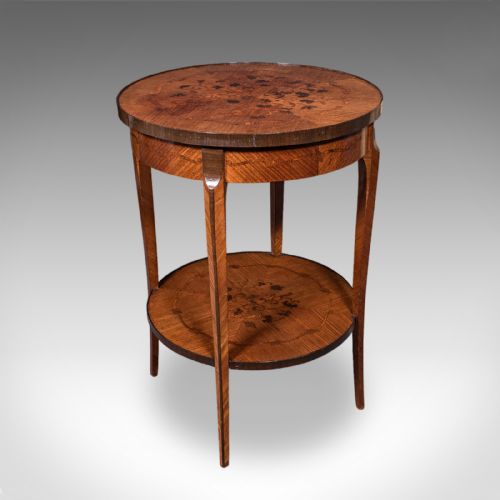
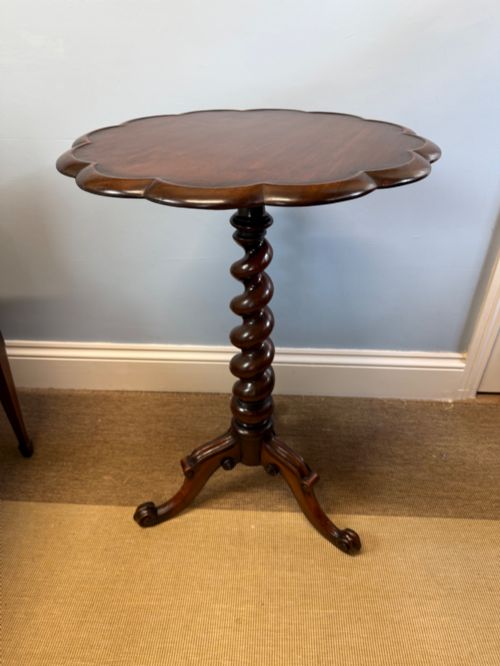
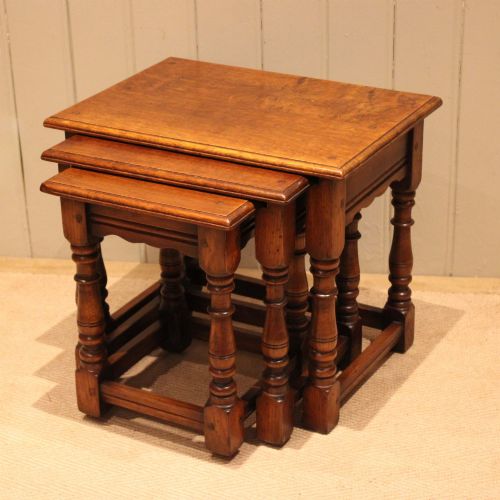
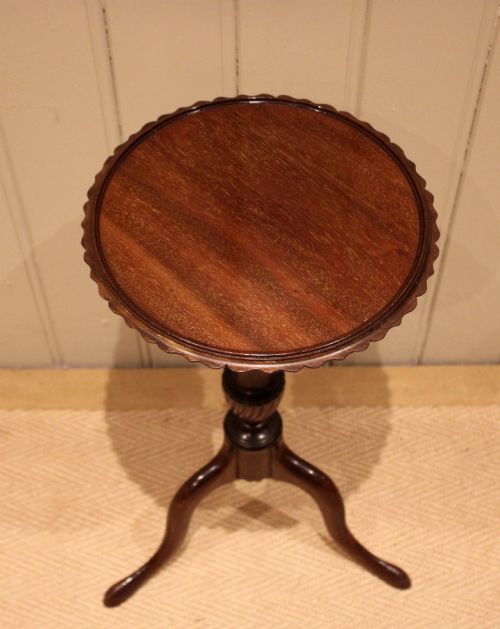
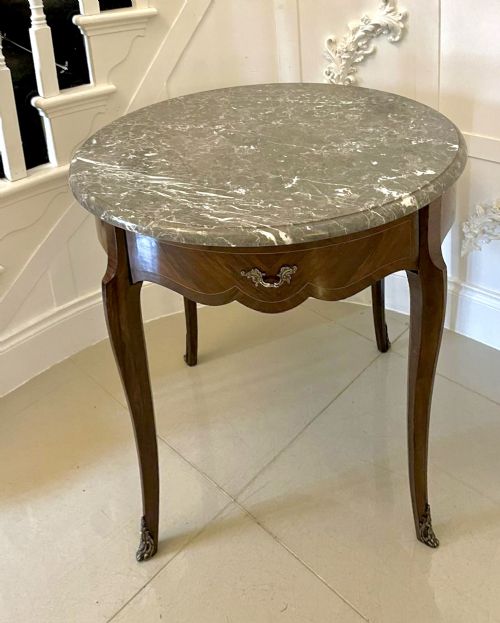
The selection ranges from tripod wine tables and occasional tables in mahogany and walnut to tiered French centre tables mounted in ormolu. Forms vary from circular specimen marble tops to oak cricket tables and nests of tables.
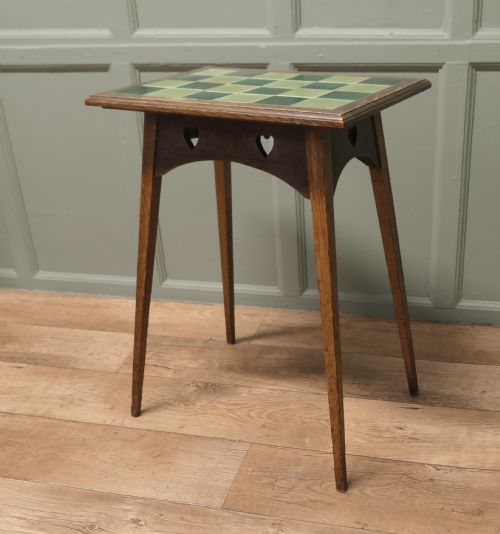
Origins stretch across English workshops, French ateliers and Italian makers, utilising woods like rosewood, kingwood and oak alongside gilt metal and marble. Pieces emerge from periods including the Regency, Arts and Crafts and Jacobean Revival styles.
What varies in quality
Quality rests in the crispness of carved details, the selection of figured timber veneers and the integration of gilt bronze or ormolu mounts. Tables bearing maker signatures or attributed to established cabinetmakers command attention for their superior joinery and material selection.
Finer examples display careful attention to secondary timbers, stable marble tops without hairline fractures, and balanced proportions across tripod bases or pedestal columns.
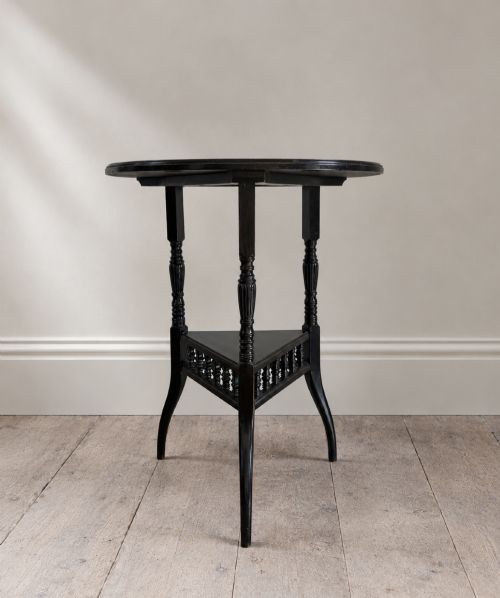
Spider leg tables offer surprising stability despite delicate-looking supports.
James Shoolbred·Trevor Page & Co·Mappin & Webb
The Antique Side Table Lamps Glossary
- Occasional table
- A small, movable table designed for intermittent use in a room, often serving as a surface for a lamp or decorative object.
- Ormolu
- Gilded bronze mounts applied to furniture, popular in French-inspired designs of the nineteenth century.
- Marquetry
- Decorative patterns formed by the insertion of different woods, veneers or shell into a solid wood surface.
- Specimen marble
- A composite surface made from various coloured marbles arranged in geometric or pictorial patterns.
Antique Side Table Lamps: Frequently Asked Questions
How were these tables used historically?
Rooms relied on small tables positioned beside chairs and sofas to hold reading lamps, candles or decorative items. Their compact footprints allowed them to fit easily into corners or beside seating.
Multi-tiered tables and sewing tables also provided storage for small items while supporting a lamp on the primary surface.
How do I identify Victorian examples?
Victorian tables frequently utilise burr walnut, rosewood or mahogany, often displaying heavy turned pedestals, inlaid veneers or ormolu mounts. stylistic revivals also emerge strongly in this period.
Look for hallmarks of the era such as circular marble inserts, lacquered finishes and French-influenced freestanding designs suited for central room placement.
Are Edwardian tables different from Victorian ones?
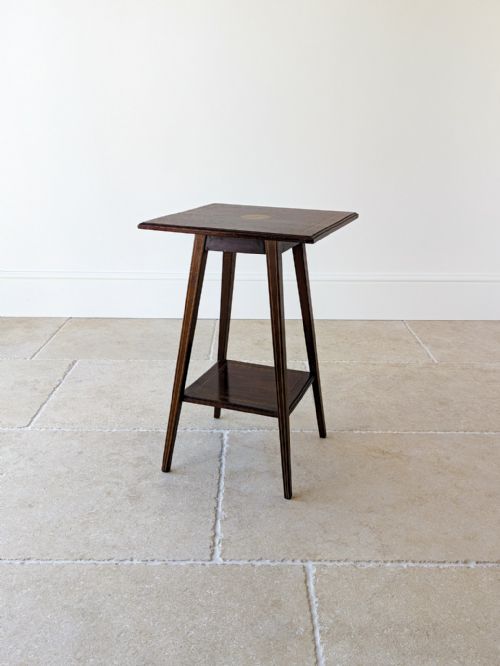
Edwardian pieces tend to display lighter proportions, simpler lines and brighter oak or mahogany timbers. Arts and Crafts influences appear frequently in this period.
Inlay work remains common, but the overall aesthetic shifts towards airier forms compared to the heavier carved walnut typical of mid-nineteenth century production.