



Antique Showcase Table
An antique showcase table displays precious objects beneath glass, offering both a surface and a cabinet for collector pieces.
Antique Showcase Table
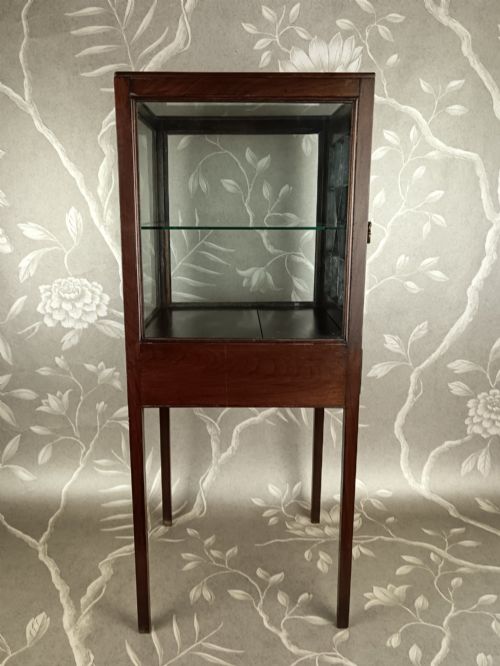
The antique showcase table encompasses bijouterie tables, vitrines, and display cabinets designed to house small treasures. Examples span from the Georgian period through the Victorian and Edwardian eras into the early twentieth century. Most pieces met on this page take the form of table-top cases or freestanding glazed tables.
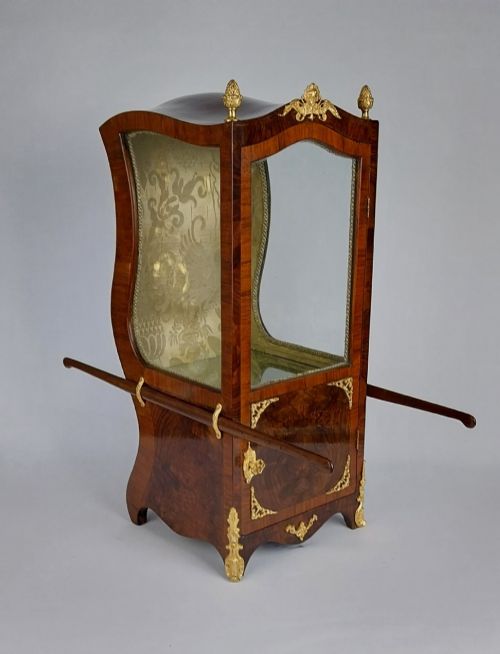
Makers utilised various timber frames to house delicate objects, including mahogany, rosewood, satinwood, and yew wood. Many items reflect distinct regional and stylistic influences, ranging from French Louis XV revival to Edwardian satinwood designs. Shop display counters and table top cases also appear among the selections.
Materials and construction
Cabinets rely primarily on timber frames constructed from mahogany, rosewood, satinwood, and yew wood, often enhanced with brass mounts, ormolu, and delicate inlaid decoration. Glazed panels enclose the upper sections to protect contents while allowing all-round visibility.
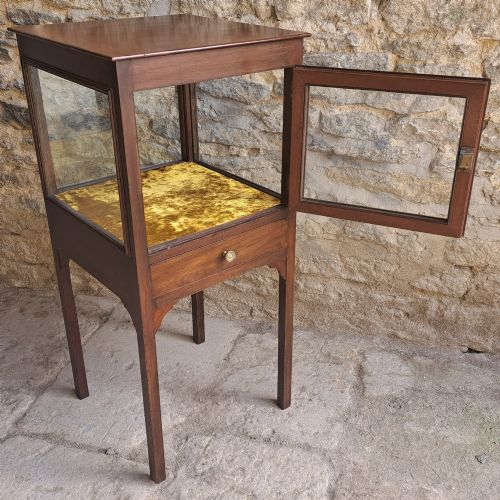
Interior surfaces frequently feature velvet or fabric linings designed to cushion delicate objects and jewellery. Structural details range from bow ends and kidney shapes to gilt wood frames and floral painted decorations.
The selection includes table-top display cases, shop counters, and freestanding bijouterie tables lined with velvet or fabric.
Assessing craftsmanship
Quality rests in the precision of the timber work, the selection of veneers such as burr walnut or satinwood, and the finesse of any brass or ormolu mounts. Finer examples display meticulous inlay and harmonious proportions, whereas simpler shop counters prioritise utility over decorative refinement.
The integration of the glazed panels and the condition of interior fabric or velvet linings also signal the standard of manufacture. Original glass and sound joinery distinguish superior pieces from later adaptations or heavily restored items.
Quincy Showcase Works Illinois
The Antique Showcase Table Glossary
- Bijouterie table
- A glazed display table designed specifically for holding small valuable items, jewellery, or curiosities. These pieces elevate collections to eye level while keeping them secure under glass.
- Vitrine
- A glass-fronted cabinet or case used for displaying fine objects or china. They emerged in various forms across the eighteenth and nineteenth centuries.
- Ormolu
- Gilded bronze mounts applied to furniture and decorative objects during the eighteenth and nineteenth centuries. This technique adds metallic brilliance to wood frames.
- Satinwood
- A durable, lustrous timber native to India and Sri Lanka, prized for its pale golden colour and smooth grain. Cabinet makers used it extensively for inlay and fine veneering.
- Inlay
- A decorative technique where pieces of contrasting timber, shell, or metal are inserted into depressions in the base wood. This creates flat ornamental patterns across tabletops and cabinet fronts.
Antique Showcase Table: Frequently Asked Questions
What fits inside an antique showcase table?
These glazed tables and cabinets suit small collectibles, pocket watches, medals, porcelain, and jewellery. The enclosed glass top keeps delicate items free from dust while displaying them clearly.
Items are placed upon the velvet or fabric lined interior base, making the table both a storage case and a surface for viewing.
How do I distinguish Edwardian from Victorian tables?
Victorian pieces often utilise heavier timbers like rosewood and dark mahogany, sometimes featuring robust brass fittings and deep carved details. Edwardian examples frequently showcase lighter woods such as satinwood, simpler geometric lines, and painted floral decorations.
Examining the internal linings and timber choice helps clarify the manufacturing era.
Where should I place a display table at home?
A showcase table works well as a centrepiece or focal point in a drawing room, study, or hallway where natural light can illuminate the contents. Position the table away from direct sunlight to protect fabric linings and sensitive objects inside.
Ensure adequate floor space around the piece so viewers can easily inspect the contents through the glass top.
How do I care for the glass and wood?
Dust the timber frame regularly with a dry, soft cloth and avoid chemical polishes that might damage antique finishes and veneers. Clean the glass panels gently with a mild glass cleaner applied to a cloth rather than sprayed directly onto the surface.
Inspect the internal fabric lining periodically and keep the room environment stable to protect the wooden structure from excessive humidity.