


Antique Ship Model
An antique ship model brings the tactile weight of maritime history straight into a room, offering tangible craftsmanship from the nineteenth and early twentieth centuries.
What these pieces are
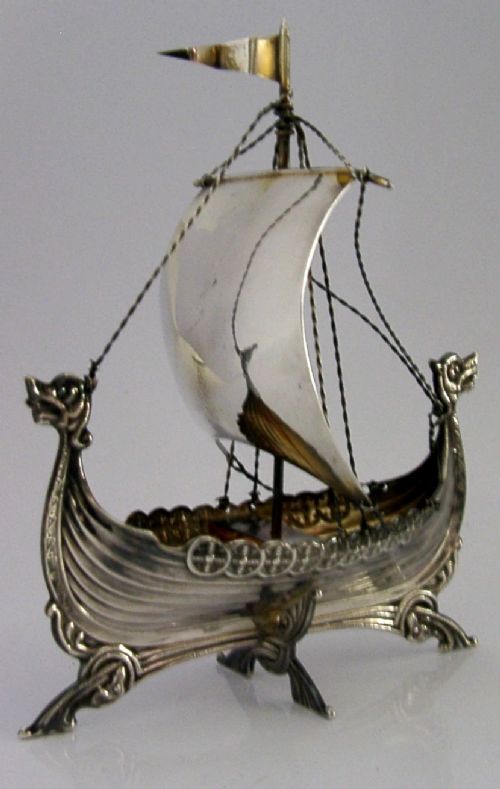
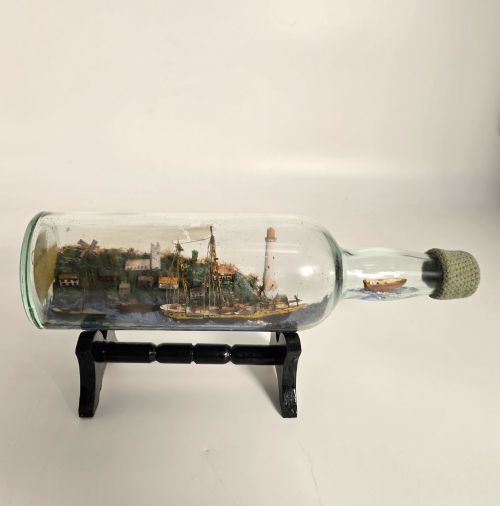
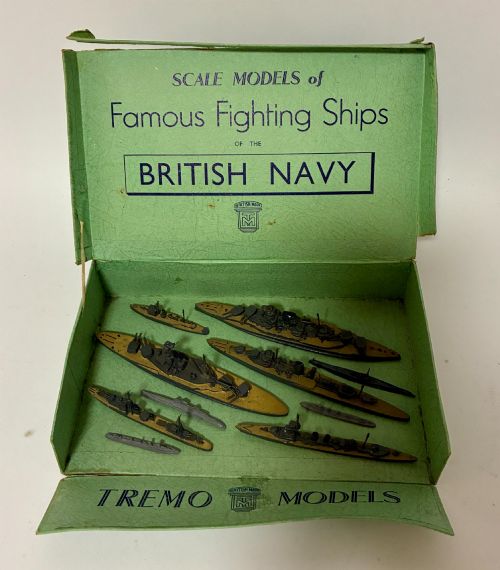
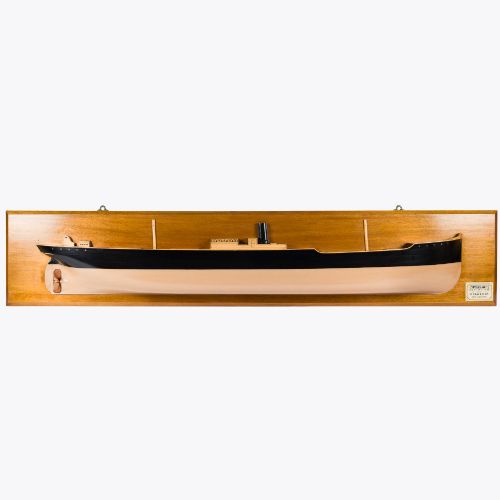
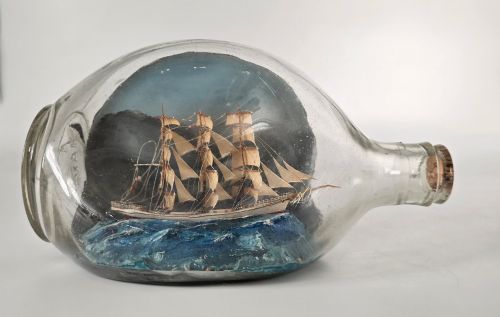
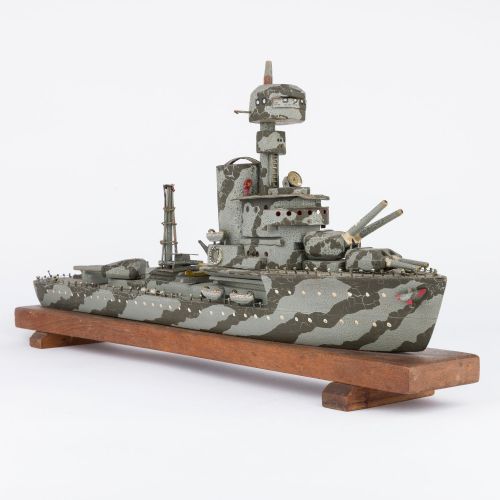
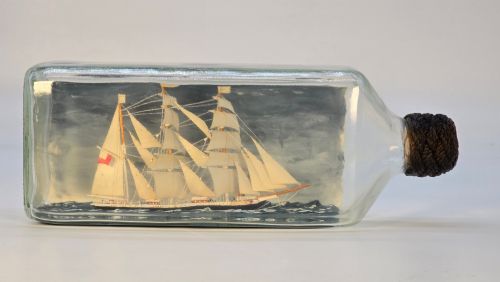
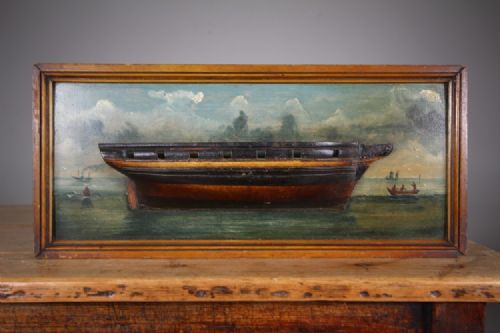
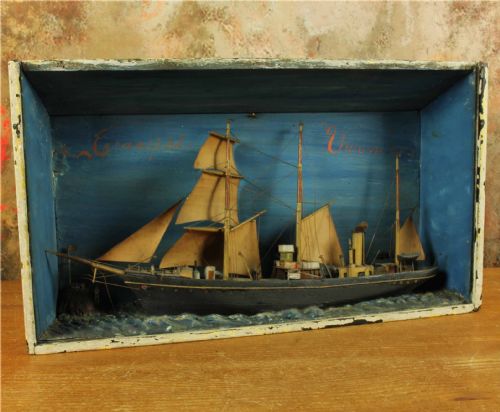
An antique ship model represents a traditional maritime form created across various periods including the nineteenth and early twentieth centuries. These items range from scratch built folk art vessels to detailed scale models and half hull displays.
Origins and periods represented in the evidence span from the late nineteenth century through to nineteen twenty, reflecting distinct maritime interests of those eras. Each piece captures a different aspect of nautical craftsmanship, utilising materials suited to maritime depiction.
How they were made
Makers utilised organic and inorganic materials, combining wood, timber, mahogany, and pine with metal, brass, canvas, string, and paint. Structural components relied heavily on shaped timber and carved wood for hulls and decks.
Retail Price Guide 2026
Typical UK retail prices for ship model, calculated from the Sellingantiques database of over a million retail prices indexed since 2003. This retail price guide relies exclusively on Sellingantiques data; no external sources or auction records are used, so the figures do not describe the wider market.
One model comes equipped with a central compass, just in case the tiny captain gets lost on the mantelpiece.
What varies in quality
Distinctions in quality rest upon the precision of the scale work and the complexity of the construction, such as whether a vessel is scratch built by hand. Superior examples demonstrate meticulous attention to rigging, material selection, and overall proportion.
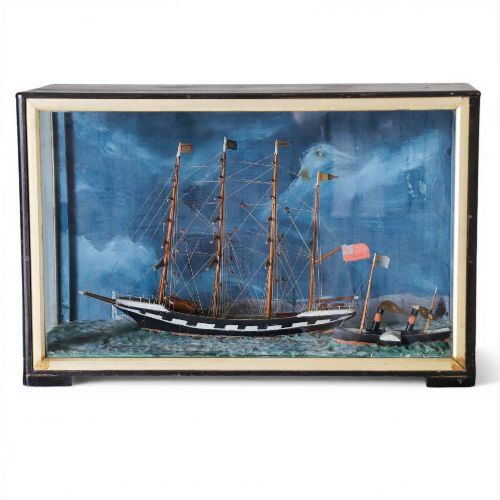
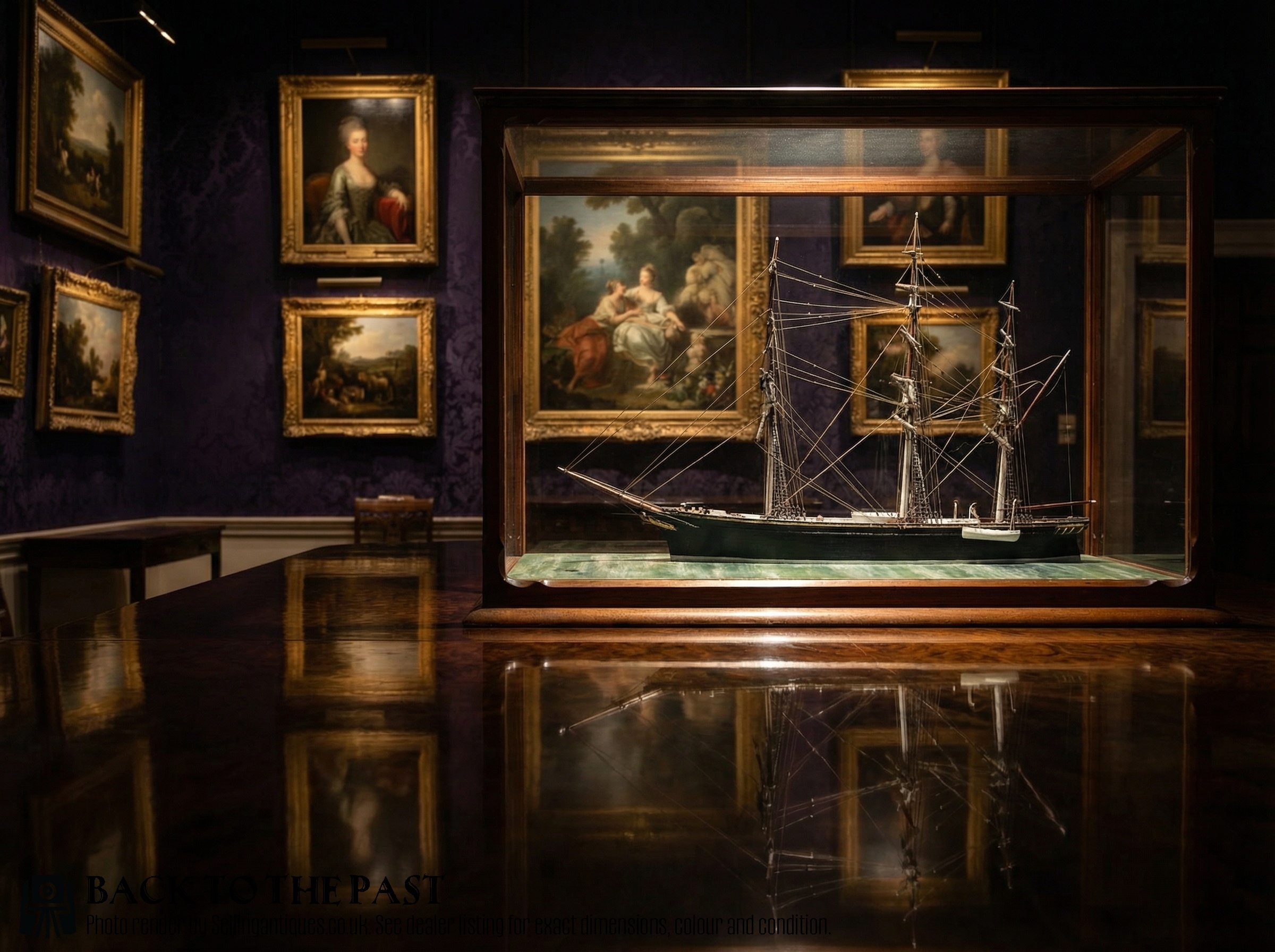
The integrity of preserved materials, including original paintwork, unblemished timber, and intact brass fittings, elevates certain pieces above simpler decorative items. Archive pieces indicate that high quality often aligns with comprehensive detailing like integrated compasses or protective glass cases.
The Antique Ship Model Glossary
- Half hull
- A three dimensional model representing one side of a vessel, traditionally used to study hull design and form. These were often mounted on boards for display.
- Scratch built
- A model constructed entirely from raw materials by the maker rather than from a commercial kit. This method highlights individual maker skill.
- Stockless anchor
- An anchor design where the stock is eliminated and the flukes pivot, represented in scale model form within maritime collections.
- Tea clipper
- A fast nineteenth century merchant sailing ship designed for the tea trade, frequently depicted in decorative models and display cases.
Frequently Asked Questions
What is an antique ship model?
An antique ship model is a decorative or scale representation of a watercraft, constructed from materials like wood, metal, and canvas during periods such as the Victorian era and the early twentieth century.
These pieces capture maritime history through varied forms including scratch built vessels, half hulls, and anchored displays.
How were these models used?
Historically, some models served functional design purposes or technical demonstrations, such as studying hull shapes or anchor mechanisms. Others were created purely as decorative objects for display in maritime settings.
Over time, surviving pieces transitioned entirely into collectible items appreciated for their craftsmanship.
How do I date an antique ship model?
Dating relies on stylistic clues, construction methods, and materials recorded from periods such as eighteen eighty up to nineteen twenty. Evidence of Victorian styling or specific construction techniques helps establish the era of origin.
Comparing materials like mahogany and brass against known historical production periods also assists in identification.
Where should I display a ship model?
These models suit spaces where their wooden and metallic textures can be appreciated safely, away from extreme environmental changes. Pieces housed in original glass cases offer built-in protection for delicate rigging.
Placement should highlight the detailed craftsmanship of the sails, hulls, and deck fittings.