

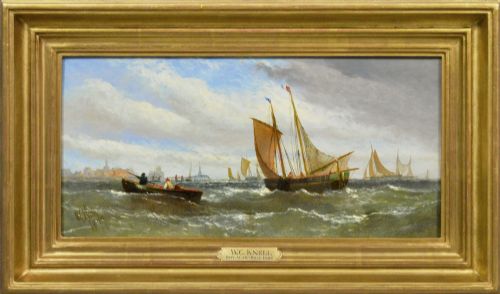
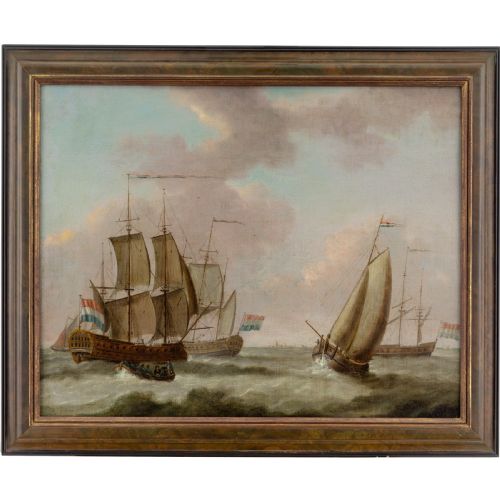
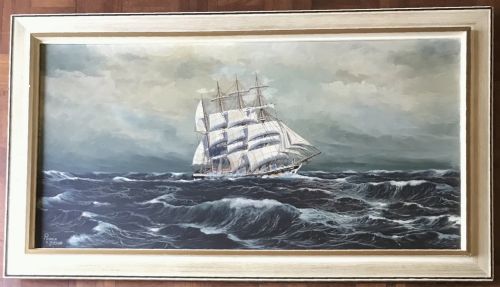

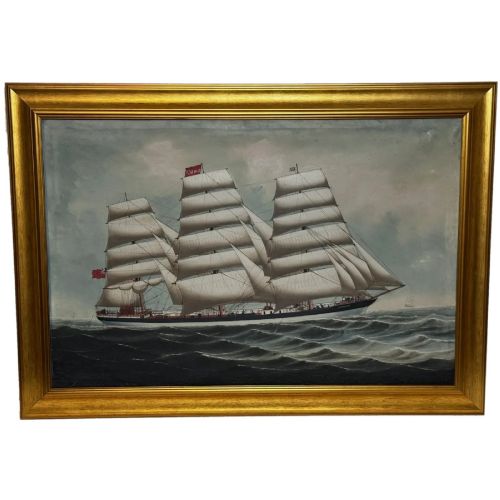



Antique Ship Landscape Art
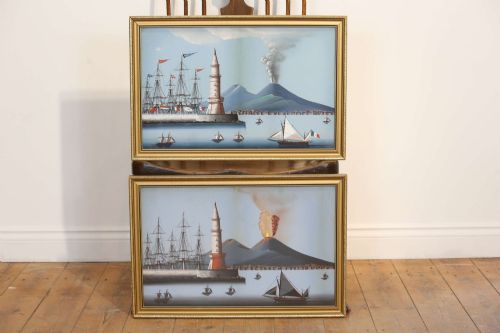
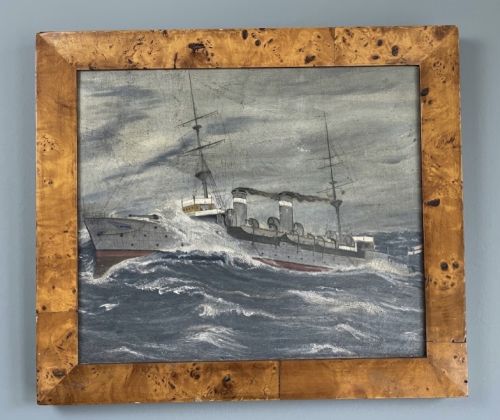
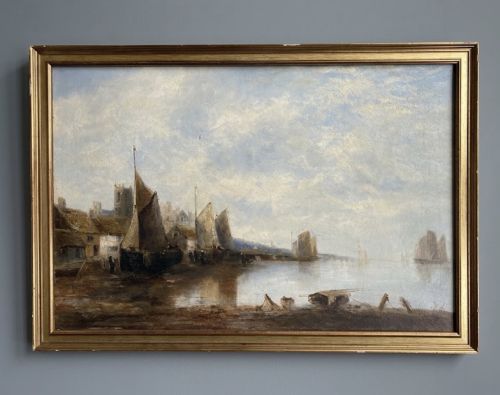
Antique ship landscape art captures the drama of the sea and the craftsmanship of historic vessels through period paintings.
Antique Ship Landscape Art
When you search for antique ship landscape art, you find works that record maritime history, coastal scenes, and shipping lanes. These pieces primarily date from the nineteenth century into the early twentieth century, encompassing Victorian and Edwardian periods.
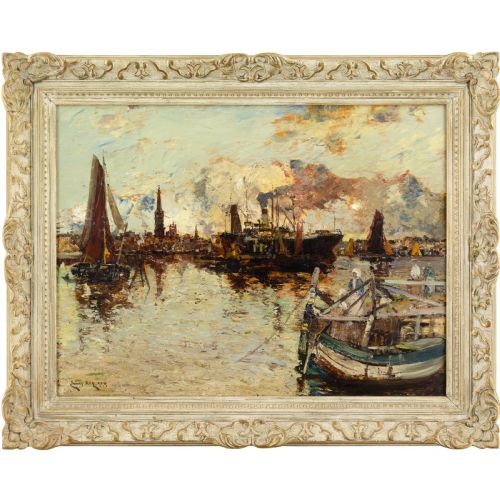
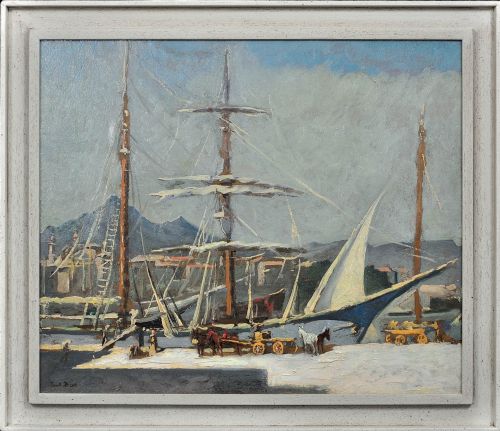
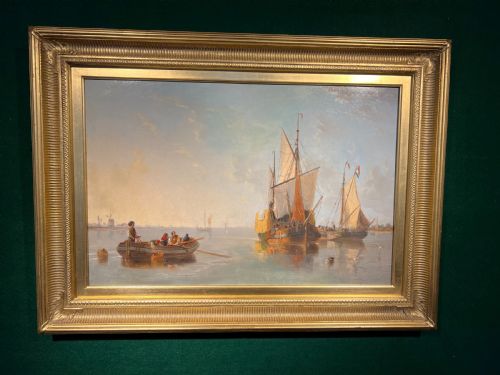
The subjects range from quiet river estuaries and anchored barques to dramatic shipwrecks in heavy gales. You will encounter oil paintings on canvas or board alongside detailed watercolours set within period frames.
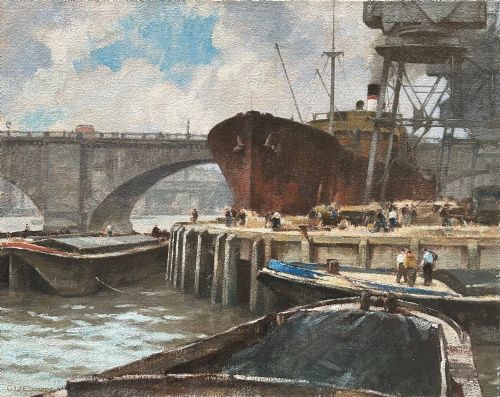
Many of these works document specific British and European waterways, such as the River Thames, the River Medway, and Dutch coastal waters. They serve as historical windows into commercial shipping and recreational sailing before the era of modern mechanical transport.
Materials and Techniques
Artists relied primarily on oil paint applied to canvas or wood board to capture the varied textures of open water, stormy skies, and wooden hulls. Watercolour on paper was equally prevalent, allowing painters to achieve luminous atmospheric effects in coastal scenes.
Frames played an integral role in presentation, utilising wood, gold leaf, and hand enamelled polychrome decoration to complement the maritime subjects. Pigments were handled with varying degrees of thickness, from thin watercolour washes to heavy impasto oils depicting churning seas.
Surviving works often display original mounting techniques, including gilt framing and traditional stretchers. The combination of durable oil paints and protected paper or canvas supports has allowed these maritime scenes to survive over the centuries.
Antique Ship Landscape Art Retail Price Guide 2026
Typical asking prices for ship landscape art among the pieces listed under this phrase on Sellingantiques today, from the lower quarter to the upper quarter. They describe what is for sale here now, not the wider market.
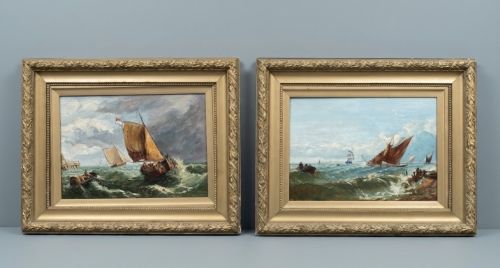
Some paintings preserve the exact moment a Dutch boat braved a gale, or when a quiet moon illuminated the Medway.
Assessing Quality in Marine Art
Quality in these maritime works rests upon the artist's command of light, atmosphere, and nautical anatomy. A superior painting portrays the rigging, hull structure, and movement of water with technical precision and confident brushwork.
The depth of composition distinguishes standard decorative pictures from accomplished fine art. Strong examples balance the architecture of the ship against the vastness of the seascape, creating a sense of natural movement and scale.
Condition and originality also influence the standing of a piece, particularly the preservation of the paint surface and the suitability of the accompanying frame. Works that retain their original character without heavy overpainting command greater appreciation among collectors.
Reginald Arthur Borstel·James Kay·Bonaventura Peeters·Bernard Benedict Hemy·John Wilson Carmichael·William Frederick Settle·Charles William Wyllie·Charles William Adderton·Thomas Bush Hardy·Charles Sim Mottram·Hendrik Willebrord Jansen·William Wyld·Ebeneezer Colls·Frank Wood·Frank W Scarborough·Paul Jean Clays·Rowland Henry Hill·William Langley·Hubert Thornley
The Antique Ship Landscape Art Glossary
- Seascape
- A painting or other work of art that depicts the sea. These pieces focus primarily on open water, coastal views, and maritime weather.
- Barque
- A sailing vessel with three or more masts. This specific rigging configuration appears frequently in nineteenth-century shipping artwork.
- Impasto
- The process of laying paint thickly on a surface so that it stands out from it. Artists used this technique to render crashing waves and textured clouds.
- Gilt frame
- A frame coated with gold leaf or a gold-coloured substance. Many period marine paintings retain these ornate wooden enclosures.
- Watercolour
- A paint whose liquid medium is water and whose pigments are fine powder. This medium produced delicate atmospheric coastal scenes on paper.
Antique Ship Landscape Art: Frequently Asked Questions
What subjects appear in antique ship landscape art?
These works depict sailing ships, commercial barques, and clippers navigating rivers, estuaries, and open seas. Common scenes include vessels at anchor, bustling port activities, and dramatic shipwrecks during heavy gales.
Artists also recorded specific geographic locations, such as the River Thames, Dutch coastal waters, and various British ports. The focus remains on the interplay between human seafaring endeavours and the natural marine environment.
How do I date a maritime painting?
Dating relies on stylistic evidence, artist signatures, clothing styles of any figures present, and the types of vessels shown. Nineteenth-century and early twentieth-century works often carry signatures or dates directly on the canvas or board.
Framing materials and construction techniques can also offer clues to the period of creation. Comparative study of known maritime artists helps narrow the decade in which the work was produced.
Were these paintings made for exhibition?
Many works were produced by professional marine artists for public exhibitions, private commissions, or the contemporary art market. Some pieces served as documentary records of specific ships and maritime events.
Smaller watercolours and sketches were often created on location by travelling artists. These diverse origins mean the collection includes both grand salon pieces and intimate studies.
How should I care for antique marine art?
Keep paintings away from direct sunlight and areas prone to extreme humidity fluctuations. Stable environmental conditions prevent the canvas, wood, or paper supports from warping and protect the pigments from fading.
Dust frames and glass gently with a soft dry cloth. Avoid using liquid cleaners on the painted surfaces or exposed canvas.