


Antique Shelving Stand
An antique shelving stand organises rooms with open tiers of timber, combining practical display space with period character.
Antique Shelving Stand
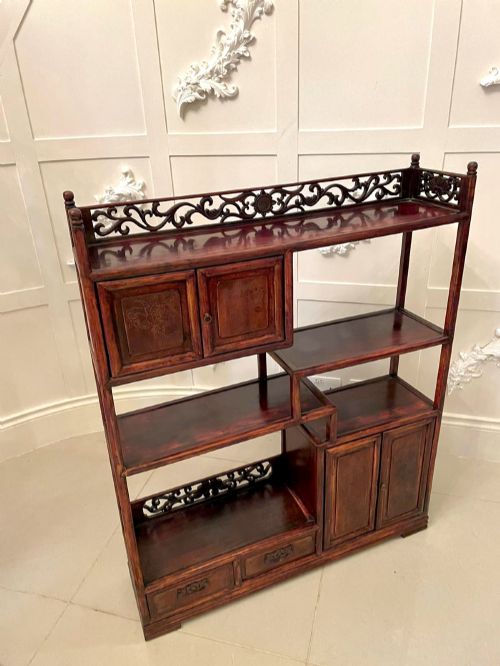
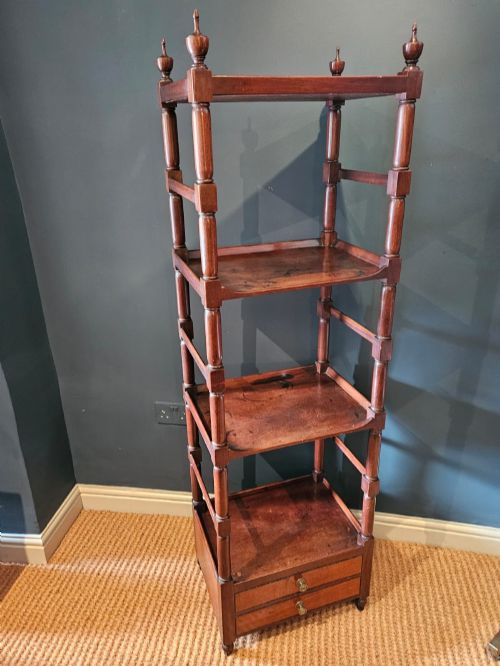
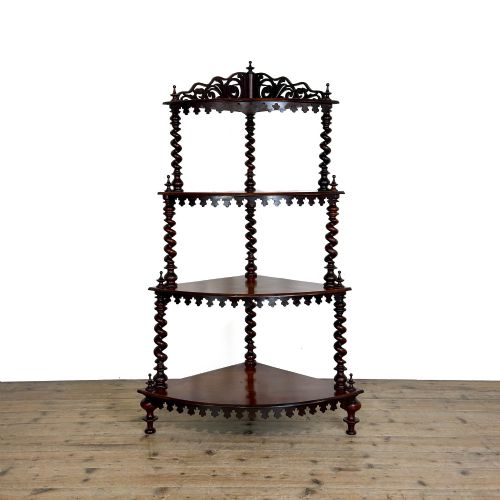
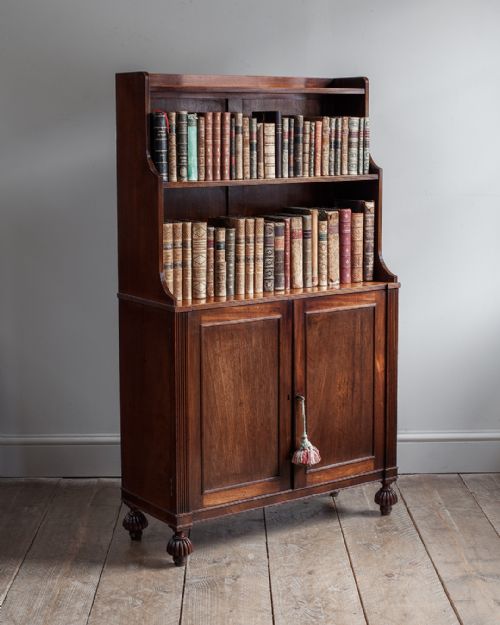
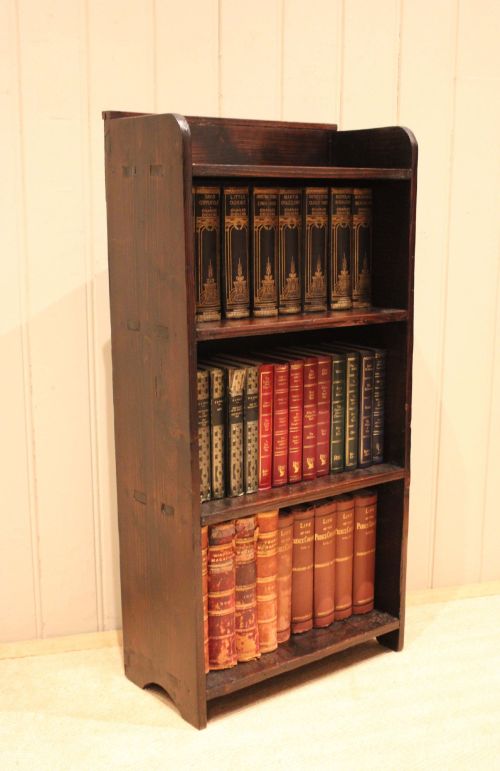
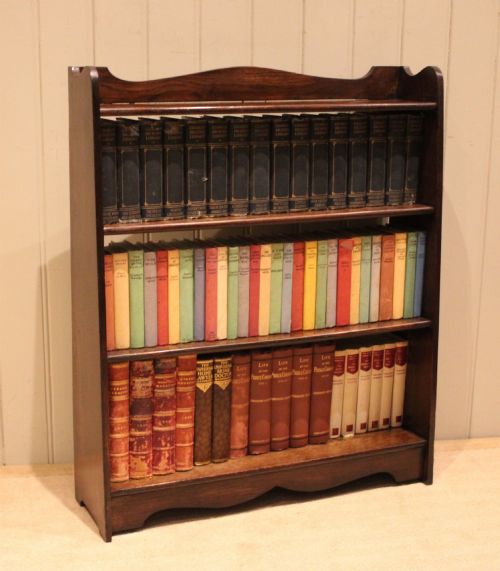
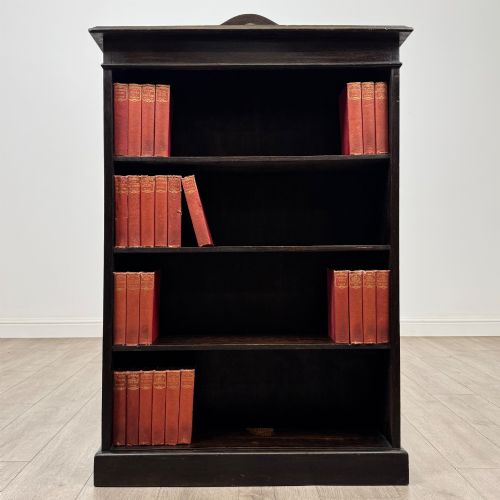
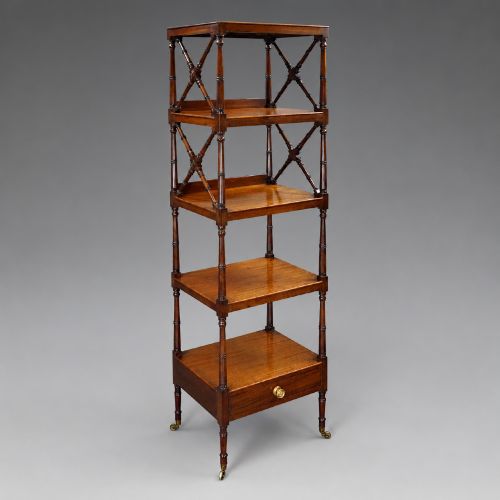
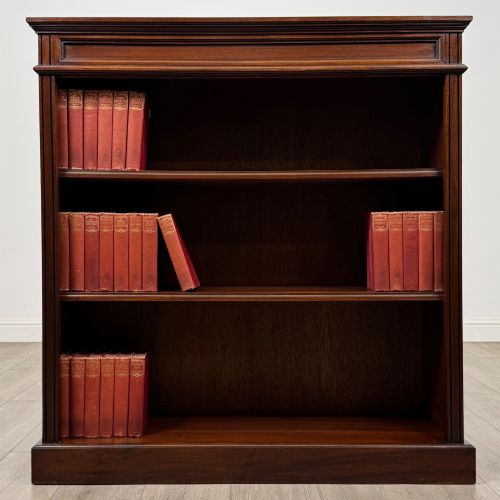
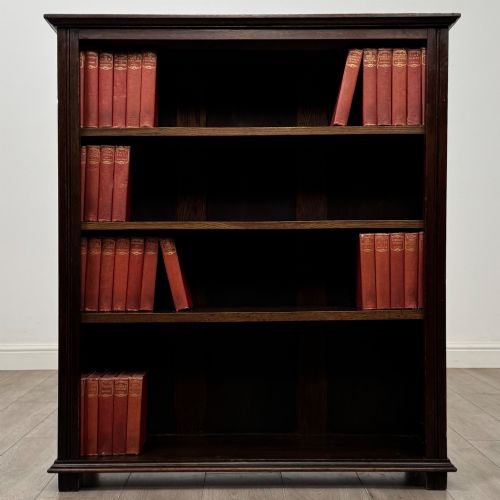
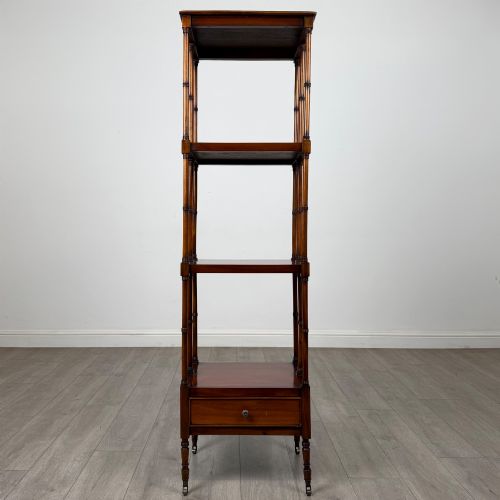
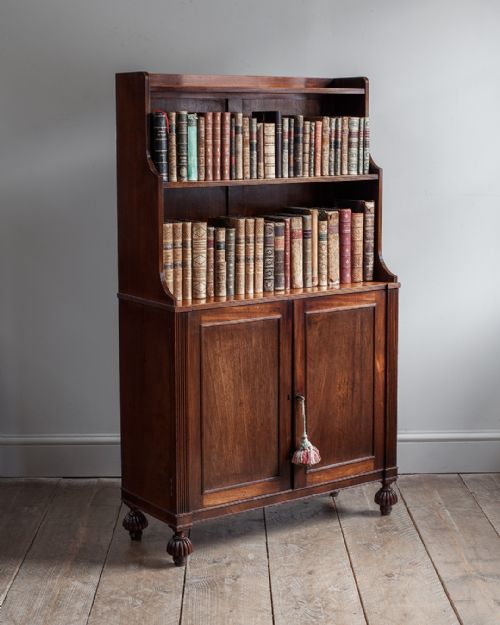
When searching for an antique shelving stand, buyers encounter an array of open bookcases, whatnots, etageres and tiered display pieces spanning the Georgian, Regency, Victorian, Edwardian and early twentieth century periods. These items range from compact corner whatnots and waterfall bookcases to slender oak units and larger Anglo Indian padauk shelves.
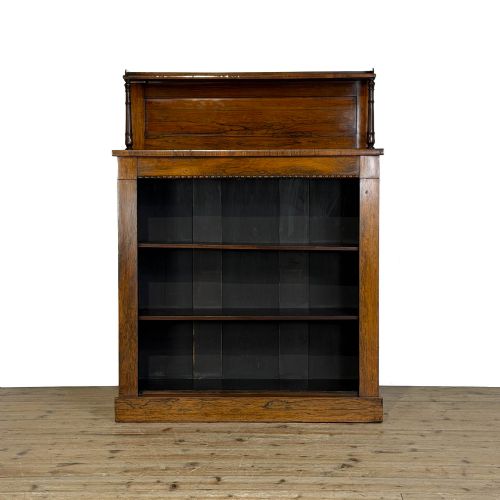
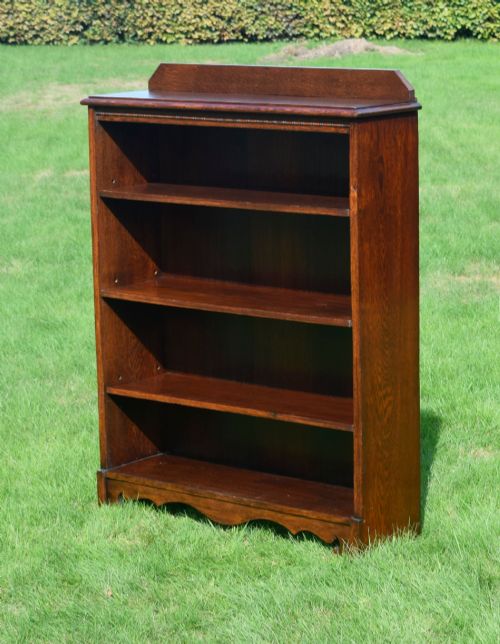
The version most commonly met on this page is the Edwardian or early twentieth century oak open bookcase, alongside Victorian mahogany examples and tiered whatnots featuring multiple levels for books and ornaments. Makers constructed these pieces in various forms including serpentine shapes, angled designs and pieces fitted with brass castors or adjustable shelves.
Earlier pieces from the Georgian and Regency eras introduce refined waterfall configurations and fine cabinetwork, while Arts and Crafts examples display plainer English oak construction. Buyers also find occasional rosewood and burr walnut pieces that provide richer timber tones and inlaid details.
Materials and construction
Cabinetmakers utilised a range of domestic and exotic timbers including oak, mahogany, rosewood, walnut, burr walnut, pine and padauk to build these tier and shelving units. Structural integrity relied on solid timber framing, dovetail joints and sturdy upright supports, sometimes enhanced with turned barley twist columns or brass mounts and castors.
Surface finishes involved polishing and waxing to highlight the natural grain and colour of the wood, from dark oak and beaded edges to inlaid mahogany and figured walnut veneers. Shelves were either fixed or made adjustable to accommodate varying heights of books and decorative objects.
Some Victorian whatnots roll around on brass castors, ready to follow you from the parlour to the library.
Assessing quality
Simpler utility pieces constructed from plain oak or pine show more straightforward functional design with minimal ornament. The integration of adjustable shelving mechanisms and solid backboards further separates standard production items from finer cabinetmaker output.
The Antique Shelving Stand Glossary
- Whatnot
- A piece of furniture with multiple open tiers or shelves used for displaying ornaments and small objects. It typically stands on vertical supports and dates frequently from the Victorian and Georgian periods.
- Etagere
- A French term for a set of open shelves or tiered stand designed for display. These items often incorporate fine woods like rosewood and brass details.
- Waterfall bookcase
- A tiered open bookcase where each successive shelf is shallower than the one below, creating a stepped profile resembling a cascade. This form appears across Regency and later revival periods.
- Padauk
- A dense, heavy tropical timber with a reddish hue utilised in furniture making. Anglo Indian pieces frequently employed this material for sturdy shelving units.
- Barley twist
- A decorative turning technique resembling a twisted rope, commonly found on the vertical uprights of Victorian furniture. This motif adds texture and visual weight to the supports.
Antique Shelving Stand: Frequently Asked Questions
What is an antique shelving stand used for?
These tiered pieces provide open storage and display space for books, ceramics and decorative objects within living spaces or studies.
Their multi-tiered design allows items to be arranged vertically, making efficient use of floor space while keeping collections visible and accessible.
How do I identify a Regency bookcase?
Regency pieces often feature clean architectural lines, waterfall stepped shelves and premium mahogany timbers reflecting early nineteenth century neoclassical tastes.
Cabinetmakers of this era focused on proportion and fine grain patterns rather than heavy carving.
Are the shelves usually adjustable?
Many Edwardian and later oak bookcases feature adjustable shelving supported by slots or wooden battens within the side panels.
Earlier whatnots and etageres typically feature fixed tiers integrated directly into the vertical support columns.
What woods were used for these stands?
Common timbers include English oak, mahogany, walnut and pine, with occasional use of exotic rosewood and padauk.
Cabinetmakers selected these materials based on structural needs and prevailing stylistic fashions across the nineteenth and early twentieth centuries.