




Antique Shallow Bowl
An antique shallow bowl brings refined utility to a table, combining decorative ambition with straightforward serving purpose across centuries of varied craftsmanship.
Antique Shallow Bowl
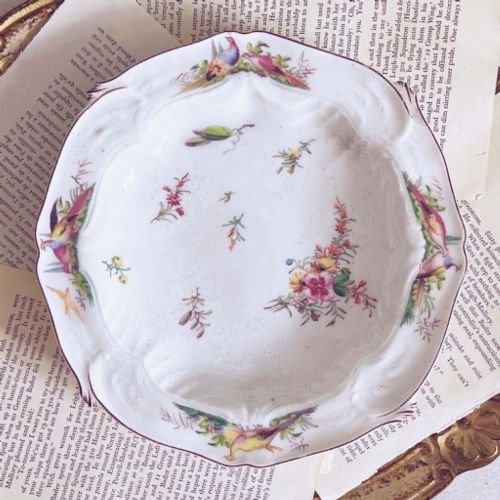
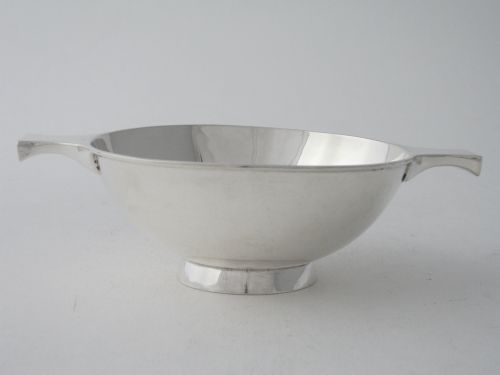
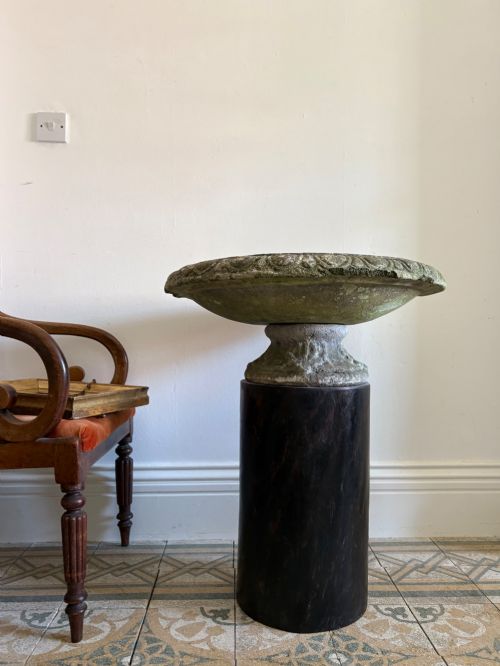
An antique shallow bowl encompasses diverse domestic and decorative vessels designed with broad, open profiles rather than deep wells. These pieces emerge from varied traditions, spanning British silver quaichs, European art glass, and Asian porcelain dishes.
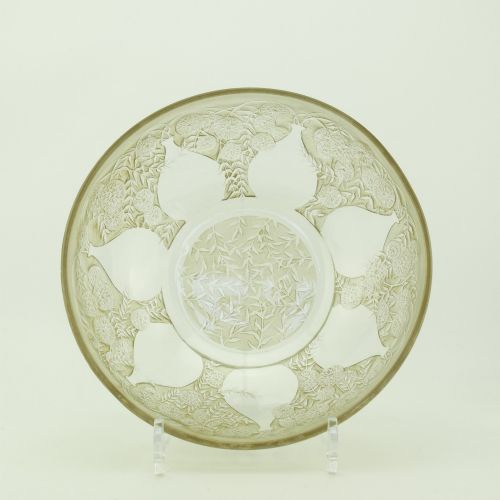
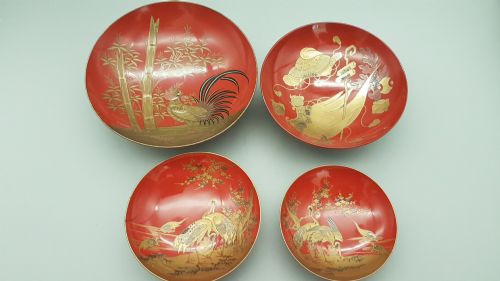
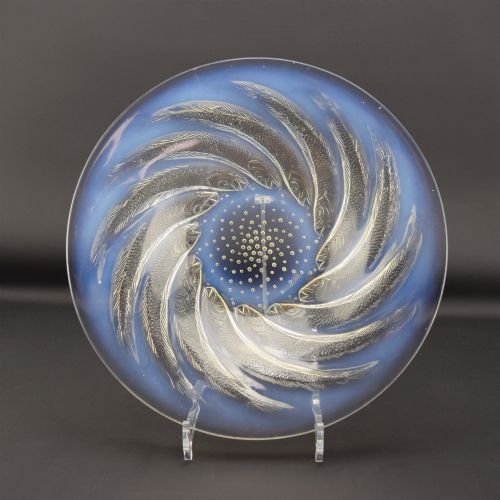
The selection on this page relies heavily upon nineteenth-century and early twentieth-century examples, incorporating Meiji period Japanese ceramics, Arts and Crafts silverwork, and opalescent French glassware. Forms range from utilitarian dairy vessels and garden pancheons to elaborate centrepiece dishes and ceremonial sake cups.
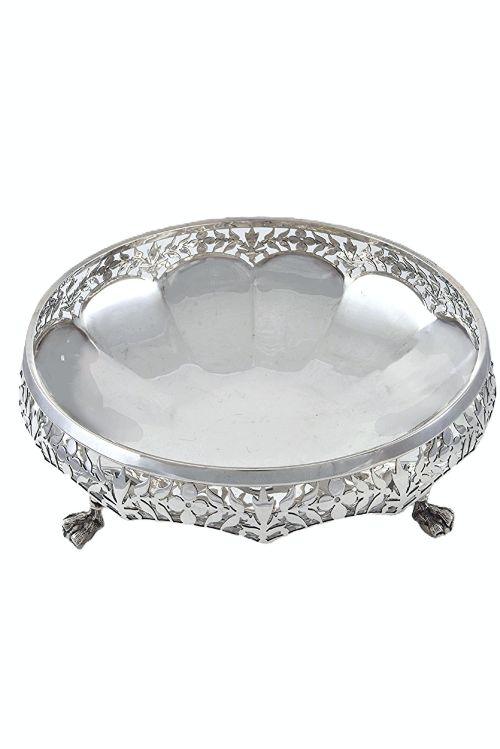
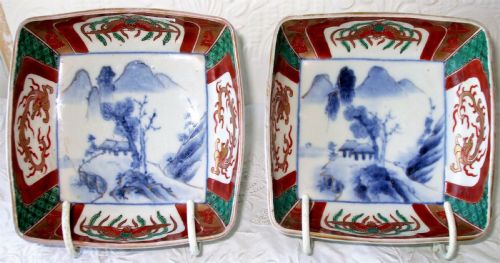
Buyers encounter distinct regional typologies, such as Scottish silver quaichs with twin lugs, Chinese famille rose and Imari porcelain plates, and pewter porringers originating from the seventeenth century onward.
Materials and Techniques
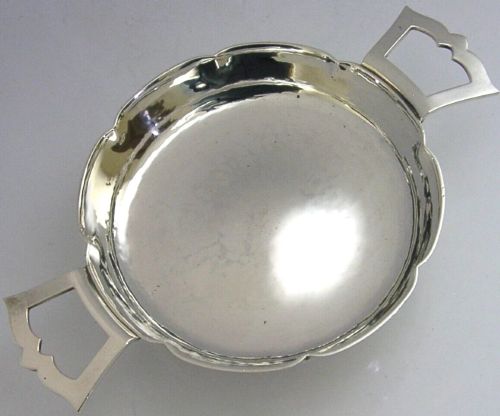
Makers shaped these vessels through diverse material techniques, utilising sterling silver, pewter, and bronze alongside earthenware, porcelain, and cast glass. Metal pieces frequently exhibit hand-hammered planished surfaces or delicate cast detailing.
Ceramic examples demonstrate complex firing and glazing methods, from hand-painted polychrome enamels and underglaze blue to celadon and iron-red gilding. Glass iterations rely on mould-blowing and opalescent treatments to achieve translucent depth.
Antique Shallow Bowl Retail Price Guide 2026
Typical asking prices for shallow bowl among the pieces listed under this phrase on Sellingantiques today, from the lower quarter to the upper quarter. They describe what is for sale here now, not the wider market.
Listings feature materials spanning sterling silver, pewter, earthenware, and opalescent glass across periods from seventeen-hundred to nineteen-fifty.
Craft and Integrity
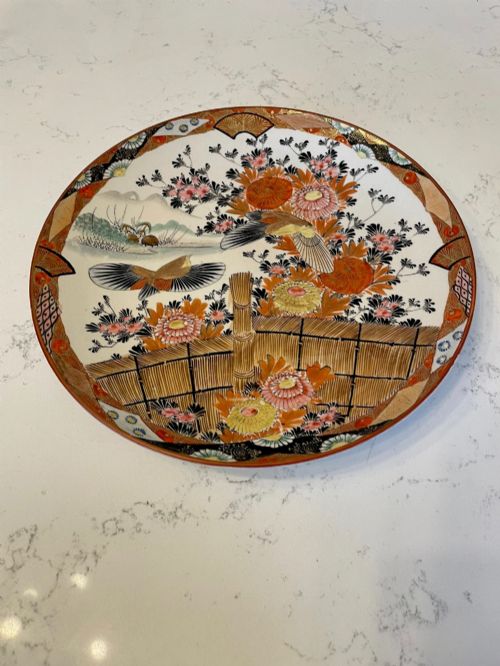
Quality rests upon the precision of the execution, whether in the crispness of hand-painted polychrome bird motifs on porcelain or the weight and balance of a sterling silver quaich. Superior examples retain clear hallmarks, signatures, or workshop marks that anchor their provenance.
Shozo·R E Stone·Nathan and Hayes·Mackay and Chisholm·Liberty Pewter Tudric
The Antique Shallow Bowl Glossary
- Quaich
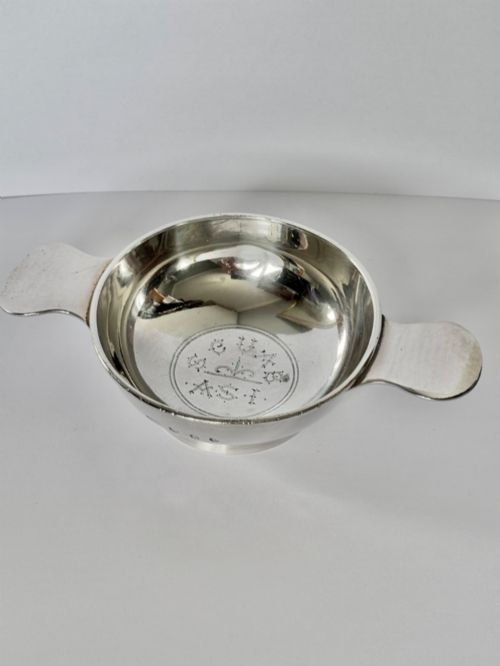
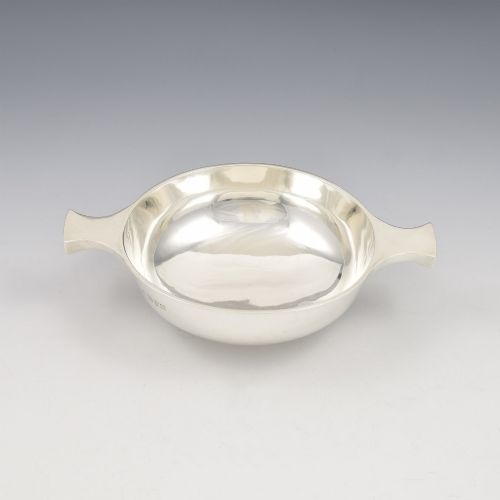
- A traditional Scottish drinking vessel featuring a shallow circular bowl and two opposing handles, known as lugs. These pieces evolved from wooden staved drinking cups into formal silver presentation pieces.
- Porringer
- A small, shallow vessel equipped with one or two flat horizontal handles, utilised historically for porridges, broths, and liquids. Pewter and ceramic iterations remain particularly collectible.
- Opalescent glass
- Glass containing agents that cause it to milky-blue scatter light while appearing amber or yellowish when lit from behind. This technique defined many twentieth-century decorative vessels.
- Imari
- A style of Japanese export porcelain decorated in underglaze blue, iron red, and gold. These wares achieved immense popularity across European interiors during subsequent centuries.
- Planishing
- A metalworking technique involving light hammering with a polished hammer to smooth and shape the surface. This process leaves a characteristic textural pattern across Arts and Crafts silver.
Antique Shallow Bowl: Frequently Asked Questions
What distinguishes an antique shallow bowl?
These pieces combine open profiles with distinct regional materials, ranging from Japanese Imari porcelain to Scottish silver quaichs and French opalescent glass.
Their formation reflects the specific domestic, ceremonial, or decorative demands of periods spanning the seventeenth century to the mid-twentieth century.
How were silver quaichs used?
A quaich served as a traditional drinking vessel for communal welcomes or farewells, held with two hands by its lugs.
Over time, these shallow bowls transitioned into decorative presentation pieces and centrepieces within Scottish and British households.
How do I care for antique glass bowls?
Maintain these delicate glass vessels by washing them by hand in warm water with mild soap, avoiding harsh abrasives.
Store them securely on stable surfaces away from direct sunlight to preserve the integrity of opalescent and moulded finishes.
How do I identify Meiji period porcelain?
Meiji ceramics often feature intricate hand-painted enamels, dense gilding, and distinct Japanese motifs such as florals and figures.
Examining the paste, weight, and underglaze characteristics helps separate nineteenth-century production from later decorative wares.