



Antique Sevres Dish
An antique sevres dish brings French porcelain artistry into a room, offering hand-painted scenes and gilt detailing that elevate any interior.
Antique Sevres Dish
When you search for an antique sevres dish, you are looking at French porcelain objects that range from cabinet plates and comports to decorative trays and centrepieces. These items span periods from the eighteenth century through the nineteenth century, including Victorian examples and pieces produced in the manner or style of the historic factory.
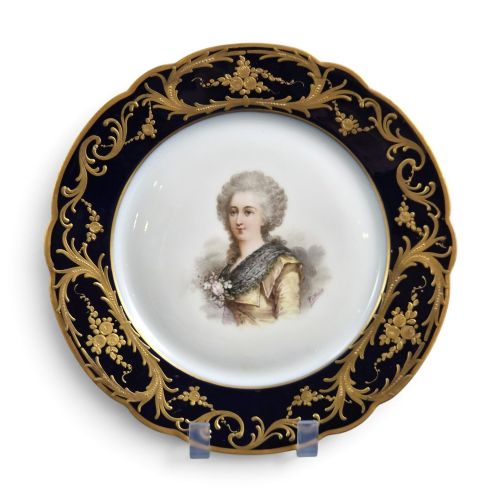
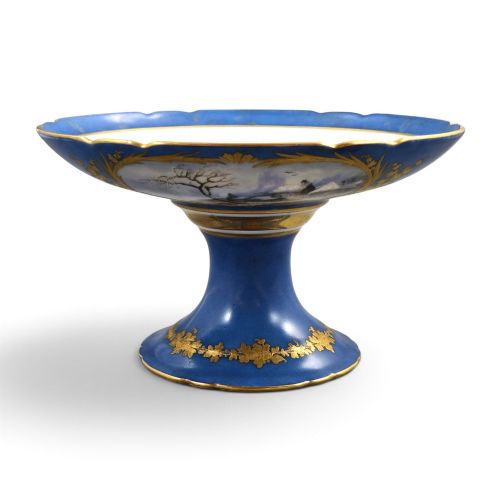
The most common forms you will meet on this page are circular cabinet plates and oval dishes decorated with cobalt blue grounds, floral motifs, or historical narrative scenes. Many incorporate gilt bronze mounts, champlevé enamel, or soft-paste porcelain bodies that reflect French Rococo Revival and Louis XVI aesthetics.
Materials and production methods
The pieces listed on this page rely on porcelain and soft-paste porcelain bodies coated in glaze, providing a smooth white or coloured ground for subsequent decoration. Makers applied gold leaf and gilding to highlight borders, rims, and structural elements.
Surface ornamentation involved hand-painted enamel scenes, often depicting portraits, battle scenes, or pastoral subjects. Some items combined these porcelain plaques with gilt bronze mounts and champlevé enamel to create elaborate centrepieces and comports.
Antique Sevres Dish Retail Price Guide 2026
Typical asking prices for sevres dish among the pieces listed under this phrase on Sellingantiques today, from the lower quarter to the upper quarter. They describe what is for sale here now, not the wider market.
Object forms include cabinet plates, comports, pedestal bowls, soup tureens, and oval dishes decorated in the French Rococo and Louis XVI Revival styles.
Distinctions in quality
Quality in these porcelain pieces rests on the precision of the hand-painted artistry and the complexity of the surrounding mounts. Finer examples feature delicately rendered portraits or historical scenes with subtle colour shading rather than simple repeating floral motifs.
The integration of materials also defines the upper tier of objects, where cast gilt bronze mounts and champlevé enamel work complement the porcelain body. Pieces created by established makers like Samson or signed by individual artists show superior execution in both the ceramic body and the decorative finish.
Ambroise Michel·Samson Paris·Edm e Samson
The Antique Sevres Dish Glossary
- Soft-Paste Porcelain
- A glassy ceramic material fired at lower temperatures than hard-paste porcelain. It has a warm appearance and was widely used in eighteenth-century French manufacture.
- Gilt Bronze
- An alloy of copper and zinc treated with a gold coating. It provides structural mounts and decorative handles for porcelain bowls and centrepieces.
- Champlevé Enamel
- A technique where enamel is fused into troughs or cells carved into a metal surface. It appears on the mounts of elaborate nineteenth-century centrepieces.
- Bleu Céleste
- A bright turquoise blue glaze colour developed at the French factory. It forms a distinctive background for hand-painted panels on plates and trays.
- Tazza
- A shallow bowl or plate raised on a stem and foot. This form is used for comports and display pieces on this page.
- Cabinet Plate
- A decorative plate intended for display in a cabinet or on a wall rather than for everyday dining use.
Antique Sevres Dish: Frequently Asked Questions
What is a sevres dish?
An antique sevres dish is a porcelain item made in France or produced in the stylistic manner of the historic factory. These pieces include cabinet plates, oval dishes, and decorative trays featuring hand-painted scenes and gilt detailing.
They reflect periods from the eighteenth century to the late nineteenth century, capturing French Rococo Revival and Louis XVI design influences.
How do I date an antique sevres dish?
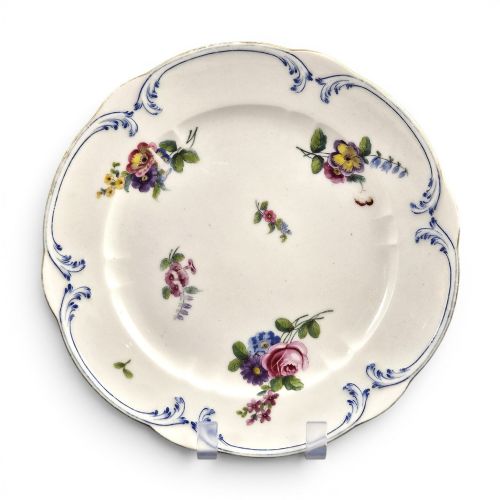
Dating relies on stylistic clues, ceramic bodies, and any recorded maker marks or artist signatures on the piece. Eighteenth-century examples often use soft-paste porcelain and feature specific pastoral or floral compositions.
Nineteenth-century revivals incorporate bolder cobalt grounds, champlevé enamel mounts, or historical battle scenes that align with Victorian manufacturing techniques.
How were these dishes used originally?
Many of these items functioned as decorative cabinet pieces designed to display wealth and artistic taste in formal drawing rooms. Plates and trays were also used for serving sweetmeats or desserts during formal dining occasions.
Larger centrepieces and comports occupied the middle of dining tables to hold fruit or anchor elaborate tablescapes.
How do I care for antique porcelain?
Care involves keeping the pieces away from direct sunlight and moisture to protect the hand-painted enamels and gilding. Dusting should be done gently with a soft, dry cloth.
Avoid using chemical cleaners or immersing items with gilt bronze and enamel mounts in water.