



Antique Settle Seating
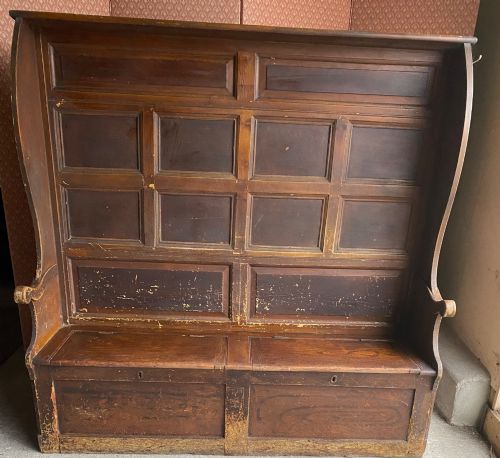
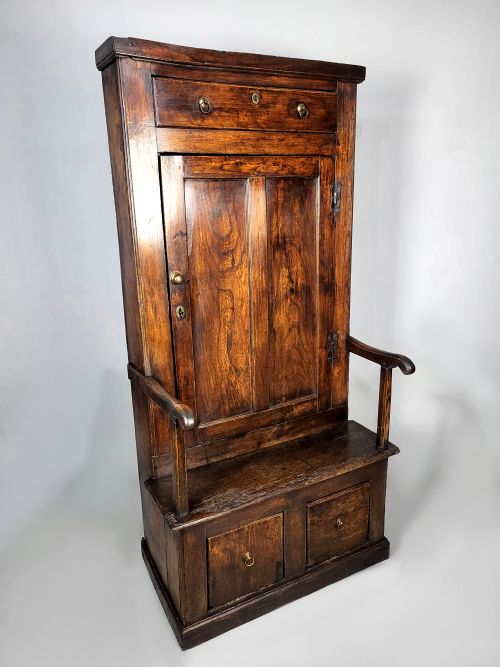
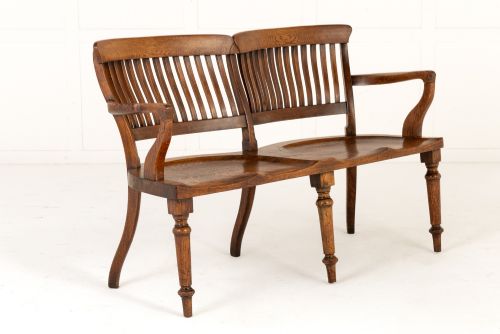
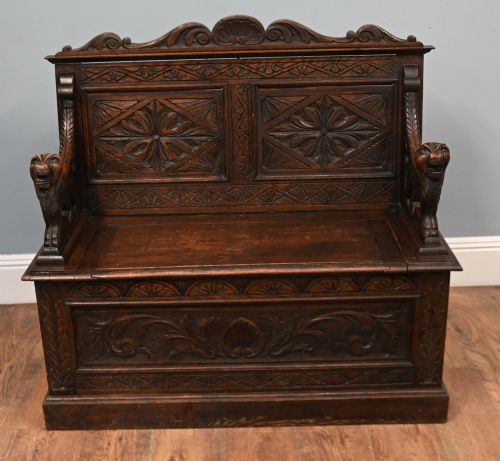
These antique settle seating examples are high-backed wooden benches with solid seats, built to keep out draughts in hallways and country interiors.
Antique Settle Seating
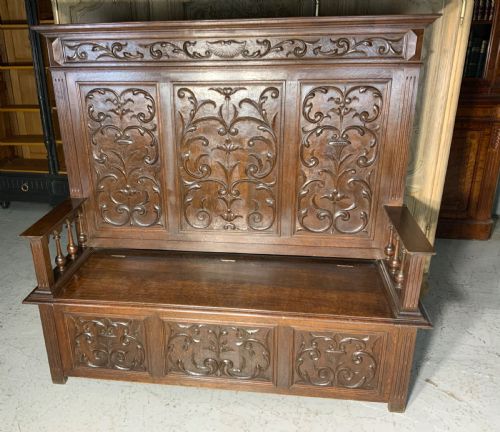
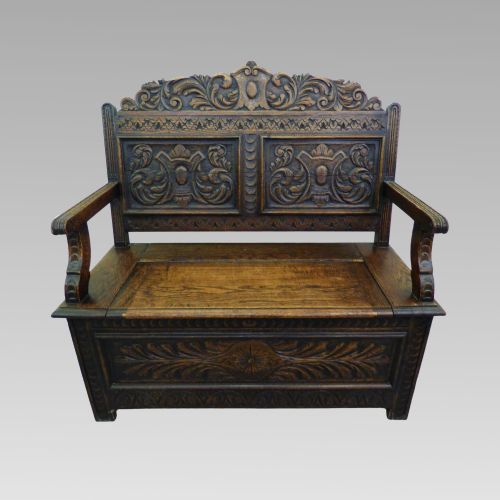
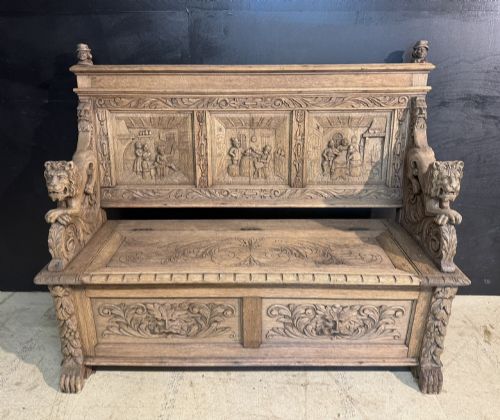
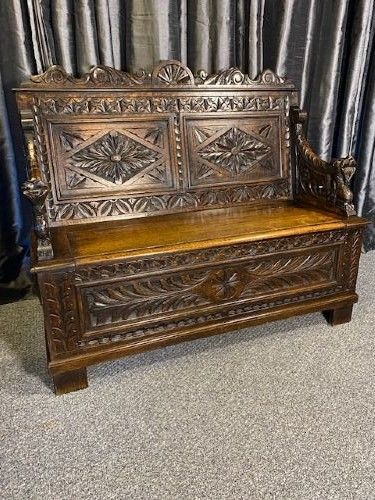
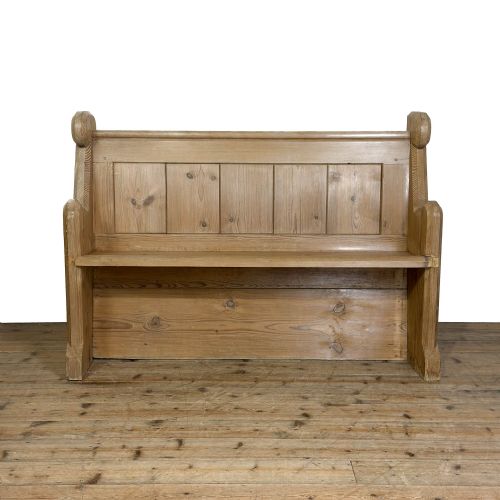
When you search for antique settle seating, you encounter robust wooden benches designed historically for communal rooms, hallways, and farmhouse kitchens. The forms range from simple panelled examples to elaborate high-backed box settles with integrated storage beneath the seat. You are most likely to meet oak and pine versions dating from the eighteenth and nineteenth centuries.
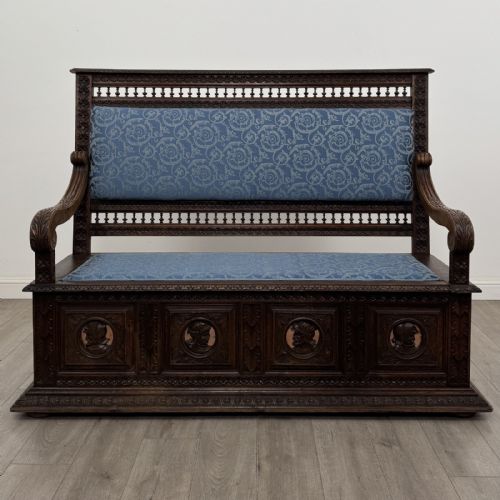
Many pieces double as functional storage furniture, incorporating hinged lids that reveal deep compartments for boots or linens. Alongside traditional British country house styles, the selection includes continental European variations from Spain, France, and Italy. Regional vernacular designs define the character of these benches, showing local woodworking traditions.
How they were made
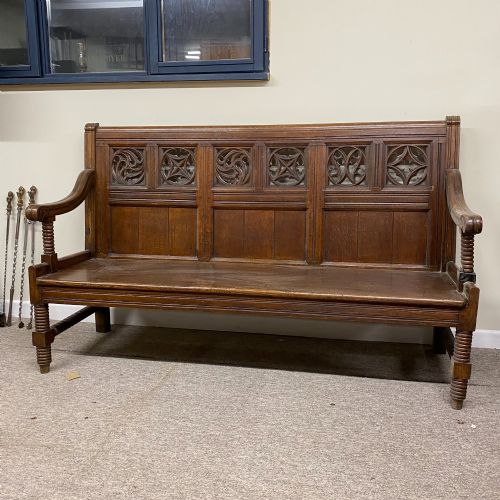
Cabinetmakers relied heavily on native hardwoods, primarily using solid oak, elm, and pine joined by traditional pegged mortise and tenon construction. Back panels were frequently panelled or carved with floral motifs, linenfold, or geometric patterns depending on the period of manufacture. Workshops utilised simple hand tools to shape thick timber boards for seats and arms.
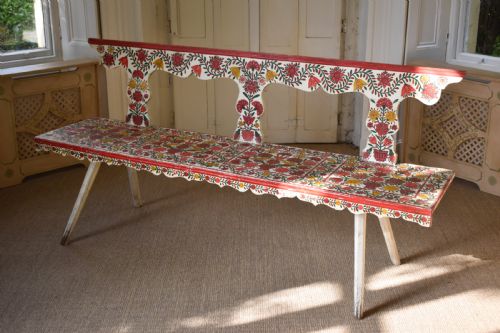
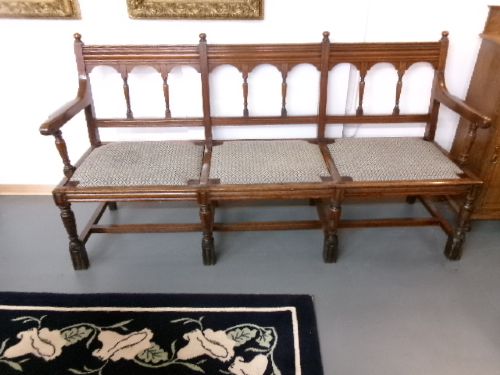
Surface finishes vary from waxed patinated oak to painted polychrome surfaces and inlaid woodwork featuring mother of pearl or contrasting timbers. Some iterations incorporate upholstered seats or fabric elements, while church pews and chapel benches display straightforward utilitarian joinery designed for institutional use.
Antique Settle Seating Retail Price Guide 2026
Typical asking prices for settle seating among the pieces listed under this phrase on Sellingantiques today, from the lower quarter to the upper quarter. They describe what is for sale here now, not the wider market.
Flip-over chapel pews let weary parishioners instantly reverse their seating direction when the sermon finally ended.
What varies in quality
The integrity of the timber and the retention of original structural elements dictate the standing of individual pieces. Settles with intact board seats, original hinges, and unaltered proportions command greater respect among collectors than those with heavily restored or replaced timber. The depth and execution of hand carving on the back panels also separate standard utility items from finer workshop commissions.
Proportion and scale influence desirability, as smaller hall benches and neat child-sized variants require careful scaling by the original maker. The presence of integrated storage boxes with original working lids adds functional merit. Regional quirks and uncommon decorative inlays elevate certain country pieces above plain utilitarian examples.
James Shoolbred·Gillows
The Antique Settle Seating Glossary
- Settle
- A wooden bench with a high back, solid wooden arms, and often a storage box beneath the seat. It historically stood near hearths to block cold air currents.
- Box settle
- A variant featuring a hinged seat that lifts to reveal a large storage compartment below. This form served as a linen chest or general storage trunk in communal rooms.
- Mortise and tenon
- A traditional woodworking joint where a projecting tenon fits tightly into a matching mortise hole, secured with wooden pegs. This method forms the skeletal strength of early oak furniture.
- Panelling
- Framework constructed with vertical stiles and horizontal rails enclosing thin wooden panels. It provides structural stability to tall chair backs without adding excessive weight.
- Vernacular furniture
- Domestic items made by local craftspeople using regional materials and traditional styles rather than following academic metropolitan designs.
Antique Settle Seating: Frequently Asked Questions
What is a settle used for?
Historically, settles provided communal seating in farmhouse kitchens, pubs, and hallways where draught protection was necessary. The high wooden back blocked cold air while the enclosed base kept feet elevated from cold stone floors.
Today, homeowners utilise them in boot rooms, hallways, and kitchens as practical seating with hidden storage compartments beneath the lift-up lids.
How do I tell an 18th century settle apart?
Eighteenth century examples typically display heavy pegged mortise and tenon joinery, deep patination on solid oak or elm, and hand-planed board seats. The construction relies on wide timber planks joined without modern metal fasteners.
Later Victorian and Edwardian revival pieces often feature machine-cut elements, crisper factory carving, and lighter secondary timbers like pine or walnut.
Where should I place a hall bench?
Hall benches and settles suit entranceways, corridors, and boot rooms where their narrow profiles allow them to sit flush against walls. Versions with box storage serve practical daily functions for stowing shoes, umbrellas, and winter accessories.
Ensure adequate clearance for the high backrest and check that any lift-up lid can open fully without striking surrounding walls.
Are all settles made of oak?
While oak is the predominant timber found in British country settles, makers also utilised elm, pine, walnut, and ash depending on regional availability. Continental European workshops frequently employed walnut, fruitwoods, or exotic hardwoods for inlaid decorative pieces.
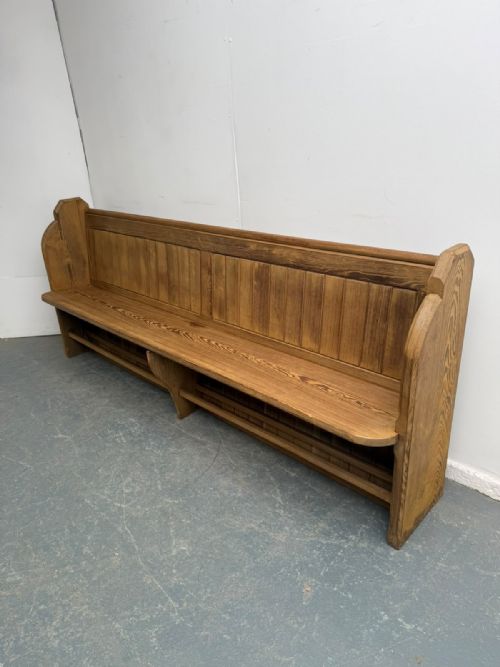
Pine was common in utilitarian church pews, chapel benches, and provincial farmhouse seating throughout the nineteenth century.