




Antique Serving Cabinet
An antique serving cabinet brings dining rooms from the Georgian, Victorian, and Art Deco eras together through functional elegance.
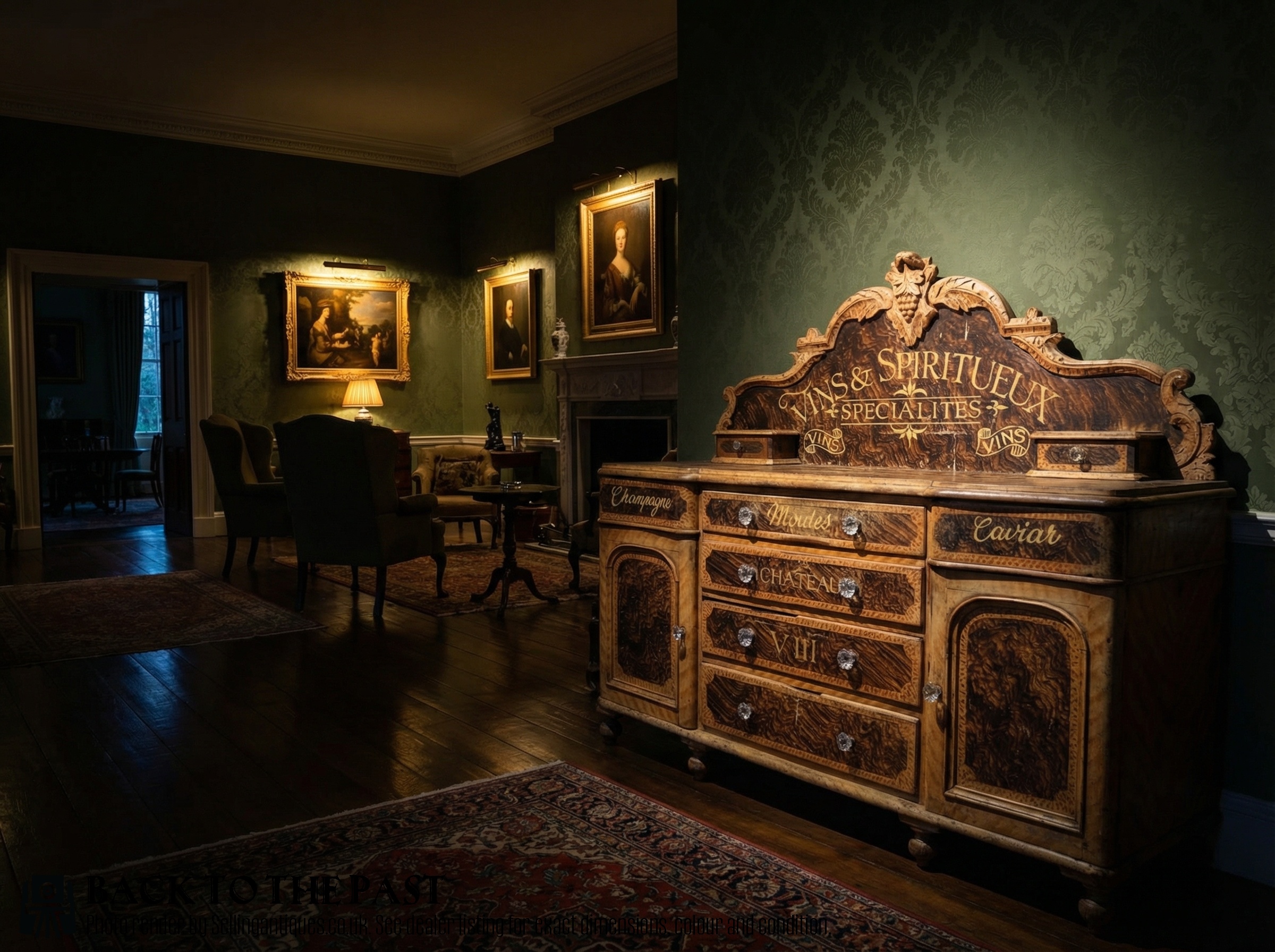
Antique Serving Cabinet
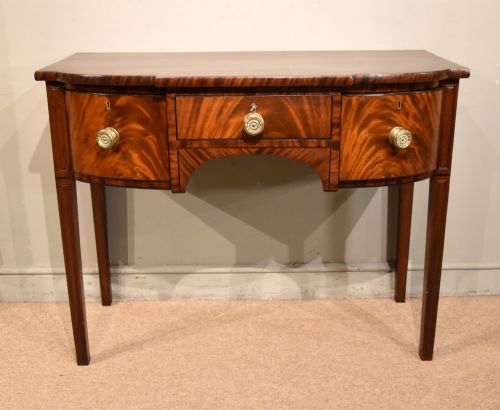
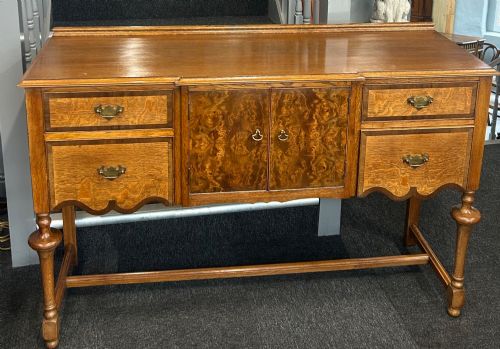
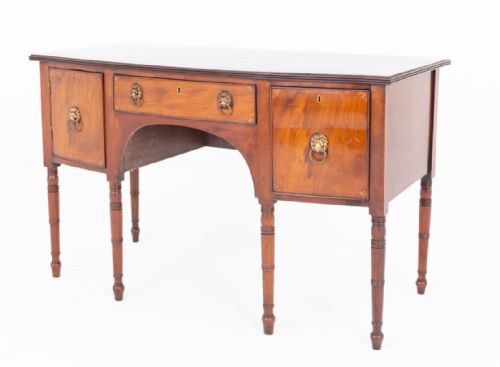
When you search for an antique serving cabinet, you encounter a diverse group of large dining furniture and smaller serving pieces spanning the Georgian, Regency, Victorian, and Art Deco periods. These forms range from substantial mahogany and burr walnut sideboards to wheeled brass-inlaid bar carts and delicate porcelain serving dishes.
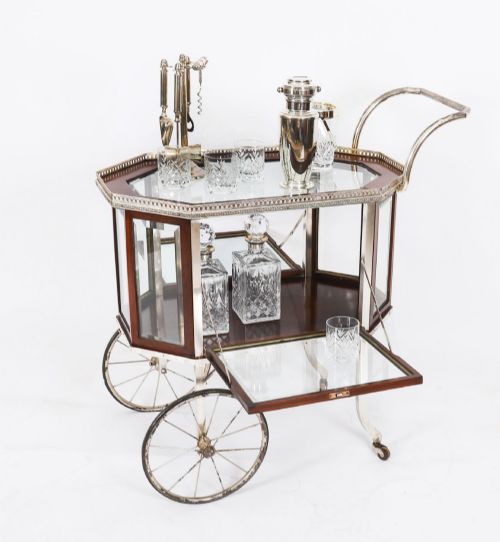
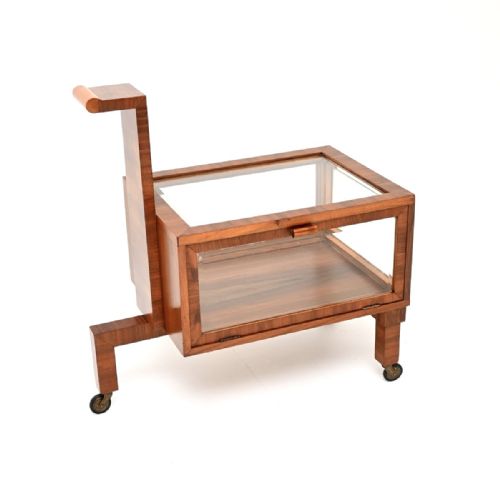
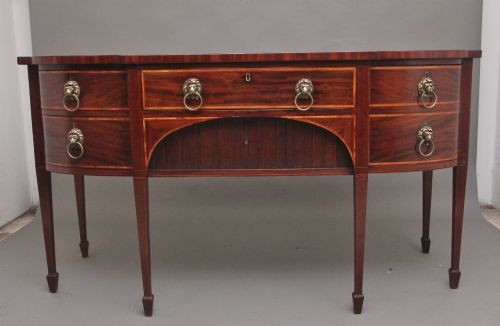
The pieces most commonly met on this page include mahogany sideboards with inlaid details alongside French Art Deco burr amboyna cocktail trolleys. Dining rooms of the past utilised these surfaces for food preparation and storage during formal meals, while porcelain plates and trays handled the presentation of courses.
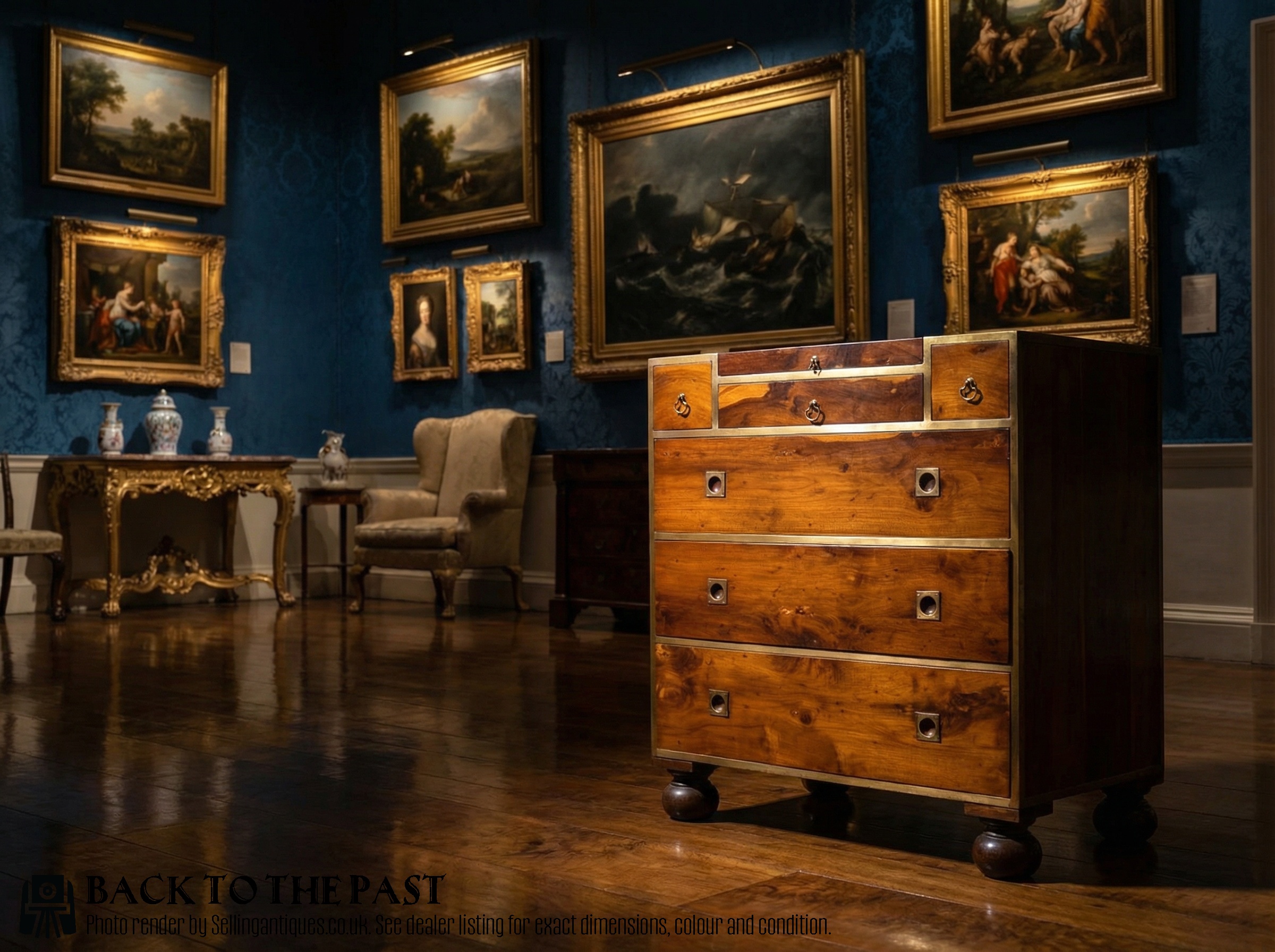
How they were made
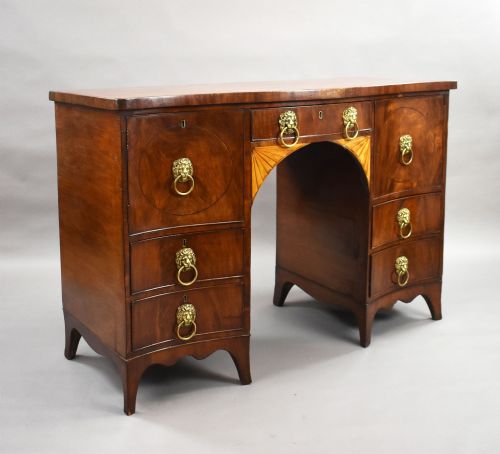
Cabinetmakers constructed wooden serving furniture using dense hardwoods like mahogany, oak, rosewood, and burr walnut, frequently incorporating intricate brass inlay, marquetry panels, and fine wood veneers. Skilled hands shaped the timber into breakfront profiles, bowfronts, and drop-side trolleys.
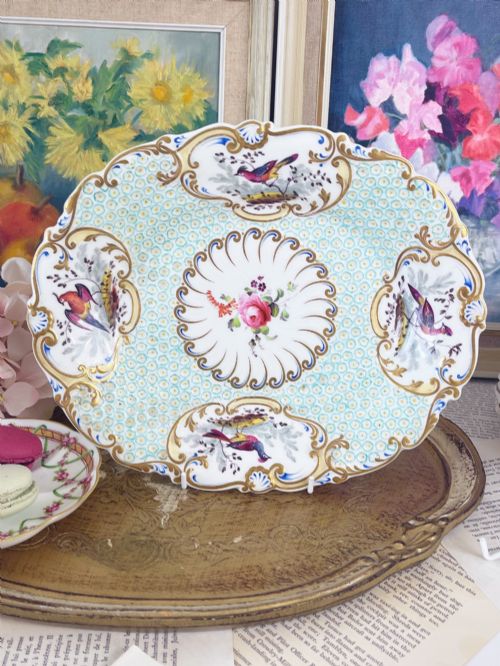
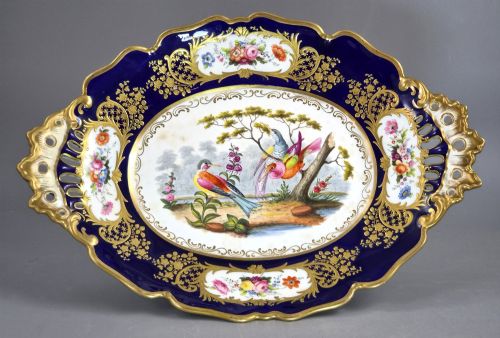
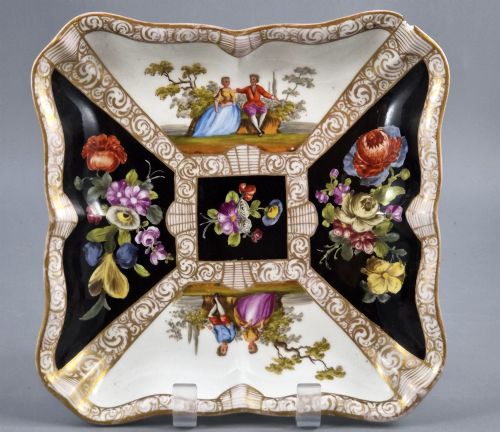
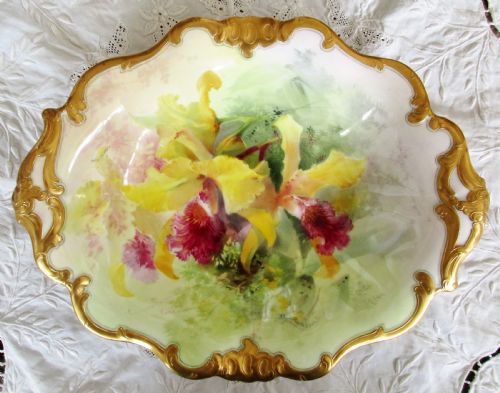
Porcelain serving dishes and plates relied on handpainted ceramic techniques, featuring cobalt blue glazes, gilt highlights, and intricate botanical or figural scenes from factories such as Coalport, Meissen, and Worcester. Metalwork elements utilised cast brass fittings, handles, and gallery rails to finish the pieces.
What varies in quality
The distinction between ordinary and superior pieces rests on the precision of the cabinetwork and the artistic merit of the surface decoration. Handpainted porcelain dishes show greater refinement in the brushwork of the fancy birds or classical scenes, whereas standard production relies on simpler transfers.
Timber selection drives the hierarchy in wooden serving furniture, where choice cuts of burr walnut, pollard oak, or figured mahogany with meticulous brass inlay separate master craftsmanship from basic utility. The integrity of original joinery and surface patination further elevates a piece within its period.
H and R Daniel·John Ridgway·Royal Doulton·Harry and Lou Epstein
The Antique Serving Cabinet Glossary
- Sideboard
- A large dining room cabinet designed for storing tableware and serving food. It frequently incorporates drawers and cupboards beneath a broad top surface.
- Breakfront
- A piece of furniture where the central section projects forward from the flanking wings. This architectural arrangement creates depth and visual interest in mahogany sideboards.
- Bowfront
- A convex curved cabinet front popular in Georgian and Regency design. The gentle sweep softens the heavy timber lines of the serving surface.
- Serving trolley
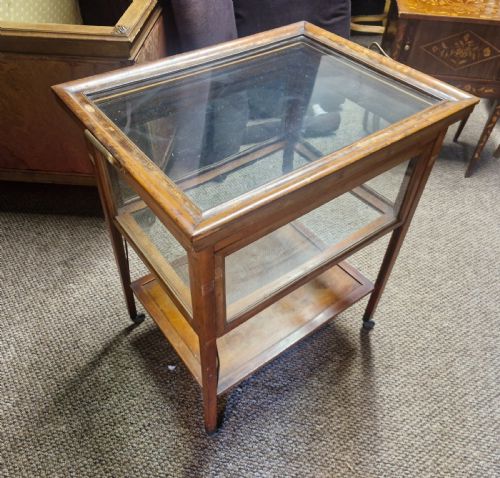
- A movable wheeled cart utilised for transporting drinks, tea, or food courses. These mobile units often feature drop sides and brass gallery rails.
- Cabinet dish
- A decorative porcelain plate or tray created primarily for display rather than dining use. Makers applied handpainted scenes and extensive gilding to these ceramic pieces.
Antique Serving Cabinet: Frequently Asked Questions
How do I use a serving cabinet today?
An antique serving cabinet functions effectively in a modern dining room or living space for storing glassware, table linen, and bottles. The top surface provides an ideal area for setting out drinks or displaying decorative porcelain.
Larger wooden sideboards offer deep internal storage capacity for hosting essentials. Wheeled trolleys move easily between rooms to serve refreshments during gatherings.
What is the difference between a sideboard and a serving cabinet?
A sideboard is a long, low wooden piece traditionally placed against a dining room wall for holding dishes and serving food. Serving cabinets and trolleys encompass a wider variety of forms, including mobile bar carts and display furniture.
Many Victorian and Edwardian variations combine storage cupboards with open serving tiers. The terminology often overlaps depending on the specific proportions and era of the item.
How do I care for antique wood surfaces?
Maintain timber finishes on mahogany and walnut serving furniture by dusting regularly with a soft, dry cloth. Avoid placing items in direct sunlight or near heat sources to prevent the wood from drying out.
Apply a quality beeswax polish periodically to nourish the grain and preserve the patination. Keep moisture away from the surface by using coasters under glasses and serving dishes.
How do I identify Art Deco serving pieces?
Art Deco serving pieces from the 1920s and 1930s typically feature streamlined geometric forms and exotic veneers like burr amboyna and walnut. Designers embraced modern materials such as brass, glass, and chromium alongside traditional timber.
Look for clean architectural lines and functional additions like drop sides or integrated bottle wells. These pieces reflect the shift toward cocktail culture and sophisticated home entertaining.