
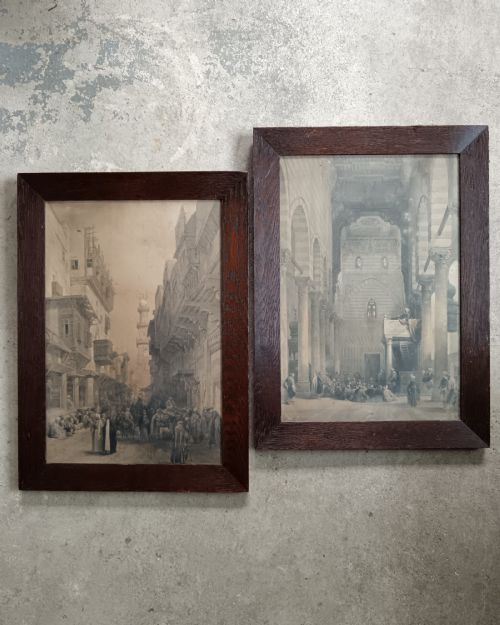
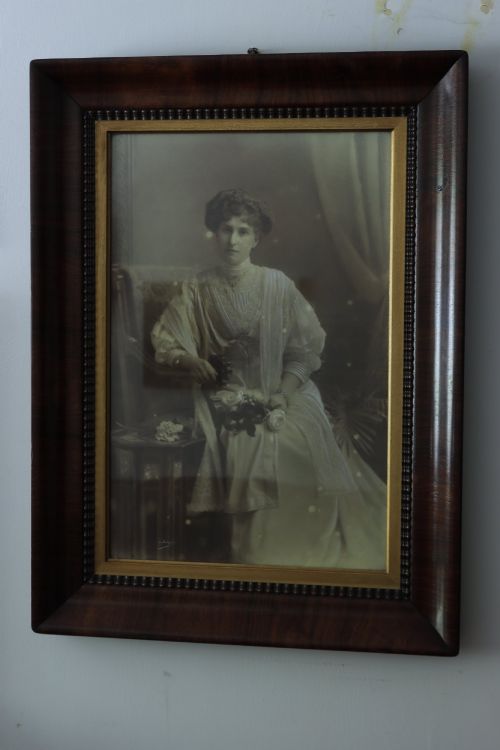


Antique Sepia Picture
An antique sepia picture captures monochrome tones through ink, wash and print, offering historical depth for interior spaces.
Antique Sepia Picture
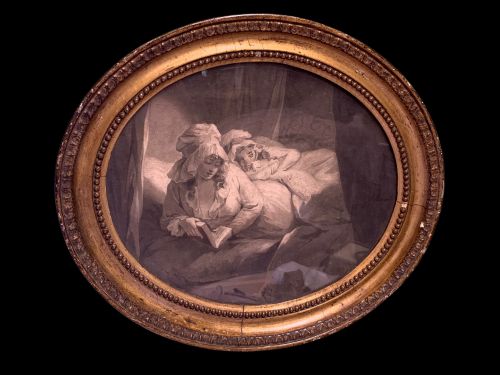
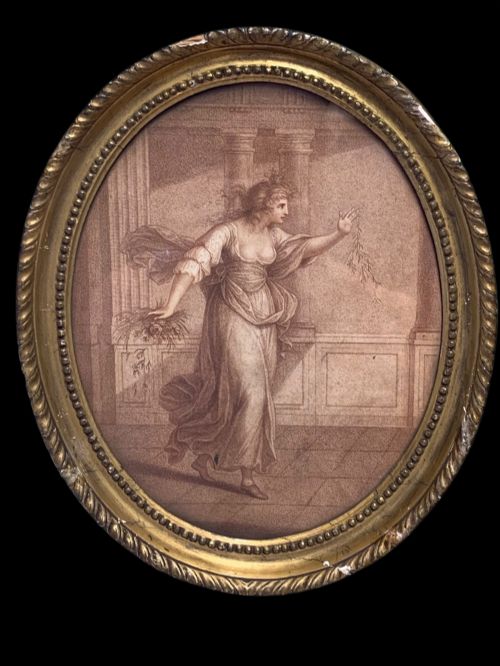
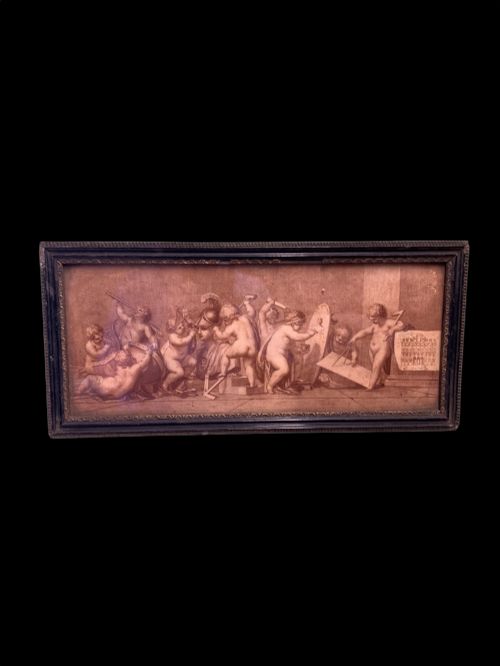
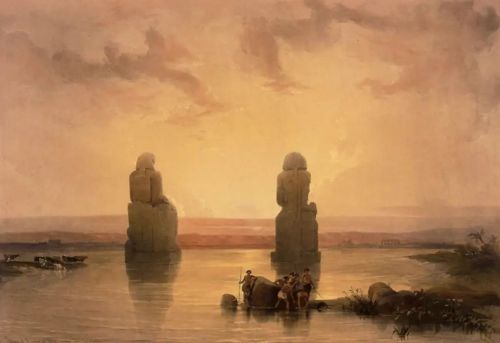
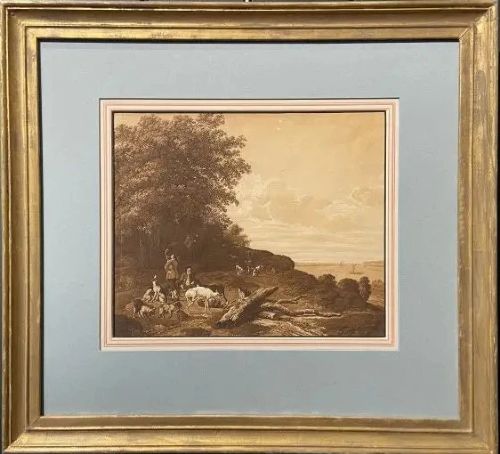
When searching for an antique sepia picture, buyers encounter works spanning the Georgian, Victorian and Edwardian periods, reaching into the twentieth century. These pieces encompass etchings, engravings, watercolours, lithographs and photographs housed behind glass in period frames.
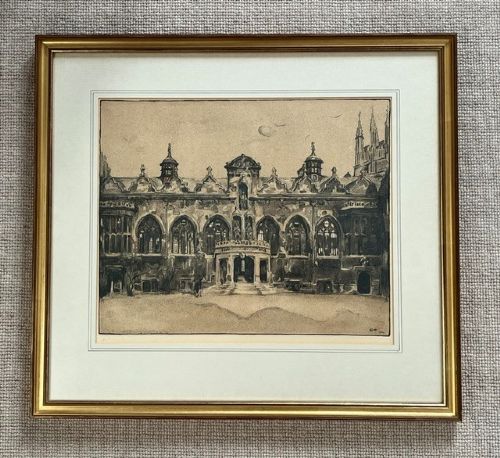
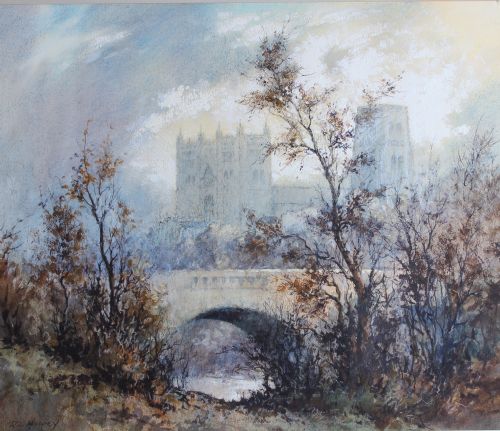
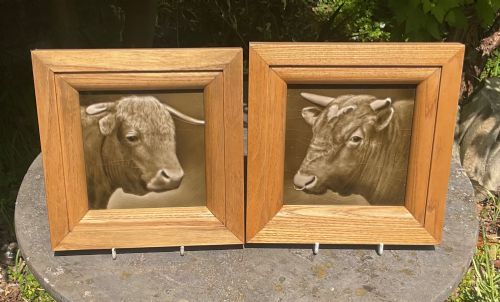
The selection ranges from architectural studies and maritime scenes to portraits and topographical views. Many retain their original oak or gilt framing, preserving the paper and ink surfaces within.
The most common examples on this page are nineteenth-century etchings and watercolours, alongside eighteenth-century stipple engravings and early photographic prints.
Materials and technique
Makers utilised paper, card and glass as surfaces for ink, watercolour and wash pigments. Printmakers employed copper plates for etchings and stipple engravings, transferring monochrome lines and tonal gradations onto paper.
Photographic works and lithographs capture fine detail through chemical and press methods, occasionally highlighted with gold leaf. Framing materials rely on timber such as oak, often paired with protective glass.
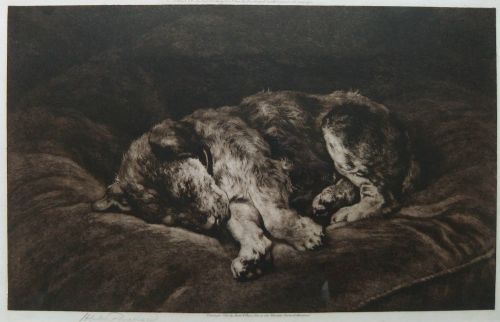
Racehorses such as Creeping Molly share space on the wall with naval battles and cathedral spires.
Assessing quality
Quality rests upon the clarity of the line in engravings and etchings, and the preservation of tonal depth in watercolours and ink washes. Strong impressions display crisp plate marks and distinct contrast without fading.
The survival of original framing, including period oak or gilt mouldings and glass, elevates the integrity of the piece. Provenance and the skill of the draughtsman or printmaker define the upper tier of the range.
Herbert Dicksee·Sir William Nicholson·William Marshall Craig·William Powell Frith·David Roberts·Johannes Lingelbach·Robert Leslie Howey·Sherwin and Cotton·Louis Haghe·George Arthur Fripp·Frederick William Booty·Leslie Rackham·James Dobie·Claude Lorrain·John Boydell·Hercules Brabazon Brabazon·Frank W Scarborough·R P Phillimore
The Antique Sepia Picture Glossary
- Etching
- A printmaking method where acid bites lines into a metal plate to hold ink. This technique allows for fine, expressive linework.
- Stipple engraving
- A method of creating tonal shades using dots rather than continuous lines. It creates soft contours and gradients.
- Lithograph
- A planographic printing process using a stone or metal plate. Grease and water repel each other to transfer the image.
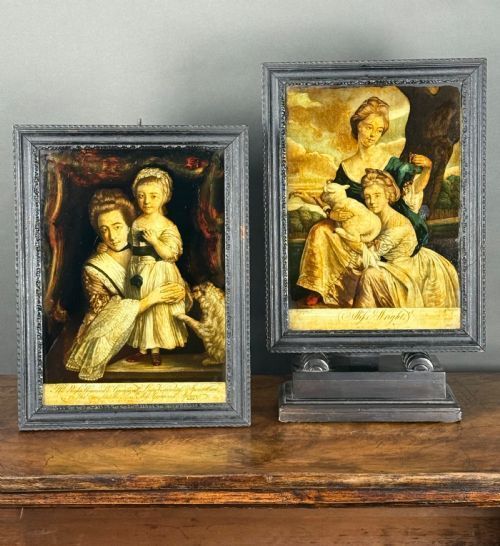
- Reverse glass painting
- An artwork executed on the rear side of a pane of glass and viewed from the front. This technique produces a glossy surface finish.
- Mezzotint
- A printmaking process where the plate is roughened to achieve dark tones and scraped to create highlights. It yields rich, velvety gradations.
Antique Sepia Picture: Frequently Asked Questions
What periods do these pictures cover?
The listings span from the seventeenth and eighteenth centuries through the Victorian and Edwardian eras into the mid-twentieth century. Works frequently date from the nineteenth century.
Different decades brought distinct methods, moving from hand-drawn ink and wash to early photography and published prints.
How should I care for antique paper and prints?
Keep works away from direct sunlight to prevent the fading of ink, watercolour and paper tones. Stable humidity protects the paper and the surrounding frame.
Ensure that the protective glass remains sealed to guard against dust and moisture accumulation.
Are these works in their original frames?
Many listings retain their period frames, such as original oak or gilt mouldings. These housings often date from the same era as the artwork inside.
Original frames contribute to the historical context of the piece, though some works have been reframed over time.
What subjects appear in these works?
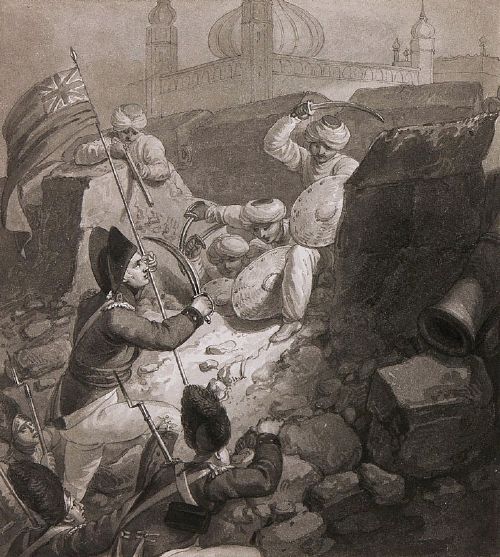
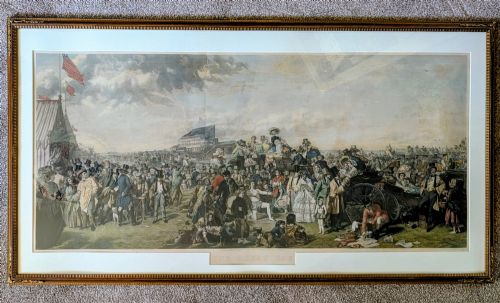
Subjects range widely across maritime scenes, architectural studies, racehorses and topographical landscapes. Portraits and historical battle scenes also feature prominently.
Artists recorded both British and continental views, capturing naval vessels, cathedrals and rural valleys.