
Antique Seating Bench
An antique seating bench brings practical utility and architectural character to a hallway, garden, or living space through time-tested craftsmanship.
Antique Seating Bench
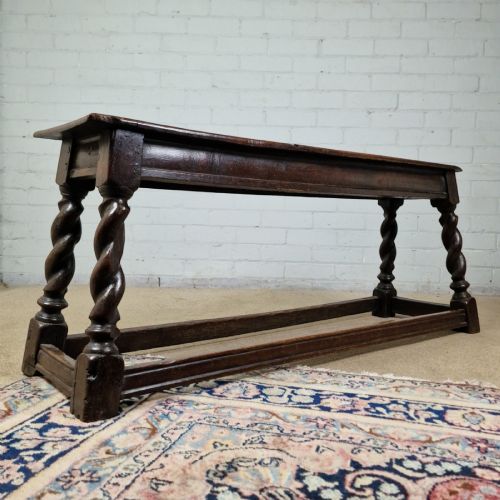
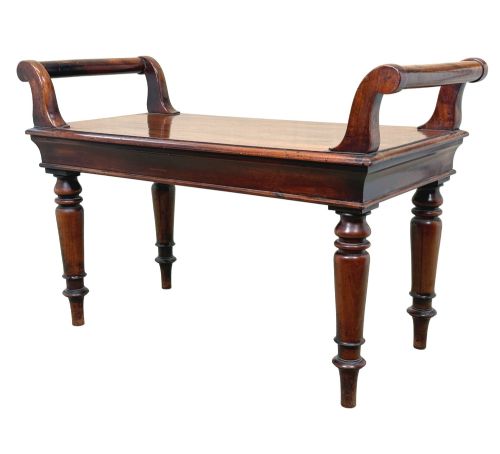
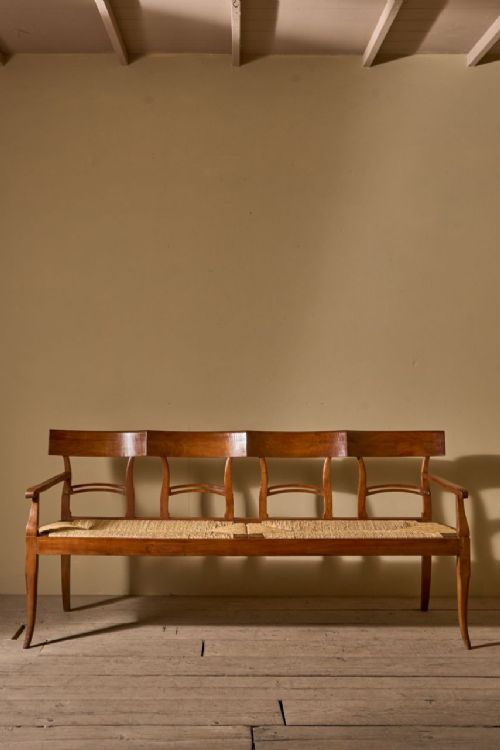
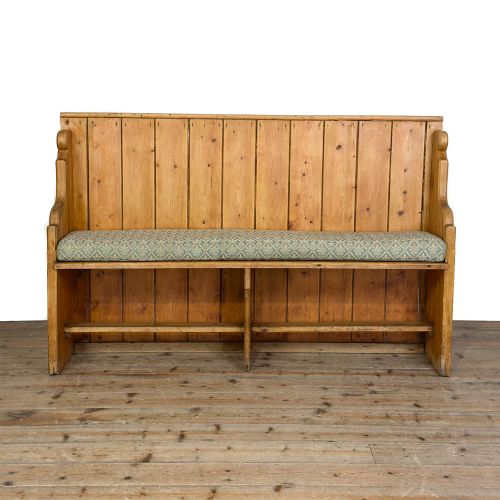
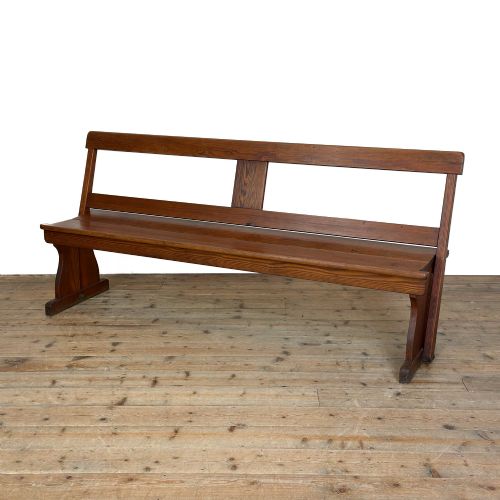
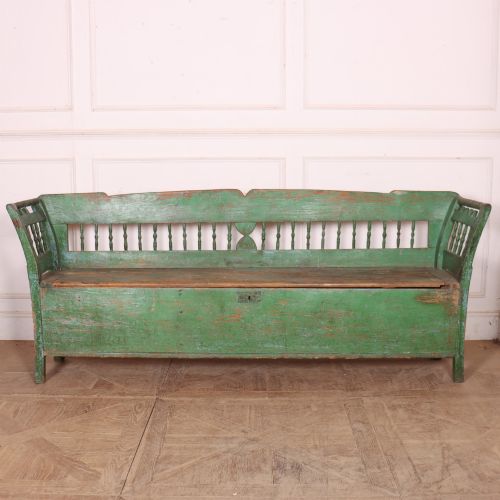
An antique seating bench encompasses diverse forms ranging from high-back oak settles and hall benches to garden seating and window seats. These pieces originate across centuries, with nineteenth-century examples and Victorian designs appearing frequently alongside eighteenth-century items.
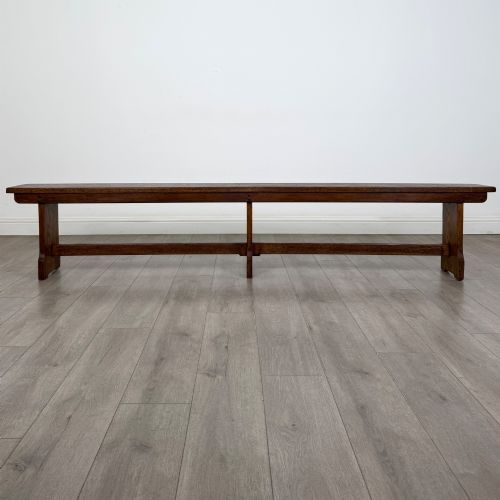
Domestic hall benches and settles often utilise solid timber construction to manage entranceways, while garden benches employ cast iron for outdoor durability. Buyers also encounter Edwardian formats and occasional specialised forms like club fenders and monk's benches.
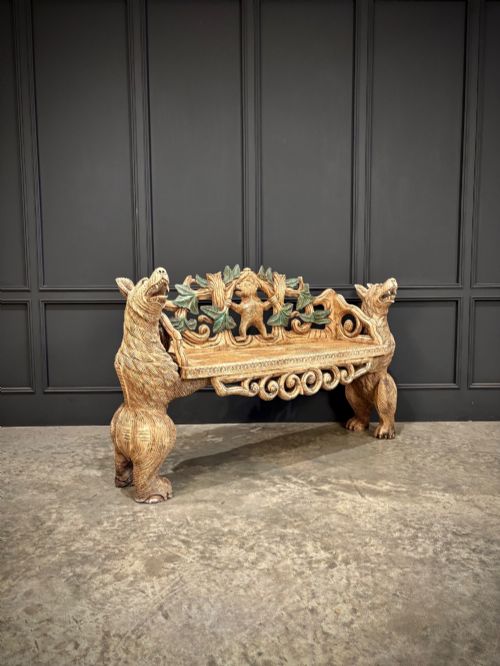
Regional variations span from Welsh oak items to Scandinavian neoclassical stools and Black Forest carved seating. The selection balances utilitarian origins against decorative Revival styles such as Gothic, Jacobean, and Rococo.
How these benches were made
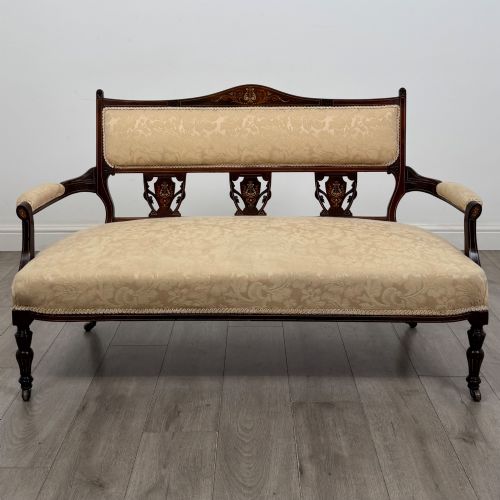
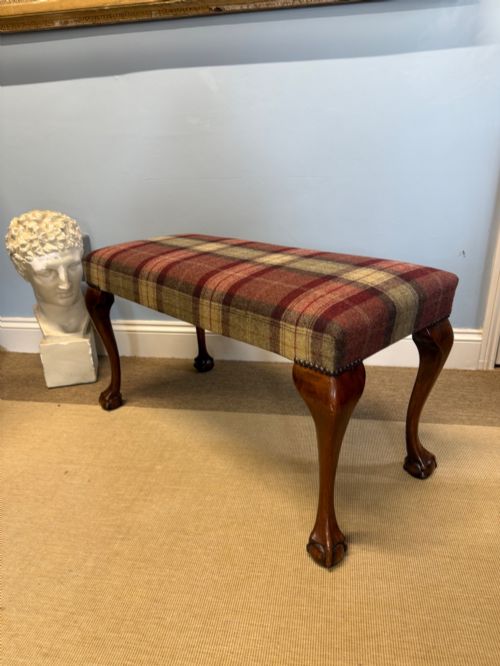
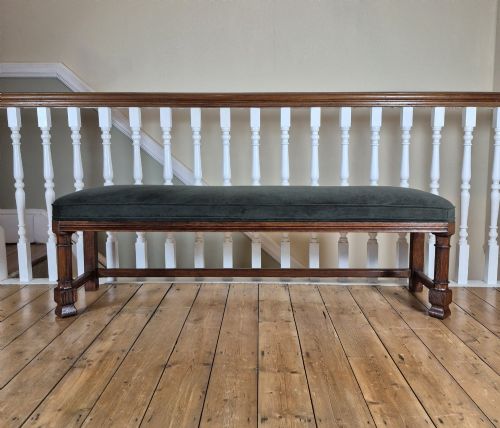
Timbers such as oak, mahogany, pine, and rosewood form the primary structural foundations for wooden frames, panelled settles, and joint stools. Traditional joinery techniques secure these hardwoods and softwoods, frequently enhanced by hand-carving and inlaid decorative elements.
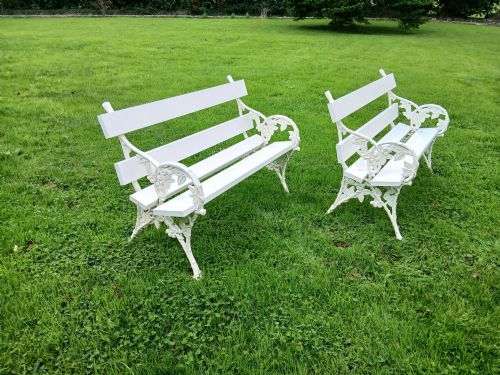
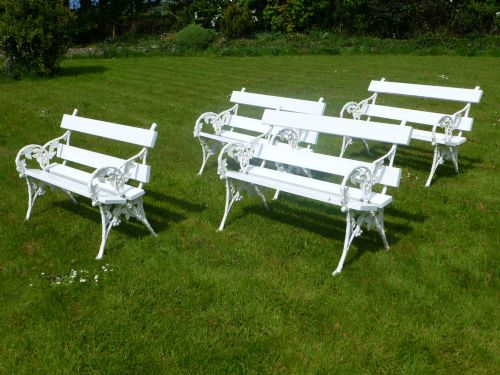
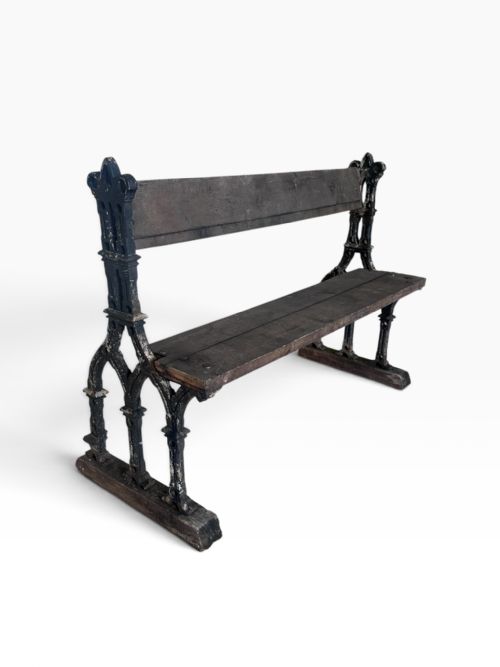
Garden pieces and heavy outdoor seating rely on cast iron foundations, as demonstrated by foundry-marked components featuring botanical motifs like blackberry and leaf patterns. Upholstered variants integrate fabrics, leather, and buttoning over padded seat bases.
Finishes range from natural waxed grain and painted surfaces to giltwood applications, depending on the intended indoor or outdoor placement of the specific seat.
Listings feature oak, mahogany, pine, and rosewood alongside cast iron garden seats spanning the eighteenth to twentieth centuries.
What varies in quality
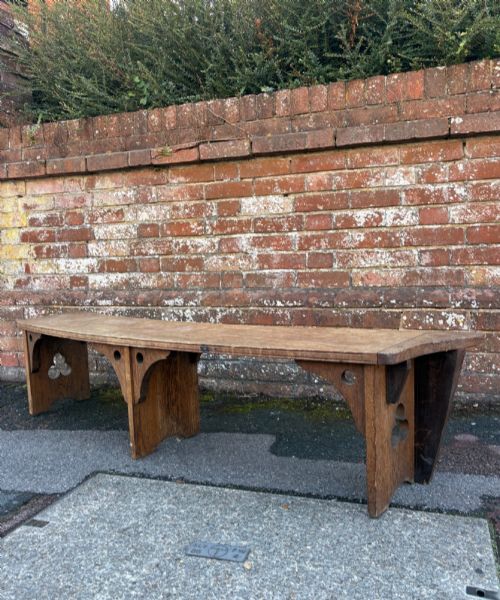
Construction integrity distinguishes robust foundational framing from altered or compromised structural support. The crispness of hand-carved details, such as trefoil supports or panel relief work, separates standard production from finer craftsmanship.
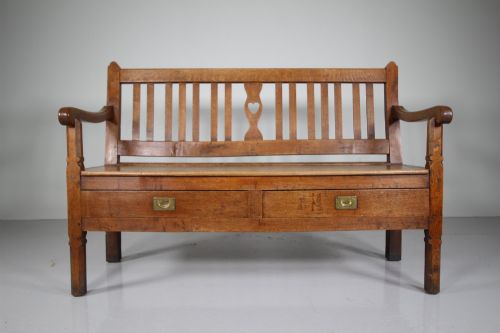
Original material retention dictates authenticity, where unaltered timber patination and intact foundry markings preserve the historical integrity of the piece. The sophistication of secondary elements like inlay work, brass fittings, and upholstery finishing directly reflects the original tier of manufacture.
Falkirk Carron Foundry·Heals
The Antique Seating Bench Glossary
- Settle
- A wooden bench with a high back, solid arms, and often a box base used to block draughts in older homes.
- Club fender
- A low, padded seat structure positioned around a fireplace hearth, combining metal frames with leather upholstery.
- Monk's bench
- A multi-functional convertible piece featuring a folding back that transforms from a bench seat into a table.
- Joint stool
- An early form of wooden stool constructed with mortise and tenon joints, displaying sturdy pegged legs.
- Trefoil
- A three-lobed decorative carving shape frequently encountered in Gothic Revival architectural ornaments.
Antique Seating Bench: Frequently Asked Questions
Where should I place an antique seating bench?
Hall benches and settles suit entranceways and corridors where guests remove footwear and coats. Window seats and long stools fit naturally beneath glazing or at the foot of a bed.
Outdoor garden benches require placement on level stone or patio surfaces to prevent moisture ingress into the iron or timber feet.
How do I clean an antique wooden bench?
Dust timber surfaces regularly with a soft, dry cloth to prevent particulate accumulation in carved recesses. Apply traditional beeswax periodically to nourish the grain without sealing the historic finish.
Avoid commercial liquid polishes containing silicone, which can degrade old wax patination over extended periods.
Can cast iron garden benches stay outside?
Cast iron garden benches withstand outdoor exposure due to the durability of the metal foundry work. However, prolonged winter dampness can encourage surface oxidation on unprotected areas.
Positioning the seat under shelter during harsh weather preserves the painted surface and prevents unnecessary corrosion.
How do I identify a Victorian settle?
Victorian settles typically display Revival influences such as Gothic tracery or heavy oak panelling derived from earlier centuries. Inspect the timber density and construction methods underneath the seat for signs of nineteenth-century tool marks.
Compare the hardware and structural proportions against documented pieces from the same period to confirm authenticity.